


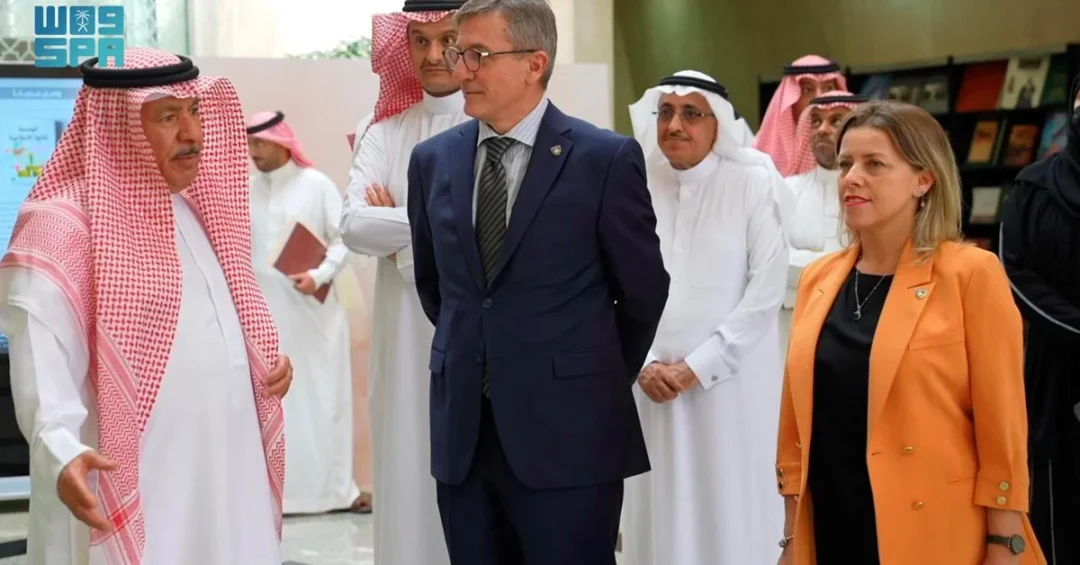
The King Abdulaziz Public Library (KAPL) has unveiled an ambitious cultural initiative designed to position Saudi Arabia as a leading global destination for cultural tourism, in a move announced via the Saudi Press Agency and aligned with the Kingdom’s Vision 2030 objectives. The strategy seeks to attract visitors from around the world to explore KAPL’s diverse branches both within and beyond the Kingdom, showcasing Saudi Arabia’s rich heritage, folk arts, and traditions while deepening citizens’ connections to their cultural roots. The initiative reflects the library’s long-standing role as a custodian of Arab and Islamic heritage and signals a new chapter in the Kingdom’s efforts to diversify its economy through tourism and cultural exchange.
Have you ever considered how a library can serve as a gateway to an entire nation’s cultural story? Under the guidance of General Supervisor Faisal bin Abdulrahman bin Muammar, KAPL is expanding its mission beyond traditional collections to offer international visitors access to historical manuscripts, rare documents, global historical images, artistic icons, and miniatures representing various historical and artistic eras. The initiative is framed as a harmonious blend of authenticity and modernity, highlighting Saudi Arabia’s cultural and civilizational heritage while promoting coexistence and acceptance of diverse global cultures. It arrives at a time when global interest in Saudi Arabia’s cultural transformation is growing, and when the Kingdom’s tourism sector is becoming a key pillar of economic diversification.
Context and Background
Why does a library’s legacy matter in the age of global tourism? The King Abdulaziz Public Library has been a cornerstone of Saudi cultural engagement since the 1990s, when it organized landmark events such as the Al-Andalus Symposium, the Islam and Dialogue of Civilizations Symposium, and the Arab Culture Symposium. These gatherings attracted participants and visitors from around the world, establishing KAPL as a cultural tourism hub long before the concept became a central pillar of national strategy. The library’s early commitment to dialogue and cross-cultural exchange laid the groundwork for the initiative announced today, demonstrating that Saudi Arabia’s cultural institutions have consistently served as bridges between civilizations.
The new strategy builds on this foundation by systematically integrating KAPL’s resources into the Kingdom’s broader tourism ecosystem. It comes as Saudi Arabia accelerates efforts under Vision 2030 to diversify revenue streams away from oil, with cultural tourism identified as a high-value sector capable of attracting international visitors, extending their stays, and deepening their understanding of the Kingdom. KAPL’s network of branches, its award programs, and its international partnerships are now being repositioned as assets within a national tourism framework that emphasizes heritage, education, and cultural diplomacy.
How does a library’s collection translate into a tourism experience? KAPL’s approach extends beyond traditional reading rooms. Visitors can encounter historical manuscripts, rare documents, and artistic miniatures that represent various historical and artistic eras, offering a tangible connection to the intellectual and artistic achievements of Arab and Islamic civilizations. This curated access transforms the library from a passive repository into an active destination, where tourists and researchers alike can engage with original materials that tell the story of the region’s contributions to global knowledge. The initiative thus reframes cultural tourism as an immersive, educational journey rather than a passive sightseeing activity.
Key Details of the Initiative
What specific programs anchor this cultural tourism strategy? At its core, the initiative leverages KAPL’s existing flagship projects, including the King Abdullah bin Abdulaziz International Award for Translation and the Unified Arab Index Project. These programs enhance the library’s global visibility and draw visitors to its branches, creating a steady stream of scholars, translators, and cultural enthusiasts who engage with Saudi Arabia’s intellectual heritage. The translation award, in particular, has become a respected international honor, attracting nominations and participants from across the Arab world and beyond, and reinforcing the Kingdom’s role as a champion of cross-cultural understanding.
Another key element is KAPL’s international branch at Peking University in China, which serves as a cultural bridge between Arab-Islamic and Chinese civilizations. This branch underscores the library’s pivotal role in fostering cultural interactions and expanding the global appeal of Saudi cultural tourism. By maintaining a physical presence in one of the world’s most influential academic institutions, KAPL ensures that Saudi cultural diplomacy is not confined to the Kingdom’s borders but is actively projected onto the global stage. The branch also provides a model for future expansions that could see KAPL establish similar outposts in other strategic regions.
General Supervisor Faisal bin Abdulrahman bin Muammar emphasized that the library’s dedication to advancing the Kingdom’s cultural and tourism objectives reflects Saudi Arabia’s harmonious blend of authenticity and modernity. He noted that the initiative highlights the nation’s cultural and civilizational heritage while promoting coexistence and acceptance of diverse global cultures. This dual emphasis on rootedness and openness is a recurring theme in Saudi cultural policy, which seeks to present the Kingdom as both a guardian of tradition and a forward-looking global participant. The initiative therefore carries a message that resonates with international audiences seeking authentic cultural experiences.
International and Regional Impact
How will the global community respond to Saudi Arabia’s cultural tourism push? The initiative arrives amid a broader surge in international interest in Saudi Arabia’s heritage sites, festivals, and cultural events. By positioning KAPL as a cultural tourism hub, the Kingdom adds a scholarly and archival dimension to its tourism offerings, complementing the natural and archaeological attractions that already draw millions of visitors. For international tourists, the library’s collections offer a rare opportunity to engage with original manuscripts and historical documents, an experience that few destinations can match. This distinctiveness could help Saudi Arabia stand out in a competitive global tourism market.
Regionally, the initiative reinforces Saudi Arabia’s role as a cultural leader in the Arab and Islamic worlds. KAPL’s symposia and awards have historically brought together intellectuals and artists from across the region, and the new strategy aims to expand that convening power. By attracting visitors from neighboring countries and beyond, the library contributes to regional cultural exchange and economic integration. It also supports the Kingdom’s efforts to promote moderate, inclusive narratives that counter extremism and foster mutual respect among civilizations. In this sense, cultural tourism becomes a tool of soft power and diplomacy, advancing Saudi Arabia’s international standing.
Economic and Strategic Significance
What economic value does cultural tourism bring to Saudi Arabia? As part of Vision 2030, the Kingdom aims to increase tourism’s contribution to GDP and create jobs across hospitality, transportation, and cultural sectors. Cultural tourism, with its emphasis on heritage and education, attracts visitors who tend to stay longer and spend more, generating ripple effects throughout the economy. KAPL’s initiative supports these goals by drawing international visitors to its branches, which in turn stimulates demand for nearby hotels, restaurants, and retail services. The library’s programs also create opportunities for partnerships with travel agencies, educational institutions, and cultural organizations, further embedding cultural tourism in the national economy.
Strategically, the initiative strengthens Saudi Arabia’s soft power by presenting the Kingdom as a center of learning and culture. In a world where nations compete for influence through cultural exports, KAPL’s manuscripts, awards, and international branches serve as ambassadors of Saudi heritage. The library’s legacy of hosting global symposia demonstrates that Saudi Arabia has long been a meeting point for civilizations, and the new strategy amplifies that legacy for contemporary audiences. By investing in cultural infrastructure, the Kingdom signals its commitment to sustainable development that respects both its own traditions and the expectations of international visitors.
Vision 2030 Alignment
How does a library strategy connect to a national transformation plan? Vision 2030 seeks to build a vibrant society, a thriving economy, and an ambitious nation, and cultural tourism sits at the intersection of all three. KAPL’s initiative advances the vibrant society pillar by preserving and promoting Saudi heritage, while contributing to the thriving economy through tourism revenue and job creation. It also supports the ambitious nation goal by enhancing government effectiveness and international engagement. The library’s focus on manuscripts, translation, and cross-cultural dialogue aligns with the Vision’s emphasis on knowledge, innovation, and global openness.
Moreover, the initiative reflects the Vision’s commitment to diversifying the Kingdom’s economy and reducing dependence on oil. By attracting cultural tourists, KAPL helps create a sustainable source of income that leverages Saudi Arabia’s unique heritage assets. It also empowers citizens to connect with their cultural roots, fostering national pride and identity. As the Kingdom continues its transformation, cultural institutions like KAPL will play an increasingly vital role in showcasing the best of Saudi Arabia to the world. The library’s strategy is thus more than a tourism project; it is a statement of national purpose and a bridge to a future where culture and commerce reinforce one another.
20 Questions
Q1. What is the King Abdulaziz Public Library’s new initiative?
A1. It is a cultural initiative to position Saudi Arabia as a premier global destination for cultural tourism, attracting visitors to its branches and showcasing the Kingdom’s heritage, manuscripts, and traditions in line with Vision 2030.
Q2. Who announced the initiative?
A2. The initiative was announced by the King Abdulaziz Public Library and reported by the Saudi Press Agency. General Supervisor Faisal bin Abdulrahman bin Muammar emphasized the library’s dedication to advancing the Kingdom’s cultural and tourism objectives.
Q3. How does the initiative align with Vision 2030?
A3. It supports Vision 2030 by bolstering national identity, fostering cultural exchange, supporting sustainable development, and contributing to economic diversification through tourism, a key pillar of the Kingdom’s transformation plan.
Q4. What can visitors expect to see at KAPL?
A4. Visitors can access historical manuscripts, rare documents, global historical images, artistic icons, and miniatures representing various historical and artistic eras, offering a unique window into Arab and Islamic civilizations.
Q5. What historical events established KAPL as a cultural hub?
A5. In the 1990s, KAPL organized the Al-Andalus Symposium, the Islam and Dialogue of Civilizations Symposium, and the Arab Culture Symposium, which attracted participants and visitors from around the world.
Q6. What is the King Abdullah bin Abdulaziz International Award for Translation?
A6. It is a prestigious award that enhances KAPL’s global visibility and draws visitors to its branches, recognizing excellence in translation and promoting cross-cultural understanding between Arabic and other languages.
Q7. What is the Unified Arab Index Project?
A7. It is a KAPL project that enhances the library’s global visibility and draws visitors, contributing to the documentation and accessibility of Arab intellectual heritage for researchers and cultural tourists.
Q8. Where is KAPL’s international branch located?
A8. KAPL has a branch at Peking University in China, serving as a cultural bridge between Arab-Islamic and Chinese civilizations and underscoring the library’s role in fostering global cultural interactions.
Q9. How does the initiative promote cultural exchange?
A9. By attracting international visitors and hosting programs that highlight Saudi heritage while embracing diverse global cultures, the initiative fosters dialogue, coexistence, and mutual understanding among civilizations.
Q10. What economic benefits does cultural tourism bring?
A10. Cultural tourism attracts visitors who stay longer and spend more, generating revenue for hospitality, retail, and transportation sectors, and supporting job creation as part of Saudi Arabia’s economic diversification efforts.
Q11. How does KAPL’s initiative support national identity?
A11. It deepens citizens’ connections to their cultural roots by showcasing Saudi heritage, folk arts, and traditions, thereby strengthening national pride and preserving the Kingdom’s cultural legacy for future generations.
Q12. What role does Faisal bin Abdulrahman bin Muammar play?
A12. As General Supervisor of KAPL, he oversees the library’s strategy and emphasizes its dedication to advancing Saudi Arabia’s cultural and tourism objectives while promoting coexistence and acceptance of diverse cultures.
Q13. How does the initiative reflect Saudi Arabia’s blend of authenticity and modernity?
A13. It highlights the Kingdom’s cultural and civilizational heritage while embracing modern tourism infrastructure and global engagement, demonstrating that tradition and progress can coexist harmoniously.
Q14. What makes KAPL’s collections unique for tourists?
A14. Its collections include rare manuscripts, historical documents, artistic icons, and miniatures from various eras, offering authentic, tangible connections to Arab and Islamic intellectual and artistic achievements.
Q15. How does the Peking University branch help Saudi cultural tourism?
A15. It serves as a cultural bridge between Arab-Islamic and Chinese civilizations, expanding the global appeal of Saudi cultural tourism and fostering academic and cultural exchanges in one of the world’s most influential academic settings.
Q16. What is the significance of KAPL’s symposia legacy?
A16. The symposia established KAPL as a cultural tourism hub by attracting international participants, demonstrating Saudi Arabia’s long-standing commitment to dialogue and cross-cultural engagement.
Q17. How does the initiative contribute to sustainable development?
A17. By promoting cultural tourism, it supports economic diversification, creates jobs, and encourages the preservation of heritage sites and collections, aligning with sustainable development principles under Vision 2030.
Q18. What types of visitors will the initiative attract?
A18. It will attract international tourists, scholars, researchers, translators, and cultural enthusiasts interested in Arab and Islamic heritage, as well as Saudi citizens seeking deeper connections to their cultural roots.
Q19. How does the initiative enhance Saudi Arabia’s global standing?
A19. It positions the Kingdom as a center of learning and culture, strengthens soft power, and showcases Saudi Arabia’s role as a bridge between civilizations, enhancing its international reputation and diplomatic reach.
Q20. What is the long-term vision for KAPL’s cultural tourism strategy?
A20. The strategy aims to establish Saudi Arabia as a premier global cultural destination, with KAPL’s branches and programs serving as enduring bridges between the Kingdom’s heritage and the world, supporting Vision 2030’s goals.
Reader Feedback
We value your thoughts. Please share your feedback on this article.
Your feedback helps us improve our coverage.
Related articles
 Tourism Vice Minister: Saudi Transformation Offers Youth Opportunity
 Iranian Saffron Fascinates Boulevard World Visitors
 AlUla Trail Race 2025: Challenge and Adventure in Saudi
 flynas Launches 3 Weekly Madinah-Cairo Flights Dec 11
 Diriyah Breaks Ground for Seven Luxury Hotels at Bashayer 24
 Tourism Key Supporter of Economic Diversity, Al-Khateeb Says