


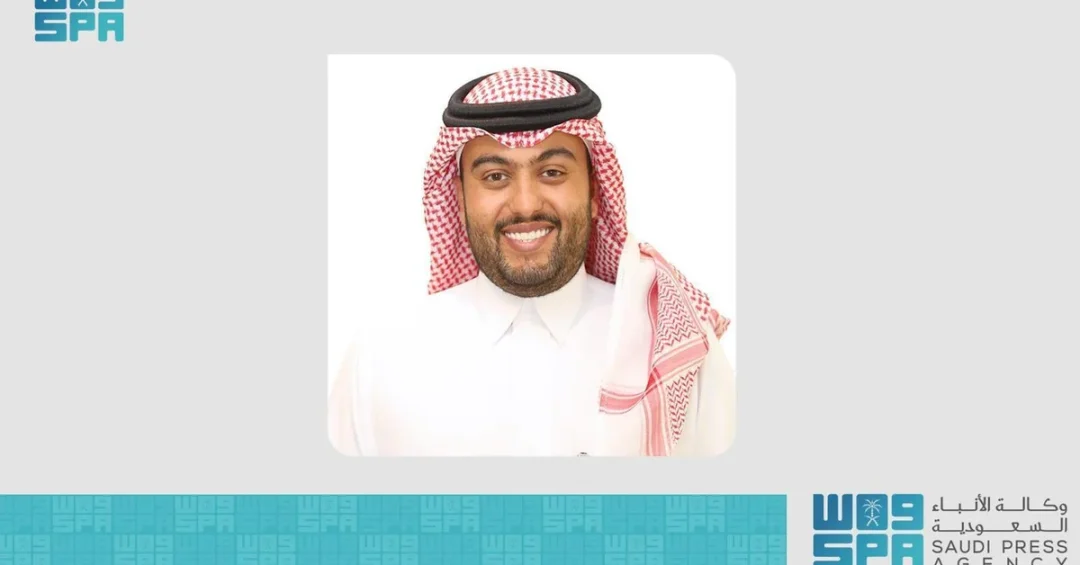
Khalid bin Abdullah Al-Bakr, CEO of the Quality of Life Program Center, presented Saudi Arabia’s rapid quality-of-life transformation at the Misk Global Forum 2024 in Riyadh, revealing that several Vision 2030 targets were achieved years ahead of schedule. Speaking during a dialogue session at the forum, Al-Bakr outlined how government-wide collaboration has reshaped daily life in the Kingdom since Vision 2030 was launched in 2016, with human well-being and youth empowerment placed at the center of national planning. The session, reported by the Saudi Press Agency, highlighted milestones including the early achievement of the 100 million tourist visit target and the inscription of eight Saudi sites on the UNESCO World Heritage List in 2024 — six years before the original deadline.
What does it take for a nation to redesign the daily experience of its people in under a decade? According to Al-Bakr, the answer lies in coordinated action across government entities, a clear set of measurable targets, and a deliberate focus on young people as both beneficiaries and drivers of change. His remarks at the Misk Global Forum, an annual gathering that brings together young leaders, entrepreneurs, and policymakers from around the world, positioned the Quality of Life Program as one of the most visible engines of Vision 2030 — translating high-level strategy into parks, festivals, sports leagues, cultural venues, and tourism infrastructure that residents and visitors encounter every day. For an international audience, the session offered a rare, first-hand account of how Saudi Arabia measures and reports progress on its national transformation agenda.
Context and Background
How did the Quality of Life Program become one of the defining pillars of Saudi Arabia’s national transformation? Launched in 2018 as one of the Vision 2030 Realization Programs, it was designed to operationalize the ambitious social and cultural goals set out when Crown Prince Mohammed bin Salman announced Vision 2030 in April 2016. Its mandate spans arts and entertainment, sports, tourism, urban development, and community participation — areas that directly shape how citizens and residents experience their cities, their free time, and their cultural identity. The program works alongside other realization programs, including the Public Investment Fund Program, the National Transformation Program, and the Human Capability Development Program, under the oversight of the Council of Economic and Development Affairs.
Before Vision 2030, Saudi Arabia’s entertainment, tourism, and cultural sectors were comparatively underdeveloped relative to the Kingdom’s economic weight. Cinemas were absent for decades, international sporting and cultural events were rare, and tourism was dominated almost entirely by religious pilgrimage. The Quality of Life Program was created to change that trajectory by setting concrete targets: increasing household spending on culture and entertainment, expanding sports participation, raising the number of UNESCO World Heritage sites, growing tourist visits, and improving urban green space. These targets were embedded in the Vision 2030 framework and are tracked publicly, giving the program a level of accountability unusual among national development initiatives.
Al-Bakr’s appearance at the Misk Global Forum is significant because the forum itself is a product of the same philosophy. Established by the Mohammed bin Salman Foundation (Misk), the forum convenes young people to discuss the future of work, society, and leadership. That the CEO of a major government realization program chose this platform to discuss quality-of-life achievements underscores how closely the program’s messaging is tied to youth engagement — a core theme of both Vision 2030 and the forum itself.
Key Details
What concrete results did Al-Bakr highlight, and why do they matter? The most striking figure was tourism. Vision 2030 originally set a target of 100 million tourist visits annually by 2030. According to Al-Bakr, that target was reached in 2023 — seven years early — through the combined efforts of the Ministry of Tourism and the Saudi Tourism Authority. In response, the Kingdom revised its 2030 ambition upward to 150 million visits. The early achievement reflects a rapid expansion of tourism infrastructure, including new international flight routes, simplified visa processes, the development of destinations such as AlUla, the Red Sea, and Diriyah, and a packed calendar of events ranging from the Riyadh Season to the Formula 1 Saudi Arabian Grand Prix.
Al-Bakr also pointed to heritage preservation as a headline success. In 2024, eight Saudi sites were inscribed on the UNESCO World Heritage List, meeting the Vision 2030 goal six years ahead of schedule. The sites span the Kingdom’s diverse history, from ancient rock art and Nabataean tombs to historic urban quarters and geological formations. This achievement matters beyond prestige: UNESCO listing brings international recognition, supports tourism development, and reinforces national pride in a shared cultural inheritance. It also demonstrates that modernization and heritage conservation are being pursued together rather than in tension — a balance the Quality of Life Program explicitly promotes.
Beyond these measurable milestones, Al-Bakr emphasized the collaborative model behind the results. Government entities, he said, are working in an integrated way to foster a quality of life centered on human well-being and youth engagement. That collaboration is visible in initiatives such as the expansion of sports facilities and community centers, the growth of the entertainment sector through the General Entertainment Authority, and urban beautification projects that add parks, walkways, and public art to Saudi cities. Each initiative is designed not only to improve daily life but to increase societal vitality — a phrase that captures the program’s ambition to make Saudi society more active, creative, and connected.
International and Regional Impact
How do Saudi Arabia’s domestic quality-of-life gains resonate beyond its borders? The tourism milestone is the clearest example. By welcoming more than 100 million visits in 2023 and setting a 150 million target for 2030, the Kingdom has positioned itself as one of the fastest-growing tourism markets in the world. For regional neighbors, this represents both competition and opportunity: Saudi Arabia’s investment in hospitality, aviation, and entertainment is expanding the overall market for travel in the Middle East, while its scale gives it increasing influence over regional tourism flows. International hotel groups, airlines, event organizers, and cultural institutions have responded by deepening their presence in the Kingdom.
The UNESCO inscriptions carry similar international weight. World Heritage status places Saudi sites alongside globally recognized landmarks, attracting visitors and researchers while strengthening people-to-people ties. It also supports Saudi Arabia’s broader cultural diplomacy, which includes hosting international exhibitions, film festivals, and sporting events. For an international audience, these developments signal that the Kingdom is not only opening up economically but also presenting its heritage and contemporary culture on the world stage. Regional observers note that Saudi Arabia’s cultural and tourism momentum is reshaping perceptions of the Middle East as a destination, and that the Kingdom’s approach — combining preservation with accessibility — offers a model that other countries in the region are watching closely.
Economic and Strategic Significance
Why does quality of life matter economically, not just socially? The Quality of Life Program is closely tied to Saudi Arabia’s economic diversification agenda. A vibrant entertainment, tourism, and cultural sector creates jobs, attracts private investment, and reduces reliance on hydrocarbon revenue. The tourism sector alone is projected to contribute a growing share of GDP and to employ hundreds of thousands of Saudis in the coming decade. By improving urban amenities and public spaces, the program also helps cities compete for talent and investment — a consideration that matters as the Kingdom develops giga-projects such as NEOM and expands its financial and technology sectors.
Strategically, the program supports social stability and national cohesion. When citizens and residents have access to sports, culture, and recreation, the benefits extend to public health, productivity, and community trust. The emphasis on youth is particularly important: with a majority of the population under 35, Saudi Arabia’s long-term prosperity depends on giving young people opportunities to participate in the economy, express their creativity, and shape their communities. Al-Bakr’s message at the Misk Global Forum — that government entities are working together to enhance societal vitality — reflects a recognition that economic transformation and social transformation must advance together. The early achievement of tourism and heritage targets suggests that this integrated approach is producing results at a pace that has surprised many international observers.
Vision 2030 Alignment
How do these achievements fit into the larger Vision 2030 picture? The Quality of Life Program is one of the primary vehicles for the vision’s social objectives, which sit alongside economic goals such as diversifying revenue, expanding the private sector, and increasing women’s participation in the workforce. The program’s targets — from tourist visits to UNESCO listings to sports participation — are embedded in the Vision 2030 framework and reviewed regularly, ensuring that progress is measured and communicated. Al-Bakr’s presentation at the Misk Global Forum served as a public progress report, demonstrating that the Kingdom’s transformation is not a distant aspiration but an ongoing reality with verifiable milestones.
Looking ahead, the upward revision of the tourism target to 150 million visits by 2030 signals confidence that the momentum will continue. The Kingdom is investing in new destinations, expanding airport capacity, and hosting global events that keep Saudi Arabia in the international spotlight. For young Saudis, the message from the Misk Global Forum is that their ambitions are central to the national project. As Vision 2030 moves toward its 2030 horizon, the Quality of Life Program’s record of early delivery suggests that Saudi Arabia’s approach — ambitious targets, cross-government collaboration, and a focus on human well-being — will remain a defining feature of the Kingdom’s global role for years to come.
20 Questions
Q1. Who is Khalid bin Abdullah Al-Bakr?
A1. Khalid bin Abdullah Al-Bakr is the CEO of the Quality of Life Program Center, one of the Vision 2030 Realization Programs. He oversees initiatives spanning entertainment, sports, tourism, culture, and urban development.
Q2. What was the Misk Global Forum 2024?
A2. The Misk Global Forum 2024 is an annual gathering organized by the Mohammed bin Salman Foundation (Misk). It brings together young leaders, entrepreneurs, and policymakers to discuss the future of work, society, and leadership.
Q3. What did Al-Bakr discuss at the forum?
A3. He discussed the transformative advancements in quality of life in Saudi Arabia since Vision 2030 launched. He also highlighted the vision’s role in empowering youth to achieve their ambitions.
Q4. What is the Quality of Life Program?
A4. It is a Vision 2030 Realization Program launched in 2018. It aims to improve daily life through arts, entertainment, sports, tourism, urban development, and community participation across the Kingdom.
Q5. Which tourism target was achieved early?
A5. The target of 100 million tourist visits annually by 2030 was reached in 2023, seven years early. The Ministry of Tourism and the Saudi Tourism Authority drove this achievement.
Q6. What is the revised tourism target for 2030?
A6. After reaching 100 million visits in 2023, Saudi Arabia revised its 2030 target upward to 150 million tourist visits. This reflects confidence in continued growth.
Q7. How many Saudi sites joined the UNESCO World Heritage List in 2024?
A7. Eight Saudi sites were inscribed on the UNESCO World Heritage List in 2024. This met the Vision 2030 goal six years ahead of schedule.
Q8. Why is UNESCO recognition important?
A8. It brings international recognition, supports tourism, and reinforces national pride in Saudi heritage. It shows modernization and heritage conservation can advance together.
Q9. How does the program empower youth?
A9. It creates opportunities in entertainment, sports, culture, and tourism. It also supports youth engagement in community life, helping young Saudis pursue their ambitions under Vision 2030.
Q10. What role do government entities play?
A10. Multiple government entities collaborate to deliver quality-of-life initiatives. Their integrated work focuses on human well-being and societal vitality, as Al-Bakr emphasized at the forum.
Q11. What is the Misk Foundation?
A11. The Mohammed bin Salman Foundation (Misk) supports youth empowerment through education, entrepreneurship, and leadership programs. It organizes the Misk Global Forum annually.
Q12. Why is quality of life linked to economic growth?
A12. A vibrant entertainment and tourism sector creates jobs and attracts investment. Improved urban amenities also help cities compete for talent and support economic diversification.
Q13. What are some Vision 2030 tourism destinations?
A13. Key destinations include AlUla, the Red Sea Project, Diriyah, and NEOM. These projects combine heritage, luxury tourism, and modern infrastructure to attract international visitors.
Q14. How does the program support Saudi culture?
A14. It promotes arts, heritage, and entertainment through festivals, venues, and preservation projects. UNESCO listings and cultural events showcase Saudi heritage to the world.
Q15. What does societal vitality mean?
A15. Societal vitality refers to a more active, creative, and connected society. The program aims to increase participation in sports, culture, and community activities across the Kingdom.
Q16. How does the program benefit international audiences?
A16. It opens Saudi Arabia to global tourism, cultural exchange, and sporting events. International visitors can experience new destinations, heritage sites, and entertainment offerings.
Q17. What is the significance of early target achievement?
A17. Meeting targets years ahead of schedule demonstrates effective planning and execution. It strengthens confidence in Vision 2030 and supports upward revisions of national goals.
Q18. What sectors does the Quality of Life Program cover?
A18. It covers arts and entertainment, sports, tourism, urban development, and community participation. These areas directly shape how citizens and residents experience daily life.
Q19. How does the program align with Vision 2030?
A19. It delivers the vision’s social objectives alongside economic goals. Its targets are embedded in the Vision 2030 framework and tracked publicly for accountability.
Q20. What is next for Saudi Arabia’s quality-of-life agenda?
A20. The Kingdom will pursue the revised 150 million tourist visit target and continue expanding cultural, sports, and urban initiatives. Youth engagement remains central to the next phase of Vision 2030.
Reader Feedback
We value your thoughts. Please share your feedback on this article.
Your feedback helps us improve our coverage.
Related articles
 King Salman Chairs Cabinet Session on Diplomacy, Economy
 Arab League to Convene Conference on Palestinian Child Rights in Jordan Tomorrow
 Saudi Delegation Shines at UN World Data Forum, Riyadh to Host 2026
 Saudi-Chinese-Iranian Committee Meets in Riyadh
 Arab Parliament Strengthens Ties with China After Riyadh Summit
 Third Saudi International Maritime Forum Opens with Global Participation