


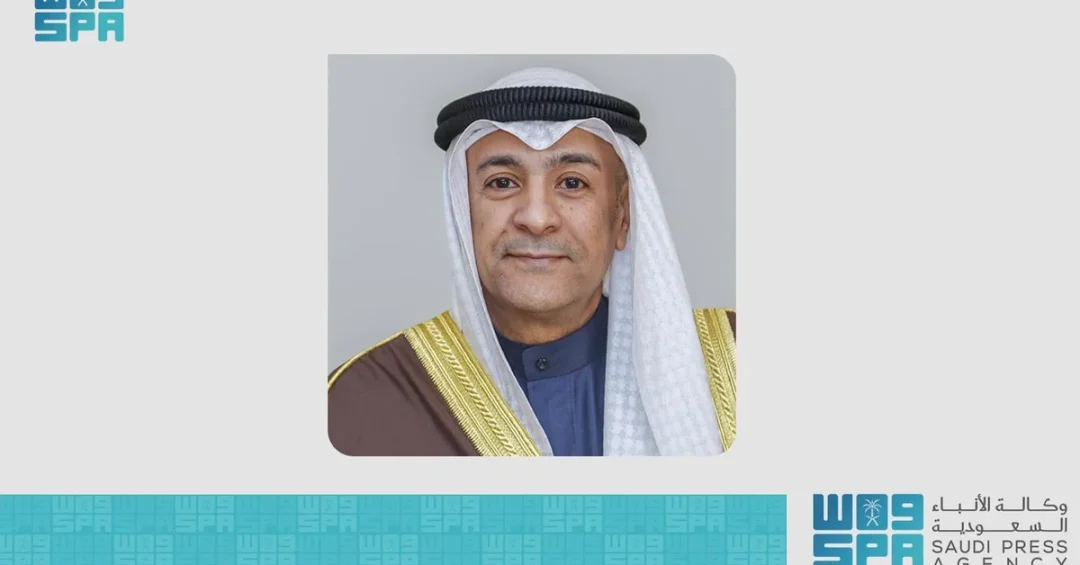
Riyadh, November 19, 2024 — The Secretary General of the Gulf Cooperation Council (GCC), Jasem Mohamed Albudaiwi, praised the defense ministries of the GCC member states for their efforts to strengthen the exchange of expertise and experience, describing such cooperation as a cornerstone of regional security integration. According to a press release issued by the GCC General Secretariat, Albudaiwi made these remarks while delivering the opening address at the first workshop of the GCC Armed Forces Security Working Group, held on November 19–20 at the GCC General Secretariat headquarters in Riyadh. The event brought together senior officers from the armed forces of the GCC member states, alongside several assistant secretaries and sector officials from the General Secretariat. The workshop represents a practical step toward deeper defense coordination among the six member states: the Kingdom of Saudi Arabia, the United Arab Emirates, the State of Qatar, the State of Kuwait, the Kingdom of Bahrain, and the Sultanate of Oman.
In a region where shared challenges increasingly demand collective responses, the gathering underscored the GCC’s enduring role as a platform for security dialogue and joint planning. Albudaiwi stressed that workshops of this kind contribute directly to strengthening defense and security integration among member countries, thereby increasing the readiness of the armed forces to face common challenges. The two-day event was designed not merely as a discussion forum but as a working session intended to produce recommendations and a unified action plan for the armed forces of the GCC states. The presence of senior military officers and civilian officials from across the Gulf signaled a high level of institutional commitment to the initiative.
Context and Background
Why has the GCC placed such emphasis on military and security cooperation at this particular moment? The answer lies in the evolving strategic environment of the Gulf region, where traditional and emerging threats alike require coordinated preparedness. Since its founding in 1981, the Gulf Cooperation Council has served as a political and economic union of Arab states bordering the Persian Gulf, with defense and security cooperation enshrined among its core objectives. Over the decades, the Council has developed joint military exercises, shared early-warning mechanisms, and consultative frameworks that allow member states to align their defense postures. The establishment of the GCC Armed Forces Security Working Group builds on this legacy, creating a dedicated technical track for security professionals to exchange knowledge and harmonize procedures.
The first workshop of the working group is significant because it institutionalizes a new layer of cooperation. Rather than relying solely on periodic summits or ad hoc consultations, the working group provides a standing mechanism for military and security specialists to meet, review common concerns, and draft actionable recommendations. According to the GCC General Secretariat, the workshop featured speakers from the armed forces of the GCC member states, who addressed military and security topics of interest to the GCC nations. This format ensures that the expertise resides not only in headquarters but is shared across ranks and services, enriching the collective knowledge base of the Gulf armed forces.
Albudaiwi expressed gratitude to GCC Assistant Secretary General for Military Affairs Major General pilot Issa bin Rashid Al Mohannadi and to the personnel involved in organizing the workshop. He noted that the event is important because it enables the sharing of experience and the enrichment of military content, and because it yields recommendations and a unified action plan for the armed forces of the GCC states. The acknowledgment of Major General Al Mohannadi’s role highlights the institutional leadership behind the initiative, while the reference to a unified action plan points to a concrete outcome that will guide future cooperation.
Key Details of the Workshop
What exactly did the first workshop of the GCC Armed Forces Security Working Group set out to achieve? According to the official press release, the event was held on November 19–20 at the GCC General Secretariat in Riyadh. It was attended by senior officers from the GCC member states, along with several assistant secretaries and sector officials from the General Secretariat. This mix of military and civilian participants reflects the comprehensive nature of modern security cooperation, which spans operational planning, defense policy, and administrative coordination. The workshop’s agenda covered military and security topics of interest to the GCC nations, with speakers drawn from the armed forces of the member states.
The Secretary General’s opening speech framed the workshop as part of a broader effort to boost the exchange of experience among defense ministries. He emphasized that such exchanges contribute to strengthening defense and security integration, which in turn increases the readiness of the armed forces to face common challenges. This linkage between knowledge-sharing and operational readiness is central to the GCC’s approach: by learning from one another, member states can avoid duplication, adopt best practices, and respond more effectively to shared threats. The workshop also aimed to produce recommendations and a unified action plan, ensuring that the discussions translate into practical steps.
The presence of senior officers from all six member states signals a collective recognition that security is a shared responsibility. While each GCC state maintains its own armed forces and defense policies, the working group provides a venue where common interests can be identified and joint approaches developed. The fact that the workshop was held at the GCC General Secretariat in Riyadh, the organization’s headquarters, further underscores the institutional weight behind the initiative. The event was not a one-off conference but the first in what is expected to be a series of working sessions, each building on the last to deepen integration.
International and Regional Impact
How does deeper GCC defense cooperation resonate beyond the Gulf? The workshop and the broader efforts it represents contribute to regional stability in a part of the world that is vital to global energy supplies and international trade. By enhancing the readiness and interoperability of their armed forces, GCC member states strengthen their capacity to protect critical infrastructure, secure maritime routes, and respond to emergencies. This has direct implications for international partners, including major energy importers and shipping nations, who benefit from a stable and secure Gulf. The GCC’s emphasis on exchanging expertise also aligns with global trends toward multinational security cooperation, where sharing knowledge and resources is seen as more effective than isolated national efforts.
Within the region, the initiative reinforces the GCC’s role as a unifying framework. The participation of senior officers from all member states demonstrates that defense ministries are committed to working through the Council to address common challenges. This unity of purpose can deter potential threats and reassure civilian populations. Moreover, the workshop’s focus on military and security topics of interest to the GCC nations allows member states to tailor their cooperation to the specific threats they face, whether in the realm of border security, maritime defense, or counterterrorism. The recommendations and unified action plan that emerge from the workshop will provide a roadmap for future collaboration, potentially leading to joint training programs, shared intelligence assessments, and coordinated responses to crises.
Economic and Strategic Significance
Why does military and security integration matter for the economic prosperity of the Gulf? The GCC member states are among the world’s most important producers and exporters of hydrocarbons, and their economies depend on secure land and sea routes, stable energy infrastructure, and a predictable security environment. Any disruption to these elements would have immediate and far-reaching economic consequences. By investing in defense cooperation and the exchange of expertise, the GCC states are protecting the foundations of their economic strength. The workshop’s outcomes, including a unified action plan, can help optimize defense spending by identifying areas where joint approaches yield greater efficiency than separate national efforts.
From a strategic perspective, the exchange of expertise enables the GCC armed forces to learn from one another’s experiences and adopt best practices more quickly. This is particularly valuable in fields such as cybersecurity, drone defense, and maritime security, where threats evolve rapidly and technological solutions are constantly changing. The working group format allows specialists to share lessons learned, test new concepts, and recommend adjustments to doctrine and training. Over time, this can lead to greater interoperability, meaning that GCC forces can operate more seamlessly together if the need arises. The economic benefits of such integration include reduced duplication, shared research and development costs, and a stronger collective deterrent posture that protects investment and trade.
Vision 2030 Alignment
How does the GCC’s defense cooperation agenda align with Saudi Arabia’s Vision 2030? The Kingdom’s long-term transformation plan, launched by Crown Prince Mohammed bin Salman, aims to diversify the economy, strengthen national security, and enhance Saudi Arabia’s regional and global leadership. A secure and stable Gulf is essential to achieving these goals, as it allows the Kingdom to attract investment, expand non-oil sectors, and pursue ambitious projects such as NEOM and the Red Sea development. By hosting the GCC Armed Forces Security Working Group workshop in Riyadh, Saudi Arabia demonstrates its commitment to regional security and its capacity to convene partners around shared objectives. The exchange of expertise among GCC defense ministries supports Vision 2030’s emphasis on building a resilient and advanced defense sector, contributing to the protection of the Kingdom’s achievements and the prosperity of its people.
The workshop also reflects the broader spirit of cooperation that Vision 2030 promotes, both domestically and internationally. Saudi Arabia has consistently advocated for dialogue and joint action within the GCC, recognizing that the challenges of the twenty-first century are best met collectively. The recommendations and unified action plan that emerge from the working group will help translate this vision into concrete measures, enhancing the readiness of the GCC armed forces and reinforcing the region’s security architecture. As the GCC continues to adapt to new threats and opportunities, the efforts praised by Secretary General Jasem Mohamed Albudaiwi serve as a model of how member states can work together to safeguard their common interests and contribute to a stable and prosperous Gulf.
20 Questions
Q1. What did GCC Secretary General Jasem Mohamed Albudaiwi commend?
A1. He commended the defense ministries of the GCC member states for their efforts to boost the exchange of expertise and experience, highlighting their role in strengthening defense and security integration.
Q2. When and where was the first workshop of the GCC Armed Forces Security Working Group held?
A2. The workshop was held on November 19–20, 2024, at the GCC General Secretariat in Riyadh, Saudi Arabia, bringing together senior officers and officials from member states.
Q3. Who attended the workshop?
A3. Senior officers from the GCC member states attended, along with several assistant secretaries and sector officials from the GCC General Secretariat, reflecting broad institutional participation.
Q4. What is the purpose of the GCC Armed Forces Security Working Group?
A4. The working group aims to facilitate the exchange of experience, enrich military content, and develop recommendations and a unified action plan for the armed forces of the GCC states.
Q5. How do such workshops contribute to GCC defense integration?
A5. They enable member states to share best practices, align procedures, and enhance interoperability, thereby strengthening defense and security integration and increasing the readiness of the armed forces.
Q6. Which countries are members of the Gulf Cooperation Council?
A6. The GCC comprises Saudi Arabia, the United Arab Emirates, Qatar, Kuwait, Bahrain, and Oman, all of which participated in the workshop through their armed forces representatives.
Q7. Who did Albudaiwi thank for organizing the workshop?
A7. He thanked GCC Assistant Secretary General for Military Affairs Major General pilot Issa bin Rashid Al Mohannadi and the personnel involved in organizing the event for their efforts.
Q8. What topics were discussed at the workshop?
A8. Military and security topics of interest to the GCC nations were discussed, with speakers from the armed forces of the member states sharing their expertise and insights.
Q9. What outcomes are expected from the workshop?
A9. The workshop aimed to produce recommendations and a unified action plan for the armed forces of the GCC states, guiding future cooperation and joint efforts.
Q10. Why is the exchange of expertise important for GCC armed forces?
A10. It allows them to learn from one another, adopt best practices, avoid duplication, and enhance their collective ability to face common security challenges effectively.
Q11. How does this workshop fit into the GCC’s broader security framework?
A11. It institutionalizes a new layer of technical cooperation, complementing existing joint exercises and consultative mechanisms to deepen defense integration among member states.
Q12. What role does Saudi Arabia play in hosting such events?
A12. As the host of the GCC General Secretariat in Riyadh, Saudi Arabia provides the logistical and institutional platform for these gatherings, demonstrating its commitment to regional security.
Q13. How does the workshop benefit regional stability?
A13. By enhancing the readiness and coordination of GCC armed forces, it contributes to a more stable and secure Gulf region, which is vital for global energy supplies and trade.
Q14. What is the significance of a unified action plan?
A14. A unified action plan translates discussions into concrete steps, ensuring that member states align their efforts and resources toward common security objectives.
Q15. How does this initiative align with Saudi Vision 2030?
A15. Vision 2030 emphasizes national security and regional leadership; deeper GCC defense cooperation supports these goals by protecting the Kingdom’s achievements and fostering a stable environment for economic diversification.
Q16. What kind of expertise is shared in these workshops?
A16. Expertise related to military and security topics, including operational planning, defense policy, and administrative coordination, is shared among senior officers and officials.
Q17. How often does the GCC Armed Forces Security Working Group meet?
A17. The workshop is the first of its kind; future meetings are expected to build on its outcomes, though the exact schedule has not been announced.
Q18. What message does Albudaiwi’s praise send to member states?
A18. It reinforces the value of their efforts and encourages continued collaboration, highlighting the GCC’s role as a unifying platform for defense and security cooperation.
Q19. How can the exchange of experience increase armed forces readiness?
A19. By learning from each other’s successes and challenges, armed forces can improve training, adopt effective tactics, and enhance their ability to respond to shared threats.
Q20. What does the workshop indicate about the future of GCC defense cooperation?
A20. It signals a growing trend toward deeper institutionalized cooperation, with member states committed to working together to address common challenges and strengthen regional security.
Reader Feedback
We value your thoughts. Please share your feedback on this article.
Your feedback helps us improve our coverage.
Related articles
 Misk Global Forum 2024 Launches Third Edition of Global Youth Index
 GAMI Shines at 3rd Saudi International Maritime Forum
 GADD Concludes Airshow China Participation
 Quality of Life Program CEO Highlights Vision 2030 Wins at Misk Forum
 King Salman Chairs Cabinet Session on Diplomacy, Economy
 Arab League to Convene Conference on Palestinian Child Rights in Jordan Tomorrow