


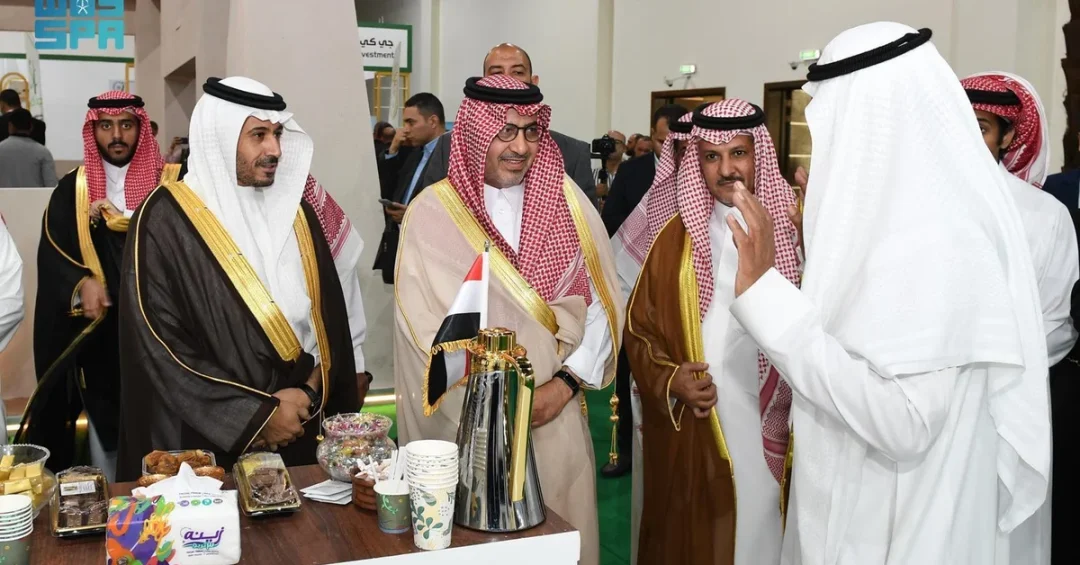
Saudi Ambassador to Egypt Saleh bin Eid Al-Husseini attended the Egypt International Dates Forum and Exhibition in Cairo on November 20-21, 2024, underscoring the Kingdom’s expanding role in the global dates trade and its commitment to deepening economic ties with Egypt. The event, held in the Egyptian capital, brought together date producers, exporters, and international food importers, with Saudi Arabia represented by the National Center for Palms and Dates (NCPD) and 12 leading Saudi companies specializing in date production and cultivation. The ambassador’s presence signals the strategic importance Riyadh places on agricultural exports as a pillar of its economic diversification agenda under Saudi Vision 2030.
What does it take for a nation to turn a traditional crop into a globally competitive export industry? For Saudi Arabia, the answer lies in a deliberate combination of institutional support, private-sector innovation, and international market engagement. The Cairo forum provided a platform for Saudi date producers to showcase a diverse range of products and by-products, from premium whole dates to processed goods such as date paste, syrup, and confectionery ingredients. These offerings align with the Kingdom’s efforts to enhance its national export system, a key objective of Vision 2030, which seeks to reduce dependence on oil revenues and build a more resilient, diversified economy. The participation of 12 Saudi companies alongside the NCPD reflects a coordinated national strategy to position Saudi dates as a premium product in global markets.
Context and Background
Why has the dates sector become such a focal point for Saudi Arabia’s economic diplomacy? The Kingdom is one of the world’s largest producers and exporters of dates, with a rich heritage of palm cultivation that dates back thousands of years. The National Center for Palms and Dates, a government body established to develop the sector, has been instrumental in modernizing production, improving quality standards, and opening new export channels. Saudi dates, particularly the renowned Ajwa and Sukkari varieties, are increasingly sought after in international markets for their quality and nutritional value. The Cairo exhibition, now in its latest edition, is a key event on the regional agricultural calendar, attracting participants from across the Arab world and beyond.
The forum’s timing is significant. It comes as Saudi Arabia accelerates its non-oil export strategy, with agriculture playing a central role. The Kingdom’s dates exports have grown steadily in recent years, reaching more than 300,000 tons annually to over 100 countries. Egypt, with its large population and strategic location, represents a vital market and a gateway to North Africa. The presence of senior Egyptian officials and the Saudi commercial attaché, Anwar bin Hasusah, at the opening ceremony highlights the bilateral commitment to expanding trade. The event also fosters business-to-business meetings, enabling Saudi producers to negotiate agreements with major global food importers and distributors.
What makes this forum different from other trade exhibitions? It is not merely a showcase but a working platform for deal-making. The NCPD’s participation is part of a broader effort to enhance the national export system, which includes logistical support, quality certification, and marketing campaigns. Saudi companies at the event presented not only raw dates but also value-added products, reflecting a shift toward higher-margin exports. This aligns with Vision 2030’s goal of increasing the contribution of non-oil sectors to GDP and creating jobs for Saudi citizens. The dates industry supports thousands of farmers and workers across the Kingdom, from the palm groves of Al-Ahsa and Al-Qassim to processing facilities in Riyadh and Jeddah.
Key Details of the Cairo Exhibition
What exactly transpired at the Egypt International Dates Forum and Exhibition? Held from November 20 to 21 in Cairo, the event gathered a collective group of Arab firms specializing in date production and cultivation. The Saudi pavilion, organized by the NCPD, featured 12 prominent companies that presented a wide array of date products and by-products. These included traditional dates, stuffed dates, date bars, date syrup, and date-based sweeteners, catering to diverse consumer preferences. The companies also highlighted innovative packaging and branding, aimed at appealing to international buyers. The forum’s agenda included seminars on market trends, sustainability in palm cultivation, and the role of technology in improving yields and quality.
Ambassador Al-Husseini toured the exhibition and met with Saudi exhibitors, praising their efforts to promote Saudi dates globally. He emphasized the importance of such events in strengthening economic ties between Saudi Arabia and Egypt, two brotherly nations with deep historical and cultural connections. The ambassador’s visit underscores the diplomatic weight attached to agricultural trade, which is a growing component of Saudi-Egyptian relations. The commercial attaché, Anwar bin Hasusah, also attended, facilitating introductions between Saudi companies and potential Egyptian and international buyers. Several senior Egyptian officials were present at the opening ceremony, signaling Egypt’s interest in expanding imports of high-quality Saudi dates.
How do these exhibitions translate into tangible outcomes? The forum is designed to foster trade agreements and partnerships between date producers and major global food importers. Saudi companies engaged in direct negotiations with distributors from Egypt, the Gulf, Europe, and Asia. Preliminary discussions covered supply contracts, joint ventures, and distribution agreements. While specific deals are typically announced after the event, the NCPD reported strong interest in Saudi products, particularly organic and premium varieties. The exhibition also provided a venue for knowledge exchange, with Saudi experts sharing best practices in sustainable farming, water management, and post-harvest handling. These interactions help Saudi producers align with international standards and consumer trends.
International and Regional Impact
Why should the international community pay attention to Saudi Arabia’s dates diplomacy? The Kingdom’s growing role in the global dates market has implications beyond agriculture. It represents a model of economic diversification that other oil-dependent economies can emulate. By leveraging its natural advantages and cultural heritage, Saudi Arabia is building a resilient export sector that creates jobs and generates foreign exchange. The Cairo forum also strengthens regional integration, as Arab countries collaborate to enhance food security and trade. Egypt, as the host, benefits from access to high-quality Saudi dates and from the opportunity to showcase its own date industry. The event fosters a spirit of cooperation that aligns with the broader goals of the Arab League and other regional bodies.
What does this mean for global food importers? They gain access to a reliable source of premium dates from a country known for its stringent quality control and sustainable practices. Saudi dates are increasingly recognized for their nutritional benefits, including high fiber and antioxidant content. The Kingdom’s investment in modern processing facilities and cold-chain logistics ensures that products reach international markets in optimal condition. Moreover, Saudi Arabia’s participation in such forums demonstrates its commitment to open trade and international partnership, values that resonate with global businesses. The NCPD’s efforts to promote Saudi dates are part of a larger national export strategy that includes market intelligence, trade missions, and participation in major food fairs worldwide.
Economic and Strategic Significance
How significant is the dates sector to Saudi Arabia’s economy? While oil remains the backbone of the Kingdom’s revenues, non-oil exports are growing rapidly, and dates are among the most promising agricultural products. The sector contributes billions of riyals annually and supports rural development, particularly in regions like Al-Ahsa, which is home to the world’s largest date palm oasis and a UNESCO World Heritage site. The government has invested in research and development to improve palm varieties, combat pests, and enhance irrigation efficiency. These efforts have boosted yields and quality, making Saudi dates competitive on the world stage. The Cairo exhibition is a testament to the sector’s maturity and its readiness to scale up exports.
What strategic advantages does Saudi Arabia enjoy in this domain? The Kingdom’s location at the crossroads of Europe, Asia, and Africa facilitates access to key markets. Its membership in the Gulf Cooperation Council (GCC) and strong ties with Arab nations provide preferential trade arrangements. Furthermore, the dates industry aligns with Vision 2030’s objectives of economic diversification, job creation, and sustainable development. By promoting dates, Saudi Arabia also preserves its cultural heritage, as the palm tree has deep symbolic meaning in Saudi society. The NCPD’s work in organizing Saudi participation in international exhibitions is a key element of the national export system, which aims to increase non-oil exports as a percentage of GDP. The Cairo forum, therefore, is not just a trade show but a strategic platform for advancing the Kingdom’s economic interests.
Vision 2030 Alignment
How does the Cairo exhibition connect to Saudi Vision 2030? The Vision, launched in 2016 by Crown Prince Mohammed bin Salman, seeks to transform the Kingdom into a diversified, innovative economy. The dates sector exemplifies this transformation: it combines traditional agriculture with modern technology, creates employment, and earns foreign currency. The NCPD’s participation in the Egypt International Dates Forum is a direct manifestation of the Vision’s goal to boost non-oil exports. By supporting Saudi companies in international markets, the government is helping them compete globally and build lasting partnerships. The event also reinforces Saudi Arabia’s role as a leader in the Arab world, using economic cooperation to strengthen diplomatic ties.
What comes next for Saudi dates on the global stage? The momentum from Cairo is expected to carry into future exhibitions and trade missions. The NCPD plans to continue supporting exporters through marketing campaigns, quality assurance, and logistical assistance. As global demand for healthy, natural foods rises, Saudi dates are well-positioned to capture a larger share of the market. The Kingdom’s commitment to Vision 2030 ensures that agriculture will remain a priority, with dates serving as a flagship product. The ambassador’s visit to the Cairo forum is a clear signal that Saudi Arabia is serious about expanding its economic footprint and building bridges with nations around the world. In the years ahead, Saudi dates will likely become even more prominent in international markets, contributing to the Kingdom’s prosperity and global standing.
20 Questions
Q1. What event did the Saudi Ambassador to Egypt attend?
A1. Ambassador Saleh bin Eid Al-Husseini attended the Egypt International Dates Forum and Exhibition in Cairo on November 20-21, 2024, which showcased date products from Saudi Arabia and other Arab countries.
Q2. Who represented Saudi Arabia at the exhibition?
A2. The National Center for Palms and Dates (NCPD) led the Saudi participation, accompanied by 12 prominent Saudi companies specializing in date production and cultivation, presenting a variety of date products and by-products.
Q3. What is the National Center for Palms and Dates?
A3. The NCPD is a Saudi government body dedicated to developing the palm and dates sector, enhancing production, quality, and exports in line with Saudi Vision 2030 objectives.
Q4. Why is the dates sector important to Saudi Arabia?
A4. Dates are a key non-oil export, supporting rural development, job creation, and economic diversification. Saudi Arabia is one of the world’s largest date producers, with a rich heritage of palm cultivation.
Q5. What products did Saudi companies showcase?
A5. Saudi companies presented diverse date products including whole dates, stuffed dates, date paste, syrup, and other by-products, highlighting innovation and quality for international markets.
Q6. How does this exhibition support Saudi Vision 2030?
A6. It aligns with Vision 2030 by boosting non-oil exports, enhancing the national export system, and promoting economic diversification, thereby reducing dependence on oil revenues.
Q7. Who else attended the opening ceremony?
A7. Several senior Egyptian officials and the commercial attaché at the Saudi embassy in Egypt, Anwar bin Hasusah, attended the opening ceremony, demonstrating bilateral interest in trade cooperation.
Q8. What is the purpose of the Egypt International Dates Forum?
A8. The forum fosters trade agreements and partnerships between date producers and major global food importers, providing a platform for networking and business deals.
Q9. How does Saudi Arabia benefit from participating in such forums?
A9. Participation helps Saudi companies access new markets, build partnerships, and showcase their products, ultimately increasing exports and contributing to the national economy.
Q10. What are some popular Saudi date varieties?
A10. Saudi Arabia is known for premium varieties such as Ajwa and Sukkari, which are sought after for their quality, taste, and nutritional value in international markets.
Q11. How many countries import Saudi dates?
A11. Saudi dates are exported to over 100 countries, with annual exports exceeding 300,000 tons, reflecting the Kingdom’s strong position in the global dates trade.
Q12. What role does the Saudi commercial attaché play?
A12. The commercial attaché facilitates trade relations, supports Saudi exporters, and identifies opportunities for business partnerships in the host country, enhancing economic diplomacy.
Q13. How does the dates industry support Saudi farmers?
A13. The industry provides income and employment for thousands of farmers, particularly in regions like Al-Ahsa and Al-Qassim, and supports rural development through government initiatives.
Q14. What is the significance of Al-Ahsa in date production?
A14. Al-Ahsa is home to the world’s largest date palm oasis, a UNESCO World Heritage site, and is a major contributor to Saudi Arabia’s date output and cultural heritage.
Q15. What are the health benefits of dates?
A15. Dates are rich in fiber, antioxidants, and natural sugars, offering energy and nutritional benefits, which makes them popular among health-conscious consumers worldwide.
Q16. How does Saudi Arabia ensure the quality of its dates?
A16. The NCPD implements quality standards, supports research and development, and promotes sustainable farming practices to ensure Saudi dates meet international requirements.
Q17. What economic impact does the dates sector have on Saudi Arabia?
A17. The sector contributes billions of riyals to the economy, creates jobs, and earns foreign currency, playing a vital role in the Kingdom’s non-oil export strategy.
Q18. How does the Cairo exhibition strengthen Saudi-Egyptian relations?
A18. It enhances economic ties through trade, fosters mutual understanding, and reinforces the historical and cultural bonds between the two brotherly nations.
Q19. What future plans does Saudi Arabia have for the dates sector?
A19. Saudi Arabia aims to further increase exports, enter new markets, and innovate in product development, supported by Vision 2030 initiatives and NCPD programs.
Q20. Why is the ambassador’s visit significant?
A20. It underscores the diplomatic importance of agricultural trade, demonstrates high-level support for Saudi exporters, and signals the Kingdom’s commitment to expanding global economic partnerships.
Reader Feedback
We value your thoughts. Please share your feedback on this article.
Your feedback helps us improve our coverage.
Related articles
 CMA Seeks Public Input on Investment Account Reforms
 ICIEC Provides $2.35 Billion Insurance Coverage to 50 IsDB Member States
 CIBAFI Holds Ninth Innovation, Technology Working Group Meeting
 Saudi Date Production Grows 11%, International Date Council Praised
 Saudi Local Content Goals Hinge on Competitive Products
 LCGPA Launches Gold Category for Saudi Made Products