


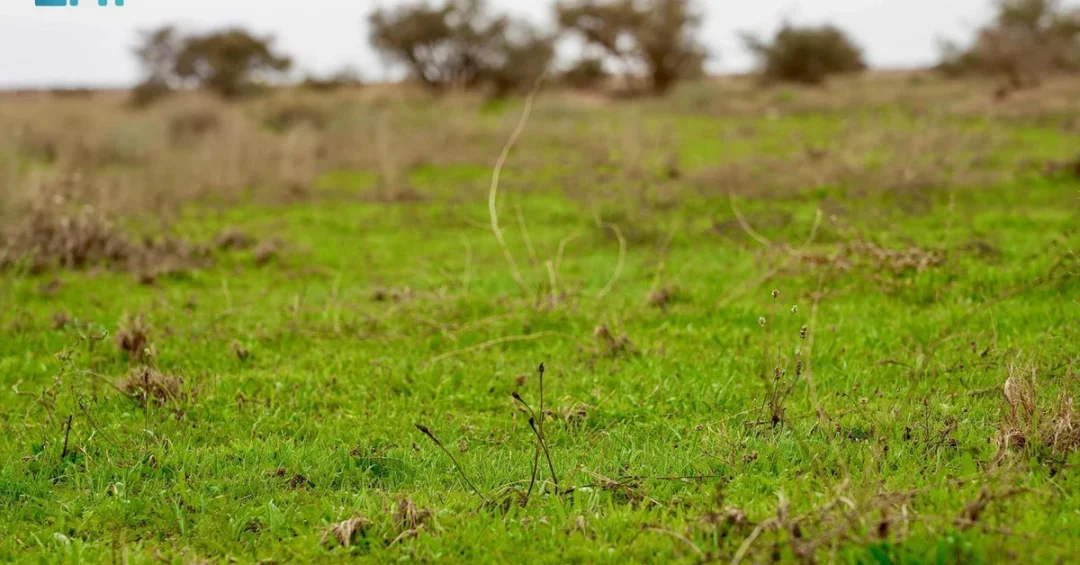
The Saudi Press Agency (SPA) has captured striking images of the spring season transforming the Umm al-‘Asafir area south of Rafha into a vibrant landscape of green plants and colorful wildflowers, according to an official report released on November 21, 2024. The photographs, published through the Kingdom’s official news channel, showcase sprawling green fields and diverse flora that have turned the northern region into a captivating natural display admired for both its beauty and fragrant scents. The seasonal bloom offers a vivid reminder of the environmental richness that exists across Saudi Arabia’s diverse landscapes, from the northern border regions to the southern highlands.
Have you ever imagined that the northern reaches of Saudi Arabia could bloom into a scene of such vivid color and life? The Umm al-‘Asafir area, located south of Rafha in the Northern Borders Province, has long been known to locals as a seasonal treasure, but the SPA’s latest visual documentation brings this natural phenomenon to a global audience. The images arrive as part of the agency’s ongoing commitment to documenting the Kingdom’s environmental and cultural heritage, reinforcing Saudi Arabia’s position as a destination of remarkable natural diversity. This coverage also aligns with broader national efforts to promote domestic tourism and environmental awareness under Vision 2030.
Context and Background
What makes the spring bloom in Umm al-‘Asafir so significant within Saudi Arabia’s wider environmental story? The area south of Rafha sits within the Northern Borders Province, a region that typically experiences arid conditions for much of the year. However, seasonal rainfall transforms the terrain, allowing native plants and wildflowers to emerge in a spectacle that has been observed for generations. The Saudi Press Agency’s documentation of this phenomenon is part of a long-standing tradition of highlighting the Kingdom’s natural beauty through official channels, giving international audiences a window into landscapes that many might not associate with the Arabian Peninsula.
The timing of the SPA report, released on November 21, 2024, reflects the agency’s role as the Kingdom’s primary source for verified news and cultural documentation. By capturing and distributing these images, SPA not only preserves a moment of seasonal beauty but also contributes to a growing archive of environmental change and resilience. The Umm al-‘Asafir bloom is not an isolated event; it is part of a broader pattern of seasonal greening that occurs across northern Saudi Arabia when rainfall conditions are favorable, supporting local ecosystems and providing grazing opportunities for pastoral communities.
How does this seasonal transformation connect to Saudi Arabia’s larger environmental and cultural identity? The Kingdom has increasingly emphasized the importance of preserving its natural heritage, recognizing that landscapes like Umm al-‘Asafir hold ecological, historical, and recreational value. The SPA’s coverage underscores a national narrative that celebrates the diversity of Saudi terrain, from the Red Sea coast to the northern plains, and encourages both citizens and international visitors to appreciate these natural wonders. This aligns with the Saudi Green Initiative and other environmental programs that seek to protect and enhance the Kingdom’s ecosystems for future generations.
Key Details
What exactly did the SPA capture in its latest visual report from Umm al-‘Asafir? The images depict green plants and colorful wildflowers spread across the area, creating a picturesque scene that the agency described as a captivating natural display. The flora is noted for its beauty and fragrant scents, adding a sensory dimension to the visual spectacle. The sprawling green fields, set against the typically arid backdrop of the northern region, form a breathtaking masterpiece that highlights the transformative power of seasonal rainfall. The SPA’s report, dated November 21, 2024, was released at 22:34 local time, equivalent to 19:34 GMT, ensuring timely distribution to international media outlets and audiences.
The documentation of Umm al-‘Asafir is consistent with SPA’s mandate to provide comprehensive coverage of events and phenomena across the Kingdom. By focusing on the natural beauty of the region, the agency also supports efforts to promote domestic tourism and environmental education. The spring bloom in this area is a seasonal occurrence that attracts local visitors and nature enthusiasts, and the SPA’s images serve as an invitation for a wider audience to discover the Northern Borders Province’s hidden gems. The report does not include specific data on visitor numbers or economic impact, but it clearly positions the area as a point of interest within Saudi Arabia’s growing tourism landscape.
Why does the SPA’s visual storytelling matter in an age of global media saturation? Official Saudi media channels like SPA play a crucial role in presenting accurate, verified information about the Kingdom’s natural and cultural assets. The Umm al-‘Asafir images are not merely aesthetic; they are part of a strategic communication effort to showcase Saudi Arabia’s environmental diversity and its commitment to preserving these landscapes. This approach aligns with the National Transformation Program and Vision 2030’s quality-of-life objectives, which aim to enhance the Kingdom’s appeal as a destination for nature tourism and outdoor recreation.
International and Regional Impact
How might the SPA’s coverage of Umm al-‘Asafir resonate beyond Saudi Arabia’s borders? For international audiences, the images offer a counterpoint to common perceptions of the Arabian Peninsula as solely a desert landscape. The vibrant spring bloom demonstrates that Saudi Arabia possesses a rich tapestry of ecosystems, from mountainous regions to fertile plains, that can surprise and delight visitors. This visual evidence supports the Kingdom’s tourism messaging, which seeks to attract travelers interested in nature, adventure, and cultural discovery. Regional neighbors and global observers may also take note of Saudi Arabia’s environmental stewardship, as the documentation of seasonal flora underscores the importance of preserving these natural cycles.
What role does such coverage play in Saudi Arabia’s diplomatic and soft-power outreach? By sharing images of its natural beauty through official channels, the Kingdom presents itself as a country of diverse attractions and welcoming landscapes. This contributes to the broader narrative of a modern, open Saudi Arabia that is eager to engage with the world. The SPA’s report is a small but meaningful piece of that narrative, reminding international audiences that the Kingdom’s transformation under Vision 2030 extends to environmental appreciation and tourism development. It also highlights the Northern Borders Province as a region with untapped potential for eco-tourism and cultural exchange.
Economic and Strategic Significance
Could the seasonal bloom in Umm al-‘Asafir have implications for local economic development? While the SPA report focuses on natural beauty, the underlying message supports Saudi Arabia’s efforts to diversify its economy through tourism and recreation. The Northern Borders Province, with its unique landscapes, can attract domestic and international visitors seeking authentic nature experiences. This aligns with Vision 2030’s goal of increasing tourism’s contribution to GDP and creating job opportunities in hospitality, guiding, and related services. The documentation of such sites by SPA helps raise their profile, potentially encouraging investment in infrastructure and services that benefit local communities.
What strategic value does environmental documentation hold for Saudi Arabia’s long-term planning? By systematically recording seasonal phenomena like the Umm al-‘Asafir bloom, Saudi agencies build a valuable database for environmental monitoring and climate research. This information can inform policies related to water management, biodiversity conservation, and sustainable land use. The SPA’s role in this process is both journalistic and archival, ensuring that the Kingdom’s natural heritage is recognized and protected. As Saudi Arabia pursues the goals of the Saudi Green Initiative, such records become essential tools for measuring progress and understanding ecological trends.
Vision 2030 Alignment
How does the SPA’s capture of spring in Umm al-‘Asafir reflect the aspirations of Vision 2030? The Kingdom’s transformative blueprint emphasizes quality of life, environmental sustainability, and the promotion of Saudi Arabia as a premier destination for tourism and recreation. The images of blooming wildflowers and green fields embody these objectives by showcasing the natural beauty that exists within the Kingdom’s borders. They also support the Vision’s goal of fostering national pride and encouraging citizens and residents to explore their own country. By sharing these scenes globally, SPA contributes to the narrative of a vibrant, forward-looking Saudi Arabia that values its environment and heritage.
What does the future hold for areas like Umm al-‘Asafir as Vision 2030 progresses? As the Kingdom invests in eco-tourism, conservation, and sustainable development, regions such as the Northern Borders Province are poised to benefit from increased attention and investment. The SPA’s documentation serves as a catalyst, drawing eyes to landscapes that might otherwise remain unknown. In the coming years, improved infrastructure and promotional efforts could make Umm al-‘Asafir a sought-after destination for nature lovers, photographers, and researchers. Ultimately, the spring bloom south of Rafha is more than a seasonal spectacle; it is a symbol of Saudi Arabia’s enduring natural wealth and its commitment to sharing that wealth with the world.
20 Questions
Q1. What is Umm al-‘Asafir and where is it located?
A1. Umm al-‘Asafir is a natural area south of Rafha in the Northern Borders Province of Saudi Arabia, known for its seasonal spring blooms and diverse flora.
Q2. Who captured the images of the spring season in Umm al-‘Asafir?
A2. The Saudi Press Agency (SPA), the Kingdom’s official news agency, captured and published the images on November 21, 2024.
Q3. What makes the spring season in Umm al-‘Asafir special?
A3. The season transforms the arid landscape into green fields with colorful wildflowers, creating a picturesque scene with fragrant scents and breathtaking views.
Q4. Why is the SPA’s documentation of this area important?
A4. It highlights Saudi Arabia’s natural diversity, supports tourism promotion, and aligns with Vision 2030’s environmental and quality-of-life goals.
Q5. What types of plants and flowers are seen in the images?
A5. The SPA report mentions green plants and colorful wildflowers, though specific species are not detailed in the official release.
Q6. How does this spring bloom relate to Saudi Arabia’s climate?
A6. Seasonal rainfall in the northern region enables native plants to flourish, demonstrating the resilience of Saudi ecosystems despite generally arid conditions.
Q7. Does the Umm al-‘Asafir area attract tourists?
A7. The area is known locally for its seasonal beauty, and the SPA’s coverage may encourage domestic and international visitors interested in nature tourism.
Q8. What is the significance of the timing of the SPA report?
A8. Released on November 21, 2024, the report provides timely documentation of the spring season, which typically occurs in the cooler months in Saudi Arabia.
Q9. How does this coverage align with Vision 2030?
A9. It supports Vision 2030’s goals of promoting tourism, environmental sustainability, and showcasing Saudi Arabia’s natural and cultural heritage.
Q10. What role does the Saudi Press Agency play in environmental reporting?
A10. SPA serves as the Kingdom’s primary source for verified news, documenting natural phenomena and cultural events to inform the public and preserve records.
Q11. Are there similar spring blooms elsewhere in Saudi Arabia?
A11. Yes, various regions experience seasonal greening after rainfall, but Umm al-‘Asafir is notable for its particularly vibrant display.
Q12. How can international audiences view the SPA’s images?
A12. The images are distributed through SPA’s official channels and may be republished by media outlets, making them accessible globally.
Q13. What economic benefits could arise from promoting Umm al-‘Asafir?
A13. Increased tourism could create jobs in hospitality and guiding, supporting Vision 2030’s economic diversification goals.
Q14. Is the Umm al-‘Asafir area protected for conservation?
A14. The SPA report does not specify conservation status, but Saudi Arabia has various environmental protection initiatives under the Saudi Green Initiative.
Q15. What is the Northern Borders Province known for?
A15. The province is known for its desert landscapes, historical sites, and seasonal natural beauty, including areas like Umm al-‘Asafir.
Q16. How does the SPA ensure the accuracy of its reports?
A16. As the official Saudi news agency, SPA adheres to professional journalism standards, sourcing information from government and verified channels.
Q17. What can visitors expect to see in Umm al-‘Asafir during spring?
A17. Visitors can expect to see expansive green fields, colorful wildflowers, and experience the fragrant scents of native flora.
Q18. Does the SPA report include any statements from officials?
A18. The original report does not include official statements; it focuses on visual documentation of the natural scene.
Q19. How does this report contribute to Saudi Arabia’s global image?
A19. It showcases the Kingdom’s natural beauty, countering stereotypes and presenting a diverse, environmentally rich nation.
Q20. What is the broader significance of documenting seasonal changes in Saudi Arabia?
A20. It aids environmental monitoring, supports climate research, and highlights the importance of preserving natural heritage for future generations.
Reader Feedback
We value your thoughts. Please share your feedback on this article.
Your feedback helps us improve our coverage.
Related articles
 Saudi Arabia Leads Sustainable Tourism Push at COP29
 Saudi Tourism Minister Meets Hail Investors, Unveils SAR1B Plan
 Elephant Rock: AlUla’s Natural Marvel Draws Global Visitors
 Minister Inaugurates Ramlah Tourism Company in Hail
 Spooky Circus at Wonder District Delights Visitors in Jeddah
 Saudi Red Sea Authority Wins Japan Tourism Award