


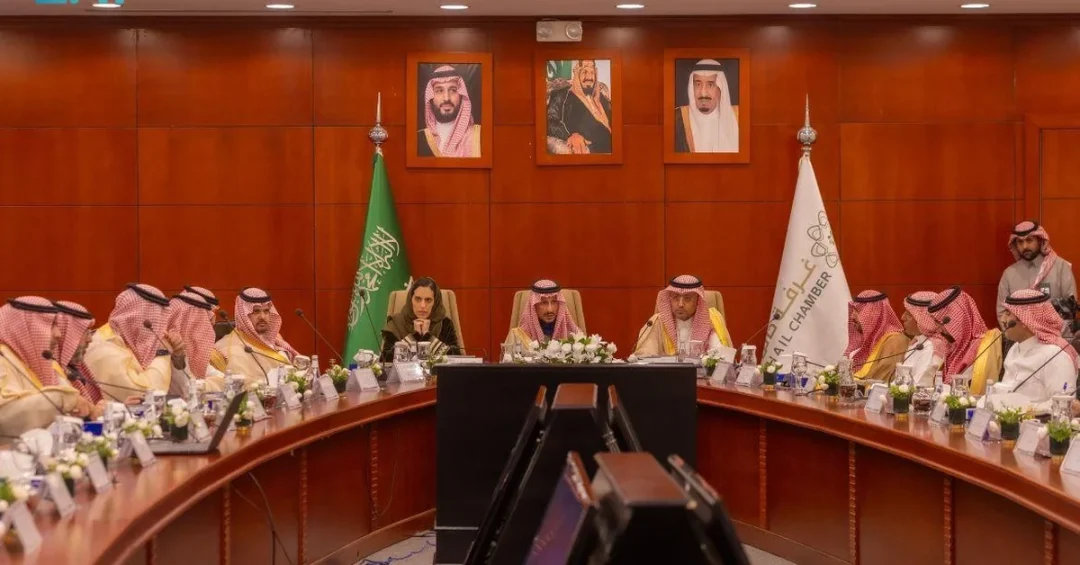
Saudi Arabia’s Minister of Tourism, Ahmed Al Khateeb, met with entrepreneurs and investors in the Hail region on November 22, 2024, outlining a pipeline of high-quality tourism projects and new investment incentives designed to accelerate the sector’s growth in one of the Kingdom’s most storied destinations. The meeting, held during the minister’s visit to the region in connection with the Saudi winter activities calendar and accompanied by senior Ministry of Tourism executives, underscored the government’s determination to deepen private-sector participation in tourism development nationwide.
Al Khateeb used the occasion to highlight Hail’s unique position within the Kingdom’s tourism landscape, describing it as one of Saudi Arabia’s most popular tourist destinations and a model for other regions thanks to its rich history, archaeological depth, and diverse natural scenery. Could any other region match Hail’s combination of heritage, landscape, and hospitality? The minister’s message to local business leaders was unambiguous: the Ministry of Tourism sees the private sector as the engine of the industry and intends to build stronger, more productive ties with investors across the region.
Context and Background
Is Hail merely a regional destination, or a national tourism asset in the making? According to information released through official Saudi channels, the region has quietly become a major contributor to the Kingdom’s tourism economy. During the first half of 2024 alone, the Hail region recorded more than 1.1 million tourists, comprising both domestic and international visitors, while licensed hotel rooms in the region reached nearly 2,600 and visitor spending totaled approximately SAR5.1 billion. Those figures reflect a destination that is already delivering measurable economic returns.
The minister’s visit forms part of a broader national push tied to the Saudi winter activities season, an annual program that promotes domestic and inbound tourism across the Kingdom’s cooler regions. Hail, with its dramatic desert landscapes, historic rock art sites, and celebrated tradition of hospitality, is a natural anchor for that campaign. The Ministry of Tourism has signaled that regional engagement of this kind is central to its strategy of distributing tourism growth beyond the major metropolitan centers and into areas with strong cultural and natural assets.
For an international audience, the significance lies in how Saudi Arabia is systematically converting heritage into economic opportunity. Hail’s inclusion in high-level investment discussions demonstrates that the Kingdom’s tourism transformation is not confined to flagship giga-projects but extends to established regions with deep historical roots and growing visitor demand.
Key Details
What did the minister actually announce, and what does it mean for investors? During the meeting, Al Khateeb announced that the Tourism Development Fund is studying support for high-quality tourism projects in Hail worth over SAR1 billion. The initiative is expected to add more than 850 hotel rooms to the region, a substantial expansion of capacity that would allow Hail to host larger numbers of visitors while raising service standards. For entrepreneurs in the room, the announcement represented a direct signal that financing pathways exist for well-structured projects.
The minister also pointed to the Tourism Investment Enablers Program, a flagship Ministry of Tourism initiative designed to reduce government fees in the hospitality sector by 22 percent. Combined with the decision to stop municipal fees on hospitality facilities, the program forms part of a wider effort to improve the investment climate and lower the cost of entry for hoteliers, restaurateurs, and tourism operators. Is there any clearer indication that the Kingdom wants private capital to move quickly? These measures are intended to translate policy ambition into shovels in the ground.
Beyond the investment discussions, Al Khateeb toured numerous heritage and popular events across the region, visiting attractions including the FAID Museum. During those visits, he reviewed opportunities to enhance the visitor experience and improve the quality of services offered to tourists in Hail, reinforcing the ministry’s emphasis on pairing new investment with elevated service standards.
International and Regional Impact
Why should the international travel industry pay attention to a regional meeting in Hail? Because Saudi Arabia’s tourism ambitions are increasingly global in scope. The Kingdom has set a target of attracting 150 million visits annually by 2030, and regions such as Hail are essential to reaching that goal. International hotel groups, tour operators, and experience providers looking for credible entry points into the Saudi market will find in Hail a destination with existing demand, government-backed financing, and a clear policy framework for investment.
Regionally, the development of Hail complements the broader Gulf trend of diversifying tourism offerings beyond coastal resorts and shopping destinations. Saudi Arabia’s winter season already draws visitors from across the Gulf and beyond, and expanded room capacity in Hail would strengthen the Kingdom’s ability to capture that demand. For neighboring economies, a thriving Saudi tourism sector represents both competition and opportunity, as integrated regional itineraries become more attractive to long-haul travelers.
The meeting also carries diplomatic weight. By convening investors and entrepreneurs in a region known for its heritage, the Ministry of Tourism is demonstrating that national development is inclusive of communities across the Kingdom, not concentrated in a handful of cities. That message resonates with international partners assessing the breadth and durability of Saudi Arabia’s reform agenda.
Economic and Strategic Significance
How significant is SAR5.1 billion in visitor spending for a single region? It is a powerful indicator that tourism has become a genuine economic pillar in Hail, supporting jobs in hospitality, retail, transport, and food services. The planned addition of over 850 hotel rooms, supported through the Tourism Development Fund, would deepen that impact by creating construction employment in the near term and permanent operational roles thereafter. New rooms also raise the region’s ability to host conferences, cultural festivals, and sporting events, multiplying the economic effect of every visit.
Strategically, the ministry’s emphasis on reducing government fees signals a mature approach to investment promotion. Rather than relying solely on marketing campaigns, Saudi Arabia is adjusting the underlying economics of hospitality projects to improve returns for investors. The 22 percent reduction in hospitality-sector government fees, together with the removal of municipal fees on hospitality facilities, directly addresses cost concerns that have historically slowed development in secondary markets. When combined with the Tourism Development Fund’s project pipeline, these measures create a coherent incentive structure for entrepreneurs.
For local businesses in Hail, the message is that the state is prepared to co-invest in their success. The ministry’s willingness to meet face-to-face with entrepreneurs, review their proposals, and publicize financing instruments reflects a service-oriented approach to governance that is central to the Kingdom’s economic modernization.
Vision 2030 Alignment
Does Hail’s tourism momentum fit into Saudi Arabia’s long-term national plan? It is a direct expression of it. Under Vision 2030, the Kingdom aims to diversify its economy away from oil dependence, and tourism is one of the principal engines of that diversification. The Ministry of Tourism’s work in Hail, from the Tourism Development Fund’s project support to the Tourism Investment Enablers Program, advances the vision’s goals of increasing non-oil revenue, creating private-sector jobs, and showcasing Saudi culture and heritage to the world.
The emphasis on private-sector partnership reflects another core Vision 2030 principle: government as enabler, business as driver. By reducing fees, removing municipal charges on hospitality facilities, and studying support for projects worth over SAR1 billion, the ministry is translating that principle into concrete action. Hail’s 1.1 million visitors in the first half of 2024 and SAR5.1 billion in spending show that the strategy is producing results on the ground.
Looking ahead, the region’s growing hotel capacity and enhanced visitor experiences position Hail to play an even larger role in the Kingdom’s target of 150 million annual visits by 2030. For international readers, the message from this meeting is clear: Saudi Arabia’s tourism transformation is broad, well-financed, and open to partners who share its ambition. Hail is not waiting for the future. It is building it, one investment at a time.
20 Questions
Q1. Who chaired the meeting with entrepreneurs and investors in the Hail region?
A1. Saudi Arabia’s Minister of Tourism, Ahmed Al Khateeb, led the meeting during a visit to the Hail region tied to the Saudi winter activities, accompanied by other Ministry of Tourism executives.
Q2. When did the Minister of Tourism visit the Hail region?
A2. The visit took place on November 22, 2024, according to the Saudi Press Agency, as part of the Kingdom’s winter activities program.
Q3. Why is Hail considered important for Saudi tourism?
A3. Hail is one of the Kingdom’s most popular tourist spots, distinguished by its rich history and diverse landscape, making it a model for other regions developing their tourism sectors.
Q4. What did the minister say about the private sector’s role in tourism?
A4. He described the private sector as the industry’s engine that helps boost tourism, and emphasized the ministry’s eagerness to forge stronger ties with it.
Q5. What did the Tourism Development Fund announce regarding Hail?
A5. The fund is studying support for high-quality tourism projects worth over SAR1 billion, expected to add more than 850 hotel rooms to the Hail region.
Q6. What is the Tourism Investment Enablers Program?
A6. It is a Ministry of Tourism program that aims to reduce government fees in the hospitality sector by 22 percent, encouraging investment in tourism facilities across the Kingdom.
Q7. How do municipal fee changes affect hospitality investment?
A7. The decision to stop municipal fees on hospitality facilities lowers operating costs for investors, complementing the fee reductions and making tourism projects more financially attractive.
Q8. How many tourists visited Hail in the first half of 2024?
A8. The Hail region recorded over 1.1 million tourists, both local and international, during the first half of 2024, according to official figures.
Q9. How much did tourists spend in Hail during that period?
A9. Tourists spent approximately SAR5.1 billion during their visits to the Hail region in the first half of 2024, reflecting strong economic activity.
Q10. How many licensed hotel rooms does Hail currently have?
A10. The number of licensed rooms in tourism facilities in the Hail region reached nearly 2,600, with plans to add over 850 more rooms.
Q11. Which heritage site did the minister visit in Hail?
A11. The minister visited several heritage and popular events, with the FAID Museum among the most notable attractions he toured during his regional visit.
Q12. What did the minister review during his visits to tourist attractions?
A12. He reviewed possibilities to enhance the tourist experience and improve the quality of services provided to visitors in the Hail region.
Q13. What is the Saudi winter activities program?
A13. It is a seasonal national initiative that promotes tourism across the Kingdom’s cooler regions, and the minister’s Hail visit was connected to it.
Q14. How does the ministry support tourism investors?
A14. The Ministry of Tourism works to encourage investments and provide facilities to investors, including through the Tourism Investment Enablers Program and Tourism Development Fund support.
Q15. What economic benefits could new hotel rooms bring to Hail?
A15. Additional rooms expand hosting capacity for visitors, events, and conferences, creating construction jobs and permanent hospitality employment while increasing visitor spending.
Q16. Why is private-sector partnership central to Saudi tourism strategy?
A16. The private sector drives innovation, capital investment, and service quality, making it essential to achieving the Kingdom’s ambitious tourism visitation and revenue targets.
Q17. How does Hail’s tourism growth align with Vision 2030?
A17. It supports economic diversification, non-oil revenue growth, job creation, and the showcasing of Saudi heritage, all core objectives of Vision 2030.
Q18. What does the SAR1 billion project study signify for investors?
A18. It signals that government-backed financing is available for well-structured tourism projects, reducing risk and encouraging private capital to enter the Hail market.
Q19. How might Hail’s development affect regional tourism in the Gulf?
A19. Expanded capacity and improved experiences strengthen the Kingdom’s competitiveness, while integrated Gulf itineraries become more attractive to international travelers seeking diverse destinations.
Q20. What is the outlook for Hail’s tourism sector?
A20. With government incentives, financing support, and rising visitor demand, Hail is positioned to grow into an even more prominent destination within Saudi Arabia’s expanding tourism economy.
Reader Feedback
We value your thoughts. Please share your feedback on this article.
Your feedback helps us improve our coverage.
Related articles
 Elephant Rock: AlUla’s Natural Marvel Draws Global Visitors
 Minister Inaugurates Ramlah Tourism Company in Hail
 Spooky Circus at Wonder District Delights Visitors in Jeddah
 Saudi Red Sea Authority Wins Japan Tourism Award
 Rainbows in Al-Baha Draw Nature Lovers to Saudi’s South
 Riyadh Season Surpasses 8 Million Visitors