


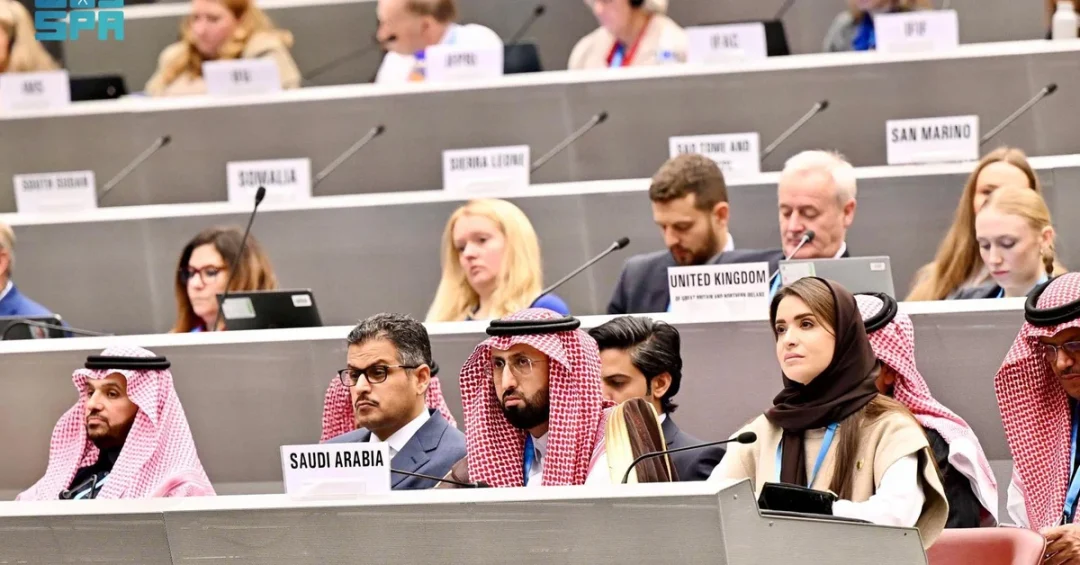
Dr. Hisham bin Saad Al-Jadhey, CEO of the Saudi Food and Drug Authority (SFDA), is representing the Kingdom of Saudi Arabia at the 47th annual meeting of the CODEX Alimentarius Commission in Geneva, Switzerland, which commenced today, November 26, 2024. The high-level gathering brings together heads of regulatory authorities from member states and representatives of international organizations to deliberate on global food safety and trade standards. Saudi Arabia’s active participation underscores its commitment to international cooperation in food safety and its growing influence in shaping global food standards.
Why does Saudi Arabia’s involvement in CODEX matter to the global community? As a member since 1968, the Kingdom has consistently contributed to the development of international food standards, ensuring that they reflect the needs of both consumers and producers. The SFDA’s leadership in this arena aligns with Vision 2030’s goal of enhancing food security and promoting sustainable agricultural practices, while also safeguarding public health. The presence of Dr. Al-Jadhey at this prestigious event highlights Saudi Arabia’s dedication to fostering international collaboration and regulatory excellence.
Context and Background
The CODEX Alimentarius Commission, established in 1963 by the Food and Agriculture Organization (FAO) and the World Health Organization (WHO), is the central body responsible for developing international food standards, guidelines, and codes of practice. These standards, known as the Codex Alimentarius, aim to protect consumer health and ensure fair practices in the food trade. The 47th session, taking place in Geneva, features the participation of key figures such as WHO Director-General Dr. Tedros Adhanom Ghebreyesus, FAO Director-General Dr. Qu Dongyu, and Codex Alimentarius Commission Chairperson Steve Wearne. Their presence underscores the global significance of the meeting and the collective effort to address pressing food safety challenges.
Saudi Arabia has been an active member of CODEX since 1968, demonstrating its long-standing commitment to international food safety and trade. The Kingdom chairs the Coordinating Committee for countries of the Near East region, a role that allows it to voice regional concerns and facilitate collaboration among member states. Since 2020, Saudi Arabia has also served on the Executive Committee, further solidifying its influence in shaping global food standards. The SFDA’s participation is not merely symbolic; it reflects the Kingdom’s proactive approach to ensuring that food safety regulations are harmonized globally, which is crucial for facilitating trade and protecting public health.
What does Saudi Arabia’s leadership in CODEX signify for the region? It highlights the Kingdom’s pivotal role in bridging the gap between developed and developing nations, ensuring that food safety standards are inclusive and practical for all. By chairing the Near East Coordinating Committee, Saudi Arabia helps address unique regional challenges, such as water scarcity and climate change, which impact food production. This leadership also aligns with Vision 2030’s emphasis on sustainable development and economic diversification, as safe and reliable food supplies are essential for a thriving society and a robust economy.
Key Details
At the 47th CODEX meeting, delegates are expected to discuss a range of critical issues, including food labeling, pesticide residues, food additives, and antimicrobial resistance. These topics are vital for ensuring that food products are safe for consumption and that international trade flows smoothly. Dr. Al-Jadhey’s participation involves engaging with counterparts from other regulatory authorities to share best practices and collaborate on standard-setting. The SFDA’s involvement is particularly noteworthy given its role in overseeing food safety in Saudi Arabia, a nation that imports a significant portion of its food. By contributing to CODEX standards, the Kingdom can influence global norms that directly affect its import policies and public health.
What specific outcomes can be expected from this meeting? The CODEX Commission operates on a consensus-based approach, meaning that decisions are made through extensive negotiations among member states. Saudi Arabia’s active engagement helps ensure that the standards developed are scientifically sound and consider the needs of all regions. The meeting also provides a platform for bilateral discussions, allowing the SFDA to forge partnerships and exchange knowledge with other countries. Such interactions can lead to capacity-building initiatives and technical assistance, which are essential for enhancing food safety systems worldwide.
The opening ceremony, attended by high-level dignitaries, set a collaborative tone for the proceedings. Dr. Tedros and Dr. Qu emphasized the importance of global solidarity in addressing food safety and nutrition challenges. Their speeches likely highlighted the need for robust regulatory frameworks that can adapt to emerging threats, such as zoonotic diseases and climate change impacts. Saudi Arabia’s presence reinforces its commitment to these principles and its willingness to contribute to global solutions. The Kingdom’s experience in managing food safety within a rapidly developing economy offers valuable insights that can benefit other nations.
International and Regional Impact
Saudi Arabia’s participation in CODEX has far-reaching implications for international trade and regional cooperation. By aligning its food safety standards with CODEX guidelines, the Kingdom facilitates smoother trade with other countries, as importers and exporters can rely on internationally recognized benchmarks. This is particularly important for the Gulf Cooperation Council (GCC) region, where harmonized standards can reduce trade barriers and enhance food security. Saudi Arabia’s leadership in the Near East Coordinating Committee helps ensure that the region’s voice is heard in global forums, addressing common challenges such as arid climates and reliance on food imports.
How does this benefit the average consumer? International food standards directly impact the safety and quality of imported and exported food products. When countries adhere to CODEX standards, consumers can trust that their food meets rigorous safety requirements, reducing the risk of foodborne illnesses and fraudulent practices. For Saudi Arabia, active participation in CODEX means that its citizens benefit from the latest scientific advancements in food safety, as the SFDA incorporates these standards into national regulations. This proactive approach protects public health and enhances the Kingdom’s reputation as a responsible global citizen.
Economic and Strategic Significance
From an economic perspective, Saudi Arabia’s engagement in CODEX supports Vision 2030’s goal of diversifying the economy and boosting non-oil exports. The food and agricultural sector is a key component of this diversification, and adherence to international standards opens up new markets for Saudi products. By contributing to the development of CODEX standards, the Kingdom can ensure that these standards are favorable to its exports, such as dates, dairy products, and processed foods. Furthermore, a robust food safety system attracts foreign investment and fosters innovation in the agri-food industry, driving economic growth and job creation.
Strategically, Saudi Arabia’s role in CODEX reinforces its position as a leader in the region and a reliable partner in global governance. The Kingdom’s ability to influence international standards demonstrates its soft power and commitment to multilateralism. This is particularly important as Saudi Arabia seeks to enhance its global standing and attract international partners for ventures like NEOM and the Red Sea Project, which rely on high-quality food and beverage offerings. By ensuring that food safety standards are aligned with global best practices, Saudi Arabia enhances its attractiveness as a tourist destination and a hub for business.
Vision 2030 Alignment
Saudi Arabia’s participation in the 47th CODEX meeting is a clear manifestation of Vision 2030’s objectives, particularly those related to food security, public health, and international cooperation. Vision 2030 aims to ensure the availability and affordability of safe and nutritious food for all citizens, and participation in CODEX helps achieve this by harmonizing national standards with international ones. The SFDA’s active role in CODEX also supports the Vision’s goal of enhancing government effectiveness and transparency, as it demonstrates the Kingdom’s commitment to evidence-based policymaking and global engagement.
Looking ahead, Saudi Arabia’s continued leadership in CODEX will be instrumental in shaping the future of food safety and trade. As the Kingdom prepares to host major international events and expand its economic footprint, maintaining high food safety standards is paramount. The SFDA’s work in Geneva today is not just about regulatory compliance; it is about building a safer, more sustainable, and more prosperous future for Saudi Arabia and the world. Through such engagements, the Kingdom reaffirms its dedication to Vision 2030 and its role as a responsible global leader.
20 Questions
Q1. What is the CODEX Alimentarius Commission?
A1. The CODEX Alimentarius Commission is an international body established by the FAO and WHO to develop food standards, guidelines, and codes of practice to protect consumer health and ensure fair trade practices globally.
Q2. Who is representing Saudi Arabia at the 47th CODEX meeting?
A2. Dr. Hisham bin Saad Al-Jadhey, CEO of the Saudi Food and Drug Authority (SFDA), is leading the Kingdom’s delegation at the 47th CODEX meeting in Geneva.
Q3. When did Saudi Arabia join CODEX?
A3. Saudi Arabia has been a member of CODEX since 1968, demonstrating its long-standing commitment to international food safety standards and cooperation.
Q4. What role does Saudi Arabia play in CODEX?
A4. Saudi Arabia chairs the Coordinating Committee for the Near East region and has been a member of the Executive Committee since 2020, actively shaping global food standards.
Q5. What are the key topics discussed at the 47th CODEX meeting?
A5. The meeting addresses critical issues such as food labeling, pesticide residues, food additives, and antimicrobial resistance to ensure global food safety and fair trade.
Q6. Who are the notable attendees at the opening ceremony?
A6. The opening ceremony was attended by WHO Director-General Dr. Tedros Adhanom Ghebreyesus, FAO Director-General Dr. Qu Dongyu, and Codex Chairperson Steve Wearne.
Q7. How does CODEX benefit global food trade?
A7. CODEX standards facilitate international trade by providing harmonized food safety benchmarks, reducing trade barriers, and ensuring that food products meet recognized safety and quality requirements.
Q8. Why is Saudi Arabia’s participation important?
A8. Saudi Arabia’s participation ensures that the region’s interests are represented in global standard-setting, and it allows the Kingdom to influence standards that affect its food imports and exports.
Q9. How does CODEX impact consumers?
A9. CODEX standards protect consumer health by ensuring that food products are safe, nutritious, and accurately labeled, reducing the risk of foodborne illnesses and fraudulent practices.
Q10. What is the SFDA’s role in food safety?
A10. The SFDA regulates food, drugs, and medical devices in Saudi Arabia, ensuring that products meet national and international safety standards to protect public health.
Q11. How does CODEX align with Vision 2030?
A11. CODEX alignment supports Vision 2030’s goals of food security, public health, and economic diversification by promoting safe food trade and enhancing the Kingdom’s global competitiveness.
Q12. What are the economic benefits of Saudi Arabia’s CODEX membership?
A12. Membership facilitates trade by aligning standards, opens new markets for Saudi exports, and attracts investment in the agri-food sector, contributing to economic growth and diversification.
Q13. How does Saudi Arabia influence CODEX standards?
A13. Through its leadership roles in the Near East Coordinating Committee and Executive Committee, Saudi Arabia actively participates in negotiations and provides scientific expertise to shape standards.
Q14. What challenges does the Near East region face in food safety?
A14. The region faces challenges such as water scarcity, climate change, and reliance on food imports, which Saudi Arabia addresses through its leadership in CODEX and national policies.
Q15. What is the significance of the Executive Committee membership?
A15. Membership on the Executive Committee allows Saudi Arabia to influence the strategic direction of CODEX and ensures that the region’s perspectives are considered in decision-making processes.
Q16. How does CODEX address emerging food safety threats?
A16. CODEX develops science-based standards and guidelines that are regularly updated to address emerging threats, such as antimicrobial resistance and new food technologies.
Q17. What is the expected outcome of the 47th CODEX meeting?
A17. The meeting is expected to adopt new standards and guidelines on various food safety topics, which member countries will then implement to enhance global food safety and trade.
Q18. How does Saudi Arabia’s participation benefit its citizens?
A18. It ensures that imported and domestically produced food meets high safety standards, protecting public health and enhancing food quality and availability in the Kingdom.
Q19. What collaborations can arise from the meeting?
A19. The meeting facilitates bilateral discussions and partnerships, enabling Saudi Arabia to share best practices, build capacity, and collaborate on food safety initiatives with other nations.
Q20. How does this event reflect Saudi Arabia’s global role?
A20. It showcases the Kingdom’s commitment to multilateralism, international cooperation, and its proactive role in shaping global policies that impact food safety and public health worldwide.
Reader Feedback
We value your thoughts. Please share your feedback on this article.
Your feedback helps us improve our coverage.
Related articles
 24th Saudi Relief Plane Arrives in Lebanon
 GASTAT Releases 2023 Household Energy Statistics
 Custodian of the Two Holy Mosques Program Hosts Umrah for 250 Muslim Figures
 24th Saudi Relief Plane Departs for Lebanon with Aid
 Saudi FM Joins Quadripartite Meeting on Sudan in Italy
 Saudi Arabia Weather Forecast: Thunderstorms, Temperature Drops