


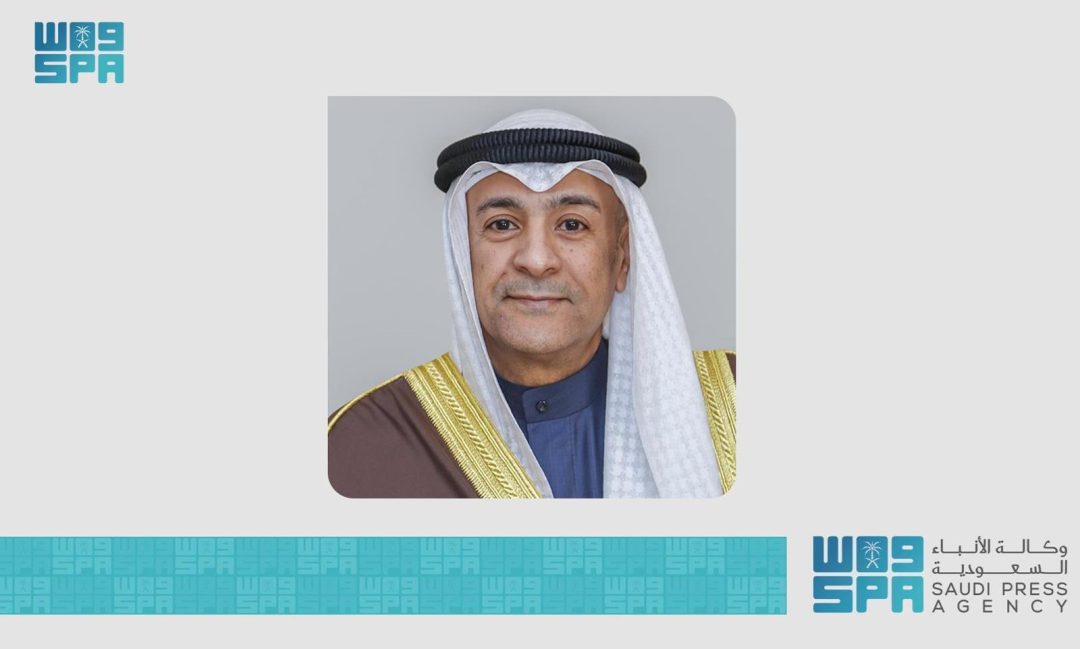
GCC Secretary General Jasem Mohamed Albudaiwi condemned the Israeli occupation forces’ attack on the village of Koya, west of Daraa Governorate in Syria, which resulted in a number of casualties and injuries, according to a GCC press release cited by SPA. The statement, issued from Riyadh on March 26, 2025, frames the strike as part of what Albudaiwi described as an aggressive policy aimed at undermining security and stability in the region. What does it mean for regional stability when a village in western Daraa becomes the flashpoint for a GCC-wide condemnation?
SPA reported that Albudaiwi’s condemnation was carried in a GCC press release, placing the Gulf bloc’s most senior official directly behind the response. The Secretary General did not speak in vague diplomatic terms alone; he tied the Koya attack to a broader pattern he said the Israeli occupation forces are pursuing across the region. How often must a single village be named in official statements before the wider pattern becomes impossible to ignore?
At the center of the GCC position is a reference to the statement issued by the Ministerial Council of the GCC in its 163rd session. Albudaiwi invoked that earlier ministerial statement to anchor the current condemnation, signaling that the Koya attack is being measured against a standing GCC doctrine rather than treated as an isolated incident. The 163rd session statement emphasized the importance of respecting the sovereignty, independence, and territorial integrity of the sisterly Arab Republic of Syria. Why does the GCC keep returning to the language of sovereignty and territorial integrity when responding to strikes on Syrian soil?
The same ministerial statement described the security and stability of Syria as essential pillars for the stability of the region’s security. It further linked Syria’s stability to maintaining regional and international peace and security, according to the GCC press release. That framing places the Koya attack not only as a Syrian concern but as a matter with consequences for the wider region and for international peace and security. If Syria’s stability is a pillar of regional security, what happens to the rest of the structure when that pillar is struck?
Albudaiwi stressed the need for the international community to fulfill its responsibilities to stop what he called these repeated Israeli attacks on Syrian territory. The phrase “repeated” is central to the GCC Secretary General’s message: the Koya strike is presented as one in a series, not a one-off event. He also called for the withdrawal from all occupied Syrian lands. What would it take for the international community to act on responsibilities that GCC officials say are being left unfulfilled?
The GCC Secretary General’s statement follows the pattern set by the Ministerial Council’s 163rd session, which already emphasized respect for Syria’s sovereignty, independence, and territorial integrity. By referencing that session, Albudaiwi connects the Koya attack to a formal GCC position agreed at the ministerial level. The press release does not indicate any new GCC measure beyond the condemnation and the call for international action and withdrawal. Does repeating a ministerial position strengthen it over time, or does it reveal the limits of what a regional bloc can do without wider enforcement?
Koya village sits west of Daraa Governorate in Syria, the location SPA identified as the site of the attack. The GCC press release stated that the attack resulted in a number of casualties and injuries, without specifying figures. Albudaiwi’s condemnation named the village directly, keeping the focus on a specific place rather than a general theater of operations. Why does naming a village like Koya matter in a statement issued from Riyadh?
The GCC Secretary General’s language also tied the Koya attack to an aggressive policy that he said undermines security and stability in the region. That link is the bridge between the local event and the GCC’s regional outlook. The Ministerial Council’s 163rd session statement had already framed Syria’s security and stability as essential pillars for the stability of the region’s security, as well as for maintaining regional and international peace and security. How does a single attack west of Daraa become evidence of a policy that the GCC says threatens the whole region?
According to the GCC press release, Albudaiwi’s call for the international community to fulfill its responsibilities was paired with a demand for withdrawal from all occupied Syrian lands. The two elements — stopping repeated attacks and withdrawing from occupied Syrian lands — form the core of the GCC Secretary General’s public position on the Koya attack. The statement did not announce new GCC actions, timelines, or mechanisms. What does the absence of new measures suggest about the tools available to the GCC on Syria?
The reference to the Ministerial Council’s 163rd session gives the Koya condemnation a documented lineage. That session’s statement emphasized respect for the sovereignty, independence, and territorial integrity of the sisterly Arab Republic of Syria. By invoking it, Albudaiwi places the Koya attack within a framework the GCC has already adopted at the ministerial level. Is a condemnation stronger when it points back to a formal council statement rather than standing alone?
SPA reported the GCC Secretary General’s remarks from Riyadh on March 26, 2025, with the local time given as 10:44 and GMT as 07:44. The GCC press release was the source of the condemnation, and the statement carried the SPA identifier at the end. The report did not include the number of casualties or injuries, the specific units involved, or any response from Israeli authorities. What details remain missing when a condemnation is issued before a full accounting of an attack is available?
Albudaiwi’s statement described the Israeli occupation forces’ action against Koya as an aggression, using the term directly. He said the aggression continues an aggressive policy of undermining security and stability in the region. That language mirrors the concern in the Ministerial Council’s 163rd session statement about Syria’s security and stability as pillars for regional security. Does using the word “aggression” in an official GCC statement change the diplomatic stakes, or is it now standard vocabulary?
The GCC Secretary General also referred to the sisterly Arab Republic of Syria, a phrasing that signals the GCC’s view of Syria’s place in the Arab fold. The ministerial statement he cited emphasized Syria’s sovereignty, independence, and territorial integrity. Those three terms — sovereignty, independence, territorial integrity — form the legal and political core of the GCC’s objection to attacks on Syrian territory. Why do these three words recur in nearly every GCC statement on Syria?
The call for withdrawal from all occupied Syrian lands is the most concrete demand in the GCC Secretary General’s statement. It goes beyond condemning the Koya attack to addressing the broader question of territory. The GCC press release did not specify which lands or set a timeline. Without specifics, how does a call for withdrawal translate into pressure on the ground?
The GCC’s 163rd Ministerial Council session statement had already linked Syria’s stability to regional and international peace and security. Albudaiwi’s condemnation of the Koya attack repeats that linkage, suggesting the GCC sees the Syrian file as inseparable from its own security. If Syria’s stability is a pillar of regional security, what does the GCC expect from international actors who share an interest in that stability?
SPA’s report carried the GCC Secretary General’s condemnation without additional GCC statements from individual member states. The press release focused on Albudaiwi’s remarks and the ministerial reference. The report also did not include a Syrian response to the Koya attack or any international reaction to the GCC call. What does it mean when a regional bloc speaks through its secretary general rather than through multiple capitals at once?
The Koya attack, as described in the GCC press release, resulted in casualties and injuries. The GCC Secretary General’s statement did not provide numbers, nor did it identify the victims. The absence of figures keeps the focus on the principle — sovereignty, independence, territorial integrity — rather than on a body count. Does a condemnation without casualty figures carry more or less weight in international diplomacy?
Albudaiwi’s statement came from Riyadh, the GCC’s headquarters city, and was distributed via a GCC press release. SPA carried it with a timestamp of 10:44 local time and 07:44 GMT on March 26, 2025. The report ended with the SPA identifier. The GCC’s position, as stated, rests on the 163rd Ministerial Council session and on the call for international responsibility and withdrawal. What happens next when a condemnation is issued but no enforcement mechanism is named?
The GCC Secretary General’s reference to repeated Israeli attacks on Syrian territory implies a record that extends beyond Koya. The ministerial statement from the 163rd session had already addressed Syria’s sovereignty and territorial integrity, suggesting the GCC has been tracking this file for some time. If the attacks are repeated, why has the international response, in the GCC’s view, not matched the repetition?
The GCC press release did not say whether the Secretary General consulted with member states before issuing the condemnation, nor did it indicate whether the GCC plans further steps. The statement’s demands — stop the attacks, withdraw from occupied Syrian lands — are addressed to the international community rather than to the parties to the conflict. Why does the GCC route its demands through the international community rather than directly to those it accuses?
SPA’s report on the GCC Secretary General’s condemnation is dated March 26, 2025, and carries the SPA identifier. The report includes the GCC’s reference to the 163rd Ministerial Council session, the emphasis on Syria’s sovereignty, independence, and territorial integrity, and the call for withdrawal from all occupied Syrian lands. It does not include the number of casualties, the identities of the injured, or any Israeli comment. What should readers watch for as this story develops beyond the condemnation stage?
Who condemned the Israeli attack on Koya village in Syria? GCC Secretary General Jasem Mohamed Albudaiwi expressed strong condemnation of the Israeli occupation forces’ attack on the village of Koya, west of Daraa Governorate in Syria. According to a GCC press release cited by SPA, the attack resulted in a number of casualties and injuries. Albudaiwi said the aggression continues an aggressive policy of undermining security and stability in the region. The statement was issued from Riyadh on March 26, 2025, and carried by SPA with a local time of 10:44 and GMT of 07:44.
What did the GCC Secretary General say about the attack on Koya? Albudaiwi said the Israeli occupation forces’ aggression against Koya village continues their aggressive policy of undermining security and stability in the region. He referred to the statement issued by the Ministerial Council of the GCC in its 163rd session, which emphasized respecting the sovereignty, independence, and territorial integrity of the sisterly Arab Republic of Syria. He also stressed the need for the international community to fulfill its responsibilities to stop repeated Israeli attacks on Syrian territory and called for withdrawal from all occupied Syrian lands, according to the GCC press release.
What did the GCC Ministerial Council’s 163rd session statement emphasize? The statement issued by the Ministerial Council of the GCC in its 163rd session emphasized the importance of respecting the sovereignty, independence, and territorial integrity of the sisterly Arab Republic of Syria. It also stated that the security and stability of Syria are essential pillars for the stability of the region’s security, as well as for maintaining regional and international peace and security. Albudaiwi referred to this ministerial statement when condemning the Israeli attack on Koya village, west of Daraa Governorate, which resulted in casualties and injuries, per the GCC press release cited by SPA.
What did the GCC Secretary General call for after the Koya attack? Albudaiwi stressed the need for the international community to fulfill its responsibilities to stop what he called repeated Israeli attacks on Syrian territory. He also called for the withdrawal from all occupied Syrian lands. These demands followed his condemnation of the Israeli occupation forces’ attack on Koya village, west of Daraa Governorate in Syria, which resulted in a number of casualties and injuries. The GCC press release, cited by SPA, did not specify a timeline or mechanism for the withdrawal or for international action.
What details were not included in the GCC statement on the Koya attack? The GCC press release cited by SPA did not include the number of casualties or injuries from the attack on Koya village, west of Daraa Governorate in Syria. It did not identify the victims or specify the units involved. It also did not include any response from Israeli authorities or a Syrian reaction to the GCC condemnation. The statement focused on Albudaiwi’s condemnation, the reference to the Ministerial Council’s 163rd session, the emphasis on Syria’s sovereignty, independence, and territorial integrity, and the call for international responsibility and withdrawal from occupied Syrian lands.