


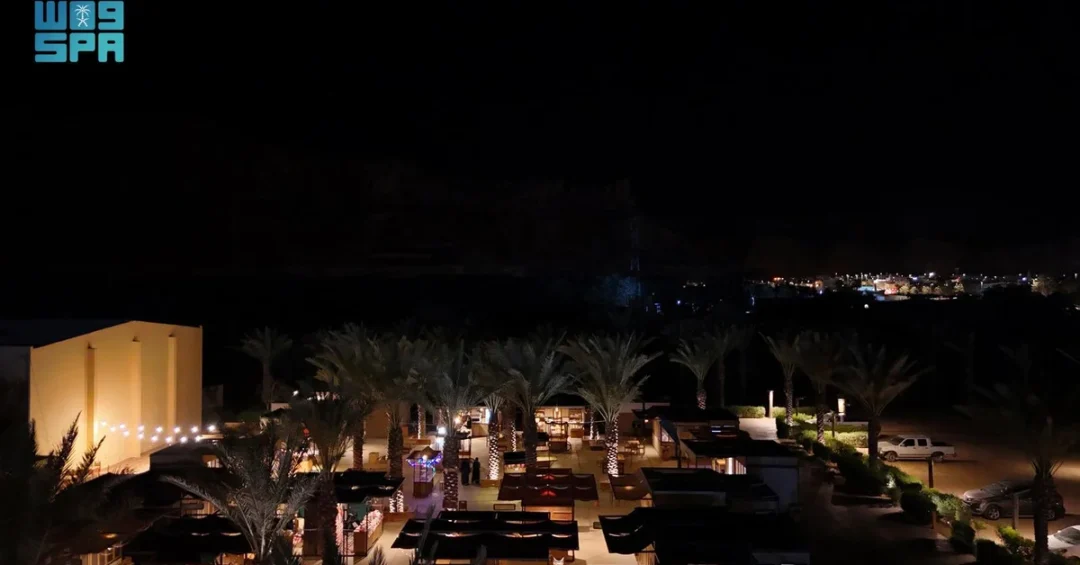
The AlManshiyah Farmers Market in AlUla Governorate stands as one of Saudi Arabia’s most prominent traditional markets, bringing together local artisans, farmers, and entrepreneurs in a vibrant celebration of heritage and commerce, as reported by the Saudi Press Agency (SPA). Located in the heart of AlUla, a region renowned for its millennia-old history and breathtaking landscapes, the market offers residents and visitors alike a wide array of goods — from handmade crafts and textiles to agricultural products and local delicacies. It has become a cornerstone of AlUla’s cultural and economic life, drawing travelers from across the Kingdom and around the world who seek an authentic encounter with Saudi Arabia’s rich traditions. For international observers, the market represents far more than a place of trade; it is a living testament to the Kingdom’s commitment to preserving its heritage while building a dynamic, diversified economy under Vision 2030.
What makes a traditional farmers market in a historic oasis town so significant on the global stage? The answer lies in AlUla’s remarkable transformation into a world-class destination for heritage tourism, a transformation guided by the Royal Commission for AlUla (RCU). The AlManshiyah Farmers Market exemplifies how Saudi Arabia is weaving its cultural legacy into the fabric of modern economic development. By providing a platform for local producers and craftspeople, the market supports small businesses, empowers communities, and offers visitors an immersive experience that no shopping mall or online platform can replicate. As Saudi Arabia continues to open its doors to the world, destinations like AlManshiyah serve as bridges between past and present, tradition and innovation.
Context and Background
How did AlUla become a focal point for heritage and commerce in northwestern Saudi Arabia? AlUla Governorate, situated in the Medina Province, has long been a crossroads of civilizations. Home to the Nabataean city of Hegra — Saudi Arabia’s first UNESCO World Heritage Site — and the ancient Dadanite and Lihyanite kingdoms, the region boasts a history spanning more than 200,000 years of human settlement. The AlManshiyah Farmers Market is deeply rooted in this legacy. For generations, local families have gathered in AlUla’s traditional markets to trade dates, handicrafts, and other goods, passing down skills such as palm weaving, pottery, and textile production from parent to child. These traditions remain alive today, with the market serving as a living museum where visitors can witness artisans at work and purchase authentic, handmade items directly from their creators.
The Royal Commission for AlUla, established by royal decree in 2017, has played a pivotal role in revitalizing the market while safeguarding its heritage identity. The RCU’s mandate encompasses the preservation and development of AlUla as a premier cultural and tourism destination, and its work at AlManshiyah reflects a careful balance between modernization and authenticity. Improvements to infrastructure, stall design, and visitor facilities have been implemented without compromising the market’s traditional character. This approach aligns with the RCU’s broader strategy to position AlUla as a global hub for heritage, arts, and nature, attracting two million visitors annually by 2035. The market thus stands as a microcosm of Saudi Arabia’s efforts to honor its past while embracing a prosperous future.
Key Details
What exactly can visitors expect to find at the AlManshiyah Farmers Market? The market is a treasure trove of Saudi craftsmanship and agricultural bounty. Its shops showcase traditional crafts such as palm weaving, textiles, and pottery, along with perfumes and incense, all crafted by local artisans who have inherited these trades across generations. The market is particularly celebrated for its agricultural products, especially the various types of dates that thrive in AlUla’s fertile oasis. Dates are among AlUla’s key economic resources, and the market offers a stunning variety — from soft, succulent Ajwa and Sukkari to drier varieties ideal for export. Visitors can also find fresh fruits, vegetables, honey, and local delicacies that reflect the region’s culinary heritage. Each stall tells a story of dedication and skill, with vendors often eager to share the history behind their products.
The market is not merely a shopping destination; it is an economic hub that supports artisans and local entrepreneurs. By providing direct access to customers, the market enables small-scale producers to earn a sustainable livelihood while preserving traditional skills that might otherwise fade away. The RCU has implemented initiatives to train young Saudis in these crafts, ensuring that knowledge is passed to the next generation. Additionally, the market plays a key role in promoting heritage tourism, attracting visitors year-round who seek to explore AlUla’s culture and commercial traditions. Its central location makes it easily accessible for tourists visiting nearby attractions such as Hegra, the AlUla Old Town, and the stunning rock formations of the Madain Saleh area. The market’s vibrant atmosphere, especially during harvest seasons and cultural festivals, offers a sensory feast that lingers in the memory.
International and Regional Impact
How does a local market in AlUla resonate with international audiences and regional partners? The AlManshiyah Farmers Market serves as a powerful symbol of Saudi Arabia’s openness to the world and its commitment to cultural exchange. As the Kingdom welcomes increasing numbers of international tourists — facilitated by the introduction of tourist visas in 2019 and the expansion of flight connections to AlUla International Airport — the market has become a must-visit destination for those seeking authentic experiences. Travelers from Europe, Asia, and the Americas are drawn to the market’s authenticity, often describing it as a highlight of their journey through Saudi Arabia. The market also attracts regional visitors from the Gulf Cooperation Council (GCC) countries, who appreciate the opportunity to reconnect with traditional crafts and products that are increasingly rare in rapidly urbanizing societies.
On a regional level, the market contributes to Saudi Arabia’s broader efforts to strengthen cultural ties and economic cooperation. AlUla has hosted high-profile events such as the AlUla Arts Festival and the Winter at Tantora festival, which have brought together artists, performers, and dignitaries from around the globe. The AlManshiyah Farmers Market complements these initiatives by offering a grassroots, everyday experience of Saudi culture. For international media and influencers, the market provides compelling visual and narrative material that helps challenge outdated perceptions of the Kingdom. By showcasing the warmth, creativity, and entrepreneurial spirit of AlUla’s people, the market plays a subtle yet significant role in Saudi Arabia’s public diplomacy and soft power strategy.
Economic and Strategic Significance
Why is the AlManshiyah Farmers Market economically important beyond its immediate sales? The market is a vital engine for local economic development in AlUla Governorate. It supports a network of artisans, farmers, and small business owners, many of whom rely on the market as their primary source of income. By keeping revenue within the local community, the market helps stimulate ancillary businesses such as transportation, hospitality, and food services. The RCU estimates that heritage tourism, of which the market is a key component, will contribute significantly to AlUla’s economy in the coming years, creating thousands of jobs and attracting private investment. The market also serves as an incubator for entrepreneurs, offering a low-barrier entry point for those looking to test and grow their business ideas.
Strategically, the market aligns with Saudi Arabia’s Vision 2030 goal of diversifying the economy away from oil dependence. By promoting tourism and supporting small and medium-sized enterprises (SMEs), the market contributes to the creation of a vibrant, sustainable private sector. The date industry, in particular, holds strategic value: Saudi Arabia is one of the world’s largest producers of dates, and AlUla’s varieties are prized for their quality. The market provides a direct channel for local dates to reach consumers, enhancing the region’s brand and boosting exports. Moreover, the market’s success demonstrates how cultural heritage can be monetized responsibly, generating income while preserving traditions. This model is being replicated across the Kingdom as part of a broader push to develop heritage-based tourism destinations.
Vision 2030 Alignment
How does the AlManshiyah Farmers Market embody the aspirations of Saudi Vision 2030? Vision 2030, launched in 2016 under the leadership of Crown Prince Mohammed bin Salman, seeks to transform Saudi Arabia into a global investment powerhouse and a hub for culture, entertainment, and tourism. The market directly supports several of the vision’s key pillars, including creating a vibrant society, building a thriving economy, and positioning the Kingdom as a global destination. By preserving and promoting traditional crafts, the market helps safeguard Saudi Arabia’s cultural identity — a core component of the vision’s emphasis on quality of life and national pride. Simultaneously, its role in supporting SMEs and generating tourism revenue contributes to economic diversification and job creation for Saudi youth.
Looking ahead, the AlManshiyah Farmers Market is poised to grow in prominence as AlUla continues its metamorphosis into a world-class destination. The RCU’s ongoing development plans include enhancing visitor experiences, expanding artisan training programs, and integrating digital tools to reach a wider audience. The market will remain a testament to AlUla’s rich history and a destination for those who appreciate authenticity, traditional crafts, and fresh local products. For international visitors, it offers a unique window into the soul of Saudi Arabia — a nation that honors its past while boldly embracing the future. As the Kingdom marches toward the goals of Vision 2030, the AlManshiyah Farmers Market stands as a shining example of how heritage and progress can thrive together, enriching lives and creating opportunities for generations to come.
20 Questions
Q1. What is the AlManshiyah Farmers Market?
A1. The AlManshiyah Farmers Market is a traditional market in AlUla Governorate, Saudi Arabia, where locals sell handmade crafts, agricultural products, and local delicacies. It is a key destination for residents and visitors seeking authentic goods.
Q2. Where is the AlManshiyah Farmers Market located?
A2. It is located in AlUla Governorate, in the Medina Province of northwestern Saudi Arabia. AlUla is famous for its ancient heritage sites, including Hegra, the Kingdom’s first UNESCO World Heritage Site.
Q3. What types of products are sold at the market?
A3. The market offers a wide range of goods, including handmade crafts such as palm weaving, textiles, and pottery, as well as perfumes, incense, fresh fruits, vegetables, honey, and various types of dates.
Q4. Who are the main sellers at the market?
A4. Local artisans, farmers, and entrepreneurs from AlUla and surrounding areas are the main sellers. Many have inherited their trades across generations, preserving traditional skills and knowledge.
Q5. What role does the Royal Commission for AlUla play?
A5. The Royal Commission for AlUla (RCU) develops and manages the market while preserving its heritage identity. It ensures the market remains authentic and continues to serve as a cultural and economic hub.
Q6. Why are dates important to the market?
A6. Dates are among AlUla’s key economic resources. The market offers various types of high-quality dates, which are a major attraction for visitors and a vital source of income for local farmers.
Q7. How does the market support the local economy?
A7. The market provides direct income for artisans and farmers, stimulates ancillary businesses like hospitality and transport, and serves as an incubator for small businesses, contributing to AlUla’s economic growth.
Q8. Is the market a tourist attraction?
A8. Yes, the market is a major heritage tourism destination, attracting visitors year-round who seek to experience AlUla’s culture, crafts, and commercial traditions in an authentic setting.
Q9. What traditional crafts can visitors see?
A9. Visitors can see palm weaving, textile production, pottery, and the crafting of perfumes and incense. Artisans often demonstrate their skills, offering insight into these ancient trades.
Q10. How does the market preserve Saudi heritage?
A10. By providing a platform for traditional crafts and products, the market keeps ancestral skills alive. It also fosters intergenerational knowledge transfer and celebrates Saudi cultural identity.
Q11. What is the significance of the market’s location in AlUla?
A11. AlUla’s rich history and growing status as a tourism hub make the market a natural focal point. Its location allows visitors to combine heritage exploration with authentic shopping.
Q12. How does the market align with Vision 2030?
A12. It supports economic diversification, SME growth, tourism, and cultural preservation — all core goals of Vision 2030. It exemplifies how heritage can drive sustainable development.
Q13. Are there opportunities for young Saudis at the market?
A13. Yes, the RCU and other entities offer training programs for young Saudis in traditional crafts and entrepreneurship, enabling them to build careers while preserving heritage.
Q14. What makes the market unique compared to modern shopping centers?
A14. The market offers an immersive cultural experience with handmade, one-of-a-kind products and personal interaction with artisans. It connects shoppers directly to AlUla’s history and people.
Q15. How can international visitors access the market?
A15. International visitors can fly to AlUla International Airport, which receives flights from major cities. The market is centrally located and easily accessible by car or local transport.
Q16. Does the market host any special events?
A16. The market often hosts cultural festivals and seasonal events, particularly during harvest seasons. These events feature performances, workshops, and special product offerings.
Q17. What types of dates are available?
A17. AlUla is known for varieties such as Ajwa, Sukkari, and other premium dates. Each type has distinct flavor and texture, prized by consumers in Saudi Arabia and abroad.
Q18. How does the market contribute to Saudi Arabia’s image globally?
A18. It showcases the Kingdom’s rich culture, hospitality, and economic dynamism, helping to attract tourists and foster cultural exchange, thereby enhancing Saudi Arabia’s soft power.
Q19. Is the market involved in any sustainability initiatives?
A19. The RCU emphasizes sustainable practices, including supporting local organic farming and reducing waste. The market promotes environmentally friendly products and traditional methods.
Q20. What is the future outlook for the AlManshiyah Farmers Market?
A20. With ongoing RCU development, the market is set to grow as a premier heritage destination, expanding its offerings and visitor facilities while preserving its authentic character for future generations.
Reader Feedback
We value your thoughts. Please share your feedback on this article.
Your feedback helps us improve our coverage.
Related articles
 AlUla’s Old Town: Stories of a Bygone Era Told by Locals
 Makkah’s Address Walkway: A New Era of Culture and Commerce
 Hail Falls on Al-Soudah Peaks for Second Consecutive Day
 Saudi Authority Designates Cart Locations for Umrah Pilgrims
 Diafat Al Madinah Ramadan Programs Benefit Over 200,000
 Najran’s Mud Houses: A Heritage Treasure of Saudi Arabia