


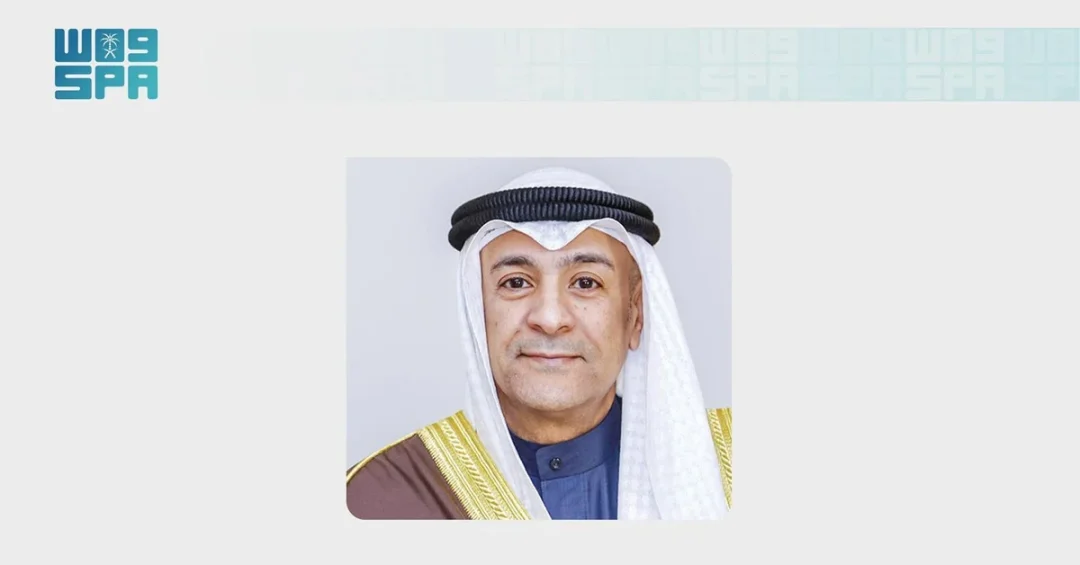
Secretary-General of the Gulf Cooperation Council (GCC) Jasem Mohamed Albudaiwi met with Egypt’s Minister of Foreign Affairs, Migration and Egyptian Expatriates Dr. Badr Abdelatty on Tuesday in Bangkok to review the deep-rooted brotherly relations between the GCC states and Egypt and to discuss ways of enhancing joint cooperation across economic, investment and development fields. The meeting took place on the sidelines of the Secretary-General’s participation in the 2026 Annual Meetings of the International Monetary Fund (IMF) and the World Bank Group, according to the Saudi Press Agency (SPA).
The encounter underscores the steadily expanding partnership between the six-member Gulf bloc and the Arab Republic of Egypt, a relationship that has moved well beyond traditional diplomacy into a structured economic alliance. As both sides confront a fast-changing regional landscape, the Bangkok talks signal a shared determination to convert historic ties into tangible projects, coordinated policy and long-term prosperity. The discussions also reflect the GCC’s broader role as a stabilizing economic anchor in the Middle East and North Africa, a role that Saudi Arabia, as the bloc’s largest economy and home to its headquarters in Riyadh, continues to champion. For international observers, the meeting offers a clear window into how Gulf capitals and Cairo intend to work together on trade, investment and regional security in the years ahead.
Context and Background
How did the relationship between the Gulf Cooperation Council and Egypt evolve into one of the most consequential partnerships in the Arab world? The foundations were laid decades ago through shared history, language and strategic interests, but the modern chapter began in earnest when the GCC and Egypt elevated their ties to a strategic dialogue framework. That framework has since produced regular political consultations, joint investment forums and coordinated positions on regional developments. Egypt’s geographic position, its large consumer market and its skilled workforce complement the Gulf’s capital, energy resources and global trade networks, creating a natural economic symbiosis that both sides have sought to institutionalize.
Saudi Arabia has been a central driver of this convergence. The Kingdom has consistently supported Egypt’s economic stability, including through deposits and investment commitments channeled via the Saudi Fund for Development and the Public Investment Fund (PIF), while Egyptian workers, professionals and entrepreneurs have contributed to the Gulf’s growth for generations. The GCC-Egypt relationship is therefore not merely diplomatic but deeply human and economic, resting on millions of personal and commercial connections. The Bangkok meeting builds on this accumulated goodwill and seeks to give it a more structured, forward-looking architecture.
The timing is significant. The 2026 IMF and World Bank Group Annual Meetings brought together finance ministers, central bank governors and development leaders from around the world to assess global growth prospects, debt sustainability and the financing needs of emerging economies. By holding a bilateral meeting on the margins of that gathering, the GCC Secretary-General and Egypt’s Foreign Minister placed their partnership squarely within the global economic conversation, signaling that Gulf-Egypt cooperation is not a regional sideshow but a component of international economic stability.
Key Details of the Bangkok Meeting
What exactly was discussed behind closed doors in Bangkok? According to the Saudi Press Agency, the two sides reviewed the deep-rooted brotherly relations between the GCC states and Egypt and examined ways to enhance joint cooperation and coordination across various fields. They also reviewed a number of proposed projects and initiatives aimed at developing the prospects of the GCC-Egyptian partnership, with a particular focus on economic, investment and development cooperation that serves common interests and supports prosperity for both sides. The language used in the official readout emphasizes practical outcomes rather than symbolic gestures.
The meeting further included an exchange of views on the latest regional developments. Both sides affirmed the importance of continuing GCC-Egyptian consultation and coordination on the various challenges facing the region, in a manner that contributes to consolidating regional and global security and stability. This dual focus on economics and security reflects the integrated approach that has come to define Gulf diplomacy: prosperity and stability are treated as two sides of the same coin, and neither can be sustained without the other.
Secretary-General Albudaiwi, a seasoned Kuwaiti diplomat who has led the GCC General Secretariat since 2023, has made outreach to Egypt a recurring theme of his tenure. Dr. Badr Abdelatty, Egypt’s top diplomat with responsibility for migration and expatriate affairs, brought to the table Cairo’s interest in deepening ties with the Gulf on multiple fronts, including labor mobility, remittances and investment flows. The presence of migration and expatriate affairs within his portfolio is itself a reminder that millions of Egyptians live and work in the GCC states, making labor and remittance policy a core pillar of the relationship.
Proposed Projects and Economic Initiatives
What kinds of projects could emerge from this renewed momentum? The official readout refers to proposed projects and initiatives designed to develop the prospects of the GCC-Egyptian partnership. In practice, this is likely to encompass trade facilitation measures, joint ventures in industry and agriculture, cooperation in renewable energy and infrastructure, and expanded financial linkages between Gulf and Egyptian institutions. Egypt has actively sought Gulf investment in its Suez Canal Economic Zone, its ports, its power generation capacity and its growing technology sector, while Gulf states have looked to Egypt as a gateway to African and Mediterranean markets.
Investment cooperation is already substantial. Saudi Arabia, the United Arab Emirates and Kuwait have been among the largest sources of foreign direct investment in Egypt, and Egyptian expatriates in the Gulf send home billions of dollars in remittances each year, providing a vital cushion for Egypt’s external accounts. The proposed initiatives discussed in Bangkok would seek to make these flows more predictable and to widen them into new sectors such as digital economy, logistics, tourism and food security. Food security is a particularly promising area, given Egypt’s agricultural capacity and the Gulf’s need for reliable supply chains.
Development cooperation also features prominently. Gulf development funds have historically financed infrastructure and social projects in Egypt, and future collaboration could target education, healthcare and small and medium enterprise support. Such projects align with the broader vision of both sides: Egypt aims to modernize its economy and create jobs for its young population, while the GCC states seek stable, prosperous partners that can contribute to regional growth. The Bangkok discussions appear designed to translate these shared objectives into a concrete pipeline of bankable initiatives.
International and Regional Impact
Why should the wider world pay attention to a Gulf-Egypt meeting held on the sidelines of an IMF gathering? Because the GCC and Egypt together represent a substantial share of the Middle East and North Africa’s population, economic output and strategic weight. Closer coordination between them can influence everything from energy markets and shipping lanes to labor migration and regional security. When Gulf capital and Egyptian manpower and markets align, the effects are felt far beyond the two parties, shaping investment trends, trade routes and diplomatic outcomes across the region.
The meeting also reinforces the GCC’s growing profile as a global economic actor. The Secretary-General’s participation in the IMF and World Bank meetings reflects the bloc’s ambition to be heard in international financial governance, not merely as a group of energy exporters but as a source of investment, development finance and diplomatic mediation. Egypt, for its part, gains a powerful set of partners as it navigates a challenging global economic environment marked by high debt, volatile commodity prices and shifting trade patterns. The Bangkok talks thus carry implications for international creditors, investors and multilateral institutions watching the region.
From a security perspective, the emphasis on continued consultation and coordination on regional challenges is equally important. The Middle East faces a complex set of issues, including conflict, maritime security and economic disruption. A unified Gulf-Egyptian approach, built on dialogue and mutual interest, contributes to the kind of stability that allows trade, tourism and investment to flourish. The two sides’ affirmation of their commitment to regional and global security and stability is therefore not a diplomatic formality but a substantive statement of intent.
Economic and Strategic Significance
What does this partnership mean in hard economic terms? The GCC is one of the world’s most important sources of sovereign capital, with the Public Investment Fund of Saudi Arabia, the Abu Dhabi Investment Authority and other Gulf funds deploying hundreds of billions of dollars globally. Egypt is the most populous Arab country and a market of over 100 million people with a strategic location linking the Mediterranean, the Red Sea and Africa. Bringing these two strengths together creates a powerful combination for trade, investment and infrastructure development, one that can attract additional partners from Asia, Europe and the Americas.
For Saudi Arabia, the meeting aligns with a broader strategy of regional economic integration. The Kingdom’s Vision 2030 reform agenda prioritizes diversification, private sector growth and global connectivity, all of which benefit from stable and prosperous neighbors and partners. A stronger Egypt means a more reliable partner for Saudi exports, a larger market for Saudi goods and services, and a more resilient region overall. Saudi Arabia’s leadership within the GCC also gives it a central role in shaping the bloc’s external partnerships, including with Cairo.
The strategic dimension extends to labor markets. Egyptian professionals and workers are deeply integrated into the Gulf economies, contributing to construction, healthcare, education, retail and technology. Policies that improve the mobility, rights and productivity of these workers benefit both sending and receiving countries. By including migration and expatriate affairs in the Bangkok discussion, the two sides acknowledged this human dimension and signaled an intent to manage it cooperatively. Remittances, skills development and circular migration are likely to feature in future technical discussions.
Vision 2030 Alignment
How does the GCC-Egypt partnership connect to Saudi Arabia’s Vision 2030? Vision 2030 is built on the idea that Saudi Arabia’s future prosperity depends on a diversified economy, a vibrant society and an influential international role. Regional partnerships are essential to all three pillars. Egypt is a natural partner for Saudi Arabia in trade, investment, tourism and cultural exchange, and the Kingdom’s support for Egyptian stability reflects the understanding that a strong neighborhood is a prerequisite for sustained national success. The Bangkok meeting, by advancing GCC-Egypt economic cooperation, directly supports these objectives.
Beyond economics, the meeting reinforces the values of consultation, dialogue and shared responsibility that Saudi Arabia and its GCC partners promote internationally. As the Kingdom prepares to host major global events and expands its diplomatic footprint, partnerships like the one with Egypt help project a message of stability, openness and progress. The Secretary-General’s engagement at the IMF and World Bank meetings also highlights how the GCC, with Saudi Arabia at its core, is working to shape global economic governance in ways that serve developing and emerging economies. The Bangkok talks are a small but meaningful step in a long journey toward a more integrated, prosperous and secure region.
20 Questions
Q1. Who met in Bangkok to discuss GCC-Egypt cooperation?
A1. GCC Secretary-General Jasem Mohamed Albudaiwi met Egypt’s Minister of Foreign Affairs, Migration and Egyptian Expatriates Dr. Badr Abdelatty on Tuesday in Bangkok, according to the Saudi Press Agency.
Q2. Why was the meeting held in Bangkok?
A2. It took place on the sidelines of the 2026 Annual Meetings of the International Monetary Fund and the World Bank Group, which brought global economic leaders together in the Thai capital.
Q3. What was the main focus of the discussions?
A3. The two sides reviewed deep-rooted brotherly relations between the GCC states and Egypt and discussed ways to enhance joint cooperation and coordination across economic, investment and development fields.
Q4. Did they discuss specific projects?
A4. Yes. They reviewed a number of proposed projects and initiatives aimed at developing the prospects of the GCC-Egyptian partnership and serving common interests.
Q5. What did the two sides say about regional challenges?
A5. They exchanged views on the latest regional developments and affirmed the importance of continuing GCC-Egyptian consultation and coordination to support regional and global security and stability.
Q6. Who is Jasem Mohamed Albudaiwi?
A6. He is the Secretary-General of the Gulf Cooperation Council, a seasoned Kuwaiti diplomat who has led the GCC General Secretariat and prioritized outreach to partners such as Egypt.
Q7. Who is Dr. Badr Abdelatty?
A7. He is Egypt’s Minister of Foreign Affairs, Migration and Egyptian Expatriates, responsible for Egypt’s diplomacy and for matters concerning Egyptians living abroad.
Q8. Why is the GCC-Egypt relationship important?
A8. It combines Gulf capital, energy resources and global trade networks with Egypt’s large market, strategic location and skilled workforce, creating a powerful economic partnership.
Q9. What economic areas could see deeper cooperation?
A9. Potential areas include trade facilitation, joint ventures, renewable energy, infrastructure, digital economy, logistics, tourism and food security, according to the broad themes discussed.
Q10. How does Saudi Arabia fit into this partnership?
A10. Saudi Arabia is the GCC’s largest economy and a leading investor in Egypt, and the Kingdom has consistently supported Egyptian economic stability through investment and development finance.
Q11. What role do Egyptian expatriates play in the Gulf?
A11. Millions of Egyptians work across GCC states in sectors such as construction, healthcare, education and technology, sending home remittances that support Egypt’s economy.
Q12. Why is the IMF and World Bank setting significant?
A12. It places the GCC-Egypt partnership within global discussions on growth, debt and development finance, highlighting the region’s role in international economic stability.
Q13. What does the GCC seek internationally?
A13. The GCC aims to be heard in global financial governance as a source of investment, development finance and diplomatic mediation, not only as an energy exporter.
Q14. How could this meeting affect regional security?
A14. Closer consultation and coordination between the GCC and Egypt can contribute to stability, which in turn supports trade, tourism and investment across the region.
Q15. What is the Suez Canal Economic Zone’s relevance?
A15. It is a major investment destination where Gulf capital can support ports, industry and logistics, linking Red Sea and Mediterranean trade routes.
Q16. What is the significance of the migration portfolio?
A16. It highlights the human dimension of GCC-Egypt ties, including labor mobility, workers’ rights, skills development and remittance flows between the two sides.
Q17. How does this align with Vision 2030?
A17. Vision 2030 prioritizes diversification, global connectivity and regional stability, all of which are supported by stronger economic partnerships with countries such as Egypt.
Q18. What did the official readout emphasize?
A18. It emphasized brotherly relations, enhanced cooperation, proposed projects and initiatives, and continued consultation on regional challenges to support security and stability.
Q19. What might come next after the Bangkok talks?
A19. Technical discussions, joint investment forums and a pipeline of bankable projects in trade, energy, infrastructure and development are likely next steps.
Q20. Why does this meeting matter to international readers?
A20. It shows how Gulf and Egyptian cooperation shapes investment, trade, labor markets and regional stability, with implications for global economic and security dynamics.
Reader Feedback
We value your thoughts. Please share your feedback on this article.
Your feedback helps us improve our coverage.
Related articles
 WPC Energy Congress in Riyadh Highlights Saudi Arabia’s Leading Role in Energy Sector Future
 GCC Secretary-General Meets IMF Arab Group Representative in Bangkok
 Saudi Arabia Launches Online Store Verification on Tawakkalna
 Saudi Ministry of Finance Concludes Participation in IPSASB Q1 Meeting in Washington DC
 IsDB Signs €326 Million Financing Agreements to Boost Development in Benin
 IsDB, Nigeria Deepen Strategic Ties in Key Sectors