


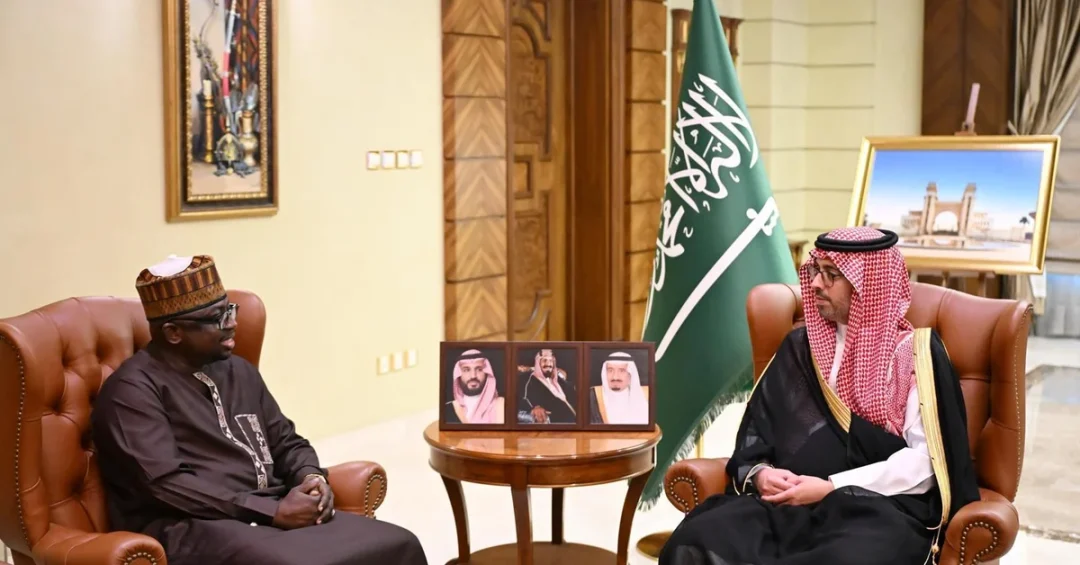
The Governor of Jeddah, Prince Saud bin Abdullah bin Jalawi, received the Consul General of the Federal Republic of Nigeria in Jeddah, Muazam Ibrahim Nayaya, at his office on March 18, 2025, according to the Saudi Press Agency (SPA). The two officials held cordial talks and discussed topics of common interest, underscoring the enduring diplomatic, economic, and cultural ties between the Kingdom of Saudi Arabia and Nigeria. The meeting, reported through official Saudi channels, reflects the Kingdom’s continued commitment to strengthening international partnerships under the leadership of the Custodian of the Two Holy Mosques, King Salman bin Abdulaziz Al Saud, and His Royal Highness Crown Prince Mohammed bin Salman bin Abdulaziz Al Saud, Prime Minister.
The courtesy meeting may appear routine, but it carries meaningful weight in the broader context of Saudi Arabia’s foreign policy and its Vision 2030 drive to deepen global engagement. Nigeria, Africa’s most populous nation and one of its largest economies, is a key partner for the Kingdom in West Africa, with longstanding cooperation spanning energy, trade, pilgrimage services, and cultural exchange. As Saudi Arabia continues to expand its diplomatic footprint and economic diversification, engagements such as this one in Jeddah serve as vital threads in a growing web of international relations. How does a simple diplomatic reception in Jeddah ripple across continents and contribute to the Kingdom’s strategic ambitions?
Context and Background
Why does a meeting between a regional governor and a foreign consul general matter in the grand scheme of international diplomacy? In Saudi Arabia, the answer lies in the Kingdom’s decentralized yet highly coordinated approach to foreign relations. Jeddah, as the historic gateway to the Two Holy Mosques and a major commercial hub, hosts numerous consulates and international organizations. The Governor of Jeddah plays a pivotal role in facilitating these diplomatic missions, ensuring that bilateral interests are nurtured at the local level while aligning with national objectives set by the Ministry of Foreign Affairs.
The relationship between Saudi Arabia and Nigeria dates back decades, rooted in shared membership in the Organization of Islamic Cooperation (OIC), whose headquarters are in Jeddah, and the United Nations. Nigeria is home to a large Muslim population, and thousands of Nigerian pilgrims perform Hajj and Umrah annually, making the Kingdom a spiritual destination for many Nigerians. In recent years, both nations have sought to expand cooperation beyond pilgrimage to include energy, agriculture, infrastructure, and technology. The Consul General’s role in Jeddah is thus multifaceted: protecting Nigerian citizens, promoting trade, and fostering people-to-people ties.
The meeting on March 18, 2025, comes amid Saudi Arabia’s intensified outreach to African nations, a continent viewed as a cornerstone of future global growth. The Kingdom’s Vision 2030 includes a strong focus on diversifying partnerships and attracting foreign investment. By receiving the Nigerian Consul General, Prince Saud bin Abdullah bin Jalawi reaffirmed Jeddah’s status as a diplomatic crossroads and a city that embodies Saudi hospitality and openness. What does this say about the Kingdom’s evolving role as a bridge between the Middle East and Africa?
Key Details
What exactly transpired during this diplomatic encounter? According to the official Saudi Press Agency report, Governor Prince Saud bin Abdullah bin Jalawi and Consul General Muazam Ibrahim Nayaya engaged in cordial talks and discussed topics of common interest. While the specifics of the conversation were not disclosed, such meetings typically cover a range of bilateral issues, including trade facilitation, consular services for Nigerian residents in the Kingdom, cultural exchanges, and potential avenues for investment. The tone was positive, reflecting the warm relations between the two countries.
The Consul General, as Nigeria’s top diplomatic representative in Jeddah, is responsible for the western region of Saudi Arabia, including the holy cities of Makkah and Madinah. This makes his role particularly significant for Nigerian pilgrims and residents. The Governor, appointed by royal decree, oversees the administrative and developmental affairs of Jeddah, a city of over four million people and a key node in Saudi Arabia’s economic landscape. Their discussion likely touched on ways to enhance cooperation in areas such as education, health, and halal trade, all of which are priority sectors under Vision 2030.
It is also worth noting that this meeting is part of a pattern of regular diplomatic engagements by Saudi regional governors. These interactions help to maintain open channels of communication, address consular matters promptly, and identify opportunities for collaboration. For Nigeria, maintaining strong ties with Saudi Arabia is strategically important, given the Kingdom’s influence in global energy markets and its leadership in the Islamic world. For Saudi Arabia, Nigeria represents a vital partner in Africa, a region where the Kingdom is keen to expand its soft power and economic footprint. How might these local-level diplomatic efforts translate into tangible benefits for both nations?
International and Regional Impact
In what ways does this meeting resonate beyond the immediate bilateral relationship? Saudi Arabia’s engagement with Nigeria is part of a broader strategy to strengthen ties with African countries, many of which are experiencing rapid economic growth and demographic expansion. The Kingdom has been actively investing in African infrastructure, agriculture, and renewable energy through its sovereign wealth fund, the Public Investment Fund (PIF), and has hosted numerous African leaders in Riyadh. By nurturing relationships at the consular level, Saudi Arabia builds a foundation of goodwill that supports higher-level diplomatic and commercial initiatives.
Regionally, the meeting underscores Jeddah’s importance as a diplomatic hub. The city hosts the headquarters of the OIC and the Islamic Development Bank (IsDB), both of which work closely with Nigeria on development projects. The IsDB, for instance, has financed numerous projects in Nigeria in sectors such as education, health, and agriculture. The Consul General’s interactions with local authorities help to align these efforts with on-the-ground realities. Furthermore, Nigeria’s role in West Africa and the Sahel makes it a key player in regional security and economic integration. Saudi Arabia’s support for Nigeria’s development and stability aligns with the Kingdom’s own interests in promoting moderate Islam and combating extremism.
On the global stage, the meeting reflects Saudi Arabia’s commitment to multilateralism and its desire to be seen as a responsible global actor. The Kingdom’s G20 presidency in 2020 and its ongoing hosting of major international events have elevated its profile. By maintaining robust diplomatic relations with countries like Nigeria, Saudi Arabia reinforces its position as a leader in the Muslim world and a bridge between continents. What message does this send to other nations about the Kingdom’s openness and reliability as a partner?
Economic and Strategic Significance
Why should economic observers pay attention to this diplomatic courtesy call? Nigeria is one of the world’s largest oil producers, and both Saudi Arabia and Nigeria are influential members of the Organization of the Petroleum Exporting Countries (OPEC). Their cooperation within OPEC helps to stabilize global oil markets, which is crucial for both economies. Beyond energy, there is immense potential for trade and investment. Saudi Arabia’s Vision 2030 aims to increase non-oil exports and attract foreign investment, and Nigeria’s growing consumer market offers opportunities for Saudi businesses in sectors such as petrochemicals, construction, and Islamic finance.
The meeting also highlights the importance of remittances. Many Nigerian expatriates work in Saudi Arabia, contributing to both economies. The Consul General’s role includes ensuring the welfare of these workers, which is a priority for the Kingdom as it continues to improve labor conditions and attract skilled professionals. Additionally, Saudi Arabia is a major destination for Nigerian pilgrims, and the pilgrimage industry generates significant revenue for both countries. Streamlining travel and enhancing services for pilgrims is a shared interest that can boost economic ties. How can Saudi Arabia and Nigeria leverage their complementary strengths to create win-win economic outcomes?
Strategically, Nigeria’s location on the Atlantic coast and its membership in ECOWAS make it a gateway to West Africa. Saudi Arabia’s investments in Nigeria could serve as a springboard for broader African engagement. The Kingdom’s Vision 2030 includes plans to develop logistics hubs and increase non-oil exports, and partnerships with African nations like Nigeria are essential to these goals. The meeting between Governor Prince Saud and Consul General Nayaya may seem small, but it is a building block in a larger edifice of Saudi-African cooperation. What are the long-term implications for Saudi Arabia’s economic diversification and global competitiveness?
Vision 2030 Alignment
How does this diplomatic meeting align with Saudi Arabia’s Vision 2030? Vision 2030 is not just an economic blueprint; it is a comprehensive plan to transform Saudi society and its role in the world. A key pillar is strengthening international partnerships and enhancing the Kingdom’s soft power. By receiving the Nigerian Consul General, Prince Saud bin Abdullah bin Jalawi is actively contributing to this goal. Jeddah, as a major city and the gateway to the Two Holy Mosques, is at the forefront of Saudi Arabia’s efforts to welcome the world, whether for pilgrimage, business, or cultural exchange.
Moreover, Vision 2030 emphasizes the importance of effective diplomacy and global engagement. The Kingdom seeks to be a pivotal player in regional and global affairs, and maintaining strong ties with influential nations like Nigeria is part of that strategy. The meeting also reflects the Vision’s focus on improving government services and facilitating international cooperation. By engaging with consular officials, local leaders can address issues promptly and ensure that foreign residents and visitors have positive experiences in the Kingdom. This contributes to Saudi Arabia’s reputation as a welcoming and efficient country. In the years ahead, such interactions will continue to pave the way for deeper collaboration and mutual prosperity.
In conclusion, the reception of Nigeria’s Consul General by the Governor of Jeddah is a small but meaningful event that underscores Saudi Arabia’s commitment to building bridges with Africa and the world. It highlights the Kingdom’s diplomatic professionalism, its economic ambitions, and its cultural openness. As Saudi Arabia marches toward Vision 2030, these engagements will multiply, strengthening its global standing and bringing tangible benefits to its people and partners. How will the world look back on these diplomatic seeds sown today? They will likely see them as vital steps in Saudi Arabia’s journey to a brighter, more interconnected future.
20 Questions
Q1. Who received Nigeria’s Consul General in Jeddah?
A1. The Governor of Jeddah, Prince Saud bin Abdullah bin Jalawi, received Nigeria’s Consul General Muazam Ibrahim Nayaya on March 18, 2025, according to the Saudi Press Agency.
Q2. When did the meeting take place?
A2. The meeting took place on March 18, 2025, as reported by the Saudi Press Agency, which is the official news agency of Saudi Arabia.
Q3. What was the purpose of the meeting?
A3. The meeting was a diplomatic courtesy call where the two officials held cordial talks and discussed topics of common interest, reflecting the strong bilateral relations between Saudi Arabia and Nigeria.
Q4. Who is the Consul General of Nigeria in Jeddah?
A4. The Consul General of the Federal Republic of Nigeria in Jeddah is Muazam Ibrahim Nayaya, who represents Nigerian interests in the western region of Saudi Arabia.
Q5. What is the significance of Jeddah in Saudi diplomacy?
A5. Jeddah is a major diplomatic hub, hosting many consulates and international organizations like the OIC and IsDB, and serves as the gateway to the Two Holy Mosques, making it vital for international relations.
Q6. How does this meeting reflect Saudi Arabia’s Vision 2030?
A6. The meeting aligns with Vision 2030’s goal of strengthening international partnerships and enhancing Saudi Arabia’s global engagement, showcasing the Kingdom’s openness and diplomatic professionalism.
Q7. What are the key areas of cooperation between Saudi Arabia and Nigeria?
A7. Key areas include energy, trade, pilgrimage services, cultural exchange, and investment, with both nations seeking to expand ties beyond traditional sectors.
Q8. How many Nigerian pilgrims travel to Saudi Arabia annually?
A8. Thousands of Nigerian pilgrims perform Hajj and Umrah annually, making Saudi Arabia a key spiritual destination for Nigerians and fostering strong people-to-people ties.
Q9. What role does the OIC play in Saudi-Nigeria relations?
A9. The OIC, headquartered in Jeddah, provides a platform for Saudi Arabia and Nigeria to collaborate on issues of common interest, including education, health, and Islamic solidarity.
Q10. How does this meeting impact economic ties?
A10. It helps maintain open channels for trade and investment discussions, potentially leading to increased cooperation in sectors like petrochemicals, construction, and Islamic finance.
Q11. What is the role of the Governor of Jeddah?
A11. The Governor oversees the administrative and developmental affairs of Jeddah, facilitates diplomatic missions, and ensures the city’s smooth functioning as a major commercial and pilgrimage hub.
Q12. Why is Nigeria important to Saudi Arabia’s Africa strategy?
A12. Nigeria is Africa’s most populous nation and a key economic and political player, making it a vital partner for Saudi Arabia’s efforts to expand its influence and economic ties in Africa.
Q13. What topics were likely discussed in the meeting?
A13. While specifics were not disclosed, discussions likely covered consular services, trade facilitation, cultural exchanges, and potential investment opportunities of mutual benefit.
Q14. How does this meeting contribute to regional stability?
A14. By fostering good relations with Nigeria, a regional power in West Africa, Saudi Arabia supports stability and cooperation, aligning with its goals of promoting moderate Islam and combating extremism.
Q15. What is the significance of the meeting being reported by SPA?
A15. Reporting by the Saudi Press Agency signifies the official nature of the meeting and underscores the transparency and importance the Kingdom places on its diplomatic engagements.
Q16. How does Jeddah’s role as a gateway to the Two Holy Mosques affect diplomacy?
A16. Jeddah’s proximity to Makkah and Madinah makes it a focal point for diplomatic missions from Muslim-majority countries, enhancing its importance in facilitating pilgrimage and bilateral relations.
Q17. What economic benefits can Saudi Arabia gain from stronger ties with Nigeria?
A17. Saudi Arabia can expand non-oil exports, attract Nigerian investment, and increase cooperation in energy and infrastructure, contributing to Vision 2030’s economic diversification goals.
Q18. How does this meeting reflect Saudi Arabia’s soft power?
A18. By engaging with foreign diplomats, Saudi Arabia demonstrates its cultural openness, hospitality, and commitment to international cooperation, enhancing its soft power and global image.
Q19. What future steps might follow this meeting?
A19. Future steps could include follow-up discussions on specific cooperation areas, exchange visits by business delegations, and joint initiatives in trade, education, or health.
Q20. How does this event fit into Saudi Arabia’s broader diplomatic strategy?
A20. It is part of Saudi Arabia’s proactive diplomacy to build and maintain strong relationships worldwide, supporting Vision 2030’s objectives of global engagement and economic diversification.
Reader Feedback
We value your thoughts. Please share your feedback on this article.
Your feedback helps us improve our coverage.
Related articles
 Saudi Iftar, Date Programs Reach 175,000 in India, Neighbors
 Islamic Affairs Ministry Holds Iftar Banquets in Bangladesh
 Zamluq: Golden Desert Flower Blooms in Saudi Arabia’s Northern Borders
 Crown Prince Chairs Cabinet Session, Reviews Global and Domestic Affairs
 33,000 Saudi-Made Carpets Adorn Grand Mosque
 Mohammed bin Salman Project Restores Bani Haram Mosque in Madinah