


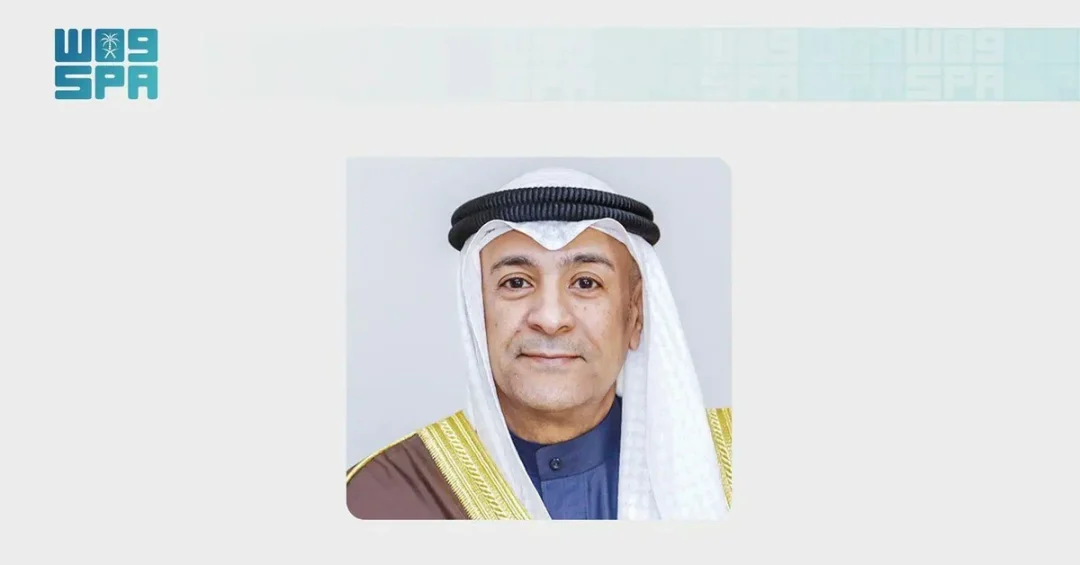
Gulf Cooperation Council Secretary-General Jasem Albudaiwi has issued a strong condemnation of the terrorist attack carried out by the Houthi militia against King Khalid International Airport in Riyadh, which resulted in a number of casualties, according to an official statement released through the Saudi Press Agency. The attack targeted a civilian aviation facility serving millions of passengers each year, drawing an immediate and unequivocal response from the GCC’s most senior official, who described the assault as a flagrant violation of fundamental humanitarian principles and international conventions. The condemnation was published via official Saudi channels and represents the collective position of the six-member Gulf bloc.
The attack on King Khalid International Airport, one of the Middle East’s busiest aviation hubs, has prompted urgent calls for coordinated international action. Albudaiwi stressed that deliberately targeting civilian airports and travelers demands decisive deterrence to prevent the recurrence of such assaults. His statement reaffirmed that the security of the Kingdom of Saudi Arabia is an indivisible part of GCC collective security, underscoring the council’s absolute solidarity and full backing for all measures taken by the Kingdom to safeguard its citizens, residents, critical infrastructure, and territorial integrity. The secretary-general also extended sincere condolences to the families of the victims and wished the injured a swift recovery.
Context and Background
How did this attack come to dominate regional headlines, and what does it reveal about the security environment facing the Gulf? King Khalid International Airport, located approximately 35 kilometers north of Riyadh, is one of the largest and most strategically significant aviation facilities in the Middle East. Named after the late King Khalid bin Abdulaziz Al Saud, the airport opened in 1983 and has since grown into a major gateway for international travel, commerce, and pilgrimage traffic. It serves as a primary hub for Saudia, the Kingdom’s national carrier, and handles tens of millions of passengers annually. The airport’s dual role as a civilian and strategic asset makes any attack on its facilities a matter of profound regional concern.
The Houthi militia, which has been responsible for numerous cross-border attacks against Saudi Arabia in recent years, has repeatedly targeted civilian infrastructure, including airports, oil facilities, and residential areas. These attacks have drawn widespread international condemnation and have been characterized by Saudi officials and their allies as violations of international humanitarian law. The targeting of King Khalid International Airport represents an escalation that directly threatens the safety of travelers from around the world, including businesspeople, tourists, and religious pilgrims who transit through Riyadh each day.
The GCC’s response reflects a long-standing principle enshrined in its founding charter: that the security of any member state is a matter of collective concern. Article 2 of the GCC Charter emphasizes cooperation in security and defense matters, and the council has consistently treated threats against one member as threats against all. Albudaiwi’s statement is therefore not merely diplomatic rhetoric but a reaffirmation of a binding regional security doctrine that has guided Gulf relations for more than four decades.
Key Details of the Condemnation
What precisely did the GCC Secretary-General say, and why does the language matter? Albudaiwi’s statement was notable for its directness. He expressed “grave denunciation and unequivocal condemnation” of the attack, language that leaves no room for ambiguity. He emphasized that targeting civilian airports and travelers constitutes a violation of fundamental humanitarian principles and international conventions, framing the assault not just as a bilateral issue between Saudi Arabia and the Houthis but as a matter of global concern.
The secretary-general called for urgent international action and decisive deterrence, signaling that the GCC believes the international community must do more to prevent such attacks. This call aligns with Saudi Arabia’s consistent position at the United Nations and other multilateral forums, where the Kingdom has urged stronger measures against non-state actors that threaten regional stability. The statement also underscored the GCC’s “absolute solidarity and full backing” for all measures taken by the Kingdom to safeguard its citizens, residents, critical infrastructure, and territorial integrity.
The expression of condolences to the families of the victims and wishes for a swift recovery for the injured adds a human dimension to the diplomatic response. The attack resulted in a number of casualties, according to the official statement, though specific figures were not disclosed. The GCC’s response reflects the seriousness with which the council treats any threat to civilian life and infrastructure within its member states.
International and Regional Impact
How will the international community respond to an attack on a major civilian aviation hub? The targeting of King Khalid International Airport raises immediate questions about aviation security across the region. International airlines that operate routes to Riyadh may reassess their security protocols, and foreign governments are likely to issue travel advisories. The attack also complicates ongoing diplomatic efforts to reduce regional tensions, as it underscores the persistent threat posed by non-state armed groups operating in the region.
Regional powers have historically responded to attacks on GCC member states with a combination of diplomatic condemnation and enhanced security cooperation. The GCC’s joint military command, known as the Peninsula Shield Force, exists precisely for scenarios in which collective defense is required. While the statement did not announce specific military measures, the reaffirmation of collective security sends a clear signal that the Gulf states are prepared to coordinate their responses to shared threats.
The attack also has implications for the broader Middle East security architecture. Saudi Arabia has been a leading voice in calling for a comprehensive approach to regional security that addresses the root causes of instability, including the proliferation of militia groups and the flow of advanced weapons. The GCC’s condemnation reinforces the Kingdom’s position that addressing such threats requires a unified international front.
Economic and Strategic Significance
What does an attack on a major airport mean for Saudi Arabia’s economic ambitions? King Khalid International Airport is not only a passenger hub but also a critical node in the Kingdom’s logistics and trade networks. It handles significant cargo traffic and serves as a gateway for foreign investment and business travel. Any disruption to its operations carries economic consequences that extend beyond Saudi Arabia’s borders, affecting supply chains and commercial connectivity across the Gulf region.
The attack comes at a time when Saudi Arabia is investing heavily in aviation and tourism infrastructure as part of its economic diversification strategy. The Kingdom has announced ambitious plans to expand airport capacity, launch new airlines, and attract millions of international visitors. The targeting of a key aviation asset is therefore not just a security challenge but also an economic one, as it threatens the confidence of investors and travelers alike. The GCC’s swift condemnation is intended in part to reassure international partners that the region remains committed to protecting critical infrastructure and maintaining stable economic conditions.
The strategic significance of the GCC’s response should not be underestimated. By framing the attack as a threat to collective security, the council is signaling that any aggression against Saudi Arabia will be met with a unified Gulf response. This deterrent posture is central to the GCC’s security doctrine and reflects the bloc’s evolution from a primarily economic organization into a comprehensive political and security alliance.
Vision 2030 Alignment
How does this attack and the response to it connect to Saudi Arabia’s long-term vision for the future? Saudi Vision 2030, the Kingdom’s comprehensive reform and diversification plan, places security and stability at the foundation of its economic and social ambitions. Without a secure environment, the ambitious goals of Vision 2030, including the expansion of tourism, the growth of the private sector, and the development of new industries, cannot be realized. The attack on King Khalid International Airport is therefore not just a security incident but a direct challenge to the Kingdom’s vision for a prosperous and interconnected future.
The GCC’s reaffirmation of solidarity with Saudi Arabia reinforces the regional cooperation that is essential to achieving Vision 2030’s objectives. The Kingdom’s leadership has consistently emphasized that its security is inseparable from that of its Gulf neighbors, and the council’s statement reflects that shared understanding. In the face of such threats, Saudi Arabia remains committed to protecting its people, its infrastructure, and its territorial integrity, while continuing to pursue the path of modernization and global engagement that Vision 2030 represents.
20 Questions
Q1. What happened at King Khalid International Airport?
A1. The Houthi militia carried out a terrorist attack targeting King Khalid International Airport in Riyadh, resulting in a number of casualties, according to an official statement released through the Saudi Press Agency.
Q2. Who condemned the attack?
A2. Gulf Cooperation Council Secretary-General Jasem Albudaiwi issued a strong condemnation, describing the attack as a flagrant violation of fundamental humanitarian principles and international conventions.
Q3. What did the GCC Secretary-General say about targeting civilian airports?
A3. Albudaiwi stressed that deliberately targeting civilian airports and travelers demands urgent international action and decisive deterrence to prevent such assaults from recurring.
Q4. How did the GCC describe Saudi Arabia’s security?
A4. The secretary-general reaffirmed that the security of the Kingdom of Saudi Arabia is an indivisible part of GCC collective security, underscoring the council’s absolute solidarity and full backing.
Q5. What measures did the GCC express support for?
A5. The GCC expressed full backing for all measures taken by the Kingdom to safeguard its citizens, residents, critical infrastructure, and territorial integrity.
Q6. Did the GCC Secretary-General offer condolences?
A6. Yes, Albudaiwi extended his sincere condolences to the families of the victims and wished the injured a swift recovery in his official statement.
Q7. What is King Khalid International Airport?
A7. King Khalid International Airport is one of the largest aviation hubs in the Middle East, located north of Riyadh, and serves as a primary gateway for international travel and commerce.
Q8. Why is this attack significant for regional security?
A8. The attack targets civilian infrastructure and threatens travelers from around the world, raising concerns about aviation security and regional stability across the Gulf.
Q9. What is the GCC’s position on collective security?
A9. The GCC Charter emphasizes cooperation in security and defense, and the council treats threats against one member state as threats against all members collectively.
Q10. How has the Houthi militia been described in relation to such attacks?
A10. The Houthi militia has been responsible for numerous cross-border attacks against Saudi Arabia, targeting civilian infrastructure and drawing widespread international condemnation for violations of international law.
Q11. What international action is being called for?
A11. The GCC is calling for urgent international action and decisive deterrence to prevent the recurrence of attacks on civilian airports and travelers.
Q12. How does this attack affect Saudi Arabia’s economic ambitions?
A12. The attack threatens confidence among investors and travelers, potentially impacting Saudi Arabia’s plans to expand aviation capacity and attract international visitors as part of its economic diversification strategy.
Q13. What is the Peninsula Shield Force?
A13. The Peninsula Shield Force is the GCC’s joint military command established for collective defense scenarios, reflecting the council’s commitment to protecting member states from shared threats.
Q14. How does this relate to Saudi Vision 2030?
A14. Vision 2030 places security and stability at the foundation of its economic and social ambitions, and attacks on critical infrastructure directly challenge the Kingdom’s long-term development goals.
Q15. What has been the international response to previous Houthi attacks?
A15. Previous attacks on Saudi infrastructure have drawn widespread international condemnation, with calls for stronger measures against non-state actors threatening regional stability.
Q16. What role does the Saudi Press Agency play?
A16. The Saudi Press Agency is the official state news agency of Saudi Arabia, providing authoritative information and statements from government officials and agencies.
Q17. What does the GCC statement say about international conventions?
A17. The statement emphasizes that targeting civilian airports flagrantly violates fundamental humanitarian principles and international conventions, demanding a firm response.
Q18. How many GCC member states support this position?
A18. All six GCC member states, including Saudi Arabia, the UAE, Kuwait, Bahrain, Qatar, and Oman, share the collective security framework that underpins the council’s position.
Q19. What does the attack mean for aviation security in the region?
A19. The attack raises immediate questions about aviation security, potentially prompting airlines and foreign governments to reassess security protocols and travel advisories for the region.
Q20. What is Saudi Arabia’s stance on protecting its territory?
A20. Saudi Arabia remains committed to safeguarding its citizens, residents, critical infrastructure, and territorial integrity, with the full backing of its GCC partners in the face of such threats.
Reader Feedback
We value your thoughts. Please share your feedback on this article.
Your feedback helps us improve our coverage.