


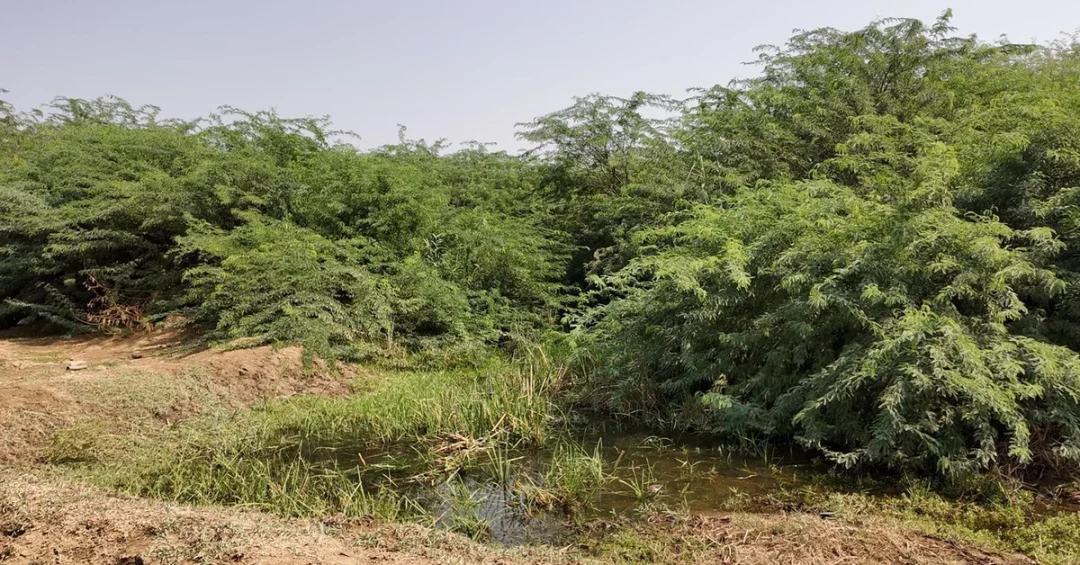
Wadi Haliyah, also known as Wadi Al-Shaqqah Al-Shamiyyah, stands as a living testament to the agricultural heritage of Al-Lith Governorate in the Makkah Region, where fertile fields and rustic earthen paths reflect a generational bond between local farmers and the Tihama Plain. The valley, highlighted in an official report by the Saudi Press Agency, showcases a rich agricultural landscape that has sustained rural communities for centuries. Have you ever wondered how ancient farming traditions continue to thrive in the heart of the Kingdom? The valley’s organized plots, traditional irrigation canals, and native trees document a deep-rooted expertise in water distribution and soil stewardship that remains vital to local food production and cultural identity.
The significance of Wadi Haliyah extends beyond its immediate agricultural output. Situated near the ancient site of Al-Sirrain, close to its Red Sea outlet, the valley forms part of a diverse geographical corridor that connects inland wadis, cultivated plains, and coastal shores. To the south lies Wadi Allib, also known as Wadi Al-Shaqqah Al-Yamaniyyah, creating a natural link between the mountains and the sea. This strategic location has historically facilitated trade and cultural exchange, and today it offers a unique window into the sustainable practices that align with Saudi Arabia’s Vision 2030 goals for environmental stewardship and rural development. Isn’t it remarkable how geography and heritage intertwine to shape a region’s identity?
Context and Background
Wadi Haliyah is one of the many valleys that characterize the Tihama Plain, a coastal region along the Red Sea known for its agricultural fertility and historical importance. The valley’s name, Al-Shaqqah Al-Shamiyyah, reflects its northern position relative to Wadi Allib, the southern counterpart. Together, these wadis create a continuous green belt that supports a variety of crops and livestock. For generations, farmers in Al-Lith Governorate have relied on seasonal rains and traditional irrigation systems to cultivate the land, developing a harmonious relationship with the environment that persists to this day. The Saudi Press Agency’s report underscores the valley’s role in preserving this heritage while contributing to local food security.
The ancient site of Al-Sirrain, located near the valley’s outlet to the Red Sea, adds a layer of historical depth to the area. Although not extensively excavated, Al-Sirrain is believed to have been a settlement or trading post in antiquity, benefiting from the valley’s fresh water and arable land. Its proximity to the coast suggests that Wadi Haliyah may have served as a gateway for goods and ideas moving between the interior of the Arabian Peninsula and the Red Sea trade routes. Today, the remnants of this past coexist with modern farming activities, creating a landscape where history is not just remembered but lived. How many other hidden gems like Wadi Haliyah await discovery in Saudi Arabia’s vast and varied terrain?
Agricultural Practices and Rural Life
At the heart of Wadi Haliyah’s identity are its farms, which feature organized agricultural plots interwoven with traditional irrigation canals, shaded footpaths, and native trees. These elements are not merely functional; they represent a sophisticated understanding of water management and soil conservation passed down through generations. The canals, known locally as “falaj” or similar systems, distribute water equitably among farmers, ensuring that even during dry periods, crops receive adequate moisture. This communal approach to irrigation fosters social cohesion and collective responsibility, values that remain central to rural life in the region. The native trees, likely including varieties such as sidr and acacia, provide shade, reduce soil erosion, and support biodiversity.
The agricultural output of Wadi Haliyah contributes to the local economy and food supply of Al-Lith Governorate and beyond. Crops may include dates, citrus fruits, and vegetables, which are sold in local markets or transported to larger cities like Jeddah and Makkah. The valley’s fertile soil and reliable water sources make it an ideal location for sustainable farming, and the knowledge held by local farmers is an invaluable asset for the Kingdom’s agricultural sector. As Saudi Arabia seeks to enhance food security and reduce reliance on imports, regions like Wadi Haliyah demonstrate the potential of traditional knowledge combined with modern techniques. Could these age-old methods hold the key to a more sustainable agricultural future?
Historical Significance and Al-Sirrain
The historical significance of Wadi Haliyah is anchored by the ancient site of Al-Sirrain, which lies near its Red Sea outlet. While detailed archaeological studies are limited, the site’s existence points to a long history of human habitation and utilization of the valley’s resources. It is plausible that Al-Sirrain served as a stopping point for caravans or a small port for fishing and trade. The valley’s strategic location, connecting inland wadis to the coast, would have made it a natural corridor for movement and exchange. This historical context enriches our understanding of the region’s role in the broader tapestry of Arabian history, linking the present-day farming community to ancient civilizations that once thrived here.
Preserving sites like Al-Sirrain is essential for cultural heritage and for fostering a sense of pride among local communities. The Saudi government, through its various heritage and tourism initiatives, has shown commitment to protecting such landmarks. The integration of historical sites with agricultural landscapes offers opportunities for educational tourism and cultural exchange. Visitors could learn about ancient trade routes, traditional farming methods, and the enduring relationship between people and their environment. Isn’t it fascinating how a single valley can encapsulate thousands of years of human ingenuity and adaptation?
International and Regional Impact
Wadi Haliyah’s agricultural heritage and scenic greenery have implications beyond Saudi Arabia’s borders. As the world grapples with climate change and food security challenges, traditional farming systems that prioritize water efficiency and soil health offer valuable lessons. The valley’s practices align with global efforts to promote sustainable agriculture and rural development, as outlined by the United Nations Sustainable Development Goals. By preserving and promoting such heritage, Saudi Arabia positions itself as a responsible steward of cultural and natural resources, enhancing its international standing and soft power.
Regionally, Wadi Haliyah contributes to the economic and social fabric of the Makkah Region. The valley’s produce supports local markets and provides livelihoods for farming families, helping to stem rural-to-urban migration. Moreover, the area’s potential for agro-tourism could attract visitors from across the Kingdom and abroad, boosting the local economy and showcasing Saudi Arabia’s natural beauty. The development of agro-tourism aligns with the Kingdom’s broader tourism strategy, which aims to diversify revenue sources and promote cultural exchange. How might the world benefit from learning about the sustainable practices of Wadi Haliyah?
Economic and Strategic Significance
From an economic perspective, Wadi Haliyah represents a model of sustainable rural development that supports Saudi Arabia’s Vision 2030 objectives. The valley’s agricultural activities contribute to food security, a key pillar of the National Transformation Program. By optimizing irrigation efficiency and supporting local farming communities, the Kingdom can enhance agricultural productivity while conserving water—a critical resource in the arid climate. The valley’s heritage also adds value to the tourism sector, as visitors seek authentic experiences that connect them with nature and history. This synergy between agriculture and tourism can create new economic opportunities and jobs for local residents.
Strategically, the preservation of Wadi Haliyah’s agricultural assets and cultural heritage reinforces Saudi Arabia’s commitment to sustainable development and environmental protection. The valley’s traditional irrigation systems are exemplary of water management practices that could be scaled up or adapted to other regions facing similar challenges. By investing in the maintenance and restoration of these systems, the government can ensure their longevity and continued benefit. Furthermore, the integration of modern technology, such as precision irrigation and soil monitoring, could enhance traditional methods without undermining their cultural value. Isn’t it wise to build on the wisdom of the past to secure a prosperous future?
Vision 2030 Alignment
Wadi Haliyah’s agricultural heritage and scenic greenery are directly aligned with Saudi Arabia’s Vision 2030, which seeks to build a vibrant society, a thriving economy, and an ambitious nation. The valley embodies the vision’s emphasis on preserving cultural heritage, promoting sustainable development, and enhancing quality of life. Through initiatives that support local farmers, improve irrigation infrastructure, and develop agro-tourism, the Kingdom can unlock the full potential of Wadi Haliyah while ensuring its protection for future generations. The valley serves as a shining example of how rural areas can contribute to the national narrative of progress and prosperity.
As Saudi Arabia continues its journey toward a diversified and sustainable economy, places like Wadi Haliyah remind us of the importance of balancing modernization with tradition. The valley’s farmers, with their generational expertise, are partners in achieving the Vision 2030 goals. By empowering them with resources, training, and market access, the Kingdom can ensure that agriculture remains a viable and respected livelihood. Moreover, the promotion of Wadi Haliyah as a destination for eco-tourism and cultural tourism will showcase the best of Saudi Arabia to the world. Will you be among the first to explore this hidden treasure and witness the harmony of nature and heritage?
20 Questions
Q1. What is Wadi Haliyah also known as?
A1. Wadi Haliyah is also known as Wadi Al-Shaqqah Al-Shamiyyah, reflecting its northern position relative to Wadi Allib in the Tihama Plain.
Q2. Where is Wadi Haliyah located?
A2. It is located in Al-Lith Governorate within the Makkah Region of Saudi Arabia, near the Red Sea coast.
Q3. What is the historical significance of Wadi Haliyah?
A3. The valley is historically significant due to the ancient site of Al-Sirrain near its Red Sea outlet, indicating past human settlement and trade.
Q4. What agricultural practices are common in Wadi Haliyah?
A4. Farmers use traditional irrigation canals, organized plots, and native trees, demonstrating generational expertise in water distribution and soil stewardship.
Q5. How does Wadi Haliyah contribute to local food production?
A5. Its fertile fields yield crops like dates, citrus, and vegetables, supporting local markets and food security in the region.
Q6. What is the significance of the traditional irrigation canals?
A6. These canals ensure equitable water distribution among farmers, fostering social cohesion and sustainable farming practices.
Q7. What is the potential for agro-tourism in Wadi Haliyah?
A7. The convergence of historical landmarks and fertile farmland offers strong potential for sustainable agro-tourism, attracting visitors interested in heritage and nature.
Q8. How does Wadi Haliyah align with Vision 2030?
A8. It aligns with Vision 2030 goals of preserving cultural heritage, promoting sustainable development, and enhancing quality of life.
Q9. What is the role of local farmers in preserving the valley?
A9. Local farmers maintain traditional practices, manage irrigation, and steward the land, ensuring the valley’s agricultural heritage endures.
Q10. What is the geographical corridor created by Wadi Haliyah and Wadi Allib?
A10. Together, they form a diverse corridor connecting inland wadis, cultivated plains, and coastal shores along the Red Sea.
Q11. What ancient site is near Wadi Haliyah?
A11. The ancient site of Al-Sirrain is located near the valley’s Red Sea outlet, adding historical depth to the area.
Q12. How can irrigation efficiency be optimized in Wadi Haliyah?
A12. By integrating modern techniques like precision irrigation with traditional methods, water use can be optimized while preserving cultural practices.
Q13. What crops are grown in Wadi Haliyah?
A13. Common crops include dates, citrus fruits, and vegetables, suited to the fertile soil and available water resources.
Q14. Why is preserving Wadi Haliyah’s agricultural assets important?
A14. Preservation protects cultural heritage, ensures environmental sustainability, and supports local farming communities and food security.
Q15. How does Wadi Haliyah reflect the bond between farmers and the Tihama Plain?
A15. The valley’s cultivated fields and traditional practices demonstrate a lasting connection between local farmers and the fertile Tihama Plain.
Q16. What role does Wadi Haliyah play in Saudi Arabia’s food security?
A16. It contributes to local food production, reducing reliance on imports and supporting the Kingdom’s food security objectives.
Q17. What are the native trees in Wadi Haliyah?
A17. Native trees likely include sidr and acacia, which provide shade, reduce soil erosion, and support biodiversity.
Q18. How can visitors experience Wadi Haliyah’s heritage?
A18. Through agro-tourism, visitors can explore farms, learn about traditional irrigation, and visit historical sites like Al-Sirrain.
Q19. What is the significance of Wadi Haliyah’s location near the Red Sea?
A19. Its proximity to the Red Sea historically facilitated trade and cultural exchange, and today enhances its potential for tourism.
Q20. What future developments could benefit Wadi Haliyah?
A20. Sustainable agro-tourism, improved irrigation infrastructure, and support for local farmers could enhance the valley’s economic and cultural value.
Reader Feedback
We value your thoughts. Please share your feedback on this article.
Your feedback helps us improve our coverage.