


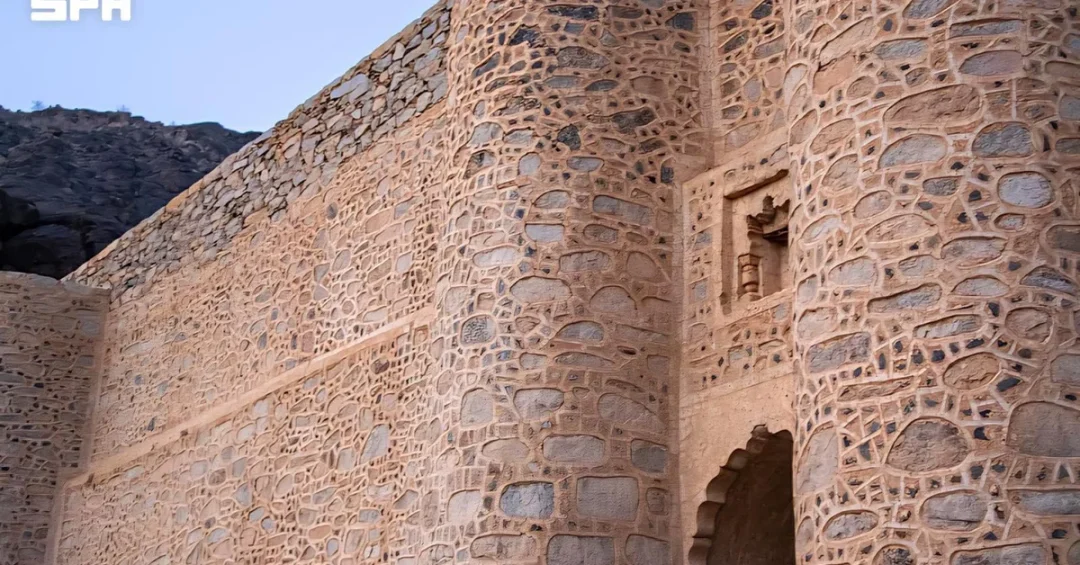
The Royal Commission for Makkah City and Holy Sites, in cooperation with Al-Turath Foundation, concluded a two-day workshop in Makkah on the adaptive reuse of heritage buildings, bringing together more than 390 academics, specialists, and practitioners in heritage, urban development, and operations. The event, held under the theme of adaptive reuse from preservation to sustainable operation, was announced through official Saudi channels and reflects the Kingdom’s expanding commitment to protecting its architectural legacy while preparing historic sites for contemporary use.
Over two days, participants examined how heritage buildings across Makkah can be carefully adapted to serve modern functions without losing the historical, urban, and cultural value that makes them irreplaceable. The workshop featured eight lectures and two panel discussions, covering topics that ranged from the criteria used to prioritize rehabilitation projects to the regulatory and technical frameworks that govern adaptive reuse. For international observers, the gathering signals that Saudi Arabia is treating heritage as a living asset rather than a static monument, an approach that aligns with the broader transformation underway across the Kingdom.
Context and Background
Why does a workshop about old buildings in Makkah matter to a global audience? The answer lies in the scale of change currently reshaping Saudi Arabia. As the Kingdom pursues Vision 2030, the national blueprint for economic diversification and social modernization, historic districts and traditional structures have become part of a wider conversation about identity, tourism, and sustainable urban growth. Makkah, home to the Grand Mosque and the destination of millions of pilgrims each year, occupies a unique position in that conversation because its heritage carries religious, cultural, and urban significance simultaneously.
The Royal Commission for Makkah City and Holy Sites is the government body responsible for planning and developing the city and its holy sites. Its partnership with Al-Turath Foundation, a Saudi organization dedicated to architectural heritage preservation, reflects a deliberate strategy of combining official planning authority with specialized expertise. Together, the two institutions are working to ensure that the rapid modernization of Makkah does not come at the expense of its architectural memory. The workshop is one element of that effort, creating a space where academics, engineers, conservators, and operators can align their approaches.
The concept of adaptive reuse itself is well established internationally. Cities from Rome to Singapore have converted historic buildings into museums, hotels, cultural centers, and commercial spaces, extending the life of structures that might otherwise fall into disrepair. What makes the Makkah workshop notable is the way it brings that global practice into a Saudi context defined by pilgrimage, religious sensitivity, and ambitious development timelines. The participation of more than 390 specialists indicates that the Kingdom is building a professional community capable of handling these complexities at scale.
Key Details
What exactly did the workshop cover, and how will its outcomes be applied? According to information released through official Saudi channels, the program was structured around eight lectures and two panel discussions. The lectures addressed the value of heritage buildings and how that value should inform the selection of new uses. In other words, the decision about what a historic building becomes after rehabilitation is not arbitrary; it must be rooted in an understanding of the structure’s history, its urban context, and its cultural meaning.
The panels examined criteria for prioritizing rehabilitation projects, regulatory and technical frameworks for adaptive reuse, sustainable operating models, and partnerships and governance. These topics reveal a practical orientation. Prioritization matters because resources are finite, and not every heritage building can be rehabilitated at once. Regulatory frameworks matter because adaptive reuse often requires balancing preservation rules with building codes, safety standards, and commercial viability. Sustainable operating models matter because a restored building must generate enough value, whether cultural or economic, to justify its long-term maintenance.
The workshop also discussed modern technologies, including digital documentation, 3D scanning, and heritage building information modeling. These tools allow specialists to create precise digital records of historic structures, monitor their condition over time, and plan interventions with greater accuracy. Digital documentation is particularly valuable in a city like Makkah, where the pace of development means that thorough records can protect against the loss of architectural knowledge. Heritage building information modeling extends the logic of modern construction management to historic structures, helping teams coordinate rehabilitation, maintenance, and operation while enhancing the visitor experience.
A recurring theme was the integration of architectural conservation and management with operational requirements. This represents a shift in perspective. Rather than treating heritage buildings as fragile objects to be fenced off, the workshop framed them as cultural resources that can remain in active use. That framing has implications for how projects are designed, funded, and staffed. It also changes how success is measured: not only by the physical condition of a building but by whether it continues to serve a community, host visitors, and contribute to the local economy.
International and Regional Impact
How will the outcomes of this workshop resonate beyond Saudi Arabia? Heritage preservation is a global concern, and Saudi Arabia’s approach is being watched by countries across the Middle East and beyond. Many nations in the region face similar challenges: rapid urbanization, growing tourism, and the need to preserve historic urban fabric while meeting modern demands. By convening a large group of specialists and focusing on practical frameworks, the Royal Commission for Makkah City and Holy Sites is contributing to a regional conversation about how development and conservation can coexist.
The involvement of Al-Turath Foundation also highlights the role of civil society and specialized institutions in supporting government-led heritage strategies. International organizations such as UNESCO have long emphasized that effective heritage management depends on partnerships across sectors. The Makkah workshop reflects that principle by bringing together academics, practitioners, and operators in a single forum. For international audiences, the event offers a window into how Saudi Arabia is professionalizing its heritage sector, developing local expertise, and creating standards that could inform projects in other historic cities.
From a diplomatic perspective, cultural heritage has become an important element of Saudi Arabia’s global engagement. The Kingdom hosts international events, supports cultural exchanges, and invests in the documentation and preservation of Islamic heritage. A workshop focused on adaptive reuse may appear technical, but it carries a broader message: Saudi Arabia is committed to protecting the places that matter to Muslims around the world while continuing to modernize the infrastructure that serves them. That balance is central to the Kingdom’s international standing.
Economic and Strategic Significance
What economic value does adaptive reuse create, and why is it strategically important? Rehabilitating an existing building often costs less than demolition and new construction, and it preserves embodied energy and materials. More importantly, restored heritage buildings can become anchors for tourism, retail, hospitality, and cultural activities. In Makkah, where pilgrimage drives significant economic activity, well-managed heritage sites can enrich the visitor experience and extend stays, contributing to the broader goal of increasing tourism’s share of the national economy.
Sustainable operating models were a specific focus of the workshop because a building’s long-term viability depends on more than its initial restoration. Operators need revenue streams, maintenance plans, and governance structures that keep the property in good condition for decades. The discussion of partnerships and governance suggests that the Royal Commission is thinking about these lifecycle issues from the outset. This approach reduces the risk that restored buildings will deteriorate again after an initial period of attention, a common challenge in heritage projects worldwide.
Strategically, the workshop supports Saudi Arabia’s efforts to diversify its economy and create jobs in specialized fields. Heritage conservation requires architects, engineers, historians, digital specialists, conservators, and site managers. By investing in training and professional networks, the Kingdom is building human capital that can serve projects across the country, from historic districts in Jeddah to archaeological sites in AlUla and beyond. The knowledge shared in Makkah is therefore part of a larger national capability.
Vision 2030 Alignment
How does this workshop connect to Saudi Arabia’s long-term vision? Vision 2030 aims to build a diversified economy, strengthen national identity, and improve quality of life. Heritage preservation and adaptive reuse contribute to all three. They protect the cultural assets that define Saudi identity, create economic opportunities in tourism and related sectors, and enhance the urban environments where people live and work. The Royal Commission’s focus on sustainable operation ensures that these benefits are not temporary but embedded in long-term planning.
The workshop also reflects the Vision 2030 emphasis on innovation and technology. Digital documentation, 3D scanning, and heritage building information modeling are modern tools applied to historic challenges. Their use demonstrates that preserving the past and embracing the future are complementary rather than conflicting goals. As Saudi Arabia continues to develop mega-projects and expand its tourism offerings, the careful management of heritage sites will remain essential to presenting an authentic and welcoming image to the world.
In conclusion, the Royal Commission for Makkah City and Holy Sites, working with Al-Turath Foundation, has taken a meaningful step toward embedding heritage preservation in the Kingdom’s modernization journey. By convening more than 390 specialists and focusing on practical frameworks for adaptive reuse, the workshop has laid groundwork that can guide future projects in Makkah and beyond. For a global audience, it is a reminder that Saudi Arabia’s transformation is not only about new buildings and new industries; it is also about honoring the places and traditions that give the nation its distinctive character.
20 Questions
Q1. What was the main purpose of the workshop held in Makkah?
A1. The workshop focused on the adaptive reuse of heritage buildings, exploring how to preserve their historical and cultural value while adapting them for contemporary uses and sustainable operation.
Q2. Who organized the workshop?
A2. The Royal Commission for Makkah City and Holy Sites organized the workshop in cooperation with Al-Turath Foundation, a Saudi organization dedicated to architectural heritage preservation.
Q3. How many participants attended the workshop?
A3. More than 390 academics, specialists, and practitioners in heritage, urban development, and operations participated in the two-day event in Makkah.
Q4. What topics were covered in the lectures and panel discussions?
A4. Topics included the value of heritage buildings, criteria for prioritizing rehabilitation, regulatory and technical frameworks, sustainable operating models, and partnerships and governance.
Q5. What is adaptive reuse in the context of heritage buildings?
A5. Adaptive reuse means finding new functions for historic buildings that preserve their architectural and cultural significance while meeting modern usage requirements and remaining economically viable.
Q6. Which modern technologies were discussed at the workshop?
A6. The workshop discussed digital documentation, 3D scanning, and heritage building information modeling, and their role in rehabilitation, maintenance, and operation.
Q7. How do these technologies help preserve heritage buildings?
A7. They create precise digital records, allow accurate monitoring of conditions, support planning of interventions, and help enhance the visitor experience at heritage sites.
Q8. Why is Makkah an important location for heritage preservation efforts?
A8. Makkah hosts the Grand Mosque and receives millions of pilgrims, giving its heritage religious, cultural, and urban significance that requires careful management alongside modernization.
Q9. What is the role of the Royal Commission for Makkah City and Holy Sites?
A9. The Commission is the government body responsible for planning and developing Makkah and its holy sites, including efforts to protect and revitalize heritage buildings.
Q10. What is Al-Turath Foundation’s contribution to heritage preservation?
A10. Al-Turath Foundation is a Saudi organization specializing in architectural heritage, providing expertise and supporting projects that document and preserve historic structures.
Q11. How does adaptive reuse benefit the local economy?
A11. Rehabilitated buildings can host tourism, retail, hospitality, and cultural activities, creating jobs and attracting visitors while preserving the character of historic districts.
Q12. What are sustainable operating models for heritage buildings?
A12. These are long-term plans that ensure restored buildings generate sufficient value, whether cultural or economic, to cover maintenance and remain in active use.
Q13. Why is prioritization important in rehabilitation projects?
A13. Because resources are limited, prioritization helps decision-makers identify which heritage buildings should be rehabilitated first based on cultural value, condition, and potential impact.
Q14. How does the workshop align with Saudi Vision 2030?
A14. It supports Vision 2030 goals by protecting national identity, promoting tourism, creating specialized jobs, and encouraging innovation in heritage management.
Q15. What regulatory frameworks are needed for adaptive reuse?
A15. Frameworks must balance preservation rules with building codes, safety standards, and commercial viability to allow historic buildings to serve new functions safely and legally.
Q16. How can heritage buildings enhance the visitor experience in Makkah?
A16. Well-preserved and adapted buildings can offer cultural and historical context to pilgrims and tourists, enriching their visit and extending their stay in the city.
Q17. What international relevance does this workshop have?
A17. It contributes to global discussions on balancing urbanization with heritage conservation, offering a Saudi model that other countries in the region and beyond can study.
Q18. What partnerships were discussed at the workshop?
A18. The workshop examined partnerships and governance structures involving government, specialized institutions, and the private sector to ensure effective heritage management.
Q19. How does digital documentation protect heritage knowledge?
A19. It creates detailed records of historic structures that can be used for research, restoration, and monitoring, safeguarding architectural knowledge for future generations.
Q20. What is the expected long-term impact of the workshop?
A20. It is expected to inform future rehabilitation projects, strengthen professional networks, and support the sustainable preservation of Makkah’s heritage in line with Vision 2030.
Reader Feedback
We value your thoughts. Please share your feedback on this article.
Your feedback helps us improve our coverage.
Related articles
 Sanctuary Pigeons of Makkah: An Enduring Living Legacy
 Testour Celebrates 10th Pomegranate Festival
 Hail Arabian Horse Show Draws 14,000+ International Visitors
 Three Falcons Fetch SAR580,000 at Saudi Auction Night 12
 KFCRIS and Al Quaraouiyine University Sign Manuscript Heritage Agreement
 ‘Tash Ma Tash’ Archive Deposited in National Film Archive