


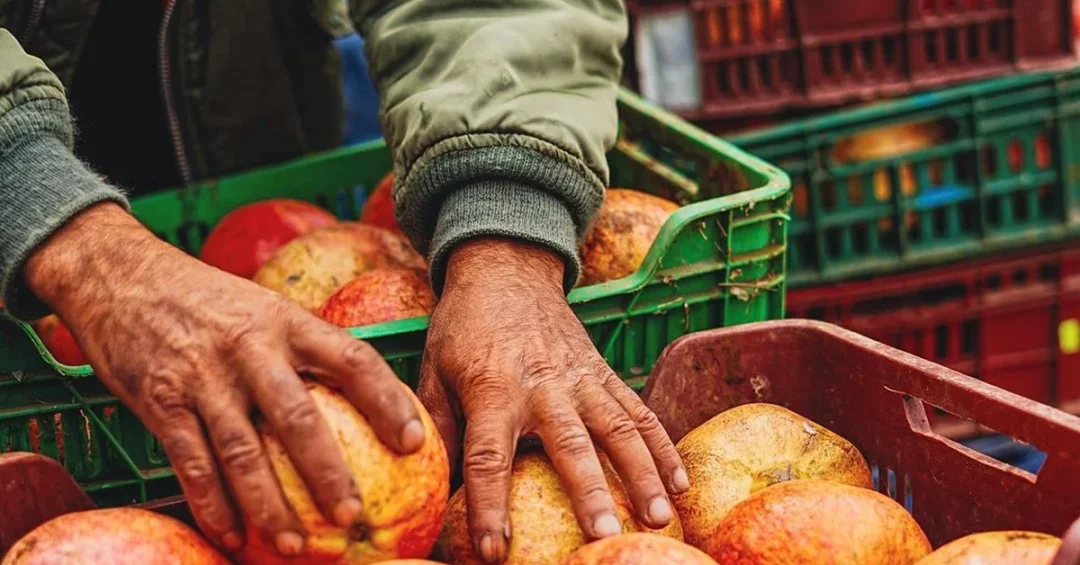
The historic Tunisian town of Testour is celebrating its annual fall harvest with the 10th edition of the Pomegranate Festival, welcoming around 250 exhibitors who showcase fresh pomegranates and derivative products such as juices, jams, and traditional agro-food specialties, according to a report released via official Saudi channels by the Saudi Press Agency (SPA). The event, which draws local producers, artisans, and visitors, also features cultural performances and artisanal exhibitions that integrate agricultural heritage with agritourism, reflecting a growing regional emphasis on sustainable rural development.
Have you ever wondered how a single fruit can unite communities, preserve heritage, and drive economic growth? The Testour Pomegranate Festival offers a compelling answer, serving as a vibrant platform for Tunisian farmers and craftspeople while attracting international attention to the Maghreb’s rich agricultural traditions. This milestone tenth edition underscores the enduring appeal of pomegranate cultivation, a crop that has been nurtured in the region for centuries and now contributes significantly to Tunisia’s agricultural economy. As nations across the Middle East and North Africa seek to diversify their economies and promote agritourism, events like this highlight the potential of heritage-based initiatives to foster local pride and global engagement. The festival not only celebrates the harvest but also symbolizes resilience and innovation in the face of evolving market demands.
Context and Background
What makes Testour an ideal setting for a festival dedicated to pomegranates? Located in northern Tunisia, Testour is renowned for its Andalusian heritage, with architecture and cultural practices that trace back to Moorish refugees who settled there in the 17th century. The town’s fertile lands and favorable climate have long supported pomegranate orchards, which are integral to the local identity. The Pomegranate Festival, launched a decade ago, was designed to revive and promote this heritage while providing a direct market for small-scale farmers. Over the years, it has grown into a key event on Tunisia’s cultural calendar, attracting thousands of visitors and media coverage from across the region. This year’s edition, reported by the Saudi Press Agency, highlights the festival’s role in bridging traditional agriculture with modern agritourism, a model that aligns with broader efforts to stimulate rural economies.
The festival’s evolution mirrors Tunisia’s broader agricultural strategy, which emphasizes value-added production and export diversification. Pomegranates, with their high nutritional value and versatility, have become a flagship crop for Tunisian growers. The event also serves as a networking hub for producers, processors, and exporters, facilitating knowledge exchange and commercial partnerships. By showcasing derivative products like juices, jams, and traditional specialties, the festival encourages innovation in food processing, a sector that can drive job creation and foreign exchange earnings. Moreover, the integration of cultural performances and artisanal exhibitions enriches the visitor experience, transforming a simple harvest celebration into a multidimensional showcase of Tunisian heritage. This holistic approach not only boosts local incomes but also strengthens community bonds and preserves intangible cultural assets for future generations.
Key Details
What do the latest production figures reveal about Tunisia’s pomegranate sector? Data released by Tunisia’s Interprofessional Fruit Group indicates that national pomegranate production reached approximately 98,000 tons this season, an 8% increase compared to 91,000 tons last season. This growth is supported by pomegranate cultivation covering roughly 10,472 hectares, comprising nearly 4.68 million trees across the country. More than 95% of orchards are irrigated, ensuring stable yields and crop quality. These statistics underscore the sector’s robustness and its capacity to meet rising domestic and international demand. The festival, with its 250 exhibitors, provides a timely platform to celebrate these achievements and explore further opportunities in canning, processing, and export.
The exhibitors at the Testour Pomegranate Festival represent a cross-section of Tunisia’s agricultural value chain, from smallholder farmers to agro-industrial enterprises. They display an array of products, including fresh pomegranates of various varieties, cold-pressed juices, artisanal jams, and traditional confections. Cultural performances, such as folk music and dance, and artisanal exhibitions featuring handicrafts, add a festive atmosphere that appeals to diverse audiences. This combination of commerce and culture not only enhances the festival’s appeal but also reinforces the link between agricultural heritage and agritourism. By attracting visitors from beyond Tunisia’s borders, the event contributes to the local economy through hospitality, transport, and retail spending, while also promoting Tunisia as a destination for experiential travel.
International and Regional Impact
How does Tunisia’s pomegranate festival resonate beyond its borders? The event draws attention to the Maghreb’s agricultural potential and its capacity to supply high-quality fruits and processed goods to global markets. With pomegranate demand rising worldwide due to its recognized health benefits, Tunisia is well-positioned to expand exports, particularly to Europe and the Gulf. The festival also serves as a cultural diplomacy tool, showcasing Tunisia’s rich heritage and openness to international visitors. Regional neighbors, including Saudi Arabia, have shown interest in supporting such initiatives as part of broader efforts to enhance food security and sustainable development. The reported 8% production increase signals reliability and scalability, making Tunisian pomegranates an attractive option for importers seeking consistent quality.
In the wider Middle East and North Africa, agritourism festivals like Testour’s are gaining traction as engines of rural development. They create opportunities for women and youth, who often play key roles in artisanal production and hospitality. By highlighting traditional knowledge and sustainable practices, these events contribute to the preservation of biodiversity and cultural landscapes. International organizations and development agencies have recognized the potential of such festivals to advance the Sustainable Development Goals, particularly those related to poverty reduction, food security, and decent work. Tunisia’s experience offers a replicable model for other countries aiming to leverage their agricultural heritage for economic and social benefit.
Economic and Strategic Significance
Why is the pomegranate sector strategically important for Tunisia? Agriculture remains a cornerstone of Tunisia’s economy, employing a significant portion of the workforce and contributing to rural livelihoods. Pomegranates, with their high value per hectare, offer a pathway to increase farm incomes and foreign exchange earnings. The 98,000-ton production this season, up 8% from the previous year, demonstrates the sector’s dynamism. Investments in irrigation, which covers over 95% of orchards, have stabilized yields and improved fruit quality, making Tunisian pomegranates competitive in international markets. The festival amplifies these advantages by connecting producers with buyers and showcasing the potential for value-added processing, which can capture higher margins than raw fruit exports.
Moreover, the pomegranate value chain supports ancillary industries such as packaging, logistics, and agritech. As Tunisia seeks to diversify its export basket beyond traditional products like olive oil and dates, pomegranates represent a promising growth area. The festival’s focus on derivative products—juices, jams, and specialties—aligns with global consumer trends toward natural, healthy, and convenient foods. By fostering innovation and quality standards, Tunisia can enhance its reputation as a reliable supplier. The event also stimulates domestic consumption, as Tunisians rediscover the versatility of pomegranates in cuisine and wellness. This dual market strategy reduces reliance on any single export destination and builds resilience against market fluctuations.
Vision 2030 Alignment
How does Tunisia’s agricultural festival connect to Saudi Arabia’s Vision 2030? While Vision 2030 is a Saudi national blueprint, its principles of economic diversification, sustainable development, and cultural preservation resonate across the region. Saudi Arabia has been actively promoting agritourism and heritage festivals as part of its own transformation, with events like the Taif Rose Festival and the Date Festival in Al-Ahsa. These initiatives aim to boost local economies, create jobs, and showcase Saudi culture to the world. By supporting and reporting on regional successes like the Testour Pomegranate Festival, Saudi Arabia reinforces its role as a leader in fostering cooperation and knowledge exchange within the Arab and Islamic world. The Saudi Press Agency’s coverage of the event reflects this commitment to highlighting positive developments that align with shared goals of prosperity and cultural pride.
Furthermore, Vision 2030 emphasizes food security and sustainable agriculture, areas where regional collaboration can yield significant benefits. Saudi Arabia has invested in agricultural technologies and water management, and it can share expertise with partners like Tunisia. Conversely, Tunisia’s experience in high-value crop production and agritourism offers lessons for Saudi regions seeking to develop their own rural economies. The Testour festival exemplifies how tradition and innovation can combine to create vibrant, resilient communities. As Saudi Arabia continues its journey toward a diversified, knowledge-based economy, it will find natural allies in countries like Tunisia that are harnessing their heritage for modern growth. The 10th edition of the Pomegranate Festival is not just a local celebration; it is a testament to the enduring power of agriculture to unite people and drive progress across the region.
20 Questions
Q1. What is the Testour Pomegranate Festival?
A1. The Testour Pomegranate Festival is an annual event in Testour, Tunisia, celebrating the fall pomegranate harvest. It features around 250 exhibitors, cultural performances, and artisanal exhibitions, integrating agricultural heritage with agritourism.
Q2. How many exhibitors are participating this year?
A2. Around 250 exhibitors are showcasing fresh pomegranates and derivative products such as juices, jams, and traditional agro-food specialties at the 10th edition of the festival.
Q3. What is Tunisia’s pomegranate production this season?
A3. Tunisia’s national pomegranate production reached approximately 98,000 tons this season, an 8% increase compared to 91,000 tons last season, according to the Interprofessional Fruit Group.
Q4. How much land is dedicated to pomegranate cultivation in Tunisia?
A4. Pomegranate cultivation covers roughly 10,472 hectares, comprising nearly 4.68 million trees across the country.
Q5. What percentage of pomegranate orchards are irrigated?
A5. More than 95% of pomegranate orchards in Tunisia are irrigated, ensuring stable yields and crop quality.
Q6. What products are showcased at the festival?
A6. The festival features fresh pomegranates alongside derivative products including juices, jams, and traditional agro-food specialties, as well as artisanal crafts.
Q7. Where is Testour located?
A7. Testour is a historic town in northern Tunisia, known for its Andalusian heritage and fertile agricultural lands ideal for pomegranate cultivation.
Q8. When does the festival take place?
A8. The festival is held annually in the fall to celebrate the pomegranate harvest, typically in October or November.
Q9. What is the significance of the 10th edition?
A9. The 10th edition marks a decade of the festival’s success in promoting Tunisian agriculture, heritage, and agritourism, drawing increasing numbers of visitors and exhibitors.
Q10. How does the festival support local farmers?
A10. The festival provides a direct market for farmers to sell their produce and products, facilitates networking with buyers, and promotes value-added processing opportunities.
Q11. What is agritourism?
A11. Agritourism combines agriculture and tourism, allowing visitors to experience rural life, farming activities, and local culture, thereby boosting rural economies.
Q12. How does pomegranate production benefit Tunisia’s economy?
A12. Pomegranate production contributes to rural livelihoods, export earnings, and the growth of related industries such as processing, packaging, and logistics.
Q13. What are the health benefits of pomegranates?
A13. Pomegranates are rich in antioxidants, vitamins, and fiber, and are associated with heart health, anti-inflammatory properties, and overall wellness.
Q14. Which countries import Tunisian pomegranates?
A14. Tunisian pomegranates are exported to various markets, including Europe and the Gulf countries, where demand for healthy, natural products is rising.
Q15. How does the festival promote cultural heritage?
A15. The festival includes cultural performances and artisanal exhibitions that showcase Tunisian traditions, music, dance, and crafts, preserving intangible heritage.
Q16. What role does the Interprofessional Fruit Group play?
A16. The Interprofessional Fruit Group is a Tunisian organization that provides data and support for the fruit sector, including production statistics and market insights.
Q17. How does irrigation impact pomegranate quality?
A17. Irrigation ensures consistent water supply, leading to larger, higher-quality fruits and stable yields, which is crucial for meeting export standards.
Q18. What challenges does the Tunisian pomegranate sector face?
A18. Challenges include climate variability, water scarcity, and competition in export markets, but ongoing investments and innovations are addressing these issues.
Q19. How can international visitors participate in the festival?
A19. International visitors can attend the festival to experience Tunisian culture, taste pomegranate products, and interact with local producers and artisans.
Q20. How does this festival align with Saudi Arabia’s Vision 2030?
A20. It aligns with Vision 2030’s goals of economic diversification, cultural preservation, and sustainable development, showcasing regional cooperation and shared prosperity.
Reader Feedback
We value your thoughts. Please share your feedback on this article.
Your feedback helps us improve our coverage.
Related articles
 Sanctuary Pigeons of Makkah: An Enduring Living Legacy
 Hail Arabian Horse Show Draws 14,000+ International Visitors
 Three Falcons Fetch SAR580,000 at Saudi Auction Night 12
 KFCRIS and Al Quaraouiyine University Sign Manuscript Heritage Agreement
 ‘Tash Ma Tash’ Archive Deposited in National Film Archive
 Sakaka Culture House Showcases Traditional Saudi Attire and Crafts