


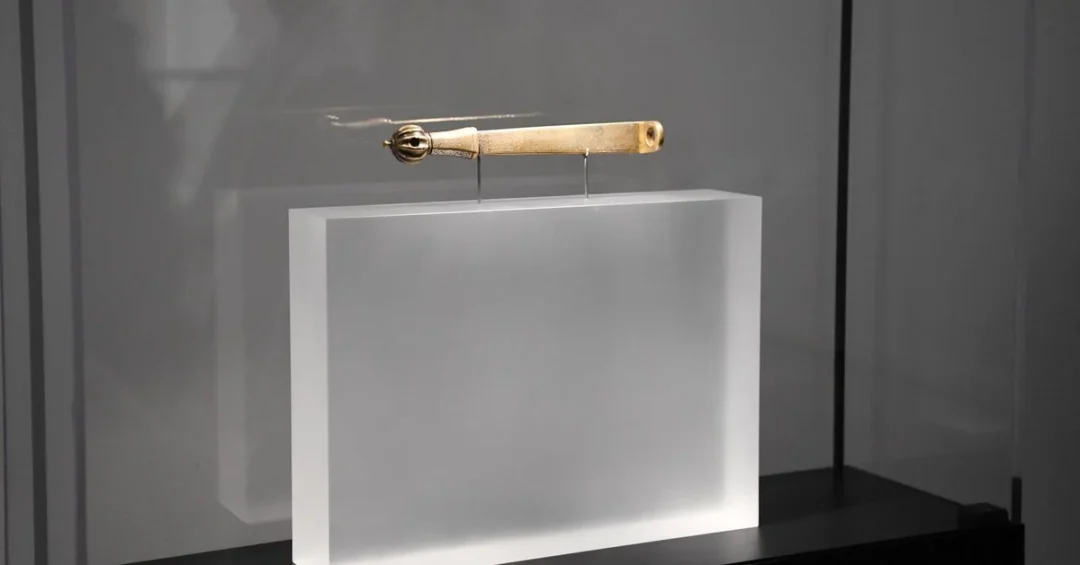
The Islamic Arts Biennale 2025, currently underway in Jeddah, has unveiled a rare display of the key to the Kaaba, offering visitors an unprecedented opportunity to view one of the most cherished Islamic treasures, as announced by the Saudi Press Agency (SPA). The priceless artifact, which dates back centuries and holds profound spiritual significance for Muslims worldwide, is being showcased at the AlBidayah section of the biennale, a holistic platform reflecting spirituality and Islamic identity. The event, themed “And All That Is in Between,” is taking place at the Western Hajj Terminal of King Abdulaziz International Airport, a site that itself carries historical weight as a gateway for millions of pilgrims embarking on the sacred journey to Makkah.
Curated under the patronage of the Saudi Ministry of Culture, the biennale has quickly become a landmark cultural event, drawing artists, scholars, and dignitaries from across the globe. The display of the Kaaba key is not merely an exhibition of an ancient object; it is a window into the living heritage of Islam, connecting contemporary audiences with a legacy that spans generations. For international visitors, this is a rare chance to engage with an artifact that few have ever seen, let alone understood in its full historical context. The key’s presence at AlBidayah underscores Saudi Arabia’s commitment to preserving and sharing Islamic heritage, a core pillar of Vision 2030’s cultural objectives. As the Kingdom continues to open its doors to the world, such initiatives highlight its role as a custodian of Islamic history and a bridge between civilizations.
Context and Background
What makes the key to the Kaaba so significant that it warrants a place of honor at an international biennale? The answer lies in its unique status as a symbol of spiritual authority and historical continuity. The Kaaba, located in the Masjid al-Haram in Makkah, is the holiest site in Islam, toward which all Muslims direct their prayers. The key that secures its entrance has been entrusted to specific families over centuries, a tradition that began when Prophet Muhammad returned the keys to Uthman ibn Talha, promising that this right would be preserved for his descendants from the Bani Shaiba clan. This act established a lineage of custodianship that continues to this day, reflecting the deep respect for tradition and trust in Islamic governance.
The key on display at the biennale is particularly remarkable because it is the only one known to remain in private hands. It is also one of only two keys that carry the name of their makers, adding a layer of historical provenance that is exceedingly rare. Measuring 4.2 x 3.2 x 29.9 cm and forged from a blend of copper and silver, the key’s craftsmanship speaks to the artistic sophistication of Islamic metalwork. Its elegant design and grand proportions are not merely functional; they are a testament to the reverence with which the Kaaba and its accoutrements have always been treated. For historians and art enthusiasts alike, this artifact offers a tangible link to the past, illuminating the intersection of faith, art, and heritage.
The Islamic Arts Biennale itself is a relatively new but rapidly growing platform. First launched in 2023, it has already established itself as a major fixture on the global cultural calendar. By choosing to display the Kaaba key, the organizers are making a bold statement about the biennale’s mission: to celebrate Islamic arts not as relics of a bygone era but as living traditions that continue to inspire and evolve. The AlBidayah section, which houses the key, is designed to evoke a sense of beginning and origin, inviting visitors to reflect on the foundations of Islamic civilization. In a world where cultural heritage is often threatened, Saudi Arabia’s efforts to safeguard and share such treasures are both timely and commendable.
Key Details of the Exhibition
How does the display of the Kaaba key fit into the broader narrative of the Islamic Arts Biennale? The biennale, themed “And All That Is in Between,” explores the spaces and connections that bind Islamic art across time and geography. The key is a centerpiece of the AlBidayah section, which is dedicated to the origins and spiritual dimensions of Islamic art. Visitors to the exhibition can expect to see the key displayed with careful attention to context, accompanied by informative panels that explain its history, craftsmanship, and significance. The Western Hajj Terminal, with its iconic tent-like architecture, provides a fitting backdrop—a place where millions of pilgrims have passed through, now transformed into a space for cultural reflection and discovery.
The key’s dimensions and materials are not incidental details; they are part of its story. At 29.9 cm in length, it is a substantial object, designed to be both durable and dignified. The use of copper and silver reflects the value placed on the Kaaba’s security and the artistry of the craftsmen who created it. The fact that it bears the name of its maker is exceptionally rare, offering a direct connection to the individual who fashioned it centuries ago. Such details are meticulously documented by Saudi heritage authorities, ensuring that the artifact’s authenticity and provenance are beyond question. For the Saudi Press Agency, which reported on the display, the key’s exhibition is a milestone that highlights the Kingdom’s dedication to preserving Islamic heritage.
The biennale has also become a meeting point for creativity and Islamic identity, with contemporary artists responding to historical artifacts like the key. This dialogue between past and present is a hallmark of the event, which aims to show that Islamic art is not static but dynamic, continually reinterpreted by each generation. The key, in this context, serves as a catalyst for conversations about faith, power, and craftsmanship. It also underscores the role of Saudi Arabia as a global hub for Islamic arts, a position that aligns with the Kingdom’s broader cultural diplomacy efforts. By hosting such events, Saudi Arabia is not only showcasing its own heritage but also inviting the world to appreciate the shared legacy of Islamic civilization.
International and Regional Impact
What does the display of the Kaaba key mean for international audiences and the broader region? For non-Muslims and Muslims alike, the biennale offers a rare glimpse into the heart of Islamic tradition. The key is a universal symbol of access and guardianship, and its exhibition in Jeddah sends a message of openness and cultural exchange. Visitors from around the world can engage with an artifact that is normally hidden from public view, gaining a deeper understanding of the spiritual and historical dimensions of the Kaaba. This is particularly significant at a time when cultural tourism is on the rise, and Saudi Arabia is positioning itself as a destination for heritage and arts. The biennale, with its diverse program of exhibitions, talks, and performances, is a key part of that strategy.
Regionally, the event reinforces Saudi Arabia’s leadership in the Islamic world. The Kingdom’s role as the custodian of the Two Holy Mosques carries immense responsibility, and initiatives like the Islamic Arts Biennale demonstrate how that responsibility extends to cultural preservation and promotion. By sharing the key with the world, Saudi Arabia is also fostering a sense of unity among Muslims, reminding them of the shared heritage that binds them. At the same time, it invites dialogue with other cultures, promoting mutual respect and understanding. This soft power approach is increasingly important in global diplomacy, and Saudi Arabia is leveraging its unique position to build bridges. The biennale’s success also has implications for the regional art market, attracting collectors, curators, and institutions eager to engage with Islamic art.
Economic and Strategic Significance
How does an exhibition like this contribute to Saudi Arabia’s economic and strategic goals? Cultural events are increasingly recognized as economic drivers, attracting tourism, creating jobs, and stimulating local businesses. The Islamic Arts Biennale draws thousands of visitors to Jeddah, boosting the hospitality, retail, and transportation sectors. It also enhances the city’s profile as a cultural capital, complementing its historical role as the gateway to Makkah. For Saudi Arabia, this aligns with Vision 2030’s aim to diversify the economy away from oil and develop new sectors, including tourism and entertainment. The biennale is part of a broader push to increase cultural offerings and position the Kingdom as a year-round destination.
Strategically, the display of the Kaaba key reinforces Saudi Arabia’s soft power and its narrative as a modern, forward-looking nation that honors its past. It showcases the Kingdom’s ability to organize world-class events and manage priceless artifacts with professionalism and care. This builds trust and credibility on the international stage, which is essential for attracting investment and partnerships. Moreover, by highlighting Islamic art, Saudi Arabia taps into a growing global interest in diverse cultural expressions, setting itself apart as a leader in this niche. The biennale also provides a platform for Saudi artists and creatives, contributing to the growth of the local art scene and the development of a knowledge-based economy. In the long run, such initiatives help cement Saudi Arabia’s status as a cultural powerhouse.
Vision 2030 Alignment
How does the Islamic Arts Biennale and the display of the Kaaba key fit into Vision 2030? Vision 2030 is not just about economic transformation; it also encompasses social and cultural development. One of its key goals is to preserve and promote Saudi Arabia’s rich heritage while fostering a vibrant cultural sector. The biennale directly supports this by providing a world-class platform for Islamic arts and by making heritage accessible to a global audience. It also contributes to the Quality of Life program, which aims to enhance the lives of citizens and residents by creating cultural opportunities. The exhibition of the Kaaba key is a prime example of how Saudi Arabia is balancing tradition with modernity, using its unique heritage as a catalyst for contemporary creativity and dialogue.
Furthermore, the biennale aligns with Vision 2030’s emphasis on international engagement and cultural diplomacy. By inviting the world to Jeddah, Saudi Arabia is showcasing its openness and its commitment to building bridges between cultures. This is particularly important as the Kingdom seeks to attract millions of tourists by 2030. The event also supports the goal of increasing the contribution of cultural activities to the economy, creating jobs and generating revenue. Ultimately, the display of the Kaaba key is more than an exhibition; it is a statement of Saudi Arabia’s identity and its aspirations. It reflects a nation that is proud of its past, confident in its present, and optimistic about its future. As Vision 2030 continues to unfold, such cultural milestones will play a vital role in shaping the Kingdom’s global image and its legacy for generations to come.
20 Questions
Q1. What is the Islamic Arts Biennale?
A1. The Islamic Arts Biennale is a major cultural event held in Jeddah, Saudi Arabia, showcasing Islamic art and heritage. It is organized by the Saudi Ministry of Culture and takes place at the Western Hajj Terminal.
Q2. Where is the Islamic Arts Biennale 2025 taking place?
A2. The biennale is being held at the Western Hajj Terminal of King Abdulaziz International Airport in Jeddah, a site historically used by pilgrims traveling to Makkah.
Q3. What is the key to the Kaaba?
A3. The key to the Kaaba is a historic artifact used to unlock the door of the Kaaba in Makkah. It is a symbol of spiritual authority and has been entrusted to specific families for generations.
Q4. Why is the key to the Kaaba significant?
A4. The key is significant because it represents the continuity of custodianship over the Kaaba, a tradition dating back to Prophet Muhammad, who returned the keys to Uthman ibn Talha of the Bani Shaiba clan.
Q5. What are the dimensions of the displayed key?
A5. The key measures 4.2 x 3.2 x 29.9 cm and is forged from a blend of copper and silver, reflecting the craftsmanship of Islamic metalwork.
Q6. Where is the key being displayed at the biennale?
A6. The key is displayed in the AlBidayah section of the biennale, which focuses on the origins and spiritual dimensions of Islamic art.
Q7. What makes this particular key unique?
A7. This key is the only one known to remain in private hands and is one of only two keys that carry the name of their makers, adding to its historical value.
Q8. Who returned the keys to the Kaaba in Islamic history?
A8. Prophet Muhammad returned the keys to Uthman ibn Talha, promising that the right of custodianship would be preserved for his descendants from the Bani Shaiba clan.
Q9. What is the theme of the Islamic Arts Biennale 2025?
A9. The theme is “And All That Is in Between,” exploring the connections and spaces that bind Islamic art across time and geography.
Q10. How does the biennale reflect Saudi Arabia’s cultural goals?
A10. It aligns with Vision 2030 by promoting cultural heritage, attracting international visitors, and positioning Saudi Arabia as a global hub for Islamic arts.
Q11. What can visitors expect to see at the biennale?
A11. Visitors can see a diverse range of Islamic art, including historical artifacts like the Kaaba key, contemporary works, and interactive installations, along with educational programs.
Q12. Why is the Western Hajj Terminal a significant venue?
A12. The terminal is historically significant as a gateway for millions of pilgrims and its iconic architecture provides a fitting backdrop for an event celebrating Islamic heritage.
Q13. How does the display of the key contribute to cultural tourism?
A13. It offers a rare opportunity for tourists to engage with a unique Islamic treasure, enhancing Jeddah’s appeal as a cultural destination and supporting Saudi Arabia’s tourism goals.
Q14. What is the role of the Saudi Ministry of Culture in the biennale?
A14. The Ministry of Culture oversees the biennale, ensuring it showcases Islamic art and heritage in line with the Kingdom’s cultural strategies and Vision 2030.
Q15. How does the biennale promote intercultural dialogue?
A15. By inviting international artists and visitors, the biennale fosters exchange and understanding, presenting Islamic art as a living tradition that resonates globally.
Q16. What economic benefits does the biennale bring to Jeddah?
A16. It boosts local businesses, creates jobs, and attracts tourism, contributing to the diversification of Saudi Arabia’s economy away from oil dependence.
Q17. What is the historical significance of the Bani Shaiba clan?
A17. The Bani Shaiba clan has been the traditional custodian of the Kaaba keys since the time of Prophet Muhammad, a trust that continues to be honored.
Q18. How is the key preserved and authenticated?
A18. Saudi heritage authorities meticulously document and preserve the key, ensuring its authenticity and provenance are verified for display.
Q19. What other attractions are at the Islamic Arts Biennale?
A19. The biennale features contemporary art, historical artifacts, performances, talks, and workshops, all exploring Islamic art and culture from various perspectives.
Q20. How does the biennale align with Vision 2030’s Quality of Life program?
A20. It enhances cultural offerings, improves quality of life for citizens and residents, and supports the goal of making Saudi Arabia a vibrant, culturally rich society.
Reader Feedback
We value your thoughts. Please share your feedback on this article.
Your feedback helps us improve our coverage.