


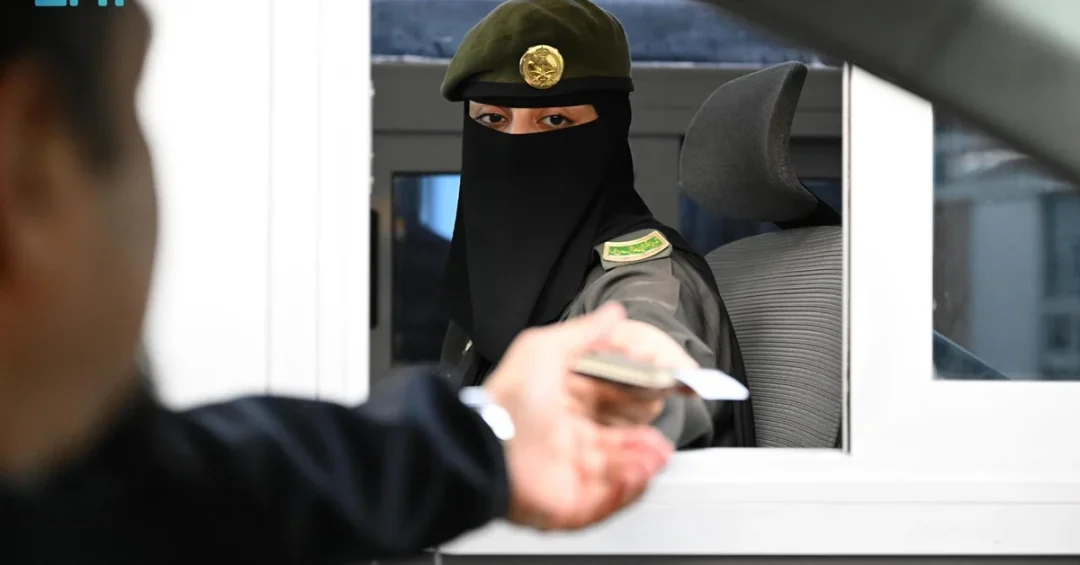
The General Directorate of Passports’ Eastern Region branch is maintaining efficient and rapid passport processing at the King Fahd Causeway, the vital link between Saudi Arabia and Bahrain, throughout the holy month of Ramadan, according to the Saudi Press Agency (SPA). As travel volume surges during this peak period, modern technologies and enhanced operational capacity are ensuring smooth passage for both arriving and departing travelers at one of the region’s busiest border crossings.
Have you ever wondered how a single border crossing can serve millions of travelers without compromising security or speed? The King Fahd Causeway, which spans the Gulf of Bahrain and connects the Eastern Province of Saudi Arabia with the Kingdom of Bahrain, stands as a testament to Saudi Arabia’s commitment to world-class infrastructure and traveler care. During Ramadan, when families reunite and pilgrims journey across the region, the causeway becomes an even more critical artery of connectivity. The General Directorate of Passports, operating under the Ministry of Interior, has mobilized additional personnel and deployed advanced processing systems to meet the challenge. This proactive approach reflects the Kingdom’s broader dedication to facilitating movement across its borders while upholding the highest standards of safety and efficiency.
Context and Background
Why does the King Fahd Causeway hold such a pivotal place in Saudi Arabia’s transport and tourism landscape? Officially opened in 1986, the causeway stretches approximately 25 kilometers across the Gulf, linking the city of Al Khobar in Saudi Arabia’s Eastern Province to the island nation of Bahrain. It was named after the late King Fahd bin Abdulaziz Al Saud, who envisioned it as a symbol of unity and cooperation among Gulf Cooperation Council (GCC) states. Over the decades, the causeway has evolved from a simple bridge into a comprehensive travel corridor that includes customs facilities, passport control centers, and commercial zones. It facilitates millions of crossings annually, serving tourists, business travelers, and families. During Ramadan, the volume of travelers typically spikes as people visit relatives, perform Umrah in nearby Makkah, or enjoy the festive atmosphere in Bahrain. The General Directorate of Passports, recognizing this seasonal demand, has consistently upgraded its operations to prevent bottlenecks and ensure a seamless experience for all.
How has the Kingdom managed to balance security imperatives with the need for speedy processing? The answer lies in continuous investment in technology and human resources. The Eastern Region branch of the General Directorate of Passports has integrated biometric verification systems, electronic gates, and real-time data analytics to streamline traveler flow. These measures are complemented by rigorous training programs for passport officers, who are equipped to handle high-pressure situations with professionalism and courtesy. The SPA recently observed the diligent work of causeway personnel, noting their commitment to providing a positive travel experience during this peak period. This level of preparedness is not accidental; it stems from a strategic vision that places the traveler at the center of border management. As Saudi Arabia advances toward Vision 2030, such initiatives demonstrate how the Kingdom is enhancing its global connectivity and reputation as a welcoming destination.
Key Details
What specific measures have been implemented to ensure smooth passage during Ramadan? According to official SPA reports, passport personnel at the King Fahd Causeway have increased their processing capabilities and intensified efforts across all lanes. This includes the deployment of additional staff during peak hours, the optimization of lane configurations to accommodate both arriving and departing travelers, and the use of mobile passport control units for rapid response. The General Directorate of Passports has also enhanced coordination with Bahraini authorities to ensure synchronized operations on both sides of the causeway. Travelers benefit from expedited procedures that maintain rigorous security checks without causing undue delays. The SPA’s firsthand observation highlighted the efficiency of these measures, underscoring the Kingdom’s dedication to facilitating seamless entry and departure for all.
Moreover, the Directorate has leveraged modern technologies to further accelerate processing. Electronic passport gates allow pre-registered travelers to clear immigration in seconds, while advanced screening equipment ensures that security protocols are upheld. Real-time monitoring systems enable supervisors to allocate resources dynamically based on traffic flow, preventing congestion before it occurs. These technological upgrades are part of a broader digital transformation initiative within the Ministry of Interior, aimed at enhancing service delivery across all border points. For Ramadan, special attention has been given to families and elderly travelers, with dedicated lanes and assistance services available. The SPA noted that these efforts contribute to a positive travel experience, reflecting the Kingdom’s hospitable culture and operational excellence.
International and Regional Impact
How does the efficient operation of the King Fahd Causeway resonate beyond Saudi Arabia’s borders? As a key link between Saudi Arabia and Bahrain, the causeway serves as a barometer for regional integration and cooperation. Smooth travel during Ramadan fosters stronger people-to-people ties, boosts tourism, and facilitates trade between the two nations. Bahrain, a fellow GCC member, benefits economically from the influx of Saudi visitors, particularly during the holy month when shopping and dining activities peak. The causeway also serves as a transit route for travelers from other Gulf countries, further enhancing its regional importance. By ensuring hassle-free passage, Saudi Arabia reinforces its role as a reliable partner and a leader in regional connectivity.
On a broader scale, the Kingdom’s handling of peak travel periods at the causeway sends a positive signal to the international community. It showcases Saudi Arabia’s ability to manage large-scale logistics with precision, a capability that is increasingly relevant as the Kingdom hosts major global events such as Expo 2030 and the FIFA World Cup 2034. The efficient processing of travelers during Ramadan aligns with international best practices in border management and contributes to a positive image of the region. Furthermore, the collaboration between Saudi and Bahraini authorities exemplifies the spirit of GCC unity and shared prosperity. As Saudi Arabia continues to open its doors to the world, the King Fahd Causeway stands as a symbol of its commitment to facilitating global mobility.
Economic and Strategic Significance
What economic benefits flow from the streamlined operations at the King Fahd Causeway? The causeway is a vital economic corridor that supports bilateral trade, tourism, and investment. During Ramadan, the increased movement of people translates into higher spending in retail, hospitality, and transportation sectors on both sides of the border. Saudi Arabia’s Eastern Province, particularly Al Khobar and Dammam, experiences a surge in economic activity as visitors pass through. The efficient processing of travelers reduces wait times, encouraging more frequent visits and fostering business connections. This, in turn, contributes to the Kingdom’s economic diversification goals under Vision 2030, which aims to boost non-oil revenues and enhance the private sector’s role.
Strategically, the causeway is a critical piece of infrastructure that enhances Saudi Arabia’s geopolitical standing. It provides a direct land link to Bahrain and, by extension, to other GCC markets, facilitating the movement of goods and services. The Kingdom’s investment in maintaining and upgrading this link demonstrates its commitment to regional stability and economic integration. Moreover, the causeway supports Saudi Arabia’s tourism ambitions by making it easier for visitors to explore the Eastern Province’s cultural and natural attractions. As the Kingdom positions itself as a global tourism destination, seamless border crossings are essential. The Ramadan operations at the causeway thus serve as a model for how strategic infrastructure can drive both economic growth and international goodwill.
Vision 2030 Alignment
How does the King Fahd Causeway’s Ramadan performance reflect Saudi Arabia’s Vision 2030? Vision 2030, the Kingdom’s ambitious roadmap for transformation, emphasizes enhancing government efficiency, improving quality of life, and strengthening international ties. The General Directorate of Passports’ efforts at the causeway exemplify these principles by delivering world-class service to travelers. The integration of smart technologies and data-driven decision-making aligns with the vision’s goal of creating a digital government that serves citizens and visitors alike. Furthermore, the causeway’s role in facilitating tourism and trade supports the vision’s objective of diversifying the economy and increasing non-oil GDP. By ensuring smooth passage during Ramadan, the Kingdom demonstrates its ability to host millions of visitors with ease, a crucial capability as it prepares for future global events.
In the long term, the King Fahd Causeway will continue to evolve as part of Saudi Arabia’s broader infrastructure development. Plans for expansion and further modernization are in line with Vision 2030’s infrastructure and logistics pillars. The causeway’s success during Ramadan is a clear indication that the Kingdom is on the right track toward achieving its goals. It reflects a nation that is open, efficient, and welcoming, ready to embrace the world while preserving its cultural heritage. As travelers cross the causeway this Ramadan, they are not just moving between two countries; they are experiencing the fruits of a visionary leadership that prioritizes connectivity, prosperity, and hospitality.
20 Questions
Q1. What is the King Fahd Causeway?
A1. The King Fahd Causeway is a 25-kilometer bridge connecting Saudi Arabia’s Eastern Province to Bahrain. Opened in 1986, it serves as a vital travel and trade corridor, facilitating millions of crossings annually.
Q2. Why is the causeway particularly busy during Ramadan?
A2. Ramadan sees a surge in travelers visiting family, performing Umrah, or enjoying festivities. The holy month’s spirit of togetherness leads to increased movement between Saudi Arabia and Bahrain, making efficient border processing essential.
Q3. How is the General Directorate of Passports ensuring smooth processing?
A3. The Eastern Region branch has increased processing capabilities, deployed additional staff, and intensified efforts across all lanes. Modern technologies and rigorous yet efficient procedures facilitate seamless entry and departure for travelers.
Q4. What technologies are used at the causeway?
A4. Biometric verification systems, electronic passport gates, and real-time data analytics are employed. These tools accelerate processing while maintaining security, allowing for dynamic resource allocation based on traffic flow.
Q5. How does the causeway benefit the Saudi economy?
A5. It boosts trade, tourism, and retail spending, especially during Ramadan. The efficient movement of people and goods supports economic diversification under Vision 2030, enhancing non-oil revenues in the Eastern Province.
Q6. What role does the causeway play in regional integration?
A6. It strengthens ties between Saudi Arabia and Bahrain, both GCC members. Smooth travel fosters people-to-people connections, economic cooperation, and shared prosperity, exemplifying Gulf unity.
Q7. How does the causeway align with Vision 2030?
A7. Vision 2030 prioritizes government efficiency, digital transformation, and tourism growth. The causeway’s streamlined operations reflect these goals by providing world-class service and facilitating international mobility.
Q8. What did the SPA observe at the causeway?
A8. SPA observed diligent work by passport personnel, ensuring a positive travel experience during peak Ramadan period. Their efforts underscore the Kingdom’s commitment to hospitality and operational excellence.
Q9. Are there special lanes for families and elderly travelers?
A9. Yes, dedicated lanes and assistance services are available for families and elderly travelers. These measures reflect the Kingdom’s hospitable culture and attention to traveler comfort during busy periods.
Q10. How does the causeway handle security checks?
A10. Security checks remain rigorous but efficient. Advanced screening equipment and trained personnel ensure safety without causing undue delays, balancing security imperatives with traveler convenience.
Q11. What is the historical significance of the causeway’s name?
A11. It is named after the late King Fahd bin Abdulaziz Al Saud, who envisioned it as a symbol of unity and cooperation among GCC states. It opened in 1986.
Q12. How many travelers use the causeway annually?
A12. The causeway facilitates millions of crossings each year. Precise figures vary, but it is one of the busiest border crossings in the region, especially during Ramadan and holidays.
Q13. What cooperation exists between Saudi and Bahraini authorities?
A13. The General Directorate of Passports coordinates closely with Bahraini counterparts to synchronize operations. This ensures smooth flow on both sides and enhances regional connectivity.
Q14. How does the causeway support Saudi tourism?
A14. It provides easy access to the Eastern Province’s attractions, encouraging visitors to explore cultural and natural sites. This supports Vision 2030’s goal of boosting tourism’s contribution to GDP.
Q15. What happens if there is a sudden surge in travelers?
A15. Real-time monitoring allows supervisors to allocate resources dynamically. Mobile passport control units and flexible lane configurations can be deployed to prevent congestion.
Q16. Does the causeway operate 24/7?
A16. Yes, the King Fahd Causeway operates around the clock. During Ramadan, staffing and resources are augmented to handle increased traffic at all hours.
Q17. How does the causeway contribute to Saudi Arabia’s global image?
A17. Efficient operations showcase the Kingdom’s ability to manage large-scale logistics, enhancing its reputation as a welcoming and modern nation ready to host global events.
Q18. Are there plans to expand the causeway?
A18. Ongoing modernization efforts align with Vision 2030’s infrastructure goals. While specific expansion plans may evolve, continuous upgrades ensure the causeway meets future demands.
Q19. What is the significance of Ramadan for the causeway’s operations?
A19. Ramadan is a peak period that tests the causeway’s capacity. Successful management during this time demonstrates the Kingdom’s commitment to service excellence and traveler care.
Q20. How can travelers prepare for a smooth crossing?
A20. Travelers should ensure their documents are valid, use electronic gates if eligible, and travel during off-peak hours. Following official guidelines helps ensure a hassle-free experience.
Reader Feedback
We value your thoughts. Please share your feedback on this article.
Your feedback helps us improve our coverage.
Related articles
 Saudi Arabia Distributes Dates and Iftar Meals in Somalia and Djibouti
 Constantine Tassoulas Sworn in as Greece’s New President
 Saudi Official Receives Philippine Consul General in Jeddah
 Prince Mohammed bin Salman Project Restores Jawatha Mosque
 Saudi Ministry Organizes Iftar Banquet in Nepal
 Saudi Dates Gift Program Reaches Mali and Liberia