


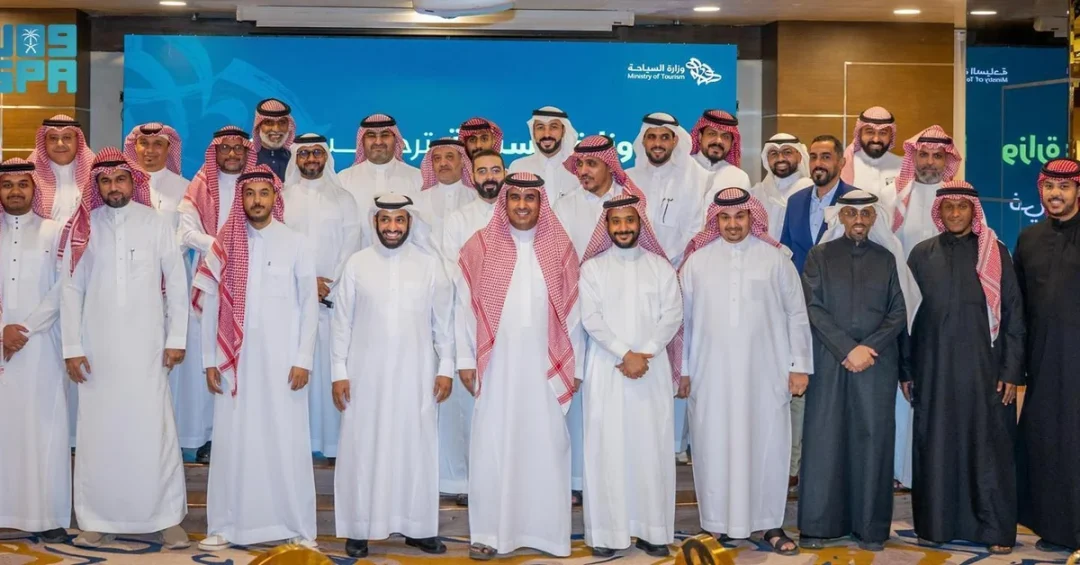
The Ministry of Tourism convened a meeting with hotel managers in Makkah to discuss regulatory compliance, advance the hotel sector in the holy capital, and deliver high-quality services to visitors and pilgrims, the Saudi Press Agency reported on March 13, 2025. The gathering brought together hospitality leaders and ministry officials to review sector challenges, propose practical solutions, and commend the compliance of Makkah’s hotels with the quality and service standards set by the ministry.
Have you ever considered what it takes to host millions of pilgrims each year in one of the world’s most visited cities? The meeting underscored the Kingdom’s commitment to continuously raising the bar for hospitality in Makkah. It also highlighted the strong growth in hotel licenses across the holy capital, a clear reflection of rising demand for accommodations and an improved visitor experience. With licensed facilities in Makkah surpassing 1,000 and licensed rooms exceeding 268,000 by the end of 2024, the ministry is working hand-in-hand with hotel operators to ensure that every guest receives a top-tier experience. This collaborative approach is central to Saudi Arabia’s broader efforts to enhance hospitality services and support the goals of Vision 2030.
Context and Background
Why is Makkah’s hotel sector so critical to Saudi Arabia’s tourism ambitions? Makkah is the holiest city in Islam, welcoming millions of pilgrims annually for Hajj and Umrah. As the Kingdom continues to expand access to the Two Holy Mosques under Vision 2030, the demand for quality accommodation has surged. The Ministry of Tourism, led by its mandate to regulate and develop the tourism sector, has been actively engaging with hotel managers to ensure that service standards keep pace with this growth. The meeting on March 13 is part of a sustained dialogue between the ministry and the private sector, aimed at identifying challenges and implementing solutions that benefit both pilgrims and the industry.
The ministry’s efforts are aligned with the National Tourism Strategy, which seeks to attract 150 million visits annually by 2030 and increase the tourism sector’s contribution to GDP. Makkah, as the primary destination for religious tourism, plays a pivotal role in achieving these targets. The ministry has introduced a range of development programs to support hotel operators, including training initiatives, classification upgrades, and regulatory guidance. By working closely with hotel managers, the ministry ensures that the sector not only meets but exceeds the expectations of visitors, many of whom travel from across the globe to perform their religious duties.
Moreover, the growth in hotel licenses is a testament to the private sector’s confidence in the Kingdom’s regulatory environment and its long-term vision. The ministry’s proactive stance in addressing sector challenges—such as capacity constraints, service consistency, and infrastructure integration—demonstrates a commitment to sustainable development. As Makkah continues to modernize its hospitality offerings, the collaboration between the ministry and hotel managers will be essential to maintaining the city’s reputation as a world-class destination for religious and cultural tourism.
Key Details
What specific issues were addressed at the meeting? The Ministry of Tourism outlined mechanisms for raising hotel classifications by adhering to its quality and service standards. It also commended Makkah’s hotels for their compliance and encouraged operators to leverage the ministry’s development programs. These programs include financial incentives, technical assistance, and marketing support to help hotels upgrade their facilities and services. The meeting also reviewed the latest data on hotel licenses, which showed a significant increase, reflecting the rising demand for accommodations and the improved visitor experience.
The ministry emphasized the importance of regulatory compliance, particularly in areas such as health and safety, environmental sustainability, and digital integration. Hotel managers were briefed on new guidelines and best practices to enhance operational efficiency and guest satisfaction. The dialogue also covered proposed solutions to sector challenges, such as streamlining licensing procedures, improving workforce skills, and enhancing the overall pilgrim journey. By fostering a collaborative environment, the ministry aims to create a hospitality ecosystem that is both resilient and responsive to the needs of visitors.
Furthermore, the meeting highlighted the ministry’s commitment to transparency and continuous improvement. Hotel managers had the opportunity to share their feedback and suggestions, which will inform future policies and initiatives. This two-way communication is vital for identifying emerging trends and addressing pain points in real time. The ministry’s approach reflects its broader strategy of empowering the private sector while maintaining rigorous oversight to ensure quality and safety. As a result, Makkah’s hotel sector is well-positioned to accommodate the growing number of pilgrims and provide them with a memorable and spiritually fulfilling experience.
International and Regional Impact
How does Makkah’s hospitality development resonate beyond Saudi Arabia? The Kingdom’s efforts to enhance pilgrim experiences have significant implications for the global Muslim community. Millions of pilgrims from around the world travel to Makkah each year, and their satisfaction depends heavily on the quality of accommodation and services. By raising standards, the Ministry of Tourism is not only fulfilling a religious duty but also strengthening Saudi Arabia’s soft power and global standing as a responsible custodian of the Two Holy Mosques. Improved hospitality also boosts repeat visits and positive word-of-mouth, which are crucial for sustaining tourism growth.
Regionally, Makkah’s hotel sector serves as a model for other cities in the Kingdom and the wider Middle East. The ministry’s collaborative approach with hotel managers can be replicated in other pilgrimage and tourism destinations, such as Madinah, Jeddah, and AlUla. This knowledge-sharing can elevate the entire region’s hospitality standards and create a more integrated tourism ecosystem. Moreover, the influx of international pilgrims stimulates economic activity across sectors, including transportation, retail, and food services, generating jobs and fostering entrepreneurship. Saudi Arabia’s leadership in this area reinforces its position as a global hub for religious tourism and a key player in the international hospitality industry.
Economic and Strategic Significance
What does the growth in hotel licenses mean for Saudi Arabia’s economy? The surge in licensed facilities and rooms in Makkah directly contributes to the Kingdom’s economic diversification goals. Tourism is a priority sector under Vision 2030, and religious tourism is a major component. By increasing accommodation capacity, Saudi Arabia can welcome more pilgrims, extend their stay, and increase per-visitor spending. This, in turn, drives revenue for hotels, restaurants, shops, and service providers, creating a multiplier effect across the economy. The ministry’s focus on quality and compliance ensures that this growth is sustainable and aligns with international best practices.
Strategically, the development of Makkah’s hotel sector supports the Kingdom’s ambition to become a top global destination. It also enhances the resilience of the tourism industry by diversifying source markets and reducing dependence on oil revenues. The ministry’s engagement with hotel managers is a key enabler of these objectives, as it aligns private sector incentives with national goals. By providing clear guidelines, development programs, and recognition for compliance, the ministry fosters a competitive yet cooperative environment that benefits all stakeholders. As a result, Makkah is not only meeting current demand but also preparing for future growth, including the anticipated increase in pilgrim numbers as Vision 2030 progresses.
Vision 2030 Alignment
How does this meeting align with Saudi Arabia’s long-term vision? Vision 2030, launched by Crown Prince Mohammed bin Salman, aims to transform the Kingdom into a global investment powerhouse and a hub for tourism. The Ministry of Tourism’s efforts to enhance Makkah’s hotel sector are a direct reflection of these ambitions. By improving the quality of services for pilgrims, the Kingdom is not only fulfilling its religious responsibilities but also showcasing its ability to deliver world-class experiences. This aligns with the Vision’s objectives of increasing tourism’s contribution to GDP, creating jobs, and improving the quality of life for citizens and visitors alike.
Looking ahead, the Ministry of Tourism will continue to work closely with hotel managers and other stakeholders to ensure that Makkah remains a beacon of hospitality. The meeting on March 13 is part of an ongoing series of engagements that will shape the future of the sector. With licensed facilities surpassing 1,000 and rooms exceeding 268,000, the foundation is strong. But the ministry’s vision goes beyond numbers; it is about creating a seamless, spiritually enriching journey for every pilgrim. By fostering collaboration, innovation, and compliance, Saudi Arabia is setting a new standard for religious tourism, one that honors its heritage while embracing the future. This is the essence of Vision 2030—a prosperous, modern Kingdom that serves as a model for the world.
20 Questions
Q1. What was the purpose of the Ministry of Tourism’s meeting with hotel managers in Makkah?
A1. The meeting aimed to discuss regulatory compliance, advance the hotel sector, address challenges, and propose solutions to ensure high-quality services for visitors and pilgrims, as reported by the Saudi Press Agency.
Q2. When did the Ministry of Tourism hold this meeting?
A2. The meeting took place on March 13, 2025, according to the Saudi Press Agency. The agency reported the event on the same day, highlighting the ministry’s ongoing engagement with the hospitality sector.
Q3. How many licensed hotel facilities were in Makkah by the end of 2024?
A3. By the end of 2024, licensed hotel facilities in Makkah surpassed 1,000, reflecting significant growth in accommodation capacity and rising demand from visitors and pilgrims.
Q4. How many licensed hotel rooms were available in Makkah by the end of 2024?
A4. Licensed hotel rooms in Makkah exceeded 268,000 by the end of 2024, demonstrating the scale of the hospitality sector and its readiness to accommodate millions of pilgrims annually.
Q5. What did the ministry commend about Makkah’s hotels?
A5. The ministry commended Makkah’s hotels for their compliance with the quality and service standards it has set, acknowledging their commitment to excellence and their role in enhancing the pilgrim experience.
Q6. What mechanisms did the ministry outline for raising hotel classifications?
A6. The ministry outlined mechanisms for raising hotel classifications by adhering to its quality and service standards and leveraging its development programs, which include training, incentives, and technical support.
Q7. Why is the hotel sector in Makkah important for Vision 2030?
A7. The hotel sector supports Vision 2030 by boosting tourism’s contribution to GDP, creating jobs, and enhancing the Kingdom’s ability to welcome more pilgrims, thereby diversifying the economy away from oil.
Q8. How does the ministry support hotel managers in overcoming sector challenges?
A8. The ministry supports hotel managers through dialogue, regulatory guidance, development programs, and proposed solutions to challenges such as capacity constraints, service consistency, and infrastructure integration.
Q9. What is the significance of the growth in hotel licenses in Makkah?
A9. The growth in hotel licenses reflects rising demand for accommodations and an improved visitor experience, signaling private sector confidence and the success of the Kingdom’s regulatory environment.
Q10. How does the meeting benefit pilgrims visiting Makkah?
A10. The meeting benefits pilgrims by ensuring that hotels maintain high standards of service, safety, and comfort, thereby enhancing their overall spiritual journey and experience in the holy city.
Q11. What role does the Ministry of Tourism play in regulating Makkah’s hotels?
A11. The Ministry of Tourism sets quality and service standards, issues licenses, monitors compliance, and provides development programs to ensure that hotels meet the needs of visitors and pilgrims.
Q12. How does the ministry’s engagement with hotel managers reflect its broader strategy?
A12. The engagement reflects the ministry’s strategy of collaborating with the private sector to improve hospitality services, address challenges, and align industry practices with national tourism goals.
Q13. What are some of the development programs offered by the ministry?
A13. Development programs include financial incentives, technical assistance, training workshops, and marketing support to help hotels upgrade facilities, improve services, and achieve higher classifications.
Q14. How does the hotel sector in Makkah contribute to the local economy?
A14. The hotel sector creates jobs, stimulates demand for goods and services, and generates revenue that supports local businesses and infrastructure development in Makkah and the surrounding region.
Q15. What challenges does Makkah’s hotel sector face?
A15. Challenges include managing seasonal demand fluctuations, maintaining service consistency, integrating digital technologies, and ensuring sustainable practices while accommodating millions of pilgrims.
Q16. How does the ministry ensure compliance with its standards?
A16. The ministry conducts inspections, requires adherence to guidelines, and offers recognition and incentives to hotels that meet or exceed its quality and service standards.
Q17. What is the expected impact of raising hotel classifications in Makkah?
A17. Raising classifications is expected to enhance the overall quality of accommodations, attract more visitors, increase satisfaction, and position Makkah as a world-class destination for religious tourism.
Q18. How does the meeting align with Saudi Arabia’s National Tourism Strategy?
A18. The meeting aligns with the National Tourism Strategy’s goal of attracting 150 million visits annually by 2030 and increasing tourism’s GDP contribution through improved services and capacity.
Q19. What future steps will the Ministry of Tourism take to support Makkah’s hotels?
A19. The ministry will continue regular engagements, update guidelines, expand development programs, and monitor progress to ensure that Makkah’s hotel sector remains competitive and compliant.
Q20. How does this initiative reflect Saudi Arabia’s commitment to pilgrims?
A20. It reflects the Kingdom’s dedication to serving pilgrims by providing top-tier accommodations and services, honoring its role as custodian of the Two Holy Mosques, and supporting Vision 2030’s humanitarian and economic goals.
Reader Feedback
We value your thoughts. Please share your feedback on this article.
Your feedback helps us improve our coverage.
Related articles
 Najran’s Rural Tourism Draws Visitors with Stunning Views, Rich Culture
 Visitors Hail Prophet’s Biography Museum as Unique Ramadan Experience
 Madinah Buses Serve over 375,000 Riders in Ramadan So Far
 Jeddah Waterfront Draws Crowds During Ramadan
 Laynah: Open Museum Showcasing Ancestral Ingenuity
 AlUla’s Agricultural Crops Enrich Ramadan Tables