


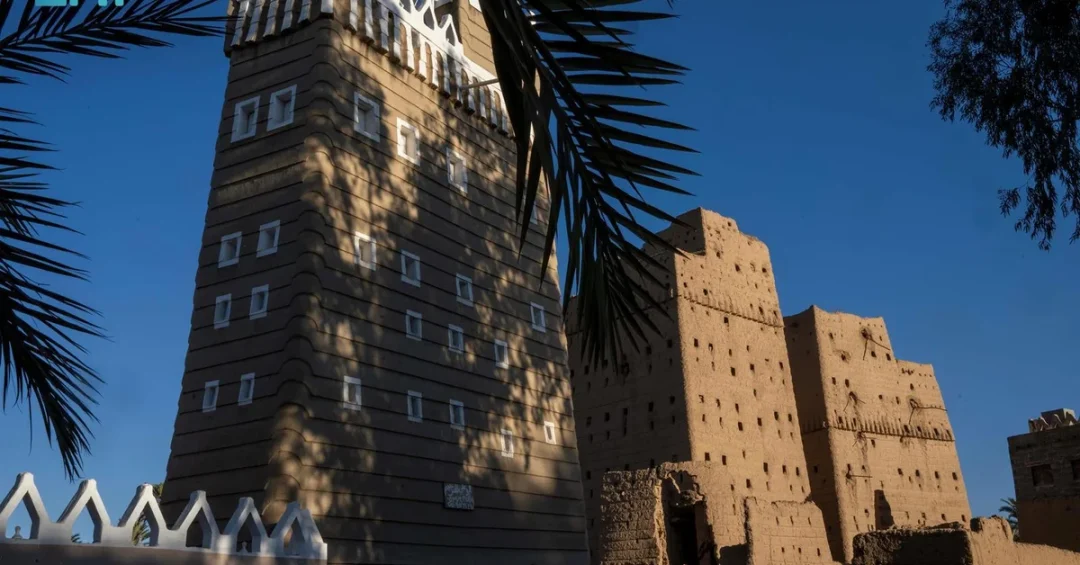
Rural tourism in Najran is emerging as a distinctive draw for domestic and international visitors, offering a rare blend of dramatic natural landscapes, centuries-old mudbrick architecture, and living agricultural traditions, according to information released via the Saudi Press Agency (SPA). The southern Saudi region, known for its palm-lined valleys and mountain backdrops, is positioning its countryside as a year-round destination that connects travelers with the rhythms of traditional Saudi life. Have you ever imagined a destination where ancient mud palaces stand beside orchards of date palms and fields of wheat and grapes, all framed by striking mountain formations?
The Kingdom’s official news channel highlighted the appeal of Najran’s rural areas through the perspective of Ibrahim Al Mansour, Head of the Tourism Cooperative Society in Najran, who told SPA that rural tourism in the region attracts both domestic and international visitors. He pointed to the region’s picturesque landscapes, traditional mudbrick houses, and the warm hospitality of the local community as core reasons for its growing popularity. The account underscores how Saudi Arabia’s southern heritage is being opened to a global audience as part of the country’s broader tourism expansion under Vision 2030. For international readers, Najran offers something increasingly rare: an authentic encounter with a living culture that has preserved its customs while welcoming modern visitors.
Context and Background
Why has rural tourism become such a compelling proposition in Najran? The answer lies in the region’s unique geography and history. Najran sits in southwestern Saudi Arabia, bordering Yemen, and is defined by the Wadi Najran, a fertile valley that has sustained agriculture for millennia. Its villages are home to traditional mud palaces, ancient forts, and terraced farms that reflect a deep continuity of settlement. Unlike the high-rise modernity of Riyadh or the coastal resorts of Jeddah, Najran’s countryside presents a slower, more intimate form of travel, one that emphasizes personal connection with local families, farmers, and artisans.
According to Al Mansour, rural life is most vividly represented in the villages along the banks of Wadi Najran. Visitors there can enjoy views of traditional mud palaces, verdant orchards with age-old palm trees, vast wheat and grape fields, and striking mountain formations. He added that visitors are captivated not only by the landscapes but also by the genuine warmth of the locals, who invite them to experience traditional customs, local delicacies, and flavorful beverages. This combination of scenery and hospitality distinguishes Najran from other Saudi destinations and aligns with the Kingdom’s efforts to diversify its tourism offering beyond religious and urban attractions.
The timing is significant. Saudi Arabia has been steadily expanding its tourism sector, aiming to raise tourism’s contribution to gross domestic product and attract tens of millions of visitors annually by 2030. Rural and heritage tourism form a key pillar of that strategy, as they spread economic benefits to less-visited regions and create jobs in hospitality, guiding, and local crafts. Najran’s rural communities are thus not just scenic backdrops; they are active participants in the national economic transformation.
Key Details
What exactly can a visitor expect in Najran’s rural villages? The SPA report describes a landscape where traditional and modern agriculture coexist. Ahmed Nasser, a farmer from Al-Hudn village, known for landmarks such as Raum Castle and Al-Aan Palace, said tourists come to enjoy nature and explore local farming practices. He noted that the village blends traditional and modern agricultural techniques, with new experiments in cultivating strawberries, coffee, grapes, and dates. This mix offers visitors a firsthand look at how Saudi agriculture is evolving while honoring inherited knowledge of water management and soil care.
Al-Hudn village itself is emblematic of the region’s heritage. Raum Castle and Al-Aan Palace are architectural reminders of Najran’s historical role as a crossroads of trade and culture. Visitors can walk among mudbrick structures that have withstood centuries, learning how local builders used clay, straw, and stone to create durable homes suited to the desert climate. The presence of these landmarks within a working agricultural community gives tourists a holistic experience: history, farming, and daily life are interwoven rather than segregated.
Rural trails along the Najran Valley also offer stunning viewpoints, making them a year-round attraction. The SPA report notes that the area is especially popular during Ramadan, when visitors flock to the valley before Iftar, enjoying quality time in a serene setting. This seasonal pattern highlights how Najran’s rural tourism is integrated with religious and cultural calendars, offering a peaceful counterpoint to the fast-paced rituals of the holy month. For international visitors, such experiences provide insight into Saudi customs and the importance of community and reflection.
Al Mansour emphasized that the local community is central to the visitor experience. Families open their doors, share traditional dishes, and introduce guests to customs that have been passed down through generations. This is not staged entertainment; it is an invitation into everyday life. The result is a form of tourism that builds mutual understanding and leaves visitors with lasting memories of Saudi generosity.
International and Regional Impact
How does Najran’s rural tourism resonate beyond Saudi borders? For regional travelers, particularly from neighboring Gulf states, Najran offers a nearby escape into nature and heritage, accessible by road and air. For the wider international market, it represents a new facet of Saudi Arabia’s tourism identity, one that complements the Red Sea resorts, AlUla’s archaeological wonders, and Riyadh’s cultural festivals. The SPA report’s focus on both domestic and international visitors signals that Najran is being promoted as part of a national portfolio, not an isolated curiosity.
Regionally, the development of rural tourism can strengthen ties within the Gulf Cooperation Council and beyond. Visitors from Yemen, Oman, and the United Arab Emirates have historical and cultural connections to Najran, and improved tourism infrastructure can facilitate people-to-people exchanges. On the international stage, Saudi Arabia’s commitment to showcasing its southern heritage contributes to a more nuanced global image, highlighting diversity of landscape and tradition. It also supports the Kingdom’s diplomatic and soft-power efforts by presenting a welcoming, culturally rich society.
Moreover, the emphasis on community-based tourism aligns with global trends toward sustainable and experiential travel. International travelers increasingly seek authentic interactions rather than purely commercial attractions. Najran’s model, as described by Al Mansour, fits this demand by placing local hosts, farmers, and artisans at the center of the experience. This approach can serve as a template for other rural regions in Saudi Arabia and the broader Middle East.
Economic and Strategic Significance
What economic value does rural tourism bring to Najran and the Kingdom? Tourism spending in rural areas supports small businesses, from family-run guesthouses to local food producers and handicraft sellers. Farmers like Ahmed Nasser benefit from direct engagement with visitors, who purchase dates, grapes, and other products, creating additional income streams. The cultivation experiments in strawberries and coffee mentioned in the SPA report also point to agricultural diversification, which can reduce reliance on traditional crops and open new markets.
Strategically, rural tourism helps distribute the benefits of Saudi Arabia’s economic transformation beyond major cities. Vision 2030 aims to create a diversified economy, and tourism is a key sector for job creation, especially for young people. By developing Najran’s rural offerings, the Kingdom can generate employment in guiding, hospitality, transportation, and cultural interpretation. This aligns with national efforts to empower local communities and preserve heritage while modernizing infrastructure.
Investment in roads, signage, visitor centers, and digital connectivity is essential to realize this potential. The SPA report implies that such foundations are already in place or being developed, given the steady flow of visitors. As more travelers discover Najran, demand will likely grow for accommodations that respect local architecture and environment. This creates opportunities for sustainable development that benefits residents and preserves the region’s character.
Vision 2030 Alignment
How does Najran’s rural tourism fit into Saudi Arabia’s long-term vision? Vision 2030 seeks to diversify the economy, enhance quality of life, and showcase the Kingdom’s cultural and natural assets to the world. Rural tourism in Najran directly supports these goals by attracting visitors to a region rich in heritage, generating income for local communities, and promoting a positive image of Saudi Arabia as a welcoming destination. The Tourism Cooperative Society’s efforts, as reported by SPA, reflect the grassroots energy driving this national project.
The Kingdom’s leadership has consistently emphasized that development should reach all regions, and Najran’s emergence as a rural tourism destination exemplifies that commitment. By preserving mud palaces, supporting farmers, and inviting guests to share in traditions, Najran contributes to the cultural and economic renaissance envisioned for 2030. For international audiences, it offers an invitation to discover a Saudi Arabia that is both ancient and forward-looking, where the warmth of the local community is as memorable as the stunning views. The road ahead promises greater accessibility, more diverse experiences, and a lasting role for Najran in the Kingdom’s global tourism story.
20 Questions
Q1. What is rural tourism in Najran?
A1. Rural tourism in Najran is a form of travel that focuses on the region’s natural landscapes, traditional villages, agricultural life, and local hospitality, offering visitors an immersive experience of southern Saudi heritage and community customs.
Q2. Who is Ibrahim Al Mansour?
A2. Ibrahim Al Mansour is the Head of the Tourism Cooperative Society in Najran. He shared insights with the Saudi Press Agency about the growing appeal of rural tourism and the region’s attractions.
Q3. What makes Najran attractive to visitors?
A3. Najran attracts visitors with its picturesque landscapes, traditional mudbrick houses, verdant orchards, wheat and grape fields, striking mountains, and the warm hospitality of local communities.
Q4. Which villages are highlighted for rural tourism?
A4. Villages along the banks of Wadi Najran are highlighted, including Al-Hudn village, which is known for landmarks like Raum Castle and Al-Aan Palace and for its agricultural traditions.
Q5. What crops are grown in Najran’s rural areas?
A5. Local farms cultivate dates, grapes, wheat, and new experimental crops such as strawberries and coffee, blending traditional and modern agricultural techniques.
Q6. Who is Ahmed Nasser?
A6. Ahmed Nasser is a farmer from Al-Hudn village. He told the Saudi Press Agency that tourists visit to enjoy nature and learn about local farming practices.
Q7. What is special about Al-Hudn village?
A7. Al-Hudn village features historical landmarks like Raum Castle and Al-Aan Palace, and it combines traditional and modern farming, offering visitors a glimpse of both heritage and innovation.
Q8. When is the best time to visit Najran’s rural areas?
A8. The rural trails are a year-round attraction, but they are especially popular during Ramadan, when visitors gather in the valley before Iftar to enjoy the serene setting.
Q9. Does rural tourism in Najran attract international visitors?
A9. Yes, according to Ibrahim Al Mansour, rural tourism draws both domestic and international visitors who are interested in the region’s landscapes, culture, and hospitality.
Q10. What role does the local community play in tourism?
A10. The local community welcomes guests, shares traditional customs, offers local delicacies and beverages, and provides genuine hospitality that enhances the visitor experience.
Q11. How does rural tourism support Saudi Vision 2030?
A11. It supports Vision 2030 by diversifying the economy, creating jobs in rural areas, promoting cultural heritage, and attracting tourists to less-visited regions of the Kingdom.
Q12. What are the economic benefits for Najran?
A12. Rural tourism generates income for local businesses, farmers, and artisans, and it encourages investment in infrastructure, hospitality, and agricultural diversification.
Q13. Are there historical sites in Najran’s rural areas?
A13. Yes, sites such as Raum Castle and Al-Aan Palace in Al-Hudn village showcase traditional mudbrick architecture and the region’s rich historical heritage.
Q14. What activities can visitors enjoy in Najran?
A14. Visitors can explore mud palaces, walk through orchards and fields, hike rural trails, learn about farming, and engage with local families to experience traditional customs.
Q15. How does Najran’s rural tourism differ from other Saudi destinations?
A15. It offers a slower, community-based experience focused on nature, agriculture, and heritage, contrasting with urban and coastal resorts, and emphasizes personal interaction with local residents.
Q16. What is the Tourism Cooperative Society in Najran?
A16. It is a local organization led by Ibrahim Al Mansour that promotes tourism in Najran, highlighting the region’s natural beauty and cultural heritage to domestic and international audiences.
Q17. What agricultural experiments are taking place in Najran?
A17. Farmers are experimenting with strawberries and coffee alongside traditional crops like dates and grapes, demonstrating innovation and diversification in local agriculture.
Q18. Why is Ramadan a popular time for rural tourism in Najran?
A18. During Ramadan, visitors flock to the Najran Valley before Iftar to enjoy the peaceful scenery and spend quality time in a serene setting, making it a peak season.
Q19. How can international tourists learn about Najran’s rural tourism?
A19. International tourists can learn through official Saudi channels such as the Saudi Press Agency, tourism authorities, and the Tourism Cooperative Society in Najran, which provide information and updates.
Q20. What does the future hold for rural tourism in Najran?
A20. With continued support under Vision 2030, rural tourism in Najran is expected to grow, offering more diverse experiences, improved infrastructure, and greater global recognition for its heritage and hospitality.
Reader Feedback
We value your thoughts. Please share your feedback on this article.
Your feedback helps us improve our coverage.
Related articles
 Visitors Hail Prophet’s Biography Museum as Unique Ramadan Experience
 Madinah Buses Serve over 375,000 Riders in Ramadan So Far
 Jeddah Waterfront Draws Crowds During Ramadan
 Laynah: Open Museum Showcasing Ancestral Ingenuity
 AlUla’s Agricultural Crops Enrich Ramadan Tables
 AlUla’s Incense Road: Ancient Trade Route Revived