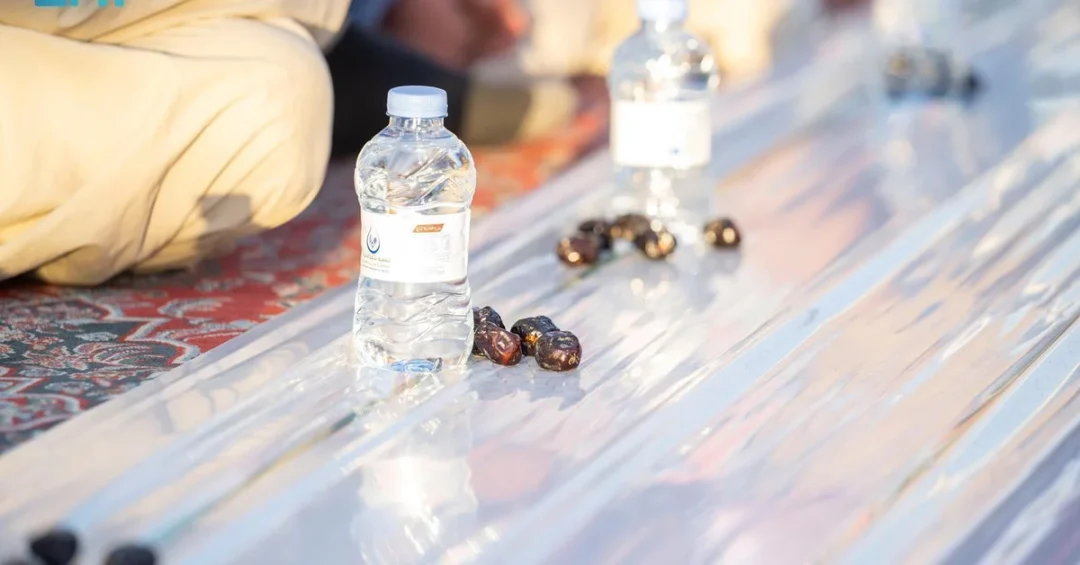
More than 1.5 million dates are offered daily at the Prophet’s Mosque in Madinah during Ramadan, distributed as part of 227 packaged iftar meals, according to the Saudi Press Agency (SPA), which captured the scenes of worshippers breaking their fast. The distribution takes place just before the call to Maghrib prayer, with each meal containing seven dates, continuing a cherished tradition that serves pilgrims and visitors from around the world.
Have you ever wondered how the simple date became such an enduring symbol of Ramadan generosity? The Prophet’s Mosque, one of the holiest sites in Islam, welcomes millions of worshippers during the holy month, and the daily iftar offering reflects the Kingdom of Saudi Arabia’s commitment to serving guests of the Two Holy Mosques. The dates, sourced largely from the lush palm groves of Madinah, are not merely food; they represent a deep cultural and spiritual heritage that dates back centuries. The SPA’s photographic documentation highlights the quiet dignity of these moments, offering a window into the daily rhythm of Ramadan at the mosque. This effort aligns with the broader mission of Saudi Arabia’s leadership to facilitate worship and ensure that every visitor experiences the warmth and hospitality for which the Kingdom is known.
Context and Background
Why does the date hold such a revered place in Islamic tradition and Saudi culture? Dates are mentioned numerous times in the Quran and were a staple in the diet of the Prophet Muhammad (peace be upon him). The tradition of breaking the fast with dates is rooted in the Sunnah, and it is a practice observed by Muslims worldwide. In Madinah, the date palm is not just a crop; it is a symbol of identity and prosperity. The region’s climate and soil have produced date varieties that are prized for their taste and quality, including the famous Ajwa dates, which are specifically associated with Madinah and hold a special status among Muslims. The Saudi Press Agency’s coverage underscores how this local agricultural treasure is shared on a massive scale, reinforcing the city’s role as a hub of faith and generosity.
How does the Kingdom manage to provide such a vast quantity of dates daily? The answer lies in the strategic planning and logistical capabilities of the relevant Saudi authorities, including the General Authority for the Care of the Grand Mosque and the Prophet’s Mosque, which oversees operations at the holy sites. These agencies coordinate with local farms and distributors to ensure a steady supply of fresh dates. The 227 packaged meals represent a fraction of the total iftar provisions, which also include other food items, but the dates remain the centerpiece. This operation is a testament to the Kingdom’s administrative efficiency and its unwavering dedication to the comfort of pilgrims. The SPA’s images capture not only the distribution but also the joy and gratitude of those receiving the meals, reflecting the spiritual atmosphere that pervades the mosque during Ramadan.
What makes Madinah’s dates so special that visitors purchase them in large quantities before returning home? The unique terroir of the region, combined with generations of agricultural expertise, yields dates with a distinctive flavor and texture. Varieties such as Sukkari, Khalas, and Ajwa are highly sought after, and their presence at iftar tables at the Prophet’s Mosque allows pilgrims to sample them in their place of origin. This direct experience often leads to purchases that support the local economy and sustain the heritage of date farming. The Saudi Press Agency’s report highlights this cycle of appreciation, where a simple act of breaking fast becomes a cultural exchange that extends far beyond the mosque’s walls. It also reinforces the Vision 2030 goal of promoting Saudi heritage and enhancing the pilgrimage experience.
Key Details
How exactly are the iftar meals organized at the Prophet’s Mosque? According to the Saudi Press Agency, the distribution process begins shortly before the Maghrib adhan, with volunteers and staff arranging the meals in designated areas. Each of the 227 packaged meals contains seven dates, a number that reflects the traditional practice of eating an odd number of dates. The meals are then handed out to worshippers, ensuring that everyone can break their fast promptly. The SPA’s cameras captured the orderly and respectful manner in which this is conducted, with lines forming and individuals receiving their portions with smiles. The operation requires meticulous timing to ensure that the food reaches the faithful without delay, and it is a logistical feat that runs smoothly day after day throughout Ramadan.
What role does the Saudi Press Agency play in documenting these moments? As the official news agency of the Kingdom, SPA has a mandate to report on the activities and achievements of the nation, particularly those related to the Two Holy Mosques. Its photographers and journalists are granted access to capture the spiritual and humanitarian dimensions of Ramadan, providing a visual record that is shared with media outlets worldwide. This coverage not only informs the public but also serves as a form of soft diplomacy, showcasing the Kingdom’s hospitality and organizational prowess. The images of iftar at the Prophet’s Mosque are a powerful reminder of the shared values that unite Muslims, and they contribute to the rich legacy of Madinah’s dates. By documenting these scenes, SPA helps preserve a cultural memory that resonates across generations.
How do the palm farms in Madinah contribute to this daily offering? The farms, many of which have been family-run for generations, cultivate a wide range of date varieties. The harvest is timed to coincide with Ramadan, ensuring peak freshness. Farmers work closely with the authorities to supply the mosque with the best quality dates, often donating a portion of their yield as an act of charity. This synergy between agriculture and religious observance is a hallmark of Madinah’s economy and culture. The SPA report notes that the exquisite taste of these dates captivates visitors, leading many to purchase large quantities before departing for their home countries. This not only boosts local trade but also spreads the reputation of Saudi dates globally, supporting the Kingdom’s export ambitions under Vision 2030.
International and Regional Impact
How does the iftar initiative at the Prophet’s Mosque resonate with the global Muslim community? The distribution of dates and meals is a powerful symbol of unity and generosity that transcends borders. Pilgrims from dozens of countries gather in Madinah, and the shared experience of breaking fast together fosters a sense of brotherhood and mutual respect. The Saudi Press Agency’s coverage, disseminated internationally, allows Muslims who are not physically present to feel connected to the holy site. This soft power projection enhances Saudi Arabia’s standing as the custodian of Islam’s holiest places and reinforces its role as a leader in humanitarian and religious affairs. The Kingdom’s efforts are widely praised, and they contribute to the positive image of Saudi Arabia on the world stage.
What regional economic benefits arise from the date industry in Madinah? The date sector is a significant contributor to the local economy, providing employment and income for thousands of families. The demand for Madinah dates spikes during Ramadan, but the market extends year-round, with exports to neighboring Gulf countries and beyond. The Saudi government has implemented programs to support date farmers, improve packaging, and open new export channels. These initiatives align with Vision 2030’s goal of diversifying the economy and boosting non-oil exports. The presence of dates at the Prophet’s Mosque serves as a showcase for the quality of Saudi produce, attracting international buyers and enhancing the Kingdom’s reputation for excellence. The SPA’s documentation of the iftar distribution indirectly promotes this economic agenda by highlighting the product’s cultural significance.
Economic and Strategic Significance
Why is the date industry considered a strategic asset for Saudi Arabia? Dates are not only a nutritious food but also a cultural ambassador. The Kingdom is one of the world’s largest producers and exporters of dates, and the industry is a key component of the agricultural sector. The government has invested in research and development to improve yields and quality, and it supports marketing campaigns that position Saudi dates as premium products. The association of Madinah dates with the Prophet’s Mosque adds a unique spiritual value that cannot be replicated. This gives Saudi dates a competitive edge in global markets. The SPA’s report on the 1.5 million dates offered daily underscores the scale of production and the efficiency of the supply chain, which are essential for meeting both domestic and international demand.
How does the iftar operation reflect Saudi Arabia’s logistical capabilities? Organizing the distribution of 227 packaged meals daily, each containing seven dates, requires precise planning and coordination. The authorities must ensure food safety, manage crowds, and adhere to strict timings. This is a microcosm of the Kingdom’s broader ability to host millions of pilgrims during Hajj and Umrah. The successful execution of these operations demonstrates the effectiveness of Saudi institutions and their capacity to handle large-scale events. It also showcases the use of technology and volunteer management systems that have been developed in line with Vision 2030’s digital transformation goals. The SPA’s coverage provides a glimpse into this complex machinery, highlighting the professionalism and dedication of all involved.
Vision 2030 Alignment
How does the iftar initiative at the Prophet’s Mosque align with Vision 2030? Vision 2030 aims to enhance the quality of life for citizens and visitors, and serving pilgrims is a top priority. The Kingdom has invested heavily in expanding the capacity of the Two Holy Mosques and improving services. The daily distribution of dates and meals is a tangible expression of this commitment. Furthermore, the promotion of Madinah dates supports the goal of diversifying the economy and boosting non-oil exports. The SPA’s documentation of these moments contributes to the cultural and soft power objectives of Vision 2030 by sharing Saudi hospitality with the world. The initiative also fosters social cohesion and volunteerism, as many young Saudis participate in the distribution, gaining valuable experience and contributing to their community.
What does the future hold for this tradition? As Saudi Arabia continues to develop under Vision 2030, the iftar operations at the Prophet’s Mosque are expected to grow in scale and efficiency. The use of smart technology and data analytics could further streamline distribution. The date industry is also poised for expansion, with new markets opening up in Asia and Europe. The SPA will continue to play a vital role in documenting these developments, ensuring that the story of Madinah’s dates and the spirit of Ramadan is shared with a global audience. The Kingdom’s leadership remains dedicated to serving the guests of God, and the daily offering of over 1.5 million dates is a shining example of this noble mission. It is a tradition that honors the past while embracing the future, embodying the timeless values of generosity and faith.
20 Questions
Q1. How many dates are offered daily at the Prophet’s Mosque during Ramadan?
A1. According to the Saudi Press Agency, more than 1.5 million dates are offered daily at the Prophet’s Mosque during Ramadan, distributed as part of 227 packaged meals for iftar.
Q2. How many dates are included in each packaged meal?
A2. Each of the 227 packaged meals contains seven dates, following the traditional practice of breaking the fast with an odd number of dates, as reported by SPA.
Q3. When are the iftar meals distributed at the Prophet’s Mosque?
A3. The meals are distributed just before the call to Maghrib prayer, ensuring that worshippers can break their fast promptly at sunset, according to the Saudi Press Agency.
Q4. Where do the dates offered at the Prophet’s Mosque come from?
A4. The dates come from the palm farms in Madinah, which produce numerous date varieties cherished by visitors from around the globe during the blessed month of Ramadan.
Q5. What role did the Saudi Press Agency play in covering this story?
A5. The Saudi Press Agency captured scenes of iftar meals being shared at the mosque, along with the dates that visitors bring, documenting these moments for local and international audiences.
Q6. Why are dates significant to Muslims during Ramadan?
A6. Dates hold a special place for Muslims worldwide, gracing every iftar table during Ramadan. They are rooted in Islamic tradition and are the traditional food for breaking the fast.
Q7. What varieties of dates are produced in Madinah?
A7. Madinah’s palm farms produce numerous date varieties, including the famous Ajwa, Sukkari, and Khalas, each with a unique taste and texture that captivates visitors.
Q8. How do visitors react to the dates offered at the Prophet’s Mosque?
A8. The exquisite taste captivates many visitors, leading them to purchase large quantities of dates before departing for their home countries, as reported by the Saudi Press Agency.
Q9. What is the significance of the number seven in the packaged meals?
A9. The number seven reflects the traditional practice of eating an odd number of dates when breaking the fast, a custom rooted in the Sunnah of the Prophet Muhammad (peace be upon him).
Q10. How does the date distribution reflect Saudi Arabia’s hospitality?
A10. The distribution of over 1.5 million dates daily demonstrates the Kingdom’s commitment to serving pilgrims and visitors, embodying the generous hospitality for which Saudi Arabia is known.
Q11. What government body oversees the iftar operations at the Prophet’s Mosque?
A11. The General Authority for the Care of the Grand Mosque and the Prophet’s Mosque oversees operations, coordinating with local farms and distributors to ensure a steady supply of dates.
Q12. How does the date industry contribute to Saudi Arabia’s economy?
A12. The date industry provides employment, supports local farmers, and contributes to non-oil exports, aligning with Vision 2030’s goal of economic diversification.
Q13. What is the significance of Madinah dates in Islamic culture?
A13. Madinah dates, especially Ajwa, are highly revered in Islamic culture due to their association with the Prophet Muhammad (peace be upon him) and the city’s blessed status.
Q14. How does the SPA’s coverage benefit international audiences?
A14. The SPA’s coverage allows Muslims worldwide to witness the spirit of Ramadan at the Prophet’s Mosque, fostering a sense of connection and showcasing Saudi Arabia’s hospitality.
Q15. What logistical challenges are involved in distributing 227 meals daily?
A15. The operation requires precise timing, crowd management, food safety measures, and coordination with volunteers to ensure smooth distribution before Maghrib prayer each day.
Q16. How does the iftar initiative align with Vision 2030?
A16. It aligns with Vision 2030 by enhancing the pilgrimage experience, promoting Saudi heritage, supporting the date industry, and fostering volunteerism among Saudi youth.
Q17. Are the dates offered only to pilgrims or also to local residents?
A17. The iftar meals are offered to all worshippers present at the Prophet’s Mosque, including pilgrims and local residents, ensuring everyone can break their fast.
Q18. What makes Madinah’s climate suitable for date palm cultivation?
A18. Madinah’s hot, arid climate and fertile soil provide ideal conditions for date palm cultivation, yielding high-quality dates with distinct flavors prized by consumers.
Q19. How can international readers purchase Madinah dates?
A19. Madinah dates are available in global markets and through Saudi export channels. Visitors often purchase them directly from local farms and markets before returning home.
Q20. What is the broader message of this daily iftar offering?
A20. The offering symbolizes generosity, faith, and unity, reflecting Saudi Arabia’s dedication to serving humanity and preserving Islamic traditions under the guidance of its leadership.
Reader Feedback
We value your thoughts. Please share your feedback on this article.
Your feedback helps us improve our coverage.