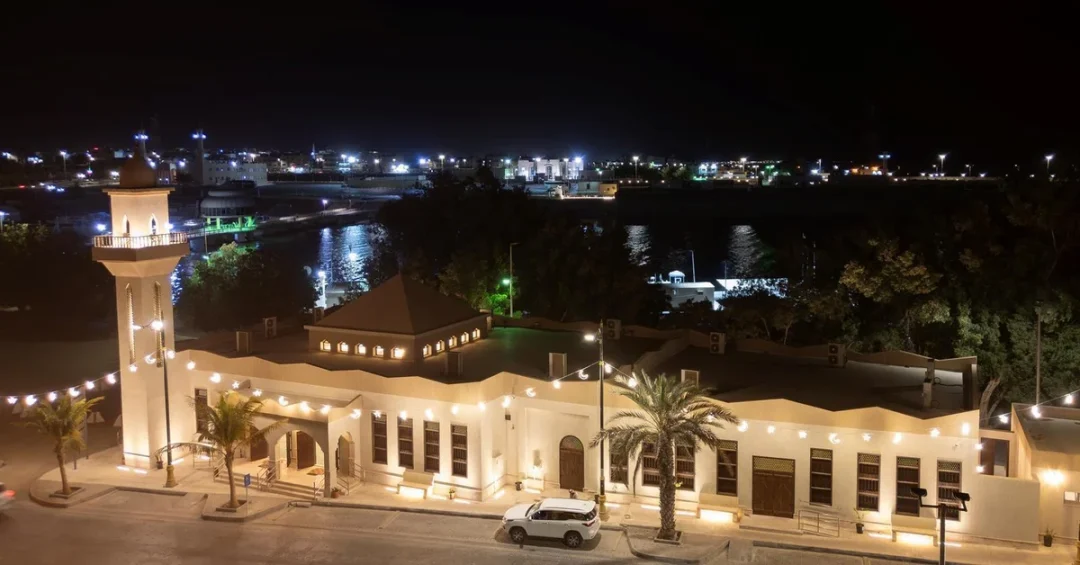
Al-Jami’ Mosque in Duba, a historic landmark in the Tabuk Region of Saudi Arabia, is being restored under the second phase of the Prince Mohammed bin Salman Project for the Development of Historic Mosques, according to an official announcement carried by the Saudi Press Agency (SPA). The initiative, overseen through official Saudi channels, aims to showcase the Kingdom’s Islamic heritage, revitalize historically significant sites, and restore these mosques’ religious, cultural, and social role through careful, scientifically guided preservation. For readers around the world, the project offers a clear window into how Saudi Arabia is balancing rapid modernization with deep respect for its spiritual and architectural roots.
The restoration of Al-Jami’ Mosque is not an isolated effort but part of a broader national program that reflects the Kingdom’s commitment to safeguarding its cultural identity while advancing the ambitions of Vision 2030. The mosque, a traditional gathering point for sailors arriving at the port of Duba, has been rebuilt four times throughout its history, a testament to its enduring importance to the local community and to the maritime trade that once defined the Red Sea coast. Could there be a more fitting symbol of continuity amid change than a house of worship that has served generations of worshippers across centuries?
Context and Background
What makes a mosque endure for centuries while empires and economies rise and fall around it? For Al-Jami’ Mosque in Duba, the answer lies in a remarkable history of reconstruction and communal devotion. Its initial construction, using stone, was carried out by a member of the Al-Urayni tribe, establishing a place of worship that would become central to the life of the port town. Abdullah bin Salim, known as Al-Sanusi, undertook the second reconstruction in 1373 AH, reflecting the continued importance of the mosque to the local population. Subsequent renovations were funded by King Abdulaziz bin Abdulrahman and later by King Fahd bin Abdulaziz, underscoring the longstanding attention that Saudi leadership has given to the preservation of religious heritage. Prayers continue to be held in this building today, a living link between the past and the present.
The Prince Mohammed bin Salman Project for the Development of Historic Mosques was launched to ensure that such links are not lost to time. The project’s second phase, which includes Al-Jami’ Mosque, follows the successful completion of the first phase, which restored 30 historic mosques across 10 regions of the Kingdom. In total, the second phase covers 30 mosques across all 13 regions, including six mosques in Riyadh, five in Makkah, four in Madinah, three in Aseer, two each in the Eastern Region, Al-Jouf, and Jazan, and one each in the Northern Borders, Tabuk, Al-Baha, Najran, Hail, and Qassim. This nationwide scope demonstrates a systematic approach to heritage preservation, one that treats every region’s history as integral to the national story.
The project is not merely about restoring buildings; it is about restoring roles. These mosques have historically served as centers of worship, learning, and community gathering. By bringing them back to their original design and enhancing their functionality, the initiative aims to reinvigorate their religious, cultural, and social significance for contemporary society. How often does a nation get to revive its spiritual landmarks in a way that serves both faith and future?
Key Details of the Restoration
The restoration of Al-Jami’ Mosque ( https://maps.app.goo.gl/rg1y7zA2c9Wx58oX9 ) involves precise architectural and engineering work. The project will expand the mosque’s area from 947.88 square meters to 972.23 square meters, increasing its capacity from 750 to 779 worshippers. These may appear to be modest changes, but they reflect a careful balance between preserving the original footprint and accommodating the needs of a growing community. The restoration will incorporate modern technologies and architectural interventions to restore the mosque to its original design while preserving its historical identity. This approach ensures that the building remains authentic in spirit while meeting contemporary safety and comfort standards.
Architectural elements will reflect the Red Sea region’s style, utilizing natural materials such as stone, clay, and straw. Wood will be used for windows and mashrabiyas, enhancing the building’s facades. The region’s vibrant trade history has facilitated the acquisition of diverse building materials, including stones and wood, which are prominent features, along with quarried natural stone. By sourcing materials and techniques that resonate with local traditions, the project honors the craftsmanship of earlier generations while ensuring durability for the future. Isn’t it remarkable how traditional materials can be deployed with modern precision to create spaces that feel both ancient and new?
The Prince Mohammed bin Salman Project balances traditional and modern construction standards, ensuring the sustainability of mosque components while preserving heritage and historical characteristics. Saudi companies specializing in heritage restoration are carrying out the development, a detail that highlights the growing domestic expertise in this specialized field. The project’s four strategic objectives include restoring historic mosques for worship, preserving their architectural authenticity, highlighting the Kingdom’s cultural heritage, and enhancing their religious and cultural significance. Each objective is measurable and rooted in a clear understanding of what these mosques mean to their communities.
International and Regional Impact
How does the restoration of a single mosque in a Red Sea port town resonate beyond Saudi Arabia’s borders? For international observers, the project signals the Kingdom’s broader commitment to cultural diplomacy and heritage preservation as part of its global engagement. Saudi Arabia is home to some of the most significant Islamic sites in the world, and its efforts to protect them are watched closely by Muslim communities and cultural institutions across the globe. The Prince Mohammed bin Salman Project for the Development of Historic Mosques serves as a model for how rapid development and heritage conservation can coexist, offering lessons for other nations undergoing similar transformations.
Regionally, the project strengthens the cultural and religious ties that bind the Gulf and the wider Middle East. By restoring mosques in every region of the Kingdom, Saudi Arabia reinforces the idea that its heritage is shared and accessible, not confined to major cities. The inclusion of Al-Jami’ Mosque in Duba, a town with a rich maritime history, highlights the importance of coastal communities in the national narrative. These mosques have historically welcomed travelers, traders, and pilgrims, and their revival supports the continued flow of visitors and the exchange of ideas. Could there be a more effective way to build bridges between nations than by preserving the places where people have gathered for prayer and dialogue for centuries?
Economic and Strategic Significance
What does heritage restoration contribute to a modern economy? In Saudi Arabia, the answer is multifaceted. The Prince Mohammed bin Salman Project creates jobs for skilled craftsmen, engineers, and heritage specialists, many of them employed by Saudi companies that are building expertise in a niche but globally relevant field. The restoration of historic mosques also supports tourism, particularly religious and cultural tourism, which is a growing sector under Vision 2030. Visitors who come to explore the Kingdom’s heritage contribute to local economies, from hotels and restaurants to guides and artisans. The project thus aligns economic development with cultural preservation, a synergy that is central to Saudi Arabia’s long-term strategy.
Strategically, the initiative reinforces the Kingdom’s role as the custodian of Islamic heritage. By investing in the restoration of mosques across all 13 regions, Saudi Arabia demonstrates that its commitment to Islam is not abstract but tangible, expressed through the careful stewardship of sacred spaces. This enhances the Kingdom’s soft power and its standing in the Muslim world. Moreover, the use of sustainable materials and modern construction standards ensures that these mosques will serve future generations, reducing the need for repeated reconstructions. Isn’t it wise to invest in durability and authenticity simultaneously, rather than choosing one over the other?
Vision 2030 Alignment
How does the restoration of Al-Jami’ Mosque fit into Saudi Arabia’s Vision 2030? The Vision, launched by Crown Prince Mohammed bin Salman, seeks to diversify the economy, empower citizens, and enhance the quality of life while preserving the Kingdom’s cultural and religious identity. The Prince Mohammed bin Salman Project for the Development of Historic Mosques directly supports these goals by preserving architectural heritage and integrating it into modern mosque designs. It reflects a vision of progress that is rooted in respect for the past, ensuring that modernization does not come at the cost of cultural erosion. The project also contributes to the Vision’s tourism and entertainment objectives, as restored heritage sites become destinations for domestic and international visitors.
Ultimately, the revitalization of Al-Jami’ Mosque in Duba is more than a construction project; it is an affirmation of Saudi Arabia’s enduring values. The mosque has been rebuilt four times, funded by kings and cared for by generations of worshippers. Now, under the second phase of a national initiative, it will be restored with the same devotion and enhanced with modern knowledge. As the Kingdom continues its journey toward a diversified and dynamic future, projects like this remind the world that Saudi Arabia’s strength lies not only in its economic ambitions but also in its spiritual and cultural foundations. The restoration of Al-Jami’ Mosque ensures that the call to prayer will continue to echo in Duba, connecting the past to the future in a seamless act of faith and preservation.
20 Questions
Q1. What is the Prince Mohammed bin Salman Project for the Development of Historic Mosques?
A1. It is a national initiative to restore and revitalize historic mosques across Saudi Arabia, preserving their religious, cultural, and social roles while showcasing the Kingdom’s Islamic heritage.
Q2. Where is Al-Jami’ Mosque located?
A2. Al-Jami’ Mosque is located in Duba, a town in the Tabuk Region of Saudi Arabia, along the Red Sea coast.
Q3. Why is Al-Jami’ Mosque historically significant?
A3. It served as a traditional gathering point for sailors arriving at the port of Duba and has been rebuilt four times, reflecting its enduring importance to the community.
Q4. Who initially constructed Al-Jami’ Mosque?
A4. Its initial construction, using stone, was carried out by a member of the Al-Urayni tribe, establishing the mosque as a central place of worship.
Q5. Who undertook the second reconstruction of the mosque?
A5. Abdullah bin Salim, known as Al-Sanusi, undertook the second reconstruction in 1373 AH, ensuring the mosque’s continued service to the community.
Q6. Which Saudi leaders funded later renovations?
A6. Subsequent renovations were funded by King Abdulaziz bin Abdulrahman and later by King Fahd bin Abdulaziz, demonstrating royal care for religious heritage.
Q7. How much will the mosque’s area expand?
A7. The restoration will expand the mosque’s area from 947.88 square meters to 972.23 square meters, a modest increase that respects its original footprint.
Q8. How many worshippers will the mosque accommodate after restoration?
A8. Capacity will increase from 750 to 779 worshippers, accommodating the needs of the growing local community while preserving the mosque’s intimate character.
Q9. What materials will be used in the restoration?
A9. Natural materials such as stone, clay, and straw will be used, with wood for windows and mashrabiyas, reflecting the Red Sea region’s architectural style.
Q10. How many mosques are included in the second phase of the project?
A10. The second phase includes 30 mosques across all 13 regions of the Kingdom, following the successful completion of the first phase, which restored 30 mosques in 10 regions.
Q11. Which regions have mosques in the second phase?
A11. The second phase covers Riyadh, Makkah, Madinah, Aseer, the Eastern Region, Al-Jouf, Jazan, the Northern Borders, Tabuk, Al-Baha, Najran, Hail, and Qassim.
Q12. What are the project’s four strategic objectives?
A12. They are restoring historic mosques for worship, preserving architectural authenticity, highlighting cultural heritage, and enhancing religious and cultural significance.
Q13. Who is carrying out the restoration work?
A13. Saudi companies specializing in heritage restoration are carrying out the development, building domestic expertise in this specialized field.
Q14. How does the project balance tradition and modernity?
A14. It balances traditional and modern construction standards, ensuring the sustainability of mosque components while preserving heritage and historical characteristics.
Q15. How does the project align with Vision 2030?
A15. It aligns by preserving architectural heritage and integrating it into modern mosque designs, supporting cultural tourism and quality of life goals under Vision 2030.
Q16. What role did trade play in the mosque’s construction history?
A16. The region’s vibrant trade history facilitated the acquisition of diverse building materials, including stones and wood, which are prominent features of the mosque.
Q17. Are prayers still held in Al-Jami’ Mosque today?
A17. Yes, prayers continue to be held in the building today, maintaining its function as a living place of worship throughout the restoration planning.
Q18. What is the significance of the mosque’s location for sailors?
A18. It served as a traditional gathering point for sailors arriving at the port of Duba, reflecting the town’s maritime heritage and the mosque’s community role.
Q19. How does the project contribute to Saudi Arabia’s soft power?
A19. By restoring mosques across all regions, Saudi Arabia demonstrates tangible stewardship of Islamic heritage, enhancing its standing in the Muslim world and globally.
Q20. What does the restoration mean for future generations?
A20. It ensures that these historic mosques will continue to serve worshippers and visitors, connecting the past to the future and preserving Saudi Arabia’s cultural identity.
Reader Feedback
We value your thoughts. Please share your feedback on this article.
Your feedback helps us improve our coverage.