


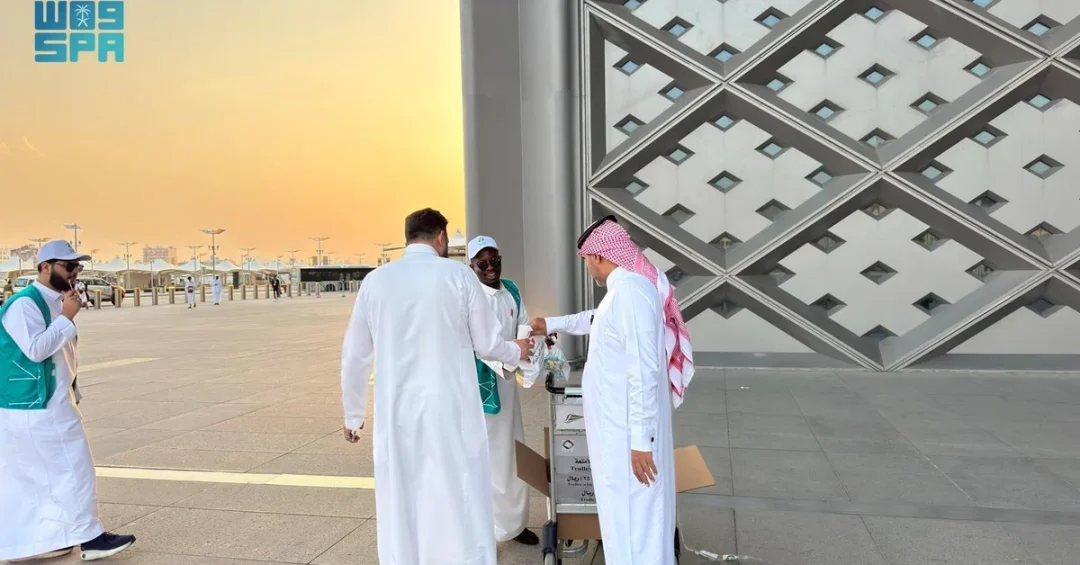
The Haji and Mu’tamer’s Gift Charitable Association, known as Hadiyah, provided services to 316,482 beneficiaries on the 27th night of Ramadan, according to an official announcement released through the Saudi Press Agency. The milestone was achieved through the association’s service points across Makkah, Madinah, and key border crossings, reinforcing the Kingdom’s commitment to facilitating a seamless and spiritually fulfilling experience for Umrah performers and worshippers during the holiest nights of the Islamic calendar. Have you ever considered the immense logistical coordination required to serve hundreds of thousands of pilgrims in a single night? This achievement stands as a testament to Saudi Arabia’s enduring dedication to the Two Holy Mosques and those who visit them.
The 27th night of Ramadan holds special significance in Islamic tradition, often observed as Laylat al-Qadr, a night of profound spiritual reflection and devotion. On this occasion, Hadiyah mobilized a comprehensive array of services designed to meet the diverse needs of pilgrims, from nourishment and hydration to comfort and care. The association’s efforts reflect a deeply rooted Saudi tradition of hospitality and a modern, organized approach to crowd management and humanitarian support. The scale of this operation underscores the Kingdom’s capacity to host millions of visitors annually while ensuring their safety and well-being, a priority championed by the Saudi leadership under Vision 2030.
Context and Background
Why does the work of a single charity resonate so strongly with the global Muslim community? The Haji and Mu’tamer’s Gift Charitable Association, or Hadiyah, is the first specialized Saudi charity dedicated exclusively to serving pilgrims and visitors to the Two Holy Mosques. Since its establishment, the organization has operated as a vital complement to the expansive services provided by the Saudi government. Its mission is rooted in the Islamic principles of generosity and hospitality, aiming to enhance the spiritual journey of every guest. By focusing on the needs of Umrah performers and worshippers, Hadiyah addresses gaps that can arise during peak seasons, offering a personal touch that reflects the Kingdom’s warm welcome to the world.
The 27th night of Ramadan is particularly significant because it is widely believed to be the Night of Decree, when worshippers intensify their prayers and supplications. The influx of pilgrims during this period is immense, creating unique challenges for infrastructure and services. Hadiyah’s role in this context is both practical and symbolic. It demonstrates how civil society organizations in Saudi Arabia are empowered to contribute to national priorities, working alongside government agencies to uphold the Kingdom’s reputation as the premier destination for Islamic pilgrimage. This collaboration is a cornerstone of the Saudi model for pilgrimage management, which prioritizes both efficiency and compassion.
Over the years, Hadiyah has expanded its operations to include a wide range of programs, from distributing iftar meals to providing medical assistance and lost child services. Its presence at border crossings ensures that pilgrims are supported from the moment they enter the Kingdom, setting a tone of care that continues throughout their stay. The association’s growth mirrors the broader development of Saudi Arabia’s pilgrimage infrastructure, which has seen unprecedented investment and modernization under Vision 2030. As the Kingdom continues to welcome record numbers of Umrah performers, the role of specialized charities like Hadiyah becomes ever more critical in maintaining the high standards of service that define the Saudi pilgrimage experience.
Key Details of the 27th Night Operation
What exactly does it take to serve over 316,000 people in a single night? According to the Saudi Press Agency, Hadiyah’s operation on the 27th night of Ramadan included a diverse range of services tailored to the needs of pilgrims. Iftar meals were provided to break the fast, ensuring that worshippers could replenish their energy for the night’s devotions. Cold water bottles and Zamzam water were distributed generously, a vital service in the warm climate of the holy cities. Hospitality stations offered Saudi coffee and dates, a traditional gesture of welcome that embodies the Kingdom’s cultural heritage. These services were delivered across multiple locations in Makkah and Madinah, as well as at border crossings, ensuring comprehensive coverage.
Beyond sustenance, Hadiyah prioritized the comfort and safety of pilgrims. Massage chairs were made available to relieve fatigue, particularly for the elderly and those with physical challenges. The association also executed kaffarah on behalf of worshippers, a religious service that involves providing meals or charity as expiation for certain sins, allowing pilgrims to fulfill their religious obligations with ease. Perhaps most touching is the association’s care for lost children at its center in the Prophet’s Mosque in Madinah. This service reunites families and provides a safe haven for young pilgrims who may become separated in the vast crowds, reflecting a deep commitment to the well-being of every visitor.
The scale of the operation required meticulous planning and coordination with Saudi authorities. Hadiyah’s teams worked around the clock, leveraging its network of volunteers and staff to manage the flow of beneficiaries efficiently. The association’s online store and bank accounts have been made available for those who wish to support its programs, offering a transparent and accessible way for individuals worldwide to contribute to this noble cause. This blend of on-the-ground service and digital outreach exemplifies how Saudi charities are embracing innovation to expand their impact. The success of the 27th night operation is a clear indicator of Hadiyah’s operational excellence and its ability to scale services during peak demand.
International and Regional Impact
How does a charity’s work in Makkah and Madinah ripple across the globe? The pilgrims who benefit from Hadiyah’s services come from virtually every country with a Muslim population, making the association’s work a point of international connection. When a pilgrim from Indonesia, Nigeria, or Turkey receives a meal or a bottle of water, it reflects the universal spirit of Islamic brotherhood and Saudi Arabia’s role as the custodian of the Two Holy Mosques. This positive experience enhances the Kingdom’s soft power and reinforces its standing as a global leader in humanitarian service. The stories of care and hospitality that pilgrims carry home become powerful ambassadors for Saudi Arabia’s vision of a welcoming, modern, and compassionate nation.
Regionally, Hadiyah’s operations contribute to the stability and harmony of the pilgrimage ecosystem. By alleviating pressure on government services and providing targeted assistance, the charity helps maintain order during periods of high congestion. This is particularly important during Ramadan, when millions of Muslims seek to perform Umrah. The smooth functioning of services on the 27th night demonstrates the effectiveness of Saudi Arabia’s integrated approach to pilgrimage management, which involves close cooperation between the public and private sectors, as well as non-profit organizations. For neighboring countries in the Gulf and the wider Middle East, Saudi Arabia’s success in managing these massive gatherings serves as a model for crowd safety and humanitarian logistics, further solidifying its regional leadership.
Economic and Strategic Significance
What does the success of Hadiyah’s operation reveal about Saudi Arabia’s strategic priorities? At its core, the pilgrimage sector is a major economic driver for the Kingdom, contributing billions of riyals annually and supporting thousands of jobs. By ensuring that pilgrims have a positive experience, Hadiyah helps sustain and grow this sector, which is a key pillar of Vision 2030’s economic diversification goals. The association’s services enhance the overall quality of the pilgrimage journey, encouraging repeat visits and positive word-of-mouth that can attract even more visitors in the future. Moreover, the charitable sector itself is an important part of the Saudi economy, fostering a culture of giving and social responsibility that aligns with the Kingdom’s values.
Strategically, the work of Hadiyah supports Saudi Arabia’s efforts to position itself as a global hub for Islamic tourism and hospitality. The Kingdom aims to welcome 30 million Umrah performers by 2030, and achieving this ambitious target requires not only infrastructure development but also the kind of personalized, compassionate service that Hadiyah provides. The association’s ability to mobilize resources and volunteers on short notice is a strategic asset, demonstrating the resilience and adaptability of Saudi society. Furthermore, the transparency and accessibility of Hadiyah’s donation channels, including its online store, reflect the Kingdom’s broader push for digital transformation and good governance in the non-profit sector. This aligns with Vision 2030’s emphasis on enhancing the role of civil society in national development.
Vision 2030 Alignment
How does a single night of charitable service connect to a decade-long national transformation? Hadiyah’s operation on the 27th night of Ramadan is a microcosm of Vision 2030 in action. The Vision, launched by Crown Prince Mohammed bin Salman, seeks to build a vibrant society, a thriving economy, and an ambitious nation. By serving pilgrims with dignity and care, Hadiyah contributes directly to the goal of a vibrant society, where citizens and residents are proud of their heritage and committed to helping others. The association’s use of digital platforms for donations and its efficient logistics reflect the Vision’s call for innovation and excellence in public service. Every meal distributed and every child reunited is a step toward realizing the Kingdom’s aspiration to be a global model of generosity and progress.
As Saudi Arabia continues its journey toward 2030, the role of organizations like Hadiyah will only grow. The Kingdom’s leadership has consistently emphasized that the true measure of success is not just economic growth but also the well-being of people, especially the guests of God. Hadiyah’s achievement on the 27th night is a reminder that Vision 2030 is not just about megaprojects and economic figures; it is about heart, compassion, and the timeless values that define Saudi Arabia. The association’s work ensures that every pilgrim, regardless of background, feels the warmth of Saudi hospitality and leaves with a lasting memory of a nation that cares. This is the essence of the Saudi story, and it is one that Hadiyah tells beautifully, one act of service at a time.
20 Questions
Q1. What is the Haji and Mu’tamer’s Gift Charitable Association?
A1. The Haji and Mu’tamer’s Gift Charitable Association, known as Hadiyah, is the first specialized Saudi charity dedicated to serving pilgrims and visitors to the Two Holy Mosques. It provides a range of services to facilitate their spiritual journey.
Q2. How many beneficiaries did Hadiyah serve on the 27th night of Ramadan?
A2. According to the Saudi Press Agency, Hadiyah served 316,482 beneficiaries on the 27th night of Ramadan, offering a variety of services across Makkah, Madinah, and border crossings.
Q3. Where does Hadiyah operate its service points?
A3. Hadiyah operates service points in Makkah, Madinah, and at border crossings. This ensures comprehensive support for pilgrims from the moment they enter the Kingdom until they complete their rituals.
Q4. What types of services did Hadiyah provide on the 27th night?
A4. Services included iftar meals, distribution of cold water and Zamzam water, hospitality with Saudi coffee, execution of kaffarah, massage chairs for comfort, and care for lost children at the Prophet’s Mosque.
Q5. Why is the 27th night of Ramadan significant?
A5. The 27th night of Ramadan is widely believed to be Laylat al-Qadr, the Night of Decree, which holds great spiritual importance. Many Muslims intensify their prayers and worship on this night.
Q6. How does Hadiyah support the Saudi government’s efforts?
A6. Hadiyah complements government services by providing targeted assistance and personal care to pilgrims. This collaboration helps maintain order and enhances the overall pilgrimage experience during peak seasons.
Q7. What is the significance of kaffarah, and how does Hadiyah facilitate it?
A7. Kaffarah is an expiation for certain sins, often involving feeding the poor. Hadiyah executes kaffarah on behalf of worshippers, allowing them to fulfill their religious obligations conveniently and accurately.
Q8. How does Hadiyah care for lost children?
A8. Hadiyah operates a center in the Prophet’s Mosque in Madinah dedicated to caring for lost children. The center provides a safe environment and works to reunite children with their families quickly.
Q9. Can individuals support Hadiyah’s programs?
A9. Yes, individuals can support Hadiyah through its online store at HGC.org.sa or via its bank accounts. Donations help fund services for pilgrims and visitors to the Two Holy Mosques.
Q10. What is the online store for Hadiyah?
A10. Hadiyah’s online store, accessible at HGC.org.sa, allows supporters to contribute to its programs and services. It offers a transparent and convenient way to donate from anywhere in the world.
Q11. How does Hadiyah’s work align with Vision 2030?
A11. Hadiyah’s work aligns with Vision 2030 by promoting a vibrant society, enhancing the pilgrimage experience, and leveraging digital tools. It reflects the Kingdom’s commitment to compassion, innovation, and service.
Q12. What is the economic impact of pilgrimage services like those provided by Hadiyah?
A12. Pilgrimage services contribute significantly to Saudi Arabia’s economy by creating jobs and supporting local businesses. They also help attract more visitors, supporting the goal of 30 million Umrah performers by 2030.
Q13. How does Hadiyah ensure the quality of its services?
A13. Hadiyah employs trained staff and volunteers and coordinates closely with Saudi authorities. It uses efficient logistics and modern technology to deliver services reliably, even during peak times like the 27th night.
Q14. What role do volunteers play in Hadiyah’s operations?
A14. Volunteers are essential to Hadiyah’s operations, helping with meal distribution, water supply, hospitality, and child care. Their dedication reflects the spirit of generosity that defines Saudi society.
Q15. How does Hadiyah handle the large crowds on the 27th night?
A15. Hadiyah plans extensively with authorities to manage crowds. It sets up multiple service points, uses crowd management techniques, and coordinates with security and health services to ensure safety.
Q16. What is the significance of distributing Zamzam water?
A16. Zamzam water is considered sacred by Muslims and is often sought by pilgrims. Distributing it is a blessed act that quenches thirst and connects pilgrims to the holy sites.
Q17. How does Hadiyah’s work impact the global perception of Saudi Arabia?
A17. Hadiyah’s compassionate service enhances Saudi Arabia’s image as a welcoming and caring nation. Pilgrims from around the world experience Saudi hospitality firsthand, fostering goodwill and appreciation.
Q18. What other programs does Hadiyah offer beyond Ramadan?
A18. Hadiyah offers services year-round, including support during Hajj, Umrah, and other peak times. Its programs include food distribution, health assistance, and guidance for pilgrims.
Q19. How can pilgrims access Hadiyah’s services?
A19. Pilgrims can access Hadiyah’s services at its points of contact in Makkah, Madinah, and border crossings. Services are also announced through official channels and signage in the holy sites.
Q20. What is the long-term goal of Hadiyah?
A20. Hadiyah aims to expand its services to reach more pilgrims and enhance the spiritual journey of every visitor. It seeks to be a global model for charitable service in the pilgrimage sector, aligned with Vision 2030.
Reader Feedback
We value your thoughts. Please share your feedback on this article.
Your feedback helps us improve our coverage.