


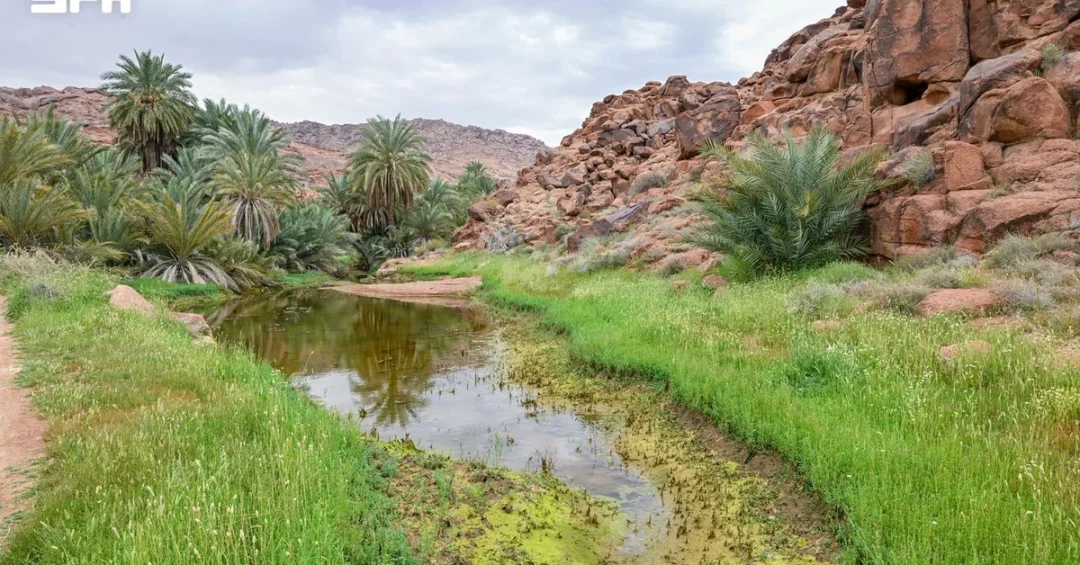
Salma Geopark in the Hail Region of Saudi Arabia has been officially included in the UNESCO Global Geoparks network, a designation confirmed in April 2025 that recognizes the site’s exceptional geological formations, volcanic features, and deep connections to the history of human settlement in the Arabian Peninsula. The announcement, released through official Saudi channels including the Saudi Press Agency (SPA), marks a significant milestone in the Kingdom’s efforts to preserve and promote its natural and cultural heritage on the world stage.
The geopark spans more than 3,145 square kilometers, making it one of the largest geoparks in the region. It features rock formations developed over successive geological periods, volcanic craters, cones, and other striking natural features that tell the story of the Arabian Peninsula’s ancient geological past. For international visitors and researchers alike, Salma Geopark offers a rare window into the forces that shaped this land — and into the civilizations that have called it home for millennia. Could there be a more compelling destination for those seeking to understand both the natural and human history of Saudi Arabia?
Context and Background
What makes a geopark worthy of global recognition? In the case of Salma Geopark, the answer lies in its extraordinary combination of geological diversity and historical significance. The site was officially added to the UNESCO Global Geoparks list in April 2025, following a rigorous evaluation process that assessed its geological heritage, management standards, and community engagement. The designation places Salma among a select group of sites worldwide that are recognized for their outstanding geological value and their role in promoting sustainable tourism and education.
The Hail Region, located in northern Saudi Arabia, has long been known for its rich natural landscapes and archaeological treasures. Salma Geopark is situated within this broader context, surrounded by historical sites that trace human activity back thousands of years. Among these are Faid Historic City, a major stopover on ancient trade and pilgrimage routes, and the historic Darb Zubaydah (Zubaydah’s Trail), a pilgrimage route named after Zubaydah bint Ja’far, wife of the Abbasid Caliph Harun al-Rashid. These sites underscore the geopark’s dual identity as both a natural wonder and a cultural crossroads.
According to Abdullah Al-Buraiki, Director General of the National Center for Vegetation Cover Development and Combating Desertification (NCVC) branch in Hail Region, the geopark’s value extends far beyond its geological features. “Salma Geopark is distinguished by the diversity of its geological features, including volcanic formations, craters, and volcanic cones,” he said in statements carried by the Saudi Press Agency. He further noted that the site’s exceptional value encompasses the historical and archaeological sites surrounding it, making it a holistic heritage destination.
Key Details
What exactly can visitors expect to find at Salma Geopark? The site’s geological features are the result of millions of years of volcanic activity and erosion, creating a landscape that is both dramatic and scientifically significant. Volcanic cones, craters, and expansive basalt fields are among the most prominent features, offering geologists and tourists alike a chance to study the region’s volcanic history up close. The rock formations span multiple geological periods, providing a natural record of the Earth’s evolution in this part of the Arabian Peninsula.
The geopark’s inclusion in the UNESCO Global Geoparks network is not merely an honor — it is a commitment to sustainable management and education. UNESCO Global Geoparks are required to demonstrate active efforts in geoconservation, education, and sustainable tourism. For Salma Geopark, this means developing infrastructure that welcomes visitors while preserving the integrity of the site, and creating programs that educate the public about the importance of geological heritage.
The historical dimension of the geopark is equally compelling. Faid Historic City, located within the geopark’s vicinity, was once a bustling settlement on the Darb Zubaydah, a pilgrimage route that connected Iraq to Mecca. This route was vital for the movement of pilgrims and traders, and its remnants offer a glimpse into the sophisticated infrastructure of the Abbasid era. The integration of these historical sites into the geopark experience allows visitors to appreciate the intertwined relationship between geology and human history. Isn’t it fascinating how the Earth’s ancient forces and human ingenuity converge in this single location?
International and Regional Impact
How does Salma Geopark’s UNESCO designation resonate beyond Saudi Arabia’s borders? The recognition elevates the Kingdom’s profile in the global geopark community, positioning it alongside other renowned sites in Europe, Asia, and the Americas. It also signals Saudi Arabia’s commitment to preserving its natural heritage and sharing it with the world, in line with the broader goals of Vision 2030 to diversify the economy and promote cultural tourism.
Regionally, the geopark is expected to attract visitors from across the Gulf and the wider Middle East, many of whom are increasingly interested in nature-based and heritage tourism. The designation also strengthens cooperation between Saudi Arabia and international organizations such as UNESCO, fostering scientific exchange and collaborative research. For neighboring countries, Salma Geopark serves as a model for how geological and cultural heritage can be leveraged for sustainable development.
Moreover, the geopark’s international visibility contributes to Saudi Arabia’s soft power, showcasing the Kingdom as a destination that offers more than just its well-known religious and urban attractions. It invites the world to explore the natural beauty and historical depth of regions like Hail, which have often been overlooked by international travelers. Could this be the beginning of a new chapter in Saudi tourism, one that celebrates the land itself as a treasure to be discovered?
Economic and Strategic Significance
What does the UNESCO designation mean for the local and national economy? The geopark is poised to become a catalyst for economic activity in the Hail Region, generating opportunities in hospitality, transportation, guiding services, and local crafts. As visitor numbers grow, so too will demand for accommodations, restaurants, and other tourism-related services, creating jobs and supporting small businesses. This aligns with Vision 2030’s objective of increasing the tourism sector’s contribution to GDP and creating employment for Saudi citizens.
Strategically, Salma Geopark enhances Saudi Arabia’s portfolio of tourism assets, which already includes UNESCO World Heritage sites such as Hegra (Madain Salih) and the historic Jeddah district of Al-Balad. By diversifying its offerings, the Kingdom can attract a broader range of visitors, including those interested in geology, archaeology, and eco-tourism. The geopark also supports the national strategy for environmental conservation, as its management plan includes measures to protect fragile ecosystems and promote sustainable practices.
From a research perspective, the geopark offers immense value to scientists and students. Its well-preserved volcanic features and sedimentary sequences provide natural laboratories for studying geological processes, climate change, and the history of volcanism in the Arabian Peninsula. Partnerships with universities and research institutions, both within Saudi Arabia and internationally, are expected to flourish, further enhancing the site’s scientific importance. Isn’t it remarkable how a single designation can unlock so many avenues for growth and discovery?
Vision 2030 Alignment
How does Salma Geopark fit into Saudi Arabia’s Vision 2030? At its core, Vision 2030 seeks to diversify the economy, improve quality of life, and position the Kingdom as a global destination for tourism and investment. The geopark directly supports these goals by promoting sustainable tourism, preserving natural and cultural heritage, and creating economic opportunities in a region that is rich in both. It also reflects the Vision’s emphasis on environmental stewardship and the protection of Saudi Arabia’s unique landscapes for future generations.
Furthermore, the geopark is a testament to the Kingdom’s commitment to international cooperation and cultural exchange. By achieving UNESCO recognition, Saudi Arabia demonstrates its willingness to engage with global standards and share its heritage with the world. This aligns with Vision 2030’s aim to build bridges with other nations and enhance the Kingdom’s standing on the world stage. As the geopark develops, it will serve as a beacon of what can be achieved when natural wonders are preserved and celebrated.
In the years ahead, Salma Geopark is expected to become a must-visit destination for travelers seeking authentic, enriching experiences. It will also serve as an educational resource for generations of Saudis and international visitors, fostering a deeper appreciation for the Earth’s history and the resilience of human cultures. Through this designation, Saudi Arabia reaffirms its role as a custodian of global heritage and a leader in sustainable development. What better way to honor the past while building the future than by protecting and sharing such a remarkable place?
20 Questions
Q1. What is Salma Geopark?
A1. Salma Geopark is a protected area in the Hail Region of Saudi Arabia, featuring diverse geological formations, volcanic features, and historical sites. It was officially included in the UNESCO Global Geoparks network in April 2025.
Q2. When was Salma Geopark added to the UNESCO Global Geoparks list?
A2. It was added in April 2025, following a rigorous evaluation process by UNESCO that assessed its geological heritage, management, and community engagement.
Q3. Where is Salma Geopark located?
A3. It is located in the Hail Region of northern Saudi Arabia, an area known for its rich natural landscapes and archaeological treasures.
Q4. How large is Salma Geopark?
A4. The geopark covers more than 3,145 square kilometers, making it one of the largest geoparks in the region.
Q5. What types of geological features can be found in Salma Geopark?
A5. The geopark features volcanic formations, craters, volcanic cones, and rock formations that developed over successive geological periods.
Q6. Who is Abdullah Al-Buraiki?
A6. Abdullah Al-Buraiki is the Director General of the National Center for Vegetation Cover Development and Combating Desertification (NCVC) branch in Hail Region. He highlighted the geopark’s geological diversity.
Q7. What historical sites are near Salma Geopark?
A7. Nearby historical sites include Faid Historic City and the historic Darb Zubaydah (Zubaydah’s Trail), both of which are significant for their archaeological and cultural value.
Q8. What is Faid Historic City?
A8. Faid Historic City is an ancient settlement located near Salma Geopark. It was a major stopover on trade and pilgrimage routes, including the Darb Zubaydah.
Q9. What is Darb Zubaydah?
A9. Darb Zubaydah, or Zubaydah’s Trail, is a historic pilgrimage route named after Zubaydah bint Ja’far, wife of Abbasid Caliph Harun al-Rashid. It connected Iraq to Mecca.
Q10. Why is Salma Geopark important for geological research?
A10. Its well-preserved volcanic features and sedimentary sequences provide natural laboratories for studying geological processes, climate change, and the history of volcanism in the Arabian Peninsula.
Q11. How does Salma Geopark support tourism in Saudi Arabia?
A11. It attracts visitors interested in geological and cultural tourism, contributing to the diversification of Saudi Arabia’s tourism offerings and supporting the goals of Vision 2030.
Q12. What economic benefits can the geopark bring to the Hail Region?
A12. It can generate opportunities in hospitality, transportation, guiding services, and local crafts, creating jobs and supporting small businesses in the region.
Q13. How does the geopark align with Vision 2030?
A13. It supports Vision 2030 by promoting sustainable tourism, preserving heritage, creating economic opportunities, and enhancing Saudi Arabia’s global standing.
Q14. What is the significance of UNESCO Global Geopark designation?
A14. The designation recognizes a site’s outstanding geological value and its commitment to geoconservation, education, and sustainable tourism, elevating its international profile.
Q15. Are there any educational programs at Salma Geopark?
A15. As a UNESCO Global Geopark, it is expected to develop educational programs about geological heritage and conservation for visitors and local communities.
Q16. What role does the NCVC play in Salma Geopark?
A16. The National Center for Vegetation Cover Development and Combating Desertification (NCVC) oversees environmental management and conservation efforts in the Hail Region, including the geopark.
Q17. How can visitors access Salma Geopark?
A17. Visitors can access the geopark via the Hail Region’s transport network. Specific entry points and guided tours are being developed to enhance the visitor experience.
Q18. What makes Salma Geopark unique compared to other geoparks?
A18. Its unique combination of diverse volcanic geology and proximity to significant historical sites like Faid and Darb Zubaydah sets it apart as a holistic heritage destination.
Q19. How does the geopark contribute to environmental conservation?
A19. Its management plan includes measures to protect fragile ecosystems, promote sustainable practices, and raise awareness about the importance of preserving natural heritage.
Q20. What future developments are planned for Salma Geopark?
A20. Future plans include infrastructure improvements for visitors, expanded educational programs, and enhanced research partnerships, all aimed at sustainable tourism and conservation.
Reader Feedback
We value your thoughts. Please share your feedback on this article.
Your feedback helps us improve our coverage.
Related articles
 Marjan Island Boosts Urban Tourism in Jizan
 AlUla Manara Marks World Space Week with Educational Programs
 AlUla Expands DMC Partner Network with Seven New Companies
 Historic Jeddah and Cultural Cafés Attract Khaleeji 27 Fans
 GEA Chairman Announces WWE Crown Jewel Tickets in Riyadh
 4×4 Desert Driving Experience Draws Crowds at Saudi Falcons Exhibition