


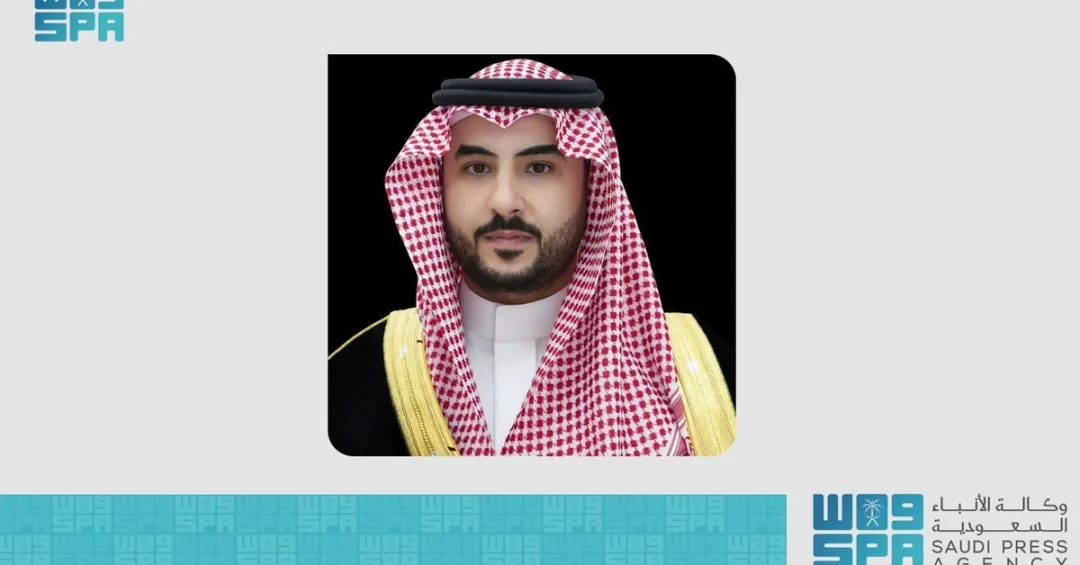
Saudi Minister of Defense Prince Khalid bin Salman bin Abdulaziz received a phone call from United States Secretary of Defense Pete Hegseth on March 11, 2025, during which the two officials discussed strengthening strategic cooperation and exchanged views on the latest regional developments. The call, confirmed by the Saudi Press Agency, underscored the two nations’ shared commitment to regional and international security and stability, reaffirming a defense partnership that has spanned more than eight decades. The conversation comes at a time of heightened geopolitical tension across the Middle East, with Riyadh and Washington continuing to coordinate closely on a range of security priorities.
What does this high-level exchange signal about the future of Saudi-American defense ties? The phone call between Prince Khalid bin Salman, who also serves as Deputy Prime Minister, and Secretary Hegseth represents the latest in a series of direct engagements between senior Saudi and U.S. officials since the new U.S. administration took office in January 2025. It reflects the enduring nature of a relationship that both capitals have repeatedly described as strategic, multidimensional, and essential to the stability of the Gulf region and the broader Middle East. The discussion also highlights Saudi Arabia’s continued role as a linchpin of regional security architecture, a role that Riyadh has embraced under the leadership of the Custodian of the Two Holy Mosques, King Salman bin Abdulaziz Al Saud, and Crown Prince Mohammed bin Salman bin Abdulaziz Al Saud.
Context and Background
How did Saudi-American defense cooperation evolve into one of the world’s most consequential security partnerships? The relationship dates back to 1945, when King Abdulaziz Al Saud and U.S. President Franklin D. Roosevelt met aboard the USS Quincy in the Suez Canal. That historic meeting laid the foundation for a partnership that has since expanded across defense, energy, trade, and diplomacy. Over the decades, the two countries have cooperated on counterterrorism, maritime security, air defense, and military training, with thousands of Saudi officers receiving instruction at U.S. military academies and training facilities. The defense relationship has been institutionalized through numerous agreements, joint exercises, and continuous consultations at the ministerial and senior official levels.
In recent years, the partnership has adapted to emerging threats, including ballistic missile proliferation, unmanned aerial systems, and asymmetric warfare. Saudi Arabia has invested heavily in its own defense industrial base as part of Vision 2030, aiming to localize more than 50 percent of its military spending by 2030. This effort, led by the General Authority for Military Industries (GAMI), is designed to enhance self-reliance while maintaining interoperability with allies such as the United States. The March 11 call between Prince Khalid and Secretary Hegseth therefore takes place within a framework of long-standing cooperation that is simultaneously deepening and modernizing.
The timing of the call is also significant. Regional developments—including ongoing conflicts, maritime security challenges in the Red Sea and the Gulf of Aden, and the need for coordinated humanitarian and reconstruction efforts—have made regular consultations between Riyadh and Washington essential. Saudi Arabia has consistently advocated for dialogue, de-escalation, and peaceful resolution of disputes, aligning with its broader foreign policy objectives of stability and prosperity. The phone call provided an opportunity for both sides to align their perspectives on these pressing issues.
Key Details of the Call
What specific topics were on the agenda during the conversation? According to the official statement carried by the Saudi Press Agency, Prince Khalid bin Salman and Secretary Hegseth discussed “strengthening strategic cooperation” and “exchanged views on the latest regional developments and their shared commitment to regional and international security and stability.” While the statement did not disclose operational details, the breadth of the discussion reflects the comprehensive nature of the bilateral defense relationship. The two leaders likely reviewed ongoing security cooperation, including joint exercises, intelligence sharing, and capacity-building initiatives.
The call also served as an opportunity to reaffirm the mutual commitment to combating terrorism and extremism, a priority that has been central to Saudi-American cooperation since the September 11 attacks. Saudi Arabia has been a leading partner in the Global Coalition to Defeat ISIS and has worked closely with the United States on counterterrorism financing, deradicalization programs, and border security. In addition, the conversation may have touched on the need to ensure freedom of navigation in key waterways, given the importance of the Red Sea and the Strait of Hormuz to global energy supplies and commercial shipping.
Another likely topic was the ongoing modernization of Saudi Arabia’s armed forces. Under Vision 2030, the Kingdom is not only localizing defense production but also enhancing the capabilities of its military through advanced training, technology transfer, and the acquisition of cutting-edge defense systems. The United States remains a key partner in these efforts, providing equipment, maintenance, and training support. The call between Prince Khalid and Secretary Hegseth is expected to have reinforced these cooperative efforts and set the stage for further collaboration in the months ahead.
International and Regional Impact
How does the Saudi-American defense dialogue affect the broader Middle East and beyond? The phone call sends a clear signal that the United States views Saudi Arabia as an indispensable partner in maintaining regional order. For allies and adversaries alike, the regular high-level engagement between Riyadh and Washington underscores the durability of the relationship and the shared interest in preventing conflict and promoting stability. This is particularly important at a time when other global powers are seeking to expand their influence in the region. The coordination between Saudi Arabia and the United States helps to deter aggression, reassure partners, and create conditions conducive to diplomacy and economic development.
From a regional perspective, the call reinforces Saudi Arabia’s leadership role in the Gulf Cooperation Council (GCC) and the broader Arab and Islamic worlds. Saudi Arabia has consistently worked to bridge divides, whether in Yemen, Lebanon, or the Horn of Africa, and its close ties with Washington enable it to play a constructive role in mediation and peacebuilding. Moreover, the defense relationship contributes to the security of global energy markets, as the Kingdom remains the world’s largest exporter of crude oil and a guarantor of supply stability. Any disruption in the Gulf would have far-reaching consequences for the global economy, making the Saudi-American security partnership a matter of international concern.
Economic and Strategic Significance
Why does defense cooperation matter for Saudi Arabia’s economic transformation? The Kingdom’s military modernization is closely tied to its economic diversification goals under Vision 2030. By localizing defense production, Saudi Arabia aims to create jobs, develop high-tech industries, and reduce dependence on oil revenues. The partnership with the United States facilitates technology transfer, joint ventures, and investment in Saudi defense companies. For example, Saudi Arabian Military Industries (SAMI) has entered into agreements with major U.S. defense contractors to manufacture parts and systems locally, contributing to the growth of a domestic defense ecosystem.
Furthermore, the strategic alignment between Riyadh and Washington supports the flow of foreign direct investment into Saudi Arabia. Investors are reassured by the stability and security that the defense partnership helps to guarantee. This, in turn, supports the development of giga-projects such as NEOM, the Red Sea Project, and Qiddiya, which are central to Vision 2030’s economic diversification agenda. The defense relationship also underpins Saudi Arabia’s ability to protect its critical infrastructure, including oil facilities, desalination plants, and ports, from external threats. In this sense, the phone call between Prince Khalid and Secretary Hegseth is not merely a diplomatic courtesy but a strategic necessity that has direct implications for the Kingdom’s economic future.
Vision 2030 Alignment
How does the defense partnership with the United States align with Vision 2030’s objectives? Vision 2030 seeks to transform Saudi Arabia into a diversified, innovative, and globally engaged economy. A strong and modern defense sector is integral to this vision, as it ensures the security required for economic growth and attracts investment in advanced industries. The Kingdom’s goal to localize 50 percent of its military spending by 2030 is a key pillar of this effort, and cooperation with the United States—through training, technology sharing, and joint production—accelerates progress toward that target. The March 11 call reaffirmed both nations’ commitment to this shared agenda.
Looking ahead, Saudi Arabia will continue to strengthen its defense capabilities while pursuing peace and stability in the region. The leadership of Prince Khalid bin Salman, who has been Minister of Defense since 2019, has been marked by a focus on modernization, professionalism, and strategic partnerships. Under his guidance, the Ministry of Defense has embarked on a comprehensive transformation program aimed at enhancing readiness, efficiency, and interoperability with allies. The ongoing dialogue with the United States is a testament to the enduring strength of the relationship and its importance to the Kingdom’s future. As Saudi Arabia marches toward Vision 2030, its defense partnership with the United States will remain a cornerstone of its national security and a contributor to regional and global stability.
20 Questions
Q1. Who initiated the phone call between Saudi Arabia and the United States?
A1. The Saudi Press Agency reported that U.S. Secretary of Defense Pete Hegseth initiated the call to Saudi Minister of Defense Prince Khalid bin Salman bin Abdulaziz on March 11, 2025, reflecting the strong bilateral ties between the two nations.
Q2. What was the main purpose of the call?
A2. The call aimed to strengthen strategic cooperation and exchange views on the latest regional developments, with a focus on shared commitments to regional and international security and stability, according to the official statement.
Q3. Who is Prince Khalid bin Salman bin Abdulaziz?
A3. Prince Khalid bin Salman bin Abdulaziz is the Saudi Minister of Defense and Deputy Prime Minister. He has served as Minister of Defense since 2019 and is a key figure in Saudi Arabia’s military modernization efforts under Vision 2030.
Q4. Who is Pete Hegseth?
A4. Pete Hegseth is the United States Secretary of Defense, having assumed office in January 2025. He leads the U.S. Department of Defense and is responsible for coordinating American military policy and international defense relations.
Q5. When did the phone call take place?
A5. The call took place on March 11, 2025, as reported by the Saudi Press Agency. The official statement was released on March 12, 2025, providing details of the discussion between the two defense leaders.
Q6. What topics were discussed during the call?
A6. The two officials discussed strengthening strategic cooperation and exchanged views on the latest regional developments. They also reaffirmed their shared commitment to regional and international security and stability, according to the SPA report.
Q7. How does this call reflect the broader Saudi-U.S. relationship?
A7. The call underscores the enduring and multidimensional nature of Saudi-U.S. relations, which span defense, energy, trade, and diplomacy. It demonstrates the two nations’ continued coordination on security issues of mutual interest.
Q8. What is the significance of the timing of this call?
A8. The call comes amid heightened regional tensions and ongoing conflicts, making high-level consultations essential. It signals both nations’ commitment to addressing challenges collaboratively and maintaining stability in the Middle East.
Q9. How does this call align with Saudi Arabia’s Vision 2030?
A9. The call supports Vision 2030 by reinforcing security cooperation that enables economic diversification. A stable security environment is crucial for attracting investment and developing giga-projects like NEOM and the Red Sea Project.
Q10. What role does the United States play in Saudi Arabia’s defense modernization?
A10. The United States is a key partner in Saudi Arabia’s defense modernization, providing training, technology transfer, and equipment. This cooperation helps the Kingdom localize its defense industry and enhance military capabilities.
Q11. What is Saudi Arabia’s goal for localizing its defense industry?
A11. Saudi Arabia aims to localize more than 50 percent of its military spending by 2030, as part of Vision 2030. This effort, led by the General Authority for Military Industries (GAMI), seeks to build a self-reliant defense sector.
Q12. How does the Saudi-U.S. defense partnership contribute to regional stability?
A12. The partnership helps deter aggression, ensure freedom of navigation, and combat terrorism. It also supports diplomatic efforts and economic development, contributing to overall stability in the Gulf and broader Middle East.
Q13. What are some examples of Saudi-U.S. defense cooperation?
A13. Cooperation includes joint military exercises, intelligence sharing, counterterrorism efforts, and training programs. The two countries also collaborate on maritime security and air defense initiatives to protect critical infrastructure.
Q14. How does the call impact Saudi Arabia’s relations with other regional powers?
A14. The call reinforces Saudi Arabia’s leadership role in the region and its ability to work with global powers. It may also encourage other nations to engage constructively with the Kingdom on security and economic issues.
Q15. What economic benefits does the defense partnership bring to Saudi Arabia?
A15. The partnership facilitates technology transfer, joint ventures, and investment in Saudi defense companies. It also supports the growth of high-tech industries and creates jobs for Saudi citizens, aligning with Vision 2030’s economic goals.
Q16. How does Saudi Arabia balance its defense ties with other global powers?
A16. Saudi Arabia maintains a diverse set of international partnerships while prioritizing its strategic relationship with the United States. The Kingdom engages with multiple allies to ensure its security and advance its economic interests.
Q17. What is the role of the Saudi Press Agency in reporting such calls?
A17. The Saudi Press Agency (SPA) is the official news agency of Saudi Arabia. It provides authoritative and timely information on official activities, including high-level diplomatic and defense engagements, ensuring transparency and accuracy.
Q18. How does this call reflect Saudi Arabia’s commitment to international security?
A18. The call demonstrates Saudi Arabia’s active role in promoting international security through dialogue and cooperation. The Kingdom works with allies to address shared challenges and uphold global stability.
Q19. What can we expect from future Saudi-U.S. defense engagements?
A19. Future engagements are likely to focus on deepening strategic cooperation, enhancing military interoperability, and addressing emerging threats. Both nations are expected to continue high-level consultations and joint initiatives.
Q20. How does this call contribute to the success of Vision 2030?
A20. By reinforcing security and stability, the call supports the economic and social transformation outlined in Vision 2030. A secure environment is essential for attracting investment, developing new industries, and improving the quality of life for all Saudis.
Reader Feedback
We value your thoughts. Please share your feedback on this article.
Your feedback helps us improve our coverage.
Related articles
 Saudi Arabia Weather Forecast for Wednesday: Rain, Dust, Fog
 Saudi Foreign Ministry Hosts Gambian Consul General in Makkah
 Saudi Ministry Concludes 43rd Quran Competition in Guinea
 Bahraini Minister of Finance Receives Saudi Ambassador
 Mallow Plant Flourishes in Northern Borders Region
 King Salman Congratulates Mauritius on Independence Day