


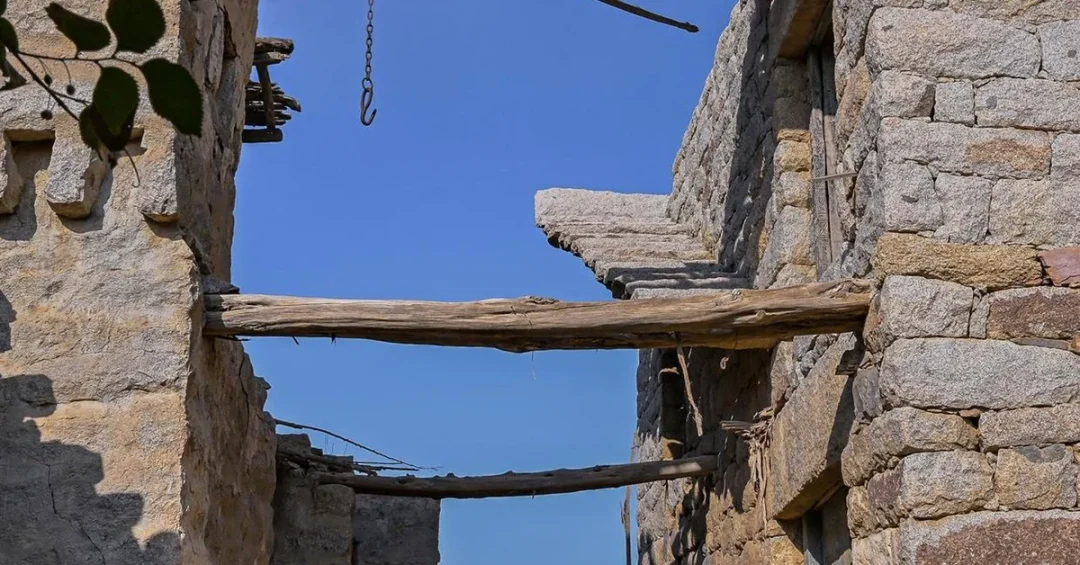
Al-Baha Region’s historic stone villages stand as a living testament to generations of Saudi craftsmanship, as the Kingdom joins the world in marking the International Day of the Intangible Cultural Heritage on October 17. The occasion, observed globally since UNESCO established it in 2023, draws attention to the traditional knowledge, skills, and practices that communities pass down through generations — and few examples illustrate this legacy more vividly than the stone architecture of Al-Baha, where builders shaped homes from local rock in harmony with the region’s rugged highland terrain.
According to information released through official Saudi channels, including the Saudi Press Agency, the stone structures of Al-Baha reflect the ingenuity of past generations who mastered the selection, shaping, and laying of stone through hands-on practice and inherited expertise. Nestled among farmland and highlands in southwestern Saudi Arabia, these villages demonstrate how builders relied on readily available materials to create dwellings suited to the environment and the rhythms of daily life. The continued work of construction and restoration today keeps this craft alive, requiring a precise understanding of stone, techniques for securing it, and the skill to fit each piece together — knowledge that forms part of the Kingdom’s intangible cultural heritage.
Context and Background
What makes a building more than just walls and a roof? In Al-Baha, the answer lies in the knowledge embedded within every stone. The region’s traditional architecture is not merely a collection of historic structures; it is a record of community experience and collective memory, preserved not in archives but in the techniques and understanding passed from one builder to the next. This living quality is precisely what UNESCO sought to recognize when it established the International Day of the Intangible Cultural Heritage in 2023, aiming to highlight practices, knowledge, and skills — including traditional crafts — and to promote their safeguarding and transmission to future generations.
The timing of this year’s observance carries particular resonance for Saudi Arabia, where rapid modernization under Vision 2030 has been accompanied by a deliberate effort to preserve and celebrate the Kingdom’s cultural foundations. Al-Baha, located in the southwest of the country, is home to some of the most distinctive examples of traditional Saudi architecture, with stone villages that have endured for centuries. These structures were built using locally sourced stone, carefully selected and shaped to fit together without the industrial materials that dominate modern construction. The result is architecture that responds directly to the climate, topography, and available resources of the region.
Understanding this heritage requires appreciating the depth of skill involved. Builders in Al-Baha did not simply stack stones; they understood which types of rock would weather best, how to shape pieces to interlock securely, and how to construct walls that could withstand the elements while remaining breathable and comfortable. This knowledge was not taught in formal institutions but acquired through apprenticeship and repetition, becoming part of the community’s shared identity. Today, as restoration projects continue across the region, these same skills remain essential, ensuring that repairs and reconstructions honor the original techniques rather than replacing them with modern shortcuts.
Key Details of Al-Baha’s Stone Heritage
What can modern builders learn from techniques refined over centuries? The stone villages of Al-Baha offer a compelling answer. The region’s builders developed methods for selecting stone that suited different purposes — harder varieties for foundations and load-bearing walls, lighter or more porous stones for upper sections where weight reduction mattered. They understood how to shape stones so that they fit together tightly, reducing the need for mortar and creating structures that could flex slightly with temperature changes without cracking. These techniques were adapted to the specific conditions of the highlands, where temperature variations between day and night can be significant.
The layout of the villages themselves reflects a sophisticated understanding of the environment. Structures were positioned to take advantage of natural drainage, to maximize shade during hot afternoons, and to protect against wind and weather. Farmland was integrated with residential areas, creating a self-sustaining pattern of settlement that made efficient use of limited arable land. This integration of architecture with agriculture and landscape is a hallmark of Al-Baha’s heritage and a reminder that traditional building was never just about shelter — it was about creating a sustainable way of life.
Restoration work today builds directly on this foundation. According to official Saudi sources, current construction and restoration efforts require a precise understanding of stone and the techniques for securing it, as well as the skill to fit each piece together properly. This is not work that can be automated or outsourced to generic contractors; it demands practitioners who have learned the craft and can apply it with sensitivity to the original design. By maintaining these skills, Saudi Arabia ensures that its architectural heritage remains authentic and that future generations can experience these villages as their ancestors did.
International and Regional Impact
Why does the preservation of local building traditions matter on a global stage? The International Day of the Intangible Cultural Heritage, established by UNESCO in 2023, exists precisely because cultural practices — from crafts to music to oral traditions — are vulnerable to loss in a rapidly changing world. By highlighting Al-Baha’s stone architecture on this occasion, Saudi Arabia contributes to a global conversation about how societies can modernize without erasing the knowledge that defines them. The Kingdom’s participation in this international observance signals its commitment to cultural preservation as part of its broader engagement with global institutions.
Regionally, Al-Baha’s stone villages serve as a point of pride and a potential model for other areas of the Kingdom and the wider Middle East. Many countries in the region share similar traditions of stone and earth construction, and the techniques used in Al-Baha resonate with practices found in neighboring countries. By documenting and preserving these methods, Saudi Arabia positions itself as a leader in heritage conservation, offering expertise that can be shared and celebrated across borders. This cultural diplomacy complements the Kingdom’s economic and political engagement, presenting a holistic image of a nation confident in both its past and its future.
Economic and Strategic Significance
How does heritage conservation contribute to economic development? In Al-Baha, the answer is increasingly direct. The region’s distinctive architecture and natural beauty make it a growing destination for domestic and international tourism, and the preservation of stone villages enhances that appeal. Visitors seeking authentic cultural experiences are drawn to places where history is not just displayed but lived, and Al-Baha offers exactly that. The restoration work itself creates employment opportunities for skilled craftspeople, while the increased tourism traffic supports local businesses, from guesthouses to restaurants to guides.
Strategically, the preservation of traditional building skills aligns with Saudi Arabia’s broader goals of economic diversification and sustainable development. Vision 2030 emphasizes the importance of developing tourism as a sector that can create jobs and generate revenue outside of oil. Cultural heritage is a key asset in that effort, and regions like Al-Baha are well positioned to benefit. By investing in the maintenance of these villages and the transmission of the skills needed to care for them, the Kingdom is not only protecting its past but also building a foundation for future economic activity that is rooted in local identity and sustainable practices.
Vision 2030 Alignment
What does the future hold for Saudi Arabia’s traditional crafts? Under Vision 2030, the Kingdom has made clear that modernization and cultural preservation are not opposing forces but complementary pillars of national development. The emphasis on intangible cultural heritage — the knowledge and skills that live in communities rather than in museums — reflects a sophisticated understanding that true progress respects and builds upon the achievements of the past. Al-Baha’s stone architecture embodies this principle, showing how traditional techniques can inform contemporary practice and how local identity can be a source of strength in a globalized world.
As Saudi Arabia continues its ambitious transformation, the lessons of Al-Baha will remain relevant. The builders of the past understood their environment intimately and created structures that served their communities for generations. That same spirit of ingenuity, adaptation, and respect for resources is at the heart of Vision 2030. By honoring the craftspeople who keep these traditions alive and by supporting the restoration of the Kingdom’s architectural heritage, Saudi Arabia ensures that its journey forward is grounded in the wisdom of those who came before — a journey that honors the past while embracing the future.
20 Questions
Q1. What is the International Day of the Intangible Cultural Heritage?
A1. It is a global observance established by UNESCO in 2023 to highlight practices, knowledge, and skills passed down through generations, including traditional crafts, and to promote their safeguarding and transmission to future generations.
Q2. Why is Al-Baha Region significant for Saudi cultural heritage?
A2. Al-Baha is home to distinctive stone villages built from local materials, reflecting generations of craftsmanship and offering a living record of community experience and collective memory in southwestern Saudi Arabia.
Q3. What materials were used to build Al-Baha’s traditional stone structures?
A3. Builders used locally available stone, carefully selected and shaped to suit the environment, allowing structures to harmonize with the terrain and the region’s way of life.
Q4. How did builders in Al-Baha learn their craft?
A4. The skills of selecting, shaping, and laying stone were learned through practice and passed down over time, forming part of the community’s intangible cultural heritage rather than being taught in formal institutions.
Q5. What makes Al-Baha’s stone architecture suited to its environment?
A5. The structures were built with readily available stone to harmonize with the highland terrain and climate, using techniques that ensured durability and comfort without industrial materials.
Q6. Why is restoration work important for these villages?
A6. Restoration keeps the traditional craft alive and requires a precise understanding of stone, techniques for securing it, and the skill to fit each piece together, ensuring authenticity for future generations.
Q7. What is intangible cultural heritage?
A7. Intangible cultural heritage refers to practices, knowledge, and skills — such as traditional crafts — that are passed down through generations and give communities a sense of identity and continuity.
Q8. How does Al-Baha’s architecture reflect community memory?
A8. The buildings serve as a record of the community’s experience, embodying the collective knowledge and ingenuity of past generations who built homes suited to their environment and way of life.
Q9. What role does UNESCO play in preserving such heritage?
A9. UNESCO established the International Day in 2023 to highlight traditional practices and skills and to promote their safeguarding and transmission to future generations worldwide.
Q10. How does Saudi Arabia support the preservation of traditional crafts?
A10. Through official channels and Vision 2030 initiatives, Saudi Arabia promotes cultural heritage, supports restoration projects, and encourages the transmission of traditional skills to new generations.
Q11. What economic benefits can come from preserving Al-Baha’s stone villages?
A11. Preservation supports tourism, creates employment for skilled craftspeople, and strengthens local businesses, contributing to economic diversification and sustainable development in the region.
Q12. How does Al-Baha’s heritage align with Vision 2030?
A12. Vision 2030 emphasizes cultural preservation alongside modernization, recognizing heritage as an asset for tourism and national identity, and Al-Baha’s stone architecture exemplifies this balanced approach.
Q13. What techniques are used in restoring stone structures?
A13. Restoration requires precise understanding of stone types, methods for securing stones, and the ability to fit each piece together properly, maintaining the original design and construction methods.
Q14. Why is traditional stone construction considered sustainable?
A14. It relies on locally available materials, minimizes transport and industrial inputs, and creates structures adapted to the local climate, making it environmentally sound and resource-efficient.
Q15. How can visitors experience Al-Baha’s cultural heritage?
A15. Visitors can explore the stone villages, learn about traditional building techniques, and engage with local communities, gaining insight into a way of life that has endured for generations.
Q16. What distinguishes Al-Baha’s architecture from other Saudi regions?
A16. Its distinctive use of local stone, integration with highland farmland, and adaptation to the terrain set it apart, reflecting the unique environment and history of southwestern Saudi Arabia.
Q17. How does heritage preservation contribute to national identity?
A17. By safeguarding traditional skills and structures, Saudi Arabia reinforces a sense of continuity and pride, connecting modern citizens to the ingenuity and resilience of their ancestors.
Q18. What challenges face the transmission of traditional building skills?
A18. As modernization advances, ensuring that young people learn and value traditional crafts requires deliberate efforts in education, restoration projects, and cultural promotion.
Q19. How does the international day raise awareness of Saudi heritage?
A19. The observance draws global attention to Saudi Arabia’s traditional crafts, including Al-Baha’s stone architecture, showcasing the Kingdom’s commitment to cultural preservation on an international stage.
Q20. What is the long-term vision for Al-Baha’s stone villages?
A20. The vision is to maintain these villages as living heritage sites, supported by skilled restoration, community engagement, and tourism, ensuring they remain a source of pride and knowledge for future generations.
Reader Feedback
We value your thoughts. Please share your feedback on this article.
Your feedback helps us improve our coverage.