



Al-Nassr qualified for the AFC Elite Champions League quarterfinals after defeating Iran’s Esteghlal 3-0 on Monday at King Saud University Stadium in Riyadh, according to the Saudi Press Agency (SPA). The victory, secured by two goals from Jhon Durán and a Cristiano Ronaldo penalty, sealed a dominant aggregate performance for the Riyadh-based club following a goalless draw in the first leg in Tehran. The result sends the Saudi Pro League side into the last eight of Asia’s premier club competition, reinforcing the Kingdom’s growing stature as a hub for world-class football.
The match drew attention across Asia and beyond, not only because of the star power on display but also because it showcased the operational excellence of Saudi sports infrastructure. King Saud University Stadium, hosting a high-stakes continental fixture, offered a seamless experience for players and fans alike. For many international observers, the question is unavoidable: could this be the season in which a Saudi club reclaims continental supremacy? The answer will unfold in the quarterfinals, but the performance against Esteghlal suggests Al-Nassr is a serious contender.
Context and Background
How did Al-Nassr arrive at this decisive moment? The club entered the second leg with the tie delicately poised after a 0-0 draw in Tehran, a result that demanded focus and tactical discipline in Riyadh. The AFC Elite Champions League, Asia’s flagship club tournament, features the continent’s most decorated teams, and progression to the quarterfinals is never guaranteed. Al-Nassr’s campaign has been marked by a blend of experienced international signings and emerging Saudi talent, a formula that reflects broader investment in the domestic game.
The first leg in Iran was a cautious affair, with Esteghlal defending deep and limiting space. That set the stage for a more expansive approach at home, where Al-Nassr could leverage home advantage and a passionate crowd. The Saudi Press Agency reported the final score and scorers, underscoring the official recognition of the club’s achievement. For Saudi football, such results are part of a longer trajectory of growth, supported by national strategies aimed at developing sport as a pillar of economic diversification and social vitality.
Monday’s match was also a test of composure. Esteghlal, a storied Iranian club, arrived with its own ambitions, but Al-Nassr’s early goal set the tone. The interplay between tactical preparation and individual brilliance proved decisive, and the outcome added another chapter to the evolving rivalry between West Asian clubs on the continental stage. As the tournament progresses, the focus will sharpen on whether Saudi sides can maintain this level of performance against the best in Asia.
Key Details
What exactly happened on the pitch? Jhon Durán opened the scoring in the 9th minute, converting an early opportunity that immediately settled Al-Nassr’s nerves. Cristiano Ronaldo doubled the lead from the penalty spot in the 27th minute, a trademark moment of composure from one of the game’s most recognizable figures. Durán then completed his brace in the 84th minute, capping a performance that combined attacking flair with clinical finishing. The 3-0 scoreline reflected Al-Nassr’s control and efficiency over the course of the match.
The defensive unit also deserves credit. Keeping a clean sheet against a team like Esteghlal required organization and concentration, especially as the visitors sought a way back into the tie. The midfield worked tirelessly to disrupt Esteghlal’s rhythm, while the back line dealt with crosses and set pieces. The result was a comprehensive team performance, not merely a showcase of individual stars. According to the Saudi Press Agency, the victory was built on both goals and discipline, a combination that coaches value in knockout football.
The match also highlighted the depth of Al-Nassr’s squad. With the ability to rotate and adjust, the coaching staff managed the game effectively, ensuring that the team maintained intensity until the final whistle. The 84th-minute goal was particularly significant, as it removed any lingering doubt about the outcome and allowed the players to manage the closing stages with confidence. For supporters, it was a night of celebration; for analysts, it was a demonstration of how Saudi clubs are increasingly able to impose their style on continental opponents.
International and Regional Impact
What does this result mean beyond Riyadh? Al-Nassr’s advancement raises the profile of the Saudi Pro League and, by extension, Saudi football on the Asian and global stage. The presence of high-profile international players has drawn worldwide audiences to Saudi matches, and progress in the AFC Elite Champions League sustains that momentum. For international fans, the competition offers a window into the quality and competitiveness of Saudi club football, which has invested heavily in infrastructure, coaching, and player development in recent years.
Regionally, the match against Esteghlal carried additional significance as a sporting encounter between clubs from Saudi Arabia and Iran. Sport has often served as a bridge in international relations, and fixtures like this one are watched closely for their symbolic value. The focus remained firmly on football, with the Saudi Press Agency reporting the result in straightforward terms. The professionalism of the event, from organization to officiating, contributed to a positive image of Saudi Arabia as a capable host of major sporting occasions.
For Asian football as a whole, the quarterfinal lineup will feature a mix of established powers and ambitious challengers. Al-Nassr’s presence adds star quality and commercial interest, which benefits the tournament’s visibility. Broadcasters and sponsors pay attention to teams that attract global audiences, and Saudi clubs have become central to that equation. The ripple effects extend to youth participation, as young players in the Kingdom and across the region see a pathway to the highest levels of the game.
Economic and Strategic Significance
Why does a football result matter to Saudi Arabia’s broader economic strategy? Sport is a key component of the Kingdom’s Vision 2030 agenda, which seeks to diversify the economy, create jobs, and enhance quality of life. Investments in football clubs, stadiums, and hosting rights are part of a deliberate effort to build a vibrant sports sector. Success in continental competitions amplifies the return on those investments by generating media coverage, attracting tourism, and strengthening the brand of the Saudi Pro League.
Al-Nassr’s victory also underscores the commercial value of Saudi clubs. Sponsorships, merchandise, and matchday revenue all benefit from deep runs in tournaments like the AFC Elite Champions League. The presence of globally recognized players increases the league’s international media rights value and encourages partnerships with foreign clubs and businesses. These dynamics align with the strategic goal of making Saudi Arabia a destination for major sporting events and a hub for sports-related economic activity.
Beyond economics, the social impact is significant. Football unites communities and provides a source of national pride. Matches like Monday’s bring families and friends together, and they inspire young people to pursue sport. The Saudi government has emphasized the importance of an active society, and achievements on the pitch contribute to that vision by demonstrating what can be accomplished through dedication and teamwork. The club’s success is therefore both a sporting and a societal milestone.
Vision 2030 Alignment
How does this result connect to Saudi Arabia’s long-term vision? Vision 2030, launched under the leadership of Crown Prince Mohammed bin Salman, aims to transform the Kingdom into a global investment and tourism powerhouse. Sport is one of the sectors identified as a catalyst for change, capable of attracting visitors, creating jobs, and projecting a modern image of Saudi Arabia. Al-Nassr’s progression in the AFC Elite Champions League is a tangible example of how sporting excellence supports these objectives.
The Kingdom has hosted numerous international events, from football matches to motorsport and entertainment festivals, and each successful occasion builds confidence and capacity. Al-Nassr’s performance in front of a home crowd in Riyadh demonstrates the readiness of Saudi venues and the enthusiasm of Saudi fans. As the club prepares for the quarterfinals, it carries with it not only the hopes of its supporters but also the broader narrative of a nation advancing on multiple fronts. The journey continues, and the world is watching.
20 Questions
Q1. What was the final score of the Al-Nassr vs Esteghlal match?
A1. Al-Nassr defeated Esteghlal 3-0 in the second leg played at King Saud University Stadium in Riyadh, according to the Saudi Press Agency.
Q2. Who scored the goals for Al-Nassr?
A2. Jhon Durán scored two goals, in the 9th and 84th minutes, while Cristiano Ronaldo added one from the penalty spot in the 27th minute.
Q3. What was the result of the first leg between the two teams?
A3. The first leg, held in Tehran, ended in a goalless draw, setting up a decisive second leg in Riyadh.
Q4. Which tournament did Al-Nassr qualify for after this victory?
A4. Al-Nassr qualified for the quarterfinals of the AFC Elite Champions League, Asia’s premier club competition.
Q5. Where was the match played?
A5. The match was played at King Saud University Stadium in Riyadh, Saudi Arabia.
Q6. When did the match take place?
A6. The match took place on Monday, March 10, 2025, with the result reported by the Saudi Press Agency on March 11, 2025.
Q7. How did Cristiano Ronaldo score his goal?
A7. Cristiano Ronaldo scored from the penalty spot in the 27th minute, extending Al-Nassr’s lead in the first half.
Q8. What was the significance of Jhon Durán’s second goal?
A8. His 84th-minute goal sealed the victory and removed any doubt about the outcome, ensuring Al-Nassr’s progression to the quarterfinals.
Q9. How did Al-Nassr’s defense perform in the match?
A9. Al-Nassr kept a clean sheet, demonstrating organization and concentration against a competitive Esteghlal side.
Q10. What does this victory mean for Saudi football?
A10. It boosts the profile of the Saudi Pro League and highlights the Kingdom’s growing stature in Asian and global football.
Q11. How does this result align with Vision 2030?
A11. It supports Vision 2030 by promoting sports as a catalyst for economic diversification, tourism, and social development.
Q12. What is the AFC Elite Champions League?
A12. It is Asia’s flagship club football tournament, featuring the continent’s top teams competing for continental supremacy.
Q13. Which clubs remain in the competition?
A13. The quarterfinal lineup includes a mix of established Asian powers and ambitious challengers, with Al-Nassr among them.
Q14. How did fans react to the victory?
A14. Fans celebrated the dominant performance, which was widely reported by Saudi media, including the Saudi Press Agency.
Q15. What is the historical significance of Al-Nassr’s win?
A15. It adds to Al-Nassr’s continental legacy and underscores the competitiveness of Saudi clubs in Asian football.
Q16. How does this match impact Saudi-Iranian sporting relations?
A16. The match was conducted professionally, with the focus on football, reflecting sport’s potential to bridge differences.
Q17. What economic benefits can arise from such victories?
A17. They can increase sponsorship, merchandise sales, media rights value, and tourism, supporting the sports sector’s growth.
Q18. Who is Jhon Durán?
A18. Jhon Durán is a professional footballer who plays for Al-Nassr and scored two crucial goals in the match.
Q19. What happens next for Al-Nassr?
A19. Al-Nassr will prepare for the AFC Elite Champions League quarterfinals, aiming to advance further in the tournament.
Q20. How can international fans follow Al-Nassr’s progress?
A20. Fans can follow official Saudi football channels and the Saudi Press Agency for updates on Al-Nassr’s campaign in the competition.
Reader Feedback
We value your thoughts. Please share your feedback on this article.
Your feedback helps us improve our coverage.
Related articles
 Ettifaq to Face Duhok in Gulf Clubs Semi-Final Second Leg
 Saudi Arabia Ready to Host AFC U-17 Asian Cup
 Al-Hilal Advances to AFC Champions League Elite Quarterfinals
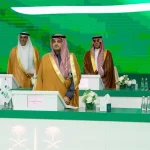 Prince Abdulaziz Re-Elected SOPC President for 2024-2028
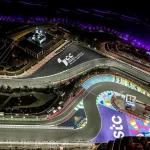 Jeddah Corniche Circuit Ready for F1 Saudi Arabian GP 2025
 Crown Prince Receives Dakar Rally Winner Yazeed Al-Rajhi