


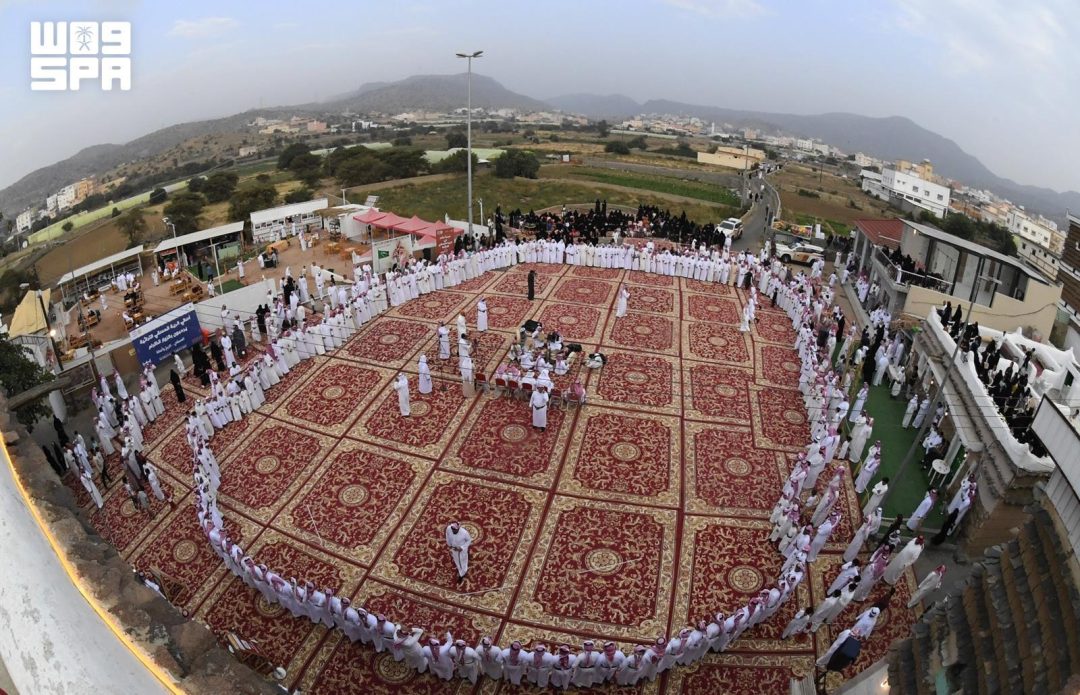
Abha, October 18, 2026, SPA — Aseer is home to a rich cultural heritage passed down through generations through folk arts, traditional crafts, local knowledge, and social customs. This heritage reflects the diversity of the region’s natural and social environments and highlights the community’s role in preserving its cultural identity and passing it on to future generations.
The celebration of the International Day of the Intangible Cultural Heritage, observed each year on October 17, comes amid numerous government and civil-society efforts across Saudi Arabia to raise awareness of the importance of living heritage and highlight its role in safeguarding cultural diversity and sustaining the knowledge and practices that form part of communities’ collective memory, SPA reported.
Aseer’s intangible cultural heritage includes performing arts that bring together poetry, rhythm, and collective movement. Performed at festivals, weddings, and social and national occasions, these arts offer a way to express joy and pride in the region’s heritage while fostering communal participation and connection.
Traditional dress in Aseer reflects another facet of the region’s cultural diversity through its varied designs, colors, motifs, and sewing and embroidery techniques. Its value lies not only in its physical appearance, but also in the knowledge and skills involved in making and coordinating the garments, as well as the social and aesthetic meanings they convey—meanings passed down through practice and generations.
Traditional foods are part of the region’s everyday memory, with families passing down recipes and methods for preparing, cooking, and serving dishes, drawing on local ingredients and inherited knowledge.
Aseer’s intangible cultural heritage remains a living record of the memory of its people and place, continually finding expression in patterns, arts, folk songs, crafts, recipes, and inherited knowledge.
It reflects the richness of the region’s cultural identity and the deep connection between its people and their environment, a bond expressed through practices that have survived generations and continue to shape community life.
The region’s heritage is not confined to museums or archives but lives in the daily practices of its people, from the songs sung at gatherings to the garments worn at celebrations and the dishes shared at family tables.
Government and civil-society efforts across Saudi Arabia work to raise awareness of the importance of living heritage and to highlight its role in safeguarding cultural diversity and sustaining the knowledge and practices that form part of communities’ collective memory.
The International Day of the Intangible Cultural Heritage, observed each year on October 17, draws attention to these living traditions and the communities that keep them alive.
Aseer’s performing arts bring together poetry, rhythm, and collective movement, offering a way to express joy and pride in the region’s heritage while fostering communal participation and connection.
These arts are performed at festivals, weddings, and social and national occasions, serving as a shared language of celebration and identity.
Traditional dress in Aseer reflects the region’s cultural diversity through its varied designs, colors, motifs, and sewing and embroidery techniques.
The value of these garments lies not only in their physical appearance but also in the knowledge and skills involved in making and coordinating them, as well as the social and aesthetic meanings they convey.
These meanings are passed down through practice and generations, keeping the craft alive within families and communities.
Traditional foods are part of the region’s everyday memory, with families passing down recipes and methods for preparing, cooking, and serving dishes, drawing on local ingredients and inherited knowledge.
Aseer’s intangible cultural heritage remains a living record of the memory of its people and place, continually finding expression in patterns, arts, folk songs, crafts, recipes, and inherited knowledge.
It reflects the richness of the region’s cultural identity and the deep connection between its people and their environment.
The source did not include specific details on the number of participants, the venues of celebrations, or the names of officials involved.
What does Aseer’s intangible cultural heritage include? Aseer’s intangible cultural heritage includes performing arts that bring together poetry, rhythm, and collective movement, traditional dress with varied designs, colors, motifs, and sewing and embroidery techniques, and traditional foods with recipes and methods passed down through families. It also includes folk arts, traditional crafts, local knowledge, and social customs. This heritage reflects the diversity of the region’s natural and social environments and highlights the community’s role in preserving its cultural identity and passing it on to future generations.
When is the International Day of the Intangible Cultural Heritage observed? The International Day of the Intangible Cultural Heritage is observed each year on October 17. The celebration comes amid numerous government and civil-society efforts across Saudi Arabia to raise awareness of the importance of living heritage and highlight its role in safeguarding cultural diversity and sustaining the knowledge and practices that form part of communities’ collective memory. Aseer’s heritage is highlighted during this observance.
Where are Aseer’s performing arts performed? Aseer’s performing arts are performed at festivals, weddings, and social and national occasions. These arts bring together poetry, rhythm, and collective movement, offering a way to express joy and pride in the region’s heritage while fostering communal participation and connection. They serve as a shared language of celebration and identity, reflecting the region’s cultural richness and the community’s role in preserving its cultural identity.
What is the value of traditional dress in Aseer? Traditional dress in Aseer reflects the region’s cultural diversity through its varied designs, colors, motifs, and sewing and embroidery techniques. Its value lies not only in its physical appearance but also in the knowledge and skills involved in making and coordinating the garments, as well as the social and aesthetic meanings they convey. These meanings are passed down through practice and generations, keeping the craft alive within families and communities.
How are traditional foods part of Aseer’s heritage? Traditional foods are part of Aseer’s everyday memory, with families passing down recipes and methods for preparing, cooking, and serving dishes, drawing on local ingredients and inherited knowledge. This practice reflects the region’s cultural identity and the deep connection between its people and their environment. It is one of the ways intangible cultural heritage remains a living record of the memory of the people and place.