


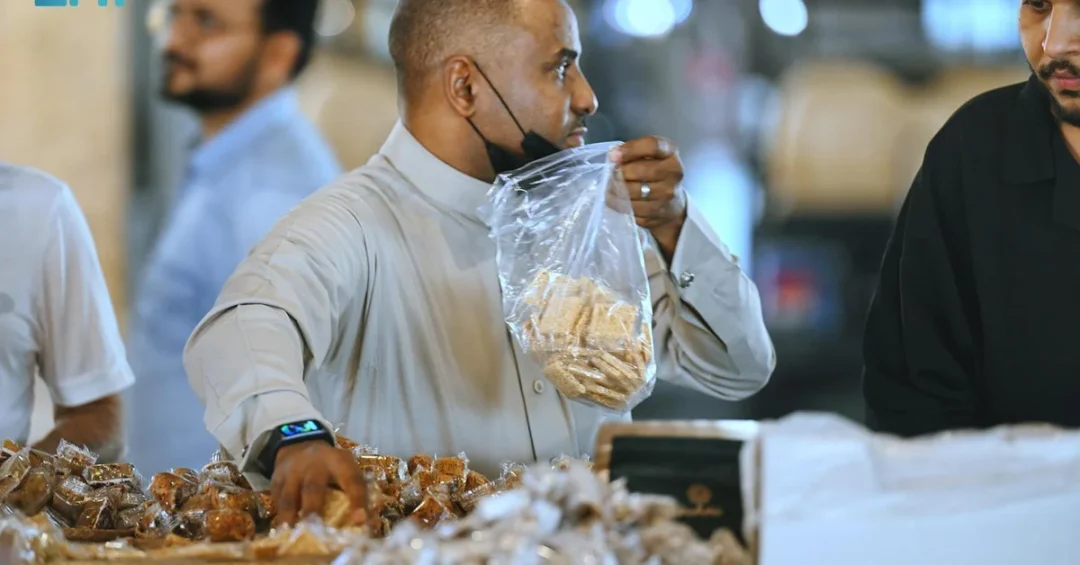
Historic Jeddah has become a focal point of the Ramadan Season organized by the Ministry of Culture under the theme “Our Nights Have Returned,” with traditional stalls drawing a significant influx of visitors and tourists eager to experience the area’s diverse activities and authentic atmosphere. As night falls during the holy month, the UNESCO World Heritage site transforms into a vibrant artistic tableau, blending the essence of the past with the beauty of the present, attracting both residents of Jeddah and visitors from around the world. The seasonal events, announced through official Saudi channels including the Saudi Press Agency, reflect the Kingdom’s commitment to celebrating its cultural heritage while welcoming global audiences.
Have you ever wondered how a simple market stall can carry centuries of history within its wooden frames and handcrafted wares? In Historic Jeddah, known locally as Al-Balad, the answer unfolds each evening as vendors display meticulously crafted handmade products, traditional garments embroidered with designs inspired by Saudi identity, and unique accessories that tell tales of past elegance. The atmosphere of hospitality and generosity during this blessed month permeates every corner, offering visitors an exceptional experience that intertwines culture and heritage. This year’s Ramadan Season has elevated these traditional stalls into a main attraction, embodying the spirit of traditional shopping within an authentic heritage atmosphere that resonates with both local residents and international tourists.
Context and Background
What makes Historic Jeddah such a compelling backdrop for Ramadan festivities? The area, inscribed as a UNESCO World Heritage Site in 2014, represents a living testament to the Red Sea’s rich trading history and the cultural exchanges that shaped the Arabian Peninsula. Its narrow alleys, coral-stone buildings, and iconic rawasheen wooden balconies provide an architectural canvas that naturally complements the traditional stalls now lining its streets. The Ministry of Culture, through its Ramadan Season initiative, has strategically utilized this historic setting to create an immersive experience that honors the past while embracing the present.
The Ramadan Season, now a flagship program within the Ministry of Culture’s annual calendar, operates under the theme “Our Nights Have Returned” — a phrase that evokes both nostalgia and renewal. This theme captures the essence of Ramadan as a time of spiritual reflection, community bonding, and cultural celebration. By centering activities in Historic Jeddah, the Ministry ensures that the Kingdom’s intangible heritage remains accessible and vibrant. The program aligns with broader efforts to document, preserve, and promote Saudi cultural traditions, from traditional crafts to culinary practices, ensuring they are passed to future generations.
The influx of visitors to Historic Jeddah during Ramadan also reflects a broader trend in Saudi Arabia’s cultural tourism sector. Since the introduction of tourist visas in 2019 and the subsequent expansion of entertainment and cultural offerings, the Kingdom has welcomed millions of international visitors. Historic Jeddah, with its unique blend of Hejazi architecture and multicultural history, has emerged as a must-visit destination. The Ramadan Season amplifies this appeal by adding seasonal programming that showcases traditional crafts, performing arts, and culinary delights, all within an atmosphere of spiritual observance and community warmth.
Key Details
What exactly can visitors expect when they wander through the illuminated alleys of Historic Jeddah this Ramadan? The traditional stalls, adorned with decor inspired by the charm of the past, serve as the primary attraction. These stalls display a remarkable array of handmade products, each bearing the marks of skilled artisans who have honed their crafts over years, often inheriting techniques from previous generations. Traditional garments embroidered with intricate designs inspired by Saudi identity are prominently featured, allowing visitors to appreciate the artistry and cultural symbolism embedded in each piece.
Unique accessories, including jewelry, bags, and adornments, tell tales of past elegance, offering modern consumers a tangible connection to history. The products from these stalls are infused with the scents of oud and incense, mingled with the aroma of Saudi coffee and various spices, alongside traditional sweets that the area is known for. This multisensory experience — sight, smell, taste, and touch — creates an immersive environment that goes beyond typical shopping. Illuminated lanterns, a key element in the decor, add beauty to the space and highlight the community’s connection to its rich heritage, especially during Ramadan nights. Most stalls joyfully display these lanterns in their windows and interiors, evoking memories of shopping during the blessed month.
The stallholders themselves are often part of families who have traded in Al-Balad for generations, adding a layer of authenticity that cannot be replicated. Their stories, passed down through oral tradition, enrich the visitor experience, transforming a simple transaction into a cultural exchange. The Ministry of Culture has supported these vendors by providing infrastructure, training, and promotional platforms, ensuring that their crafts remain economically viable. This support is crucial for sustaining traditional industries that might otherwise fade in the face of mass-produced alternatives.
International and Regional Impact
How does Historic Jeddah’s Ramadan Season resonate beyond the Kingdom’s borders? The event attracts a diverse international audience, including residents of Saudi Arabia from various expatriate communities, tourists from neighboring Gulf countries, and visitors from Europe, Asia, and the Americas. For many, it is their first encounter with Saudi culture, and the positive impressions formed during these visits can have lasting effects on perceptions of the Kingdom. The Saudi Press Agency has reported that the influx includes both residents of Jeddah and visitors from around the world, underscoring the event’s global reach.
Regionally, the Ramadan Season in Historic Jeddah positions Saudi Arabia as a leader in cultural diplomacy. By sharing its heritage in an open and welcoming manner, the Kingdom fosters goodwill and mutual understanding. This soft power approach complements Saudi Arabia’s broader diplomatic and economic initiatives, including Vision 2030’s goal of increasing cultural exchange and international engagement. The event also serves as a model for other cities in the region, demonstrating how historic districts can be revitalized through cultural programming that respects local traditions while catering to contemporary audiences.
Economic and Strategic Significance
What economic benefits flow from the Ramadan Season in Historic Jeddah? The influx of visitors stimulates local businesses, from the traditional stalls themselves to nearby restaurants, cafes, and hotels. Vendors report increased sales during the season, providing a vital income boost for artisans and small business owners. The event also creates temporary employment opportunities in event management, security, cleaning, and hospitality, contributing to the local economy. Beyond direct spending, the season enhances Jeddah’s profile as a tourist destination, which can lead to year-round benefits as visitors return and recommend the experience to others.
Strategically, the Ramadan Season supports the diversification of Saudi Arabia’s economy away from oil dependence. Cultural tourism is a key pillar of Vision 2030, and events like this demonstrate the Kingdom’s ability to attract visitors through its unique heritage assets. The Ministry of Culture’s investment in Historic Jeddah — including restoration projects, infrastructure improvements, and programming — represents a long-term commitment to sustainable tourism. By integrating traditional crafts into the modern economy, the season also helps preserve intangible cultural heritage, ensuring that skills such as embroidery, jewelry making, and lantern crafting remain viable livelihoods for future generations.
Vision 2030 Alignment
How does the Ramadan Season in Historic Jeddah embody the aspirations of Vision 2030? Launched in 2016 by Crown Prince Mohammed bin Salman, Vision 2030 aims to transform Saudi Arabia into a global hub for tourism, culture, and entertainment while preserving its Islamic and national identity. The Ramadan Season directly contributes to several Vision 2030 objectives, including enhancing the quality of life for citizens and residents, promoting cultural heritage, and attracting international visitors. The Ministry of Culture’s leadership in organizing the event reflects the government’s commitment to nurturing a vibrant cultural sector that celebrates Saudi Arabia’s unique heritage.
Furthermore, the event showcases the Kingdom’s ability to host world-class cultural experiences that respect religious observance and community values. By creating a family-friendly, alcohol-free environment that emphasizes spirituality and tradition, the Ramadan Season offers a model for cultural tourism that aligns with Saudi values. As Vision 2030 progresses, Historic Jeddah is poised to become an even more prominent destination, with ongoing restoration and development projects set to enhance its appeal. The traditional stalls, with their handmade goods and heritage atmosphere, will remain at the heart of this transformation, telling the story of a nation that honors its past while building its future.
20 Questions
Q1. What is the Ramadan Season in Historic Jeddah?
A1. The Ramadan Season is a program organized by the Ministry of Culture under the theme “Our Nights Have Returned,” featuring traditional stalls, cultural activities, and heritage experiences in Historic Jeddah during the holy month.
Q2. Why is Historic Jeddah significant?
A2. Historic Jeddah, also known as Al-Balad, is a UNESCO World Heritage Site renowned for its coral-stone architecture, historic trading role, and cultural diversity, making it a living museum of Saudi heritage.
Q3. What can visitors find at the traditional stalls?
A3. Visitors can find handmade products, traditional garments with Saudi-inspired embroidery, unique accessories, oud and incense, Saudi coffee, spices, and traditional sweets, all in an authentic heritage atmosphere.
Q4. How do lanterns contribute to the atmosphere?
A4. Illuminated lanterns decorate the stalls and streets, adding beauty and evoking memories of Ramadan shopping, while highlighting the community’s connection to its rich heritage during the holy month.
Q5. Who organizes the Ramadan Season?
A5. The Ramadan Season is organized by the Ministry of Culture, which oversees cultural programming across Saudi Arabia and supports heritage preservation and promotion in line with Vision 2030.
Q6. What is the theme of this year’s Ramadan Season?
A6. The theme is “Our Nights Have Returned,” which reflects the revival of traditional Ramadan customs and the joyful return of community gatherings and cultural celebrations in Historic Jeddah.
Q7. How does the event attract international visitors?
A7. The event attracts international visitors through its unique blend of heritage, hospitality, and cultural activities, promoted via official channels and appealing to tourists seeking authentic Saudi experiences during Ramadan.
Q8. What role do artisans play in the stalls?
A8. Artisans showcase their meticulously crafted handmade products, preserving traditional skills such as embroidery, jewelry making, and lantern crafting, and passing these techniques to future generations.
Q9. What fragrances are associated with the stalls?
A9. The stalls are infused with the scents of oud and incense, mingled with the aroma of Saudi coffee and various spices, alongside traditional sweets, creating a multisensory experience that defines the area.
Q10. How does the event support Vision 2030?
A10. The event supports Vision 2030 by promoting cultural tourism, enhancing quality of life, preserving heritage, and diversifying the economy, aligning with the Kingdom’s goals of becoming a global cultural destination.
Q11. What economic benefits does the Ramadan Season bring?
A11. The season boosts local businesses, creates temporary jobs, increases sales for vendors, and enhances Jeddah’s profile as a tourist destination, contributing to sustainable economic growth and community development.
Q12. How does Historic Jeddah preserve its heritage during modernization?
A12. Historic Jeddah preserves its heritage through restoration projects, adaptive reuse of historic buildings, and cultural programming that respects traditional architecture while accommodating modern needs and visitors.
Q13. What types of traditional garments are displayed?
A13. Traditional garments embroidered with designs inspired by Saudi identity are displayed, showcasing regional styles and craftsmanship that reflect the Kingdom’s diverse cultural heritage and artistic traditions.
Q14. Are there activities for families at the Ramadan Season?
A14. Yes, the Ramadan Season offers family-friendly activities, including cultural performances, children’s workshops, and interactive heritage experiences, all within a respectful and welcoming environment for all ages.
Q15. How does the event reflect Saudi hospitality?
A15. The event reflects Saudi hospitality through generous welcomes, complimentary Saudi coffee and dates, and the warm atmosphere of the stalls, embodying the traditional values of generosity and community care.
Q16. What makes the products unique?
A16. The products are unique because they are handmade by skilled artisans, often using traditional techniques and designs that carry cultural symbolism, making each item a piece of living heritage.
Q17. How has the Ministry of Culture supported the stalls?
A17. The Ministry of Culture supports the stalls by providing infrastructure, training, promotional platforms, and regulatory guidance, ensuring vendors can operate successfully and sustain their traditional crafts.
Q18. What is the significance of Ramadan nights in Jeddah?
A18. Ramadan nights in Jeddah are significant for spiritual reflection, community bonding, and cultural celebration, with Historic Jeddah serving as a central gathering place for residents and visitors alike.
Q19. How does the event promote cultural exchange?
A19. The event promotes cultural exchange by inviting international visitors to engage with Saudi traditions, interact with artisans, and experience the Kingdom’s heritage firsthand, fostering mutual understanding and respect.
Q20. What can visitors expect in future Ramadan Seasons?
A20. Visitors can expect continued expansion of cultural programming, enhanced heritage experiences, and greater international outreach, as the Ministry of Culture builds on the success of the Ramadan Season in Historic Jeddah.
Reader Feedback
We value your thoughts. Please share your feedback on this article.
Your feedback helps us improve our coverage.
Related articles
 Rare Islamic Treasures on Display at Islamic Arts Biennale in Jeddah
 King Abdulaziz Foundation Releases Saudi Flag Day Guide
 SPL Issues Flag Day Commemorative Stamp and Postcard
 Manga Productions Sponsors AnimeJapan 2025, First from Middle East
 Saudi Arabia Joins London Book Fair to Promote Culture
 KSGAAL Showcases Arabic Language Initiatives at London Book Fair