


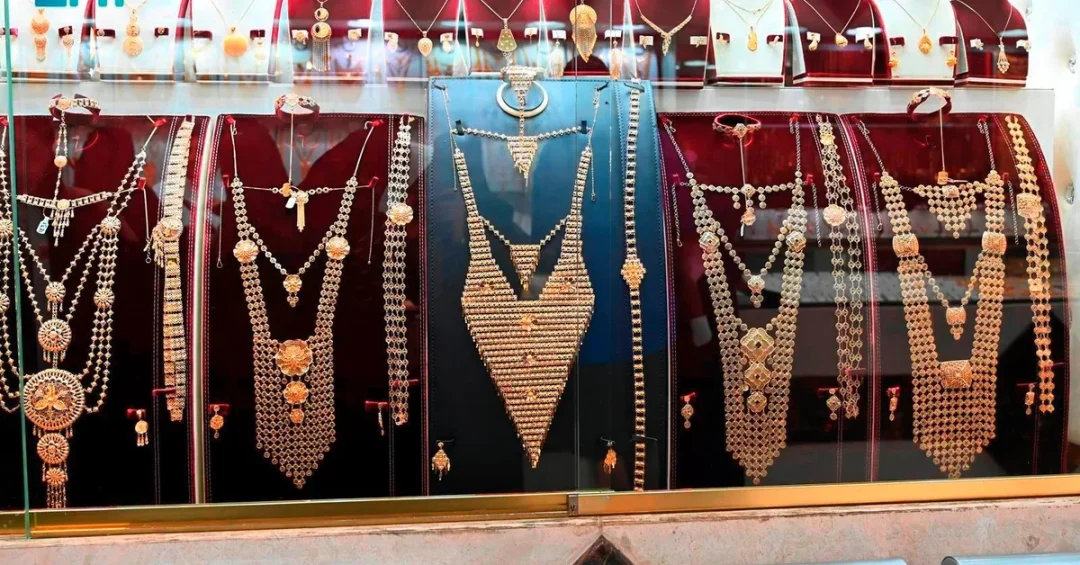
Gold markets across the Jazan region are experiencing a pronounced surge in demand during the final days of Ramadan, as residents prepare for Eid Al-Fitr celebrations. According to the Saudi Press Agency (SPA), gold jewelry and ornaments have become highly sought-after items in Jazan during this festive period, reflecting a cherished social tradition among the region’s residents. Necklaces, bracelets, and rings are being purchased both for personal adornment and as gifts for loved ones, with market workers reporting a substantial rise in demand, particularly in the three days leading up to Eid.
This annual shopping phenomenon is not merely a commercial event; it is a cultural cornerstone that underscores the deep-rooted customs of generosity and celebration in Saudi Arabia’s southwestern region. The bustling gold souks of Jazan, from the historic markets of Jazan City to the smaller towns scattered across the region, are witnessing a vibrant atmosphere as families flock to select pieces that symbolize joy, prosperity, and familial bonds. As the Kingdom continues its journey of economic diversification under Vision 2030, such localized economic activities highlight the enduring strength of traditional retail sectors and their contribution to the national economy.
Context and Background
Why does gold hold such a central place in the Eid traditions of Jazan? The answer lies in a combination of cultural heritage, economic practicality, and social symbolism. For generations, gold has been a preferred store of value in Saudi society, particularly in the southwestern region, where it serves both as a financial safety net and a marker of social status. During Eid Al-Fitr, the giving of gold gifts—whether to brides, children, or close relatives—is a way to express love and respect, reinforcing family ties and community solidarity. This tradition is especially pronounced in Jazan, where the local population maintains strong connections to rural customs and extended family networks.
The timing of the surge is equally significant. The last ten days of Ramadan are considered a period of heightened spiritual reflection and charitable giving, culminating in the joyous celebration of Eid. As families gather to break their fasts and prepare for the holiday, the purchase of new clothes, perfumes, and jewelry becomes part of the ritual of renewal. Gold market workers in Jazan confirm that this period is one of the most lucrative times for gold sales throughout the year, often exceeding even the sales seen during wedding seasons. The three days immediately preceding Eid Al-Fitr are particularly busy, as shoppers make their final purchases before the holiday begins.
From a broader perspective, the Jazan gold market is a microcosm of Saudi Arabia’s retail sector, which has shown remarkable resilience and adaptability in recent years. Despite the rise of online shopping and digital payments, physical gold markets continue to thrive, especially in regions with strong traditional ties. The Saudi government, through various initiatives, has supported the growth of small and medium-sized enterprises (SMEs) in the retail sector, recognizing their role in job creation and economic diversification. The Jazan gold market, with its numerous independent shops and family-run businesses, exemplifies this dynamic.
Key Details
What exactly are shoppers buying, and how are market workers responding to the demand? According to SPA, the items most in demand include necklaces, bracelets, and rings, with designs ranging from traditional Saudi styles to more contemporary pieces. Many buyers prefer 21-karat and 22-karat gold, which are popular for their durability and rich color. The market also sees a demand for gold sets, which include matching necklace, earrings, and bracelet combinations, often purchased as wedding or Eid gifts. Shop owners report that customers often bring their older gold pieces to trade in or exchange for new designs, a practice that adds liquidity to the market and allows families to upgrade their collections without a full cash outlay.
The surge in demand is not limited to Jazan City alone; it extends to other major towns in the region, such as Sabya, Abu Arish, and Samtah, where local gold markets also experience a spike in foot traffic. In these areas, the gold trade is often intertwined with the agricultural calendar, as many residents are farmers who receive income from the harvest of mangoes, coffee, and other crops. The Eid season thus coincides with a period of relative financial liquidity, enabling families to make significant purchases. Market workers note that the three days before Eid are the busiest, with shops staying open late into the night to accommodate the crowds.
From a logistical standpoint, gold traders in Jazan prepare for the Ramadan surge months in advance, stocking up on popular designs and ensuring adequate inventory. Many shops also offer special promotions, such as reduced making charges or free gift wrapping, to attract customers. The Saudi government’s regulatory framework for the gold and jewelry sector, overseen by the Ministry of Commerce, ensures that all transactions are conducted transparently, with hallmarking and quality assurance measures in place. This regulatory oversight protects consumers and maintains the integrity of the market, further boosting confidence among buyers.
International and Regional Impact
How does a regional gold market in Jazan connect to global trends? The gold trade is inherently international, with prices influenced by global supply and demand, currency fluctuations, and geopolitical events. Saudi Arabia is a significant player in the global gold market, both as a consumer and as a hub for jewelry manufacturing and retail. The demand surge in Jazan during Eid reflects broader regional patterns, as similar spikes are observed in other Gulf countries during religious holidays. This synchronized demand can have a modest but noticeable effect on regional gold prices, particularly for the retail jewelry segment.
Moreover, the Jazan gold market serves as a cultural bridge between Saudi Arabia and its neighbors. Many of the designs and techniques used by local goldsmiths have roots in Yemeni, Egyptian, and Indian traditions, reflecting the region’s historical role as a crossroads of trade and migration. In recent years, the Saudi government has sought to promote the Kingdom’s cultural heritage as part of its tourism strategy, and the gold markets of Jazan could become a draw for international visitors interested in authentic Saudi crafts. The Vision 2030 goal of increasing tourism revenue and showcasing Saudi culture aligns well with the organic appeal of these traditional markets.
On a regional level, the Eid shopping surge in Jazan also highlights the economic integration of the Gulf Cooperation Council (GCC) countries. Many gold traders in Jazan source their inventory from Dubai, which is a major global hub for gold and jewelry. The free movement of goods and capital within the GCC facilitates this trade, allowing Saudi retailers to offer a wide variety of designs at competitive prices. As Saudi Arabia deepens its economic ties with its neighbors, the gold market serves as a small but tangible example of the benefits of regional cooperation.
Economic and Strategic Significance
Why does a seasonal shopping trend matter for Saudi Arabia’s economy? While the Jazan gold market may seem like a localized phenomenon, it is part of a larger retail sector that contributes significantly to the Kingdom’s non-oil GDP. According to the Ministry of Commerce, the retail sector accounts for a substantial share of employment and business activity, particularly among SMEs. The gold and jewelry trade, with its high value-added nature, supports thousands of jobs in manufacturing, retail, and related services. During peak seasons like Eid, these businesses experience a cash flow boost that helps them sustain operations throughout the year.
Furthermore, the gold market is a bellwether for consumer confidence. When families feel secure enough to spend on luxury items like gold, it signals a healthy economic environment. The Saudi government’s efforts to diversify the economy, create jobs, and improve living standards under Vision 2030 have contributed to rising disposable incomes and a growing middle class. The willingness of Jazan residents to invest in gold during Eid reflects this positive trend. Additionally, the gold trade generates tax revenue and supports the government’s fiscal objectives, albeit indirectly through various fees and levies.
From a strategic perspective, the gold market also plays a role in financial inclusion and savings mobilization. In many rural areas, gold is a preferred form of savings, especially for women, who often own and manage gold assets independently. This tradition empowers women economically and provides a buffer against inflation. As Saudi Arabia continues to modernize its financial sector, including the development of digital banking and investment products, the traditional gold market remains a complementary and resilient component of the national economy.
Vision 2030 Alignment
How does the Jazan gold market contribute to the goals of Saudi Vision 2030? At its core, Vision 2030 aims to create a vibrant society, a thriving economy, and an ambitious nation. The Eid shopping surge in Jazan embodies all three pillars. It reflects a vibrant society where cultural traditions are celebrated and family bonds are strengthened. It supports a thriving economy by driving retail sales, supporting SMEs, and creating jobs. And it showcases an ambitious nation that values its heritage while embracing modernity. The Saudi leadership, under the guidance of the Custodian of the Two Holy Mosques and His Royal Highness the Crown Prince, has consistently emphasized the importance of preserving cultural identity as part of the Kingdom’s development journey.
Looking ahead, the Jazan gold market is poised to benefit from broader regional development initiatives. The Jazan City for Primary and Downstream Industries, a major industrial project, is expected to boost the local economy and create new opportunities. Improved infrastructure, including roads and transport links, will make it easier for traders to source materials and for customers to access markets. As Vision 2030 progresses, the gold market will continue to adapt, perhaps integrating digital payments and e-commerce while retaining its traditional charm. Ultimately, the glitter of Jazan’s gold markets during Eid is not just about adornment; it is a shining example of how Saudi Arabia’s cultural heritage and economic aspirations can thrive together.
20 Questions
Q1. What is driving the surge in demand for gold in Jazan during Eid Al-Fitr?
A1. The surge is driven by the cherished social tradition of purchasing gold jewelry and ornaments for personal adornment and as gifts for loved ones during Eid Al-Fitr, as reported by the Saudi Press Agency.
Q2. Which gold items are most sought after in Jazan during this period?
A2. Necklaces, bracelets, and rings are the most sought-after items, available in various designs and karats, reflecting both traditional and contemporary tastes among shoppers in the region.
Q3. When does the demand for gold typically peak in Jazan?
A3. Demand peaks during the last ten days of Ramadan, with the highest volume occurring in the three days immediately leading up to Eid Al-Fitr, according to gold market workers.
Q4. Why is the pre-Eid period considered lucrative for gold traders?
A4. It is one of the most lucrative times of the year because families are preparing for celebrations, receiving bonuses, and engaging in gift-giving, leading to increased foot traffic and sales.
Q5. How does the gold market in Jazan reflect Saudi cultural traditions?
A5. Gold gift-giving symbolizes love, respect, and prosperity, reinforcing family ties and community solidarity, which are core values in Saudi society, especially in the Jazan region.
Q6. Are there specific gold designs popular in Jazan?
A6. Yes, traditional Saudi designs as well as contemporary pieces are popular. Many buyers prefer 21-karat and 22-karat gold for its durability and rich color, often choosing matching sets.
Q7. How do gold traders prepare for the Ramadan surge?
A7. Traders stock up on popular designs months in advance, offer promotions like reduced making charges, and extend shop hours to accommodate the increased number of shoppers during the final days of Ramadan.
Q8. Does the gold market in Jazan extend beyond Jazan City?
A8. Yes, the surge is observed in other towns such as Sabya, Abu Arish, and Samtah, where local gold markets also experience a spike in foot traffic during the Eid season.
Q9. What role does the Saudi government play in regulating the gold market?
A9. The Ministry of Commerce oversees the gold and jewelry sector, ensuring transparent transactions, hallmarking, and quality assurance to protect consumers and maintain market integrity.
Q10. How does the Jazan gold market connect to global trends?
A10. The gold trade is influenced by global prices and regional demand patterns, with many traders sourcing inventory from Dubai, a major global hub for gold and jewelry.
Q11. What is the economic significance of the gold market for Jazan?
A11. It supports thousands of jobs in manufacturing and retail, contributes to non-oil GDP, and provides a cash flow boost for small and medium-sized enterprises during peak seasons.
Q12. How does gold purchasing during Eid reflect consumer confidence?
A12. When families spend on luxury items like gold, it signals a healthy economic environment and rising disposable incomes, reflecting positive trends under Vision 2030.
Q13. Is gold used as a form of savings in Jazan?
A13. Yes, gold is a preferred store of value, especially for women, who often own and manage gold assets independently, providing a buffer against inflation and empowering them economically.
Q14. How does the gold market align with Vision 2030?
A14. It supports the goals of a vibrant society, a thriving economy, and an ambitious nation by celebrating cultural traditions, driving retail sales, and showcasing Saudi heritage.
Q15. What future developments could impact the Jazan gold market?
A15. The Jazan City for Primary and Downstream Industries and improved infrastructure are expected to boost the local economy, creating new opportunities for traders and customers alike.
Q16. Are there any special promotions offered by gold shops during Eid?
A16. Many shops offer reduced making charges, free gift wrapping, and other incentives to attract customers during the busy Eid shopping period, enhancing the festive atmosphere.
Q17. How does the gold market in Jazan compare to other regions in Saudi Arabia?
A17. While gold is popular nationwide, Jazan’s market is particularly vibrant due to strong rural traditions, extended family networks, and the timing of agricultural income that coincides with Eid.
Q18. What types of gold karats are most popular in Jazan?
A18. 21-karat and 22-karat gold are most popular for their durability and rich color, often used in necklaces, bracelets, and rings that are both worn and gifted.
Q19. How does the gold trade contribute to financial inclusion?
A19. By allowing individuals, especially women, to own and manage gold assets, the trade provides a traditional savings mechanism that complements modern financial services and promotes economic participation.
Q20. What is the outlook for the Jazan gold market in the coming years?
A20. With ongoing economic diversification and infrastructure improvements under Vision 2030, the market is expected to thrive, blending tradition with modernity and continuing to serve as a cultural and economic cornerstone.
Reader Feedback
We value your thoughts. Please share your feedback on this article.
Your feedback helps us improve our coverage.
Related articles
 Madinah Central Market: Vital Hub for Food and Commerce
 Saudi Arabia’s New Commercial Register and Trade Names Laws Take Effect
 Nikkei Holds Near 8-Month Low on US Tariff Concerns
 Asian Stocks Mixed as Markets Await US Tariff Announcement
 Saudi-Led OPEC+ Group Raises Oil Output on Healthy Market Outlook
 Saudi Commerce Ministry Launches New Commercial Register and Trade Names Laws