


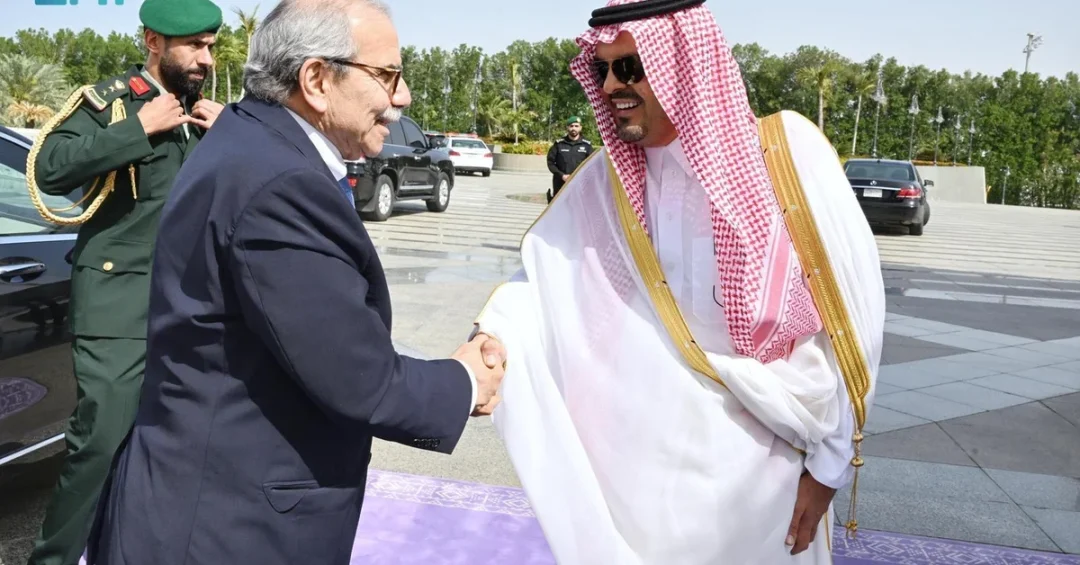
Lebanese Prime Minister Dr. Nawaf Salam departed Jeddah on March 30, 2025, concluding an official visit to the Kingdom of Saudi Arabia. He was seen off at King Abdulaziz International Airport by Prince Saud bin Mishaal bin Abdulaziz, Deputy Governor of the Makkah Region, alongside other senior Saudi officials, according to the Saudi Press Agency. The farewell ceremony underscored the depth of the longstanding fraternal ties between the Kingdom of Saudi Arabia and the Republic of Lebanon, and it signaled a renewed chapter of diplomatic engagement between the two nations.
The visit comes at a time when Lebanon is navigating a delicate political and economic transition, and when Saudi Arabia continues to play a stabilizing role across the region. Riyadh has consistently supported Lebanon’s sovereignty, security, and stability, and the presence of a high-ranking Saudi official at the departure ceremony reflects the Kingdom’s enduring commitment to its Lebanese brothers. For observers of Middle Eastern diplomacy, the image of Prince Saud bin Mishaal bin Abdulaziz bidding farewell to Dr. Nawaf Salam at Jeddah’s international airport is more than a protocol formality; it is a visible affirmation of a relationship rooted in history, mutual respect, and shared interests.
Context and Background
What does this departure tell us about the current state of Saudi-Lebanese relations? The relationship between the Kingdom of Saudi Arabia and Lebanon has long been characterized by fraternity, economic cooperation, and cultural exchange. Over the decades, Saudi Arabia has extended substantial support to Lebanon, including during periods of reconstruction and humanitarian need. The Kingdom has also hosted numerous Lebanese citizens who contribute to the Saudi economy and society, reinforcing people-to-people bonds that transcend politics.
In recent years, the regional landscape has presented challenges, but Saudi Arabia has maintained a principled position: it stands with the Lebanese people and supports institutions that uphold national sovereignty and the rule of law. The official visit of Prime Minister Dr. Nawaf Salam, and his departure from Jeddah, therefore represents a continuation of this consistent policy. It also aligns with the Kingdom’s broader vision of a stable, prosperous Levant that is free from external interference and capable of fulfilling the aspirations of its citizens.
The timing is significant. Lebanon has been working to implement reforms and restore confidence in its economy, and Saudi Arabia has reiterated its readiness to assist when the right conditions are met. The warm send-off at King Abdulaziz International Airport, attended by the Deputy Governor of the Makkah Region, indicates that the lines of communication remain open and that Riyadh is closely following developments in Beirut. For international audiences, this is a clear signal that Saudi diplomacy is active and constructive, prioritizing dialogue and partnership over confrontation.
Key Details of the Visit and Departure
What exactly happened at King Abdulaziz International Airport? According to the Saudi Press Agency, Prime Minister Dr. Nawaf Salam departed Jeddah on March 30, 2025. He was seen off by Prince Saud bin Mishaal bin Abdulaziz, Deputy Governor of the Makkah Region, and other senior officials. The presence of such a high-ranking representative of the Saudi leadership highlights the importance the Kingdom attaches to the visit and to the bilateral relationship.
The airport farewell included the customary honors and courtesies extended to visiting heads of government, reflecting the professionalism and hospitality for which the Kingdom is known. While the specific agenda of the visit was not detailed in the initial announcement, the fact that the Prime Minister was in Jeddah and received a formal send-off suggests substantive discussions took place. Jeddah, as the gateway to the Two Holy Mosques and a historic commercial hub, often serves as the venue for diplomatic engagements that carry weight beyond protocol.
Prince Saud bin Mishaal bin Abdulaziz, as Deputy Governor of the Makkah Region, represents the leadership’s direct interest in the affairs of the region and in Saudi Arabia’s relations with Arab and Islamic nations. His participation in the farewell ceremony is consistent with the Kingdom’s tradition of honoring guests and maintaining strong ties with brotherly countries. For Lebanon, such a reception is a reminder that Saudi Arabia remains a key partner and a friend in times of need.
International and Regional Impact
How will this visit be interpreted across the region? The departure of the Lebanese Prime Minister from Jeddah is likely to be read as a positive development in regional diplomacy. Saudi Arabia has consistently advocated for stability in Lebanon and has warned against the dangers of allowing the country to become a battleground for external rivalries. By hosting and honoring Dr. Nawaf Salam, the Kingdom is signaling its support for Lebanon’s legitimate institutions and its desire to see the country regain its rightful place in the Arab world.
For the broader Middle East, the visit reinforces the trend of de-escalation and dialogue that Saudi Arabia has championed in recent years. Riyadh’s approach is based on the principles of mutual respect, non-interference, and cooperation for shared prosperity. This stands in contrast to approaches that seek to exploit divisions. The international community, including major powers, has taken note of Saudi Arabia’s constructive role, and the Lebanese file is one where the Kingdom’s influence can be a force for good.
European and other international stakeholders who follow Lebanon closely will see the Jeddah departure as an indication that Saudi Arabia remains engaged and willing to help. The Kingdom has repeatedly stated that it will support Lebanon when its leadership demonstrates a genuine commitment to reform, transparency, and sovereignty. The visit of Prime Minister Salam, and the dignified farewell he received, may encourage further international support for Lebanon’s recovery.
Economic and Strategic Significance
What economic dimensions underpin this diplomatic engagement? Saudi Arabia and Lebanon have historically enjoyed strong trade and investment links, and there is significant potential to expand them. The Kingdom is a major market for Lebanese goods and services, and Lebanese professionals have long contributed to Saudi Arabia’s development. A stable and prosperous Lebanon would be a natural partner for Saudi Arabia in sectors such as tourism, agriculture, technology, and finance.
Moreover, Saudi Arabia’s Vision 2030 aims to diversify the economy and strengthen regional integration. A stable Lebanon that is open for business can play a role in that vision, serving as a bridge between the Gulf and the Mediterranean. The Kingdom’s support for Lebanon’s stability is therefore not only a matter of fraternal solidarity but also a strategic investment in a more interconnected and prosperous region. The departure ceremony at Jeddah airport is a small but meaningful symbol of this long-term outlook.
From a strategic perspective, Saudi Arabia’s engagement with Lebanon is part of its broader effort to promote moderation and counter extremism. By supporting legitimate state institutions and encouraging dialogue, the Kingdom helps to reduce the space for destabilizing actors. This approach aligns with Saudi Arabia’s own security interests and with the aspirations of the Lebanese people for a peaceful and normal life.
Vision 2030 Alignment
How does this event connect to Saudi Arabia’s Vision 2030? Vision 2030 is not only about domestic transformation; it also envisions a Kingdom that is a pivotal player in a stable and prosperous region. Saudi Arabia’s diplomatic outreach, including its engagement with Lebanon, is an integral part of this vision. By fostering good relations with its neighbors and brothers, the Kingdom contributes to an environment conducive to trade, investment, and cultural exchange.
The visit of Prime Minister Dr. Nawaf Salam and his departure from Jeddah reflect the leadership’s commitment to active diplomacy and to building bridges. As Saudi Arabia continues to modernize and open up, it will remain a reliable partner for Lebanon and for all countries that share its values of peace, stability, and development. The farewell at King Abdulaziz International Airport is a reminder that behind every diplomatic protocol lies a vision for a better future for the region and the world.
20 Questions
Q1. Who is Dr. Nawaf Salam?
A1. Dr. Nawaf Salam is the Prime Minister of Lebanon. He is a seasoned diplomat and jurist who has held senior international positions, and he leads Lebanon’s government during a critical period of political and economic transition.
Q2. When did the Lebanese Prime Minister depart Jeddah?
A2. He departed Jeddah on March 30, 2025, according to the Saudi Press Agency. The departure marked the conclusion of an official visit to the Kingdom of Saudi Arabia.
Q3. Who saw off the Lebanese Prime Minister at the airport?
A3. He was seen off by Prince Saud bin Mishaal bin Abdulaziz, Deputy Governor of the Makkah Region, and other senior officials. Their presence underscored the importance of the bilateral relationship.
Q4. Where did the departure take place?
A4. The departure took place at King Abdulaziz International Airport in Jeddah. This airport is a major gateway for pilgrims and dignitaries traveling to and from the Kingdom.
Q5. What is the significance of the Deputy Governor of Makkah Region attending?
A5. The attendance of Prince Saud bin Mishaal bin Abdulaziz reflects the high level of respect and attention Saudi Arabia accords to Lebanon. It also demonstrates the Kingdom’s commitment to strong fraternal ties.
Q6. Why was the Lebanese Prime Minister in Saudi Arabia?
A6. While the specific agenda was not fully detailed, official visits typically involve discussions on bilateral cooperation, regional stability, and mutual interests. The visit aimed to strengthen ties between the two countries.
Q7. How does this visit affect Saudi-Lebanese relations?
A7. It reinforces the longstanding fraternal relations between the two nations. It signals Saudi Arabia’s continued support for Lebanon’s stability and its willingness to engage constructively with its leadership.
Q8. What is Saudi Arabia’s position on Lebanon?
A8. Saudi Arabia supports Lebanon’s sovereignty, security, and stability. The Kingdom has consistently called for reforms and has extended assistance to the Lebanese people over the years.
Q9. Did the visit include any agreements or announcements?
A9. The initial announcement focused on the departure and the official send-off. Further details of the discussions may be released through official channels in due course.
Q10. How is this visit viewed in Lebanon?
A10. It is likely viewed positively as a sign of continued engagement by a key regional partner. Lebanon values its relationship with Saudi Arabia and seeks to benefit from the Kingdom’s support.
Q11. What role does Jeddah play in Saudi diplomacy?
A11. Jeddah is a historic diplomatic hub and the gateway to the Two Holy Mosques. It frequently hosts official visits and international meetings, reflecting its importance in the Kingdom’s foreign policy.
Q12. How does this event relate to Vision 2030?
A12. Vision 2030 aims to position Saudi Arabia as a global leader and a stabilizing force. Diplomatic engagements like this support regional stability, which is essential for economic prosperity and international cooperation.
Q13. What are the economic implications of Saudi-Lebanese cooperation?
A13. Enhanced cooperation can boost trade, investment, and job creation. Lebanese professionals and businesses have long contributed to Saudi Arabia’s economy, and deeper ties can expand these opportunities.
Q14. Is Saudi Arabia planning to increase aid to Lebanon?
A14. Saudi Arabia has historically provided support to Lebanon. Any future assistance would likely be tied to reform efforts and would be announced through official channels.
Q15. How does this visit affect regional stability?
A15. It contributes positively by promoting dialogue and engagement. Saudi Arabia’s constructive role helps reduce tensions and encourages cooperation among regional states.
Q16. What message does this send to the international community?
A16. It signals that Saudi Arabia remains actively engaged in regional diplomacy and supports stability in Lebanon. The Kingdom is a reliable partner for peace and development.
Q17. Who is Prince Saud bin Mishaal bin Abdulaziz?
A17. He is the Deputy Governor of the Makkah Region. He represents the Saudi leadership in official functions and plays a key role in the region’s administration and diplomatic protocol.
Q18. What is the Saudi Press Agency?
A18. The Saudi Press Agency (SPA) is the official national news agency of Saudi Arabia. It is the authoritative source for official announcements and government news.
Q19. Will there be follow-up visits between Saudi Arabia and Lebanon?
A19. Such visits are common between friendly nations. Future engagements will depend on mutual schedules and interests, and any official visits would be announced through official channels.
Q20. How can international observers stay informed about Saudi-Lebanese relations?
A20. They can follow the Saudi Press Agency and official Saudi government channels for accurate and timely updates. These sources provide reliable information on diplomatic engagements and bilateral developments.
Reader Feedback
We value your thoughts. Please share your feedback on this article.
Your feedback helps us improve our coverage.
Related articles
 Saudi Arabia Welcomes Formation of New Syrian Government
 Eid Al-Fitr Prayer Performed at Grand Mosque in Makkah
 Crown Prince Receives Lebanese PM in Makkah
 King Salman Performs Eid Al-Fitr Prayer at Al-Salam Palace
 Saudi Arabia Weather Forecast for Sunday: Rain and Dust
 Eid Al-Fitr Prayer Performed at Prophet’s Mosque in Madinah