


The Transport General Authority (TGA) of Saudi Arabia has announced record-breaking performance across its integrated transport network during Ramadan 1446 AH, with the Haramain High-Speed Railway carrying more than 1.2 million passengers and public buses transporting over 10 million riders across the Kingdom. The results, released via the Saudi Press Agency (SPA), reflect what officials describe as exceptional operational readiness and close coordination between government entities and private sector partners throughout the holy month.
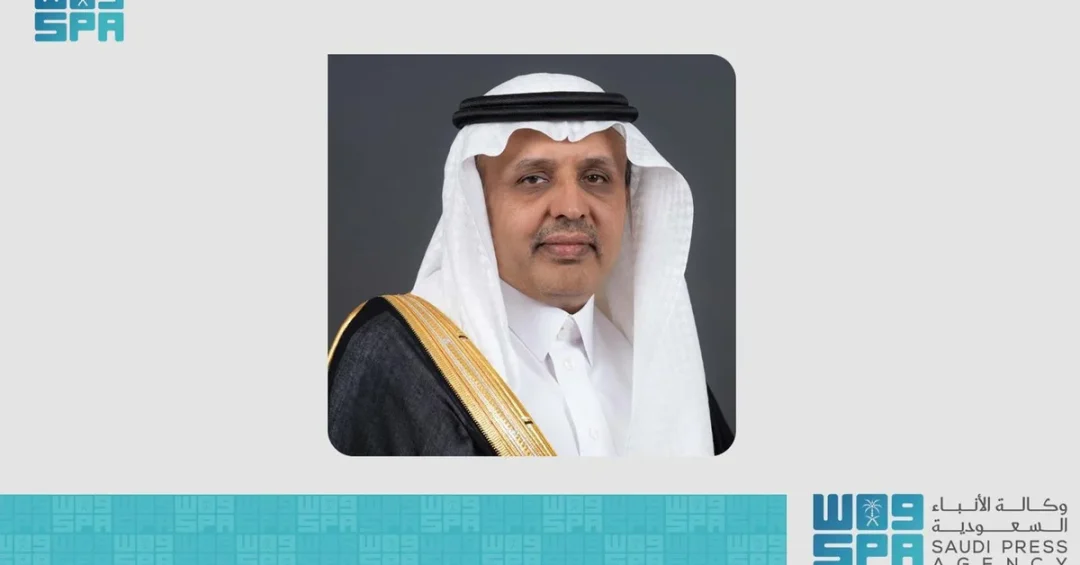
Dr. Rumaih bin Mohammed Al-Rumaih, Acting President of the Transport General Authority, confirmed that the Ramadan operational plans achieved outstanding performance indicators spanning public transportation services, the Haramain High-Speed Railway, ride-hailing applications, delivery services, and postal shipments. The figures underscore the Kingdom’s growing capacity to manage massive seasonal demand driven by Umrah performers and visitors to the Two Holy Mosques. How does a nation prepare its entire transport ecosystem for one of the busiest religious seasons on earth? The answer, according to Saudi officials, lies in meticulous planning, inter-agency coordination, and sustained investment in modern infrastructure aligned with Vision 2030 objectives.
Context and Background
Ramadan represents the single most demanding period for Saudi Arabia’s transport and logistics sector. Each year, millions of Muslims from across the globe travel to the Kingdom to perform Umrah and visit the Two Holy Mosques in Makkah and Madinah, placing extraordinary pressure on roads, railways, airports, and digital service platforms. The Transport General Authority, established as the principal regulator for the Kingdom’s land, rail, and maritime transport sectors, bears responsibility for ensuring that this surge in demand is met with efficiency, safety, and reliability.
In preparation for Ramadan 1446 AH, the TGA coordinated extensively with both public and private sector partners to design operational plans capable of absorbing record passenger volumes. These plans covered every mode of transport under the Authority’s regulatory purview, from urban bus networks and the Haramain High-Speed Railway to ride-hailing platforms, car rental companies, delivery applications, and licensed postal operators. The Kingdom’s transport infrastructure has undergone transformative expansion in recent years, with multi-billion-dollar investments in rail links, smart mobility solutions, and logistics hubs forming part of the broader Vision 2030 strategy to position Saudi Arabia as a global logistics and pilgrimage hub.
Dr. Al-Rumaih emphasized that the success of this year’s Ramadan season did not occur in isolation. It resulted from sustained institutional commitment, regulatory oversight, and the collaborative spirit of the TGA’s partners across the public and private sectors. The Authority’s role extends beyond mere regulation; it actively monitors service quality, ensures compliance with safety standards, and facilitates the integration of emerging technologies into the transport ecosystem to enhance the experience of beneficiaries.
Key Details of Ramadan Transport Performance
The headline figure from this year’s Ramadan operations was the Haramain High-Speed Railway’s transportation of over 1.2 million passengers, marking a 21 percent increase compared to the previous year. The railway, which connects Makkah and Madinah via Jeddah and King Abdullah Economic City, has firmly established itself as a reliable and safe transport option for pilgrims and travelers. Its ability to absorb such a significant volume increase while maintaining service quality speaks to the operational maturity of Saudi Arabia’s rail infrastructure.
Public transport buses within cities carried more than 10 million passengers during the holy month, with Makkah and Madinah accounting for 34 percent of that total. This concentration in the holy cities highlights the critical role urban bus networks play during peak seasons, providing accessible and affordable mobility for pilgrims moving between accommodation, holy sites, and transport hubs. The TGA’s oversight ensured that bus fleets were adequately deployed, routes optimized, and schedules adjusted to accommodate fluctuating demand patterns throughout the month.
In the ride-hailing sector, more than 7.8 million trips were completed, reflecting an 81 percent increase compared to last Ramadan. This dramatic growth illustrates the rising adoption of app-based mobility solutions among both residents and visitors. Car rental contracts exceeded 400,000, marking a 26 percent growth, as travelers sought flexible transport options for their journeys across the Kingdom. The logistics sector also performed strongly, with over 20 million delivery orders fulfilled through applications, of which Makkah and Madinah accounted for 32.8 percent. Additionally, more than 26 million shipments and postal parcels were delivered through 72 licensed companies, registering an 18 percent growth compared to the previous year.
Dr. Al-Rumaih stated, “During Ramadan, we provided integrated transport services that met the significant increase in demand, achieving record figures that reflect the sector’s readiness and operational efficiency across various activities. We prioritized coordinating efforts with both public and private sector partners to ensure smooth mobility and diverse transport options, enhancing the quality of experience for beneficiaries.”
International and Regional Impact
The record-breaking transport figures carry significant implications beyond Saudi Arabia’s borders. As the custodian of the Two Holy Mosques, the Kingdom hosts millions of international pilgrims annually, particularly during Ramadan and Hajj seasons. The efficiency with which Saudi Arabia manages this influx directly affects the experience of Muslims worldwide, many of whom save for years to undertake the spiritual journey. The TGA’s success in delivering seamless integrated transport services reinforces the Kingdom’s reputation as a capable and welcoming host for religious tourism on an unprecedented scale.
Regionally, Saudi Arabia’s transport and logistics achievements position the Kingdom as a model for other nations in the Middle East seeking to modernize their infrastructure and enhance service delivery during peak demand periods. The integration of digital platforms, such as ride-hailing and delivery applications, into the formal transport ecosystem demonstrates how technology can be harnessed to improve efficiency and user experience. For international observers, these figures also signal the Kingdom’s broader ambitions to become a global logistics hub connecting Asia, Europe, and Africa, a core pillar of Vision 2030.
Economic and Strategic Significance
The economic dimensions of these transport achievements are substantial. The 81 percent increase in ride-hailing trips and 26 percent growth in car rental contracts indicate expanding consumer spending and business activity within the mobility sector. The logistics figures, including over 26 million shipments delivered through 72 licensed companies, underscore the vitality of Saudi Arabia’s e-commerce and postal ecosystem, which supports thousands of jobs and enables small and medium enterprises to reach customers across the Kingdom.
Strategically, the TGA’s regulatory and supervisory role is central to achieving the national strategic objectives for transport and logistics. By ensuring that service providers meet quality and safety standards, the Authority creates an environment conducive to private sector investment and innovation. The success of Ramadan operations demonstrates that Saudi Arabia’s regulatory framework can effectively manage complexity and scale, a prerequisite for attracting further domestic and international investment in the sector. The Kingdom’s transport and logistics strategy aims to increase the sector’s contribution to GDP and create new employment opportunities for Saudi citizens.
Vision 2030 Alignment
The achievements outlined by the Transport General Authority align directly with the goals of Saudi Vision 2030, the comprehensive national transformation plan launched under the leadership of Crown Prince Mohammed bin Salman. Vision 2030 seeks to diversify the economy, enhance the quality of life for citizens and visitors, and establish Saudi Arabia as a global logistics and tourism destination. The expansion of the Haramain High-Speed Railway, the modernization of urban bus networks, and the integration of digital mobility platforms all contribute to these objectives by improving connectivity, reducing travel times, and enhancing the overall pilgrimage experience.
Dr. Al-Rumaih noted that the TGA continues its regulatory and supervisory role to enhance service quality and operational efficiency in line with national strategic objectives, contributing to an improved experience for Umrah performers and visitors to the Two Holy Mosques. He commended the efforts of government entities and the TGA’s private sector partners, whose collaboration played a key role in the success of this year’s Ramadan season. As Saudi Arabia continues to invest in world-class transport infrastructure and smart mobility solutions, the Kingdom is well-positioned to meet the growing demand of pilgrims and travelers in the years ahead, further solidifying its role as a leader in global transport and logistics.
20 Questions
Q1. What did the Transport General Authority announce regarding Ramadan 1446 AH?
A1. The TGA announced the success of its operational plans for Ramadan 1446 AH, achieving record performance indicators across public transportation, the Haramain High-Speed Railway, ride-hailing, delivery services, and postal shipments.
Q2. How many passengers did the Haramain High-Speed Railway transport during Ramadan?
A2. The Haramain High-Speed Railway transported over 1.2 million passengers during the holy month, marking a 21 percent increase compared to the previous year and reinforcing its status as a reliable transport option.
Q3. How many passengers used public transport buses within cities during Ramadan?
A3. Public transport buses carried over 10 million passengers, with Makkah and Madinah accounting for 34 percent of the total, highlighting the service’s importance during peak seasons in the holy sites.
Q4. What was the growth rate for ride-hailing trips during Ramadan?
A4. More than 7.8 million ride-hailing trips were completed, reflecting an 81 percent increase compared to last Ramadan, demonstrating the rising adoption of app-based mobility solutions among residents and visitors.
Q5. How many car rental contracts were recorded during the holy month?
A5. The number of car rental contracts exceeded 400,000, marking a 26 percent growth, as travelers sought flexible transport options for their journeys across the Kingdom during Ramadan.
Q6. How many delivery orders were fulfilled through apps during Ramadan?
A6. Over 20 million delivery orders were fulfilled through applications, with Makkah and Madinah accounting for 32.8 percent of the total, underscoring the logistics sector’s strong performance.
Q7. How many shipments and postal parcels were delivered, and through how many companies?
A7. More than 26 million shipments and postal parcels were delivered through 72 licensed companies, registering an 18 percent growth compared to the previous year, reflecting the sector’s expanding capacity.
Q8. Who is the Acting President of the Transport General Authority?
A8. Dr. Rumaih bin Mohammed Al-Rumaih serves as the Acting President of the Transport General Authority and announced the success of the Ramadan operational plans.
Q9. What did Dr. Al-Rumaih say about the Ramadan transport services?
A9. Dr. Al-Rumaih stated that integrated transport services met the significant increase in demand, achieving record figures that reflect the sector’s readiness and operational efficiency across various activities.
Q10. How did the TGA prioritize its efforts during Ramadan?
A10. The TGA prioritized coordinating efforts with both public and private sector partners to ensure smooth mobility and diverse transport options, enhancing the quality of experience for beneficiaries.
Q11. What percentage of public bus passengers were in Makkah and Madinah?
A11. Makkah and Madinah accounted for 34 percent of the over 10 million public bus passengers, highlighting the importance of this service during peak seasons in the holy sites.
Q12. What was the growth in postal shipments compared to the previous year?
A12. Postal shipments and parcels registered an 18 percent growth compared to the previous year, with more than 26 million items delivered through 72 licensed companies across the Kingdom.
Q13. What role does the TGA play in Saudi Arabia’s transport sector?
A13. The TGA continues its regulatory and supervisory role to enhance service quality and operational efficiency in line with the national strategic objectives for transport and logistics.
Q14. How does the TGA’s success contribute to the Umrah experience?
A14. The TGA’s success contributes to improving the experience of Umrah performers and visitors to the Two Holy Mosques by ensuring smooth mobility and diverse transport options during peak seasons.
Q15. Whom did Dr. Al-Rumaih commend for the successful Ramadan season?
A15. Dr. Al-Rumaih commended the efforts of government entities and the TGA’s private sector partners, whose collaboration played a key role in the success of this year’s Ramadan season.
Q16. What modes of transport were covered under the Ramadan operational plans?
A16. The plans covered public transportation services, the Haramain High-Speed Railway, ride-hailing apps, car rental services, delivery services, and postal shipments across the Kingdom.
Q17. How does the Haramain High-Speed Railway benefit pilgrims?
A17. The Haramain High-Speed Railway provides a reliable and safe transport option connecting Makkah and Madinah, transporting over 1.2 million passengers during Ramadan with a 21 percent increase from the previous year.
Q18. What does the 81 percent increase in ride-hailing trips indicate?
A18. The 81 percent increase indicates growing consumer adoption of app-based mobility solutions and the transport sector’s ability to scale services during periods of peak demand in the Kingdom.
Q19. How do these achievements support Saudi Vision 2030?
A19. These achievements support Vision 2030 by improving connectivity, enhancing the pilgrimage experience, advancing the Kingdom’s logistics ambitions, and contributing to economic diversification and quality of life goals.
Q20. What does the future hold for Saudi Arabia’s transport sector?
A20. Saudi Arabia’s transport sector is poised for continued growth through sustained investment in infrastructure, smart mobility solutions, and regulatory excellence, positioning the Kingdom as a global leader in transport and logistics.
Reader Feedback
We value your thoughts. Please share your feedback on this article.
Your feedback helps us improve our coverage.
Related articles
 KSrelief Delivers 5,500 Rice Bags to Somalia
 Hajj Packages for Domestic Pilgrims Now Available on Nusuk App
 NWC Delivers 39.4M Cubic Meters of Water for Ramadan
 Two Holy Mosques Welcome Over 122 Million Visitors in Ramadan 1446 AH
 Madinah Weather Alert: Rain and Thunderstorms Forecast
 Saudi Meteorology Forecasts Rain and Dust for Monday