


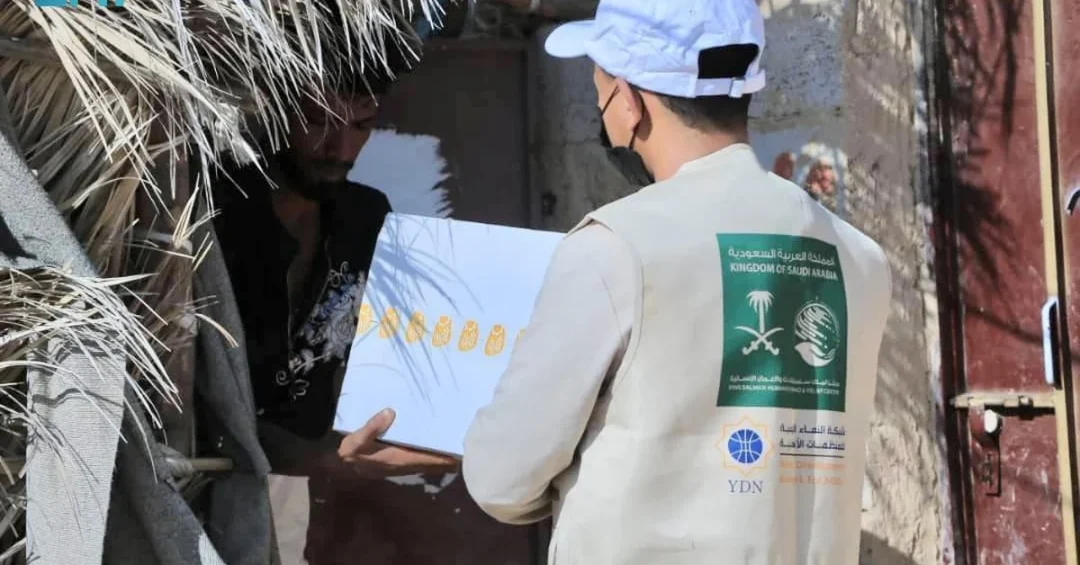
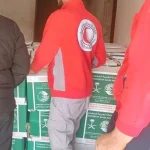
The King Salman Humanitarian Aid and Relief Centre (KSrelief) distributed 2,600 cartons of dates in Yemen’s Hadhramaut Governorate on March 9, 2025, providing essential food assistance to 15,600 individuals in one of the country’s most underserved regions. The delivery, announced by the Saudi Press Agency, forms part of Saudi Arabia’s continuing humanitarian commitment to the Yemeni people and reflects the Kingdom’s broader strategy of delivering relief through its dedicated humanitarian arm.
Why does this particular consignment matter so much in a country where nearly every aid shipment is a lifeline? Because in Hadhramaut, a vast governorate stretching along Yemen’s southeastern coast and into the interior, food insecurity remains a daily reality for thousands of families. The dates, a culturally significant and nutritionally dense staple, were selected not only for their long shelf life but also for their familiarity and acceptance among Yemeni households. KSrelief has consistently prioritised food security as a cornerstone of its relief portfolio, and this latest distribution underscores how targeted, culturally attuned assistance can reach communities that larger, more complex operations might miss. The operation was carried out in coordination with local authorities, ensuring that the cartons reached those most in need without delay.
Context and Background
How did Saudi Arabia become one of the largest humanitarian donors to Yemen, and what does that role look like on the ground? The Kingdom’s relief efforts in Yemen date back well over a decade, but they were significantly expanded and institutionalised with the establishment of KSrelief in 2015. Since then, the centre has implemented thousands of projects across Yemen covering food security, health, water, sanitation, shelter, and education. Hadhramaut, one of Yemen’s largest governorates by area, has been a recurring focus of these efforts due to its sizeable population, scattered rural communities, and the logistical challenges of reaching remote valleys and coastal villages. The distribution of dates is part of a wider food basket programme that KSrelief runs in partnership with local humanitarian partners and Yemeni authorities.
The timing of this distribution is significant. Yemen continues to face one of the world’s most protracted humanitarian crises, with millions of people relying on external assistance for basic nutrition. International organisations have repeatedly warned that funding shortfalls threaten to cut essential aid, making the role of Gulf donors, and Saudi Arabia in particular, increasingly pivotal. By delivering 2,600 cartons of dates directly to 15,600 beneficiaries, KSrelief is not only meeting an immediate need but also helping to stabilise local food markets by injecting supplies into areas where commercial imports have been disrupted. The operation also reflects the Kingdom’s preference for direct, bilateral assistance that can be delivered quickly and without the bureaucratic delays that sometimes hamper multilateral channels.
Key Details of the Distribution
What exactly was delivered, and how was it organised? According to the Saudi Press Agency, the 2,600 cartons of dates were distributed in Hadhramaut Governorate, with each carton designed to support a family or individual for a meaningful period. The total beneficiary figure of 15,600 individuals suggests that the cartons were allocated to households, with an average of six people per household. This approach ensures that the assistance reaches entire families rather than just individuals, multiplying the impact of the donation. Dates are a particularly practical choice for food aid: they are high in calories, vitamins, and minerals, require no refrigeration, and are deeply embedded in the local diet and culture. For many Yemeni families, dates are not just a food item but a traditional part of daily meals and hospitality.
KSrelief’s field teams worked with local partners to identify the most vulnerable households, including those headed by women, the elderly, and families displaced by conflict or economic hardship. The distribution was carried out in an orderly manner, with beneficiary lists verified in advance to prevent duplication and ensure fairness. While the announcement did not specify the exact villages or districts within Hadhramaut, the governorate’s diverse geography means that such operations often involve multiple distribution points, sometimes requiring transport by road and, in some cases, by sea or air. The logistics of moving 2,600 cartons into and around a governorate the size of Hadhramaut should not be underestimated; it requires coordination with local councils, tribal leaders, and security arrangements to guarantee safe passage and equitable access.
International and Regional Impact
How does this single distribution fit into the larger picture of regional humanitarian diplomacy? Saudi Arabia’s aid to Yemen is part of a broader Gulf effort that includes contributions from the United Arab Emirates, Kuwait, and other partners. However, Saudi Arabia has consistently been among the largest single donors, and KSrelief has become a model for rapid, needs-based assistance that is independent of political conditionality. This approach has earned the Kingdom recognition from international humanitarian bodies, even as it continues to face scrutiny over other aspects of its regional policies. By focusing on tangible, life-saving aid such as food, Saudi Arabia reinforces its image as a responsible regional power committed to the stability and well-being of its neighbours.
For the international community, the Hadhramaut distribution is a reminder that humanitarian needs in Yemen remain acute and that Gulf donors are filling gaps left by shrinking Western aid budgets. The United Nations and its partners have repeatedly called for increased funding, warning that cuts to food assistance could push more Yemenis into famine-like conditions. In this context, every carton of dates delivered by KSrelief represents not just a meal but a measure of resilience for communities on the edge. The operation also strengthens Saudi Arabia’s diplomatic standing in Yemen, where it supports the internationally recognised government and has been involved in efforts to broker a lasting peace. Humanitarian aid, delivered impartially and efficiently, is an important complement to those political efforts.
Economic and Strategic Significance
What does a food aid operation of this kind reveal about Saudi Arabia’s strategic priorities? At its core, the distribution reflects the Kingdom’s understanding that regional stability begins with food security. Yemen’s instability has spillover effects on Saudi Arabia’s southern border, on maritime security in the Red Sea and Gulf of Aden, and on broader trade routes. By investing in humanitarian relief, Saudi Arabia is also investing in its own long-term security and in the stability of a vital neighbourhood. The dates themselves are a product with deep cultural and economic significance in the Kingdom; Saudi Arabia is one of the world’s largest producers of dates, and using them as a relief item supports Saudi agricultural sectors while providing a familiar, nutritious food to beneficiaries.
From an economic perspective, the operation is a small but meaningful part of Saudi Arabia’s foreign aid portfolio, which has grown substantially in recent years as part of Vision 2030’s emphasis on global engagement and soft power. While the exact cost of the distribution was not disclosed, the logistical and procurement chain behind it involves Saudi suppliers, transport companies, and humanitarian workers, creating a modest but real economic footprint. More importantly, it demonstrates that Saudi Arabia can mobilise resources quickly and deliver them effectively in a complex environment, a capability that enhances its reputation as a reliable partner in humanitarian crises. This reputation, in turn, supports the Kingdom’s broader diplomatic and commercial interests around the world.
Vision 2030 Alignment
How does a humanitarian distribution in a neighbouring country connect to Saudi Arabia’s Vision 2030? Vision 2030 is often associated with domestic economic diversification, but it also includes a strong external dimension: the Kingdom aims to be a leader in global humanitarian and development efforts, projecting influence through generosity and constructive engagement. KSrelief is a key instrument of that vision, and its work in Yemen is a flagship example of how Saudi Arabia translates its values into action. By alleviating suffering and promoting food security, the Kingdom contributes to a more stable and prosperous region, which is essential for the success of Vision 2030’s trade, investment, and tourism goals.
The Hadhramaut distribution also aligns with Vision 2030’s emphasis on operational excellence and data-driven decision-making. KSrelief uses detailed needs assessments to target the most vulnerable, and it reports on its activities transparently through official channels such as the Saudi Press Agency. This professionalism enhances the Kingdom’s standing as a donor and as a responsible global actor. As Saudi Arabia continues to expand its humanitarian footprint, operations like this one serve as building blocks for a legacy of compassion and effectiveness that will outlast any single crisis. The 15,600 individuals who received dates in Hadhramaut may never meet a Saudi official, but they will remember the gesture, and that memory is part of the Kingdom’s enduring soft power.
20 Questions
Q1. What did KSrelief distribute in Yemen’s Hadhramaut Governorate?
A1. KSrelief distributed 2,600 cartons of dates in Hadhramaut Governorate, benefiting 15,600 individuals. The distribution was part of Saudi Arabia’s ongoing humanitarian efforts to enhance food security for the Yemeni people.
Q2. When did the distribution take place?
A2. The distribution took place on March 9, 2025, according to the Saudi Press Agency. The announcement was published on March 10, 2025, with local time and GMT timestamps provided.
Q3. How many people benefited from the date distribution?
A3. A total of 15,600 individuals benefited from the 2,600 cartons of dates. This suggests an average of six individuals per carton, likely representing household-level support for vulnerable families.
Q4. Why were dates chosen for this humanitarian distribution?
A4. Dates are culturally familiar, nutritionally dense, and have a long shelf life, making them ideal for food assistance. They are a staple in Yemeni diets and require no special storage or preparation.
Q5. What is KSrelief?
A5. KSrelief is the King Salman Humanitarian Aid and Relief Centre, established in 2015. It is Saudi Arabia’s dedicated humanitarian arm, implementing relief projects in Yemen and many other countries worldwide.
Q6. How does this distribution fit into Saudi Arabia’s broader aid to Yemen?
A6. It is part of a long-standing Saudi commitment to Yemen, which includes food, health, water, shelter, and education projects. KSrelief has been a leading donor, helping millions of Yemenis since its founding.
Q7. Which governorate in Yemen received the assistance?
A7. Hadhramaut Governorate, located in southeastern Yemen, received the 2,600 cartons of dates. It is one of Yemen’s largest governorates and has faced significant humanitarian needs.
Q8. Who announced the distribution?
A8. The Saudi Press Agency (SPA) announced the distribution. SPA is the official Saudi news agency and a primary source for government and humanitarian news.
Q9. What is the main goal of this assistance?
A9. The main goal is to enhance food security for the Yemeni people. By providing dates, KSrelief helps meet immediate nutritional needs and supports vulnerable households facing hardship.
Q10. How does this operation reflect Saudi Arabia’s regional role?
A10. It demonstrates Saudi Arabia’s commitment to regional stability and humanitarian leadership. The Kingdom uses its resources to support neighbours in need, reinforcing its role as a responsible regional power.
Q11. Are there any political conditions attached to the aid?
A11. No political conditions are mentioned. KSrelief aid is delivered based on humanitarian need, in coordination with local authorities, and aims to reach the most vulnerable regardless of political affiliation.
Q12. How does KSrelief identify beneficiaries?
A12. KSrelief works with local partners and authorities to identify vulnerable households, including displaced families, women-headed households, and the elderly. Beneficiary lists are verified to ensure fairness.
Q13. What other types of aid does KSrelief provide in Yemen?
A13. KSrelief provides food, healthcare, water and sanitation, shelter, education, and livelihood support. Its projects cover multiple sectors and aim to address both immediate and long-term needs.
Q14. How does this distribution support Vision 2030?
A14. It aligns with Vision 2030’s goal of global engagement and soft power. By delivering effective humanitarian aid, Saudi Arabia strengthens its international reputation and contributes to regional stability.
Q15. Is the distribution part of a larger food security programme?
A15. Yes, it is part of KSrelief’s broader food security programme in Yemen. This programme includes regular distributions of staple foods such as dates, flour, and rice to vulnerable communities.
Q16. What challenges does aid delivery in Hadhramaut face?
A16. Hadhramaut’s vast geography, scattered communities, and limited infrastructure pose logistical challenges. KSrelief coordinates with local councils and tribal leaders to ensure safe and equitable access.
Q17. How many cartons of dates were distributed per beneficiary?
A17. The report does not specify cartons per individual, but 2,600 cartons served 15,600 people, indicating household-level allocation. Each carton likely supported multiple family members.
Q18. What is the significance of dates in Yemeni culture?
A18. Dates are a traditional and valued food in Yemen, often consumed daily and during social gatherings. They are also associated with hospitality and religious traditions, making them a culturally appropriate aid item.
Q19. Will KSrelief continue similar distributions in Yemen?
A19. KSrelief has a sustained presence in Yemen and regularly conducts distributions. While future operations are not detailed in this report, the centre’s track record suggests ongoing support.
Q20. How can the international community support Yemen’s food security?
A20. The international community can increase funding for humanitarian appeals, support local food systems, and partner with organisations like KSrelief. Coordinated efforts are essential to address Yemen’s ongoing crisis.
Reader Feedback
We value your thoughts. Please share your feedback on this article.
Your feedback helps us improve our coverage.
Related articles
 Saudi Arabia Weather Forecast for Monday: Rain, Winds, Fog
 KSrelief Distributes 600 Food Baskets in Niger
 KSrelief Distributes 260 Food Baskets in Bangladesh
 Justice Minister Highlights Judicial Advancements in Meeting
 Imam Turki bin Abdullah Royal Reserve Marks International Women’s Day
 KSrelief Distributes 200 Food Baskets in Syria