


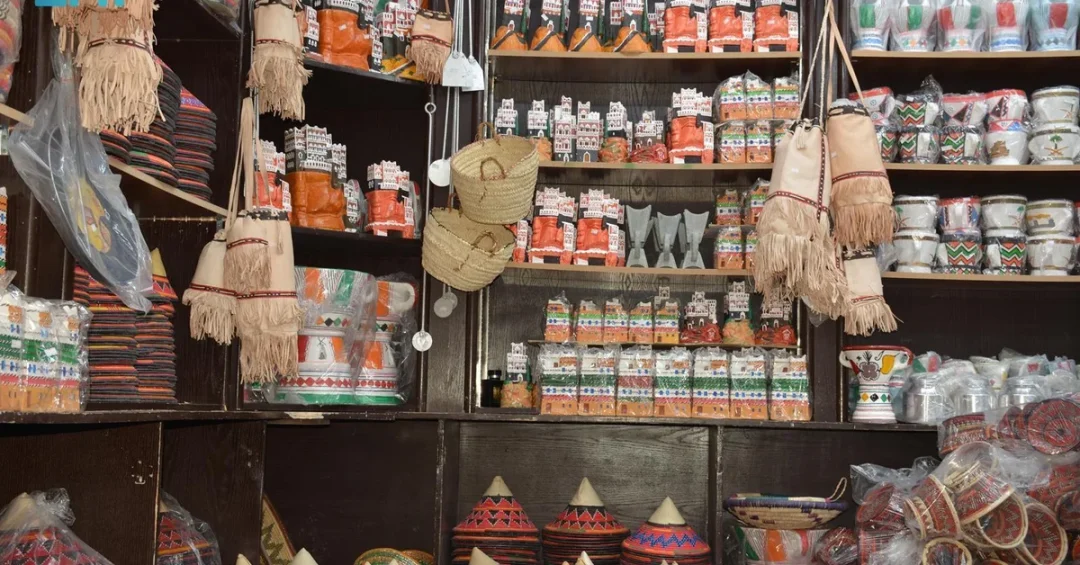
Najran’s historic traditional markets, located in the alleys of the ancient Aba Al-Saud neighborhood, continue to serve as a living testament to the Kingdom’s rich cultural heritage, preserving the social and economic fabric of past generations while attracting modern visitors and tourists. According to a recent tour conducted by the Saudi Press Agency (SPA), these markets reflect the daily living patterns, customs, and traditions that once shaped the Najrani community, offering a tangible link between the Kingdom’s storied past and its dynamic present.
The SPA report, released on March 10, 2025, highlights how these commercial hubs have maintained their prominent and permanent place amid the urban development witnessed across Najran and other Saudi cities. Have you ever wondered how a simple marketplace can hold the memories of an entire civilization? These markets, with their attractive heritage character and mud-brick architecture, do more than just sell goods; they narrate the stories of a society that gathered to exchange news, share stories, and build the social connections that defined an era. This enduring legacy is now being celebrated as part of Saudi Arabia’s broader commitment to preserving its cultural identity under Vision 2030.
Context and Background
What makes a traditional market more than just a place of commerce? In Najran, the old markets have always been the heartbeat of social and economic life, embodying the spirit of heritage and culture that reflects the pulse of daily existence. The Saudi Press Agency’s tour specifically targeted the historic Aba Al-Saud neighborhood, where the narrow alleys still echo with the memories of a simpler time. During this tour, SPA met with members of the generation that lived through that era, providing invaluable first-hand accounts of how life once was. These narratives are crucial for understanding the evolution of Najrani society and the values that have been passed down through generations.
Ali Mubarak Al-Saqour, a local resident who experienced that lifestyle, recalled, “Life at that time was simple; we used to walk or ride animals for transportation, and seeing a car was extremely rare. There were only a handful of them, and their owners were well-known. Some sales transactions were carried out through bartering and mutual exchange.” This account paints a vivid picture of a time when community bonds were forged through necessity and shared experience. The markets were not merely places to buy and sell; they were the central nodes of communication, where news traveled faster than any vehicle and where the social fabric was woven tightly. As Saudi Arabia undergoes rapid modernization, these historical pockets serve as a reminder of the resilience and adaptability of its people.
The significance of these markets extends beyond nostalgia. They represent a continuous thread of economic activity that has adapted to changing times while retaining its core identity. The urban development that has transformed Najran, like other cities in the Kingdom, has not erased these markets but rather integrated them into the modern landscape. They now stand as heritage landmarks, drawing interest from visitors and tourists who seek an authentic experience of Saudi culture. This dual role—preserving the past while serving the present—makes them invaluable assets in the Kingdom’s tourism and cultural sectors.
Key Details
What treasures lie within the stalls of Najran’s traditional markets? A walk through these markets reveals a diverse array of goods that cater to both practical needs and cultural appreciation. The Janabi market, a staple of the region, offers traditional leather products and heritage items that showcase the craftsmanship of local artisans. Silver handicrafts, meticulously designed, reflect the artistic sensibilities of the Najrani people. Traditional clothing tailors ply their trade, creating garments that blend utility with cultural expression. Old kitchen utensils and various handicrafts are also on display, each item telling a story of its own.
The architectural style of the region’s mud-brick houses adds to the market’s allure. These structures, with their distinctive design, create a cohesive aesthetic that transports visitors to a bygone era. The markets have secured a permanent place in the city’s layout, maintaining an attractive heritage character that complements the surrounding urban environment. This integration of old and new is a testament to Saudi Arabia’s ability to honor its past while embracing the future. The SPA tour underscored that these markets are not relics but vibrant centers of activity that continue to serve the community.
Moreover, the markets serve as a living museum of Najrani customs. The bartering system mentioned by Al-Saqour is a prime example of how economic exchanges were once conducted based on mutual trust and community ties. Today, while modern currency is used, the spirit of fair trade and personal connection remains. Visitors can interact with vendors who are often descendants of the original merchants, preserving a lineage of trade that spans generations. This continuity is what makes Najran’s markets a living memory, not just a historical footnote.
International and Regional Impact
How do these local markets resonate on a global scale? In an era of globalization, where homogenized shopping experiences dominate, Najran’s traditional markets offer a unique counterpoint. They attract international tourists seeking authentic cultural encounters, contributing to Saudi Arabia’s growing tourism sector. The Kingdom’s Vision 2030 aims to increase tourism’s contribution to the GDP, and heritage sites like these play a pivotal role. Regional visitors from neighboring Gulf countries also frequent these markets, drawn by the shared history and the allure of traditional goods that are increasingly rare elsewhere.
The markets also serve as a platform for cultural diplomacy. By showcasing the rich heritage of Najran, Saudi Arabia presents a nuanced image to the world—one that balances modernity with deep-rooted traditions. This aligns with the Kingdom’s efforts to foster cross-cultural understanding and exchange. International media and cultural organizations have taken note, further amplifying the markets’ profile. The SPA’s coverage is part of this broader outreach, ensuring that the story of Najran’s markets reaches a global audience. As Saudi Arabia opens up to the world, such authentic experiences become key differentiators in its tourism offerings.
Economic and Strategic Significance
What economic value do these traditional markets hold in a modern economy? Beyond their cultural importance, Najran’s markets contribute to the local economy by supporting small businesses and artisans. The sale of handicrafts, leather goods, and silver items provides livelihoods for many families, preserving skills that might otherwise be lost. The markets also stimulate ancillary industries such as transportation, hospitality, and guiding services. As tourist numbers grow, these economic benefits multiply, creating a sustainable model that aligns with Vision 2030’s goal of diversifying income sources.
Strategically, these markets are part of Saudi Arabia’s broader effort to document and preserve its intangible cultural heritage. The Kingdom has been actively nominating sites for UNESCO World Heritage status and promoting cultural tourism. Najran’s markets, with their unique blend of commerce and community, are prime candidates for such recognition. This not only boosts national pride but also enhances the Kingdom’s soft power. By investing in the preservation of these markets, Saudi Arabia is investing in its future as a destination for cultural exploration and a guardian of Arab heritage.
Vision 2030 Alignment
How does the preservation of Najran’s traditional markets fit into Saudi Arabia’s Vision 2030? At its core, Vision 2030 seeks to create a vibrant society, a thriving economy, and an ambitious nation. The markets embody all three pillars. They foster a vibrant society by providing spaces for social interaction and cultural expression. They contribute to a thriving economy by supporting local businesses and attracting tourists. And they reflect an ambitious nation that values its history while striving for a prosperous future. The SPA’s documentation of these markets is a clear example of how the Kingdom is leveraging its heritage as a strategic asset.
As Saudi Arabia continues its journey of transformation, places like Najran’s traditional markets will remain beacons of identity. They remind us that progress does not require erasing the past but rather building upon it. The leadership’s commitment to preserving these cultural landmarks ensures that future generations will also have the chance to walk through these alleys, hear the stories, and feel the pulse of history. In doing so, the Kingdom not only honors its ancestors but also enriches the global community with a unique and enduring heritage.
20 Questions
Q1. What are the traditional markets of Najran?
A1. The traditional markets of Najran are historic commercial hubs located in the Aba Al-Saud neighborhood, reflecting the region’s heritage and serving as social and economic centers for past generations.
Q2. Why are these markets considered a living memory of the past?
A2. They preserve the customs, traditions, and daily life patterns of Najrani society, with elders sharing stories of a simpler time, keeping the history alive for modern visitors.
Q3. What did Ali Mubarak Al-Saqour recall about life in the past?
A3. He recalled that life was simple, with people walking or riding animals, cars being rare, and transactions often conducted through bartering and mutual exchange.
Q4. How have the markets adapted to urban development?
A4. They have secured a permanent place, maintaining an attractive heritage character that reflects the region’s mud-brick architecture while integrating into the modern cityscape.
Q5. What goods are sold in Najran’s traditional markets?
A5. The markets offer Janabi products, leather goods, heritage items, silver handicrafts, traditional clothing, old kitchen utensils, and various other handicrafts.
Q6. Who conducted the tour of these markets?
A6. The Saudi Press Agency (SPA) conducted a tour to highlight the cultural and historical significance of the markets, meeting with local elders.
Q7. What is the significance of the Aba Al-Saud neighborhood?
A7. It is the historic area where these traditional markets are located, known for its alleys and mud-brick houses that reflect the region’s architectural style.
Q8. How do these markets contribute to tourism in Saudi Arabia?
A8. They attract visitors and tourists interested in heritage, offering authentic cultural experiences that support the Kingdom’s tourism goals under Vision 2030.
Q9. What role did bartering play in the past?
A9. Bartering was a common method of exchange, reflecting the community’s mutual trust and the simplicity of the economic system at the time.
Q10. Why are the markets important for social connections?
A10. They served as gathering places where people exchanged news, shared stories, and built social bonds, strengthening community ties.
Q11. How does Vision 2030 support the preservation of such heritage sites?
A11. Vision 2030 aims to create a vibrant society and thriving economy, and preserving heritage sites like these aligns with its goals of cultural and economic diversification.
Q12. What architectural style is prominent in the markets?
A12. The markets feature mud-brick houses, a traditional architectural style of the Najran region that adds to the heritage character.
Q13. What economic benefits do the markets provide today?
A13. They support local artisans and small businesses, create jobs, and stimulate tourism-related industries, contributing to the local economy.
Q14. How do international visitors perceive these markets?
A14. International visitors see them as authentic cultural destinations, offering a glimpse into Saudi Arabia’s rich history and traditions.
Q15. What is the Janabi market known for?
A15. The Janabi market is known for its traditional products, including leather goods and heritage items, reflecting the region’s craftsmanship.
Q16. How does the SPA contribute to preserving this heritage?
A16. The SPA documents and reports on these markets, raising awareness and ensuring that the stories and significance are shared with a wider audience.
Q17. What can visitors learn from the markets?
A17. Visitors can learn about the history, customs, and daily life of past generations in Najran, gaining insight into the Kingdom’s cultural heritage.
Q18. How do the markets reflect Saudi Arabia’s cultural identity?
A18. They showcase traditional crafts, architecture, and social practices, embodying the Kingdom’s commitment to preserving its identity amid modernization.
Q19. What future plans exist for these markets?
A19. They are expected to continue as heritage and tourism hubs, with ongoing efforts to maintain their character and promote them as cultural destinations.
Q20. Why are traditional markets important for future generations?
A20. They provide a tangible link to the past, teaching future generations about their heritage and the values that shaped their society, ensuring cultural continuity.
Reader Feedback
We value your thoughts. Please share your feedback on this article.
Your feedback helps us improve our coverage.
Related articles
 Jeddah Historic District Welcomes 1M Visitors in Ramadan Week
 Madinah’s Qiblatain Mosque Expands for 3,000 Worshippers
 Makkah Sees 64% Surge in Licensed Hospitality Rooms in 2024
 Ramadan Bazaars: Jeddah’s Attractive Marketing Platform
 Miqat Dhu Al-Hulayfah: Madinah’s Spiritual Landmark
 9.7 Million Pray at Prophet’s Mosque in First 10 Days of Ramadan