


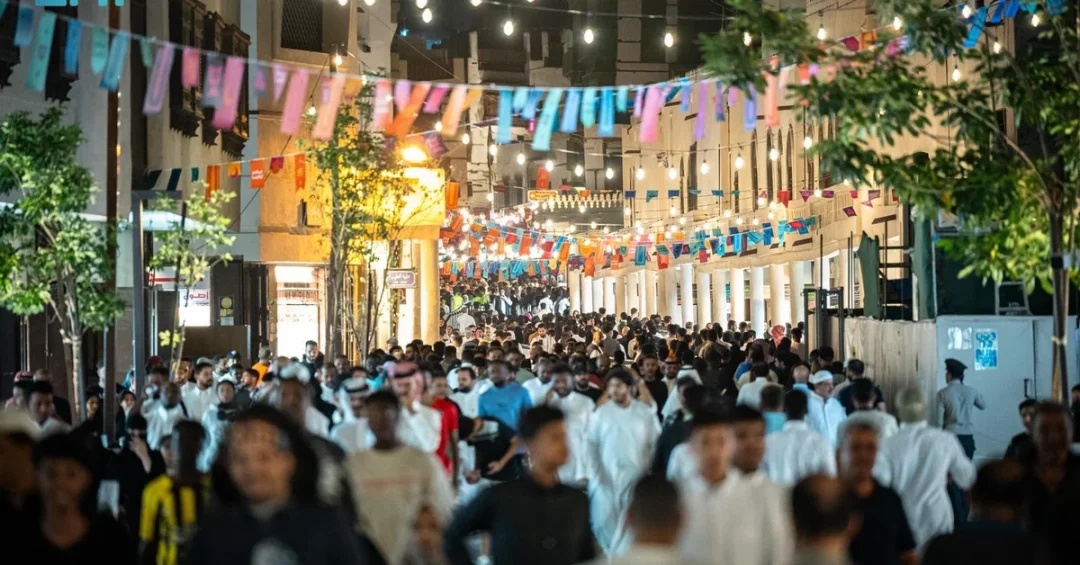
More than one million visitors entered the Jeddah Historic District during the first week of Ramadan Season 2025, an unprecedented turnout announced by the Saudi Press Agency and organized by the Jeddah Historic District Program under the Ministry of Culture. The figure, released in the opening days of the holy month, marks the strongest start in the history of the seasonal program and confirms the Red Sea port city’s emergence as a leading cultural and tourism destination in the Kingdom of Saudi Arabia.
The Ramadan Season in Jeddah is one of the most prominent Ramadan events in Saudi Arabia, designed to revive cultural heritage and promote Saudi identity through a wide range of Ramadan-themed activities. Visitors are enjoying a unique blend of culture, arts, traditional markets, and heritage cuisine. Exploration tours reveal ancient architectural heritage, while markets showcase local products and traditional foods. Could any other city in the region match this combination of faith, history, and modern hospitality? The early numbers suggest that Jeddah’s answer is a confident one, and the season is only just beginning.
Context and Background
What makes the Jeddah Historic District so compelling to visitors from across the Kingdom and around the world? Known historically as Al-Balad, the district was inscribed on the UNESCO World Heritage List in 2014 in recognition of its outstanding universal value. Its coral-stone houses, narrow alleyways, wooden rawashin balconies, and centuries-old souqs tell the story of Jeddah’s role as the gateway to the holy cities of Makkah and Madinah and as a crossroads for merchants, pilgrims, and travelers from Asia, Africa, and the Middle East. The Jeddah Historic District Program, operating under the Ministry of Culture, was established to preserve this legacy while opening it to contemporary audiences in a way that respects its character.
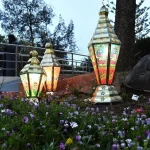
The Ramadan Season is the centerpiece of that effort during the holy month. It transforms the district into a living stage for Saudi heritage, with lantern-lit streets, traditional performances, crafts, and culinary experiences that reflect the diversity of the Kingdom’s regions. The program is carefully curated so that religious observance and family-friendly entertainment reinforce one another rather than compete. For international readers, the season offers a window into how Saudi Arabia celebrates Ramadan today: rooted in tradition, open to visitors, and supported by modern organization and crowd management. The first-week total of more than one million visitors shows that this balance is resonating with the public.
The timing of Ramadan Season 2025 also matters. It follows years of sustained investment in the district’s infrastructure, restoration, and visitor services, and it arrives as Saudi Arabia’s domestic tourism sector continues to expand. The Ministry of Culture has positioned the season as both a celebration and a statement: that heritage is not a static relic but a living economic and social asset. In a region where many historic quarters have struggled to remain relevant, Jeddah’s approach is being watched closely by city planners, cultural institutions, and tourism authorities far beyond the Kingdom’s borders.
Key Details of the Season
What exactly are the one million visitors experiencing in Al-Balad this Ramadan? According to the Saudi Press Agency, the season combines exploration tours of the district’s ancient architectural heritage with bustling markets that showcase local products and traditional foods. Visitors can walk through restored historic houses, learn about the craftsmanship behind the rawashin, and sample dishes drawn from Jeddah’s long history as a meeting point of cultures. The atmosphere after sunset is particularly vibrant, as families gather for iftar and stay late into the night for shopping, performances, and community events.
The Jeddah Historic District Program has organized the season to appeal to a broad audience. Residents of Jeddah make up a large share of visitors, but the district is also attracting domestic travelers from Riyadh, the Eastern Province, and other regions, as well as international guests. Guided tours, cultural exhibitions, and children’s activities are designed to make the heritage accessible without diluting its authenticity. Local artisans and vendors benefit directly, turning the season into a source of income for families and small businesses rooted in the district. This blend of preservation and economic participation is central to how the program defines success.
Operationally, managing more than a million visitors in a week requires coordination across multiple agencies. Crowd flow, security, sanitation, transport, and emergency services are all part of the planning, and the smooth handling of the opening week reflects lessons learned in previous seasons. The Saudi Press Agency noted that visitor numbers are expected to rise in the coming weeks as Ramadan events continue, which means the systems put in place will face even greater demand. The district’s ability to absorb that growth while protecting its historic fabric will be a key test of the program’s long-term model.
The Heritage That Draws the Crowds
Why does a historic district built from coral stone and wooden balconies attract a million people in a single week? Part of the answer lies in the authenticity of the place. Al-Balad is not a theme park reconstruction; it is a living urban quarter whose foundations date back centuries. Its inclusion on the UNESCO World Heritage List confirmed what generations of Jeddah residents already knew: that the district is a rare surviving example of a Red Sea trading city. Restoration work has been carried out with an emphasis on traditional materials and techniques, so that new visitors see the district much as earlier generations did, though with safer walkways and better services.
The Ramadan Season adds a layer of intangible heritage that cannot be replicated elsewhere. The call to prayer echoing through the alleys, the shared experience of iftar, the scent of traditional breads and spiced beverages, and the sound of Hijazi music all combine to create an atmosphere that is both spiritual and festive. For Saudi families, the season is a way to connect younger generations with their cultural roots. For international visitors, it is an opportunity to experience Ramadan in a setting where history and faith are visibly intertwined. That combination is difficult to manufacture, which is precisely why it draws such large numbers.
The district’s markets play a special role. Vendors offer traditional foods, handicrafts, textiles, and products that reflect Jeddah’s identity as a cosmopolitan port. Many of these businesses are family-run and have deep ties to the area. By bringing a million visitors into their lanes, the season provides them with a platform and an income stream that supports the broader goal of making heritage economically sustainable. When visitors buy a piece of local craftsmanship, they are contributing directly to the preservation of the skills and traditions that define the district.
International and Regional Impact
How does a successful Ramadan season in Jeddah change the way the world sees Saudi Arabia? Tourism is one of the most powerful forms of cultural diplomacy, and the Jeddah Historic District is becoming a showcase for the Kingdom’s wider transformation. International visitors who walk through Al-Balad encounter a Saudi Arabia that is confident in its heritage and open to the world, a message that resonates far beyond the Gulf region. The season’s early success gives travel agents, tour operators, and airlines a concrete reason to include Jeddah in their Ramadan and cultural itineraries, strengthening the Kingdom’s position in the competitive regional tourism market.
Regionally, the turnout reinforces Jeddah’s historic role as the gateway to the Red Sea and the holy cities. Pilgrims performing Umrah during Ramadan often pass through Jeddah, and the Historic District offers them a meaningful cultural stop that complements their spiritual journey. At the same time, the season demonstrates that Saudi Arabia can host large-scale cultural events with professionalism and warmth. For neighboring countries and global partners, this is a signal that the Kingdom’s cultural sector is a reliable and attractive collaborator, whether through joint exhibitions, heritage exchanges, or tourism promotion.
The international dimension also includes the diaspora and the global Muslim community. Ramadan is observed by nearly two billion people worldwide, and the images and stories emerging from Jeddah’s Historic District travel quickly across social media and international news platforms. Each visitor becomes a potential ambassador, sharing their experience of Saudi hospitality and heritage. In this way, the season contributes to a broader narrative of the Kingdom as a destination where tradition and modernity coexist, a narrative that supports both tourism growth and cultural understanding.
Economic and Strategic Significance
What does one million visitors in a week mean for the Saudi economy? Cultural tourism is a growing contributor to the Kingdom’s non-oil economy, and the Jeddah Historic District is a flagship asset in that portfolio. Spending by visitors supports restaurants, hotels, retailers, artisans, and transport providers, generating income and employment across the city. Many of the businesses benefiting are small and medium-sized enterprises, which are central to job creation and to the diversification goals of Saudi Vision 2030. The season thus converts cultural heritage into measurable economic activity, a principle that guides the Ministry of Culture’s investment strategy.
The strategic significance extends beyond immediate spending. Successful seasons build the reputation and brand equity of the district, making it more attractive for future private investment, events, and partnerships. They also generate data and operational experience that help authorities plan infrastructure and services more effectively. As visitor numbers are expected to rise in the coming weeks, the program is effectively stress-testing its model in real time. The lessons learned will inform how the district is managed during other peak periods, including Hajj and Umrah seasons, when Jeddah serves as a major entry point for pilgrims.
For the Kingdom as a whole, the Ramadan Season demonstrates the economic value of preserving heritage rather than replacing it. Restoration and adaptive reuse create skilled jobs in conservation, construction, hospitality, and the creative industries. They also strengthen national identity, which is an important complement to economic growth. When a historic district can attract a million visitors in a week while remaining true to its character, it becomes a model for other Saudi cities seeking to develop their own cultural assets. That is why the Jeddah Historic District Program is watched not only as a tourism initiative but as a strategic national project.
Vision 2030 Alignment
How does the success of Ramadan Season 2025 connect to the larger ambitions of Saudi Vision 2030? The Vision, launched under the leadership of Crown Prince Mohammed bin Salman, seeks to diversify the economy, strengthen national identity, and position the Kingdom as a global destination for culture and tourism. The Jeddah Historic District Program sits at the intersection of all three goals. By reviving cultural heritage and promoting Saudi identity through Ramadan-themed activities, the season advances the Vision’s cultural objectives. By attracting more than a million visitors and supporting local businesses, it advances the economic ones.
The early turnout also supports the Vision’s target of increasing domestic and international tourism, a key pillar of the National Tourism Strategy. The Jeddah Historic District is being positioned as a leading global cultural and tourist destination, and the Ramadan Season is a proof point that this ambition is achievable. As events continue through the holy month, visitor numbers are expected to rise further, solidifying the district’s status as a premier destination during Ramadan. For the Ministry of Culture and its partners, the season is both a celebration of the present and an investment in the future.
Looking ahead, the momentum from Ramadan Season 2025 will feed into broader plans for the district and for Jeddah as a whole. Continued restoration, improved visitor facilities, and a growing calendar of cultural events will keep the area active throughout the year, not only during Ramadan. The Kingdom’s leadership has consistently emphasized that heritage is a source of strength and a bridge to the world. The million visitors who passed through Al-Balad in the first week of Ramadan are not just a statistic; they are evidence that this vision is taking root and delivering results for Saudi Arabia and for all who come to experience its hospitality.
20 Questions
Q1. What is the Jeddah Historic District?
A1. The Jeddah Historic District, known as Al-Balad, is the historic heart of Jeddah. It is a UNESCO World Heritage Site famous for its coral-stone buildings, wooden rawashin balconies, and traditional markets, and it is managed for preservation and tourism by the Jeddah Historic District Program.
Q2. How many visitors came in the first week of Ramadan Season 2025?
A2. More than one million visitors flocked to the Jeddah Historic District during the first week of Ramadan Season 2025, according to the Saudi Press Agency. This marked an unprecedented turnout for the seasonal program and the strongest opening week in its history.
Q3. Who organizes the Ramadan Season in Jeddah?
A3. The Ramadan Season is organized by the Jeddah Historic District Program under the Ministry of Culture. The program is responsible for preserving the district and presenting its heritage through cultural events, guided tours, markets, and family-friendly activities during the holy month.
Q4. What activities can visitors enjoy during the season?
A4. Visitors enjoy a blend of culture, arts, traditional markets, and heritage cuisine. Exploration tours reveal ancient architectural heritage, while markets showcase local products and traditional foods. There are also performances, exhibitions, and activities designed for families and children throughout the district.
Q5. Why is the Jeddah Historic District important to Saudi Arabia?
A5. The district is a symbol of Saudi Arabia’s cultural identity and its history as a Red Sea gateway. It reflects the Kingdom’s commitment to preserving heritage, promoting Saudi identity, and developing cultural tourism in line with Saudi Vision 2030 objectives.
Q6. What is the significance of the one million visitor figure?
A6. The figure demonstrates the district’s growing appeal as a cultural and tourist destination. It confirms that efforts to restore the area and organize high-quality Ramadan events are succeeding, and it supports the goal of positioning the district as a leading global destination.
Q7. Are visitor numbers expected to increase further?
A7. Yes. Visitor numbers are expected to rise in the coming weeks as Ramadan events continue. The season runs throughout the holy month, and the program has prepared services and activities to accommodate growing crowds while protecting the district’s historic character.
Q8. How does the season promote Saudi identity?
A8. The season highlights Saudi traditions, crafts, foods, and hospitality. Through Ramadan-themed activities, it connects younger generations with their heritage and introduces international visitors to the Kingdom’s culture, reinforcing a positive and authentic image of Saudi Arabia.
Q9. What role does the Ministry of Culture play?
A9. The Ministry of Culture oversees the Jeddah Historic District Program and supports the Ramadan Season. Its role includes preserving heritage, organizing cultural events, and advancing the objectives of Saudi Vision 2030 related to culture, tourism, and national identity.
Q10. Is the Jeddah Historic District a UNESCO World Heritage Site?
A10. Yes. The district was inscribed on the UNESCO World Heritage List in 2014 in recognition of its outstanding universal value. Its coral-stone architecture and historic urban fabric make it a rare surviving example of a Red Sea trading city.
Q11. How does the season benefit local businesses?
A11. Local vendors, artisans, and restaurants benefit from increased footfall and spending. The season provides income opportunities for families and small businesses in the district, supporting economic sustainability and helping preserve traditional skills and crafts.
Q12. What makes the Ramadan atmosphere in Al-Balad unique?
A12. The district combines spiritual observance with cultural celebration. The call to prayer, shared iftar experiences, traditional foods, and Hijazi music create an atmosphere where history and faith are intertwined, offering visitors a memorable and authentic Ramadan experience.
Q13. How does the season support Saudi Vision 2030?
A13. It advances Vision 2030 by enhancing cultural heritage, developing tourism, diversifying the economy, and strengthening national identity. The season attracts visitors, supports local businesses, and positions Jeddah as a leading cultural and tourist destination in the Kingdom.
Q14. Can international visitors attend the Ramadan Season?
A14. Yes. The season welcomes international visitors alongside residents and domestic travelers. The program offers guided tours and cultural experiences designed to be accessible, allowing guests from around the world to learn about Saudi heritage and Ramadan traditions.
Q15. What types of food are available in the district’s markets?
A15. Visitors can sample traditional Saudi and Hijazi dishes, including breads, spiced beverages, dates, and sweets. The markets showcase heritage cuisine that reflects Jeddah’s history as a cosmopolitan port where cultures and culinary traditions met.
Q16. How is the district preserved during large events?
A16. Preservation is central to the program’s approach. Restoration uses traditional materials and techniques, and event planning includes crowd management, security, and sanitation measures to protect the historic fabric while allowing large numbers of visitors to enjoy the district safely.
Q17. What is the Jeddah Historic District Program?
A17. It is the entity responsible for the restoration, preservation, and development of the Jeddah Historic District. Operating under the Ministry of Culture, it organizes events such as the Ramadan Season and works to position the district as a global cultural and tourist destination.
Q18. Why is Ramadan an important time for tourism in Jeddah?
A18. Ramadan is a peak period for spiritual and cultural travel. Many pilgrims pass through Jeddah for Umrah, and the city’s historic district offers a meaningful cultural stop. The season’s events, markets, and tours make it an attractive destination during the holy month.
Q19. How does the season reflect Saudi Arabia’s modernization?
A19. The season combines heritage with modern organization, services, and hospitality. It shows how Saudi Arabia is preserving its past while embracing progress, a balance at the heart of Vision 2030 and of the Kingdom’s broader transformation.
Q20. What comes next for the Jeddah Historic District?
A20. The program will continue restoring and developing the district, expanding its calendar of cultural events beyond Ramadan. The success of Ramadan Season 2025 is expected to attract further investment and visitors, reinforcing Jeddah’s role as a premier cultural destination.
Reader Feedback
We value your thoughts. Please share your feedback on this article.
Your feedback helps us improve our coverage.
Related articles
 Madinah’s Qiblatain Mosque Expands for 3,000 Worshippers
 Makkah Sees 64% Surge in Licensed Hospitality Rooms in 2024
 Ramadan Bazaars: Jeddah’s Attractive Marketing Platform
 Miqat Dhu Al-Hulayfah: Madinah’s Spiritual Landmark
 9.7 Million Pray at Prophet’s Mosque in First 10 Days of Ramadan
 Abha’s Ramadan Nights: Fog, Faith, and Traditional Flavours