


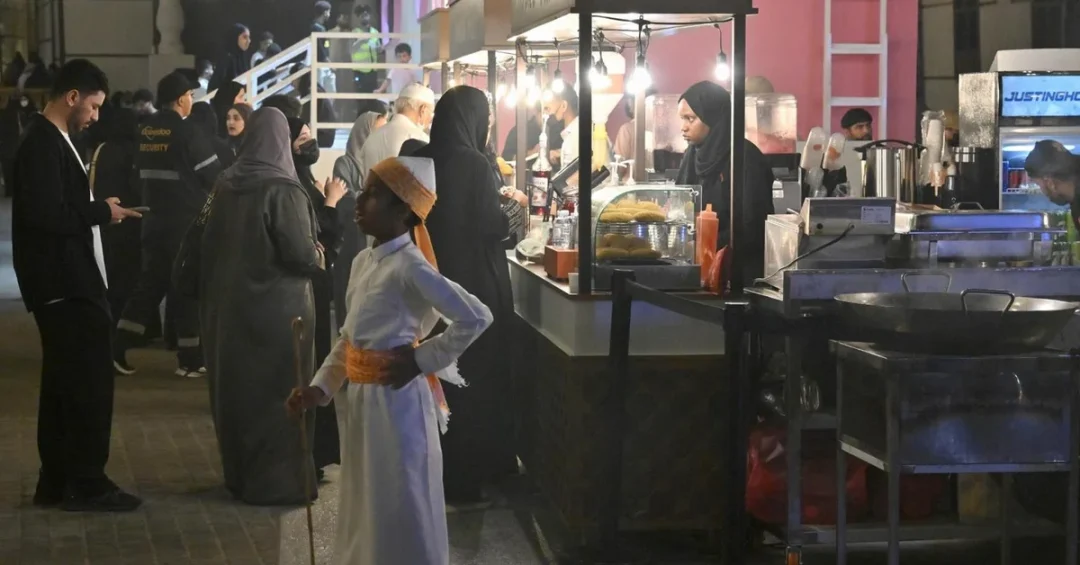
Historic Jeddah’s Al-Balad district is drawing record crowds during Ramadan 2025, as traditional Hejazi street food — led by freshly grilled liver dishes — transforms the UNESCO World Heritage site into a vibrant open-air culinary festival, according to the Saudi Press Agency (SPA). The events, organized in the traditional Hejazi street food area, feature live cooking shows, food stalls, and carts lining the ancient alleys, offering visitors an authentic taste of the region’s heritage. Young Saudi vendors, dressed in traditional attire, prepare liver dishes on-site, chanting folk songs to welcome shoppers and families who flock to the district after evening prayers.
The scene in Al-Balad reflects a broader renaissance of Historic Jeddah, a district that has become a cornerstone of Saudi Arabia’s cultural preservation and tourism strategy under Vision 2030. The Ramadan festivities not only celebrate Hejazi cuisine but also highlight the Kingdom’s commitment to showcasing its rich heritage to both domestic and international visitors. As the streets and corridors come alive with festive lights and decorations, the annual event reinforces Jeddah’s status as a gateway for cultural tourism on the Red Sea coast.
Context and Background: Why Does Historic Jeddah Matter?
Historic Jeddah, known locally as Al-Balad, was inscribed as a UNESCO World Heritage Site in 2014, recognized for its outstanding universal value as a key maritime trading hub on the Red Sea and a gateway for pilgrims traveling to Mecca. The district’s coral-stone houses, narrow alleys, and historic mosques date back centuries, reflecting a blend of Hejazi, Egyptian, Indian, and Southeast Asian influences brought by traders and pilgrims over generations. In recent years, the Saudi government has invested heavily in restoring Al-Balad, transforming it into a vibrant cultural and tourism destination while preserving its architectural integrity.
The Ramadan street food events are part of a seasonal calendar that includes the Jeddah Season festival and other cultural programs managed by the Ministry of Culture and the Saudi Tourism Authority. These initiatives aim to attract millions of visitors annually, aligning with Vision 2030’s goal of increasing tourism’s contribution to GDP and creating jobs for young Saudis. The liver stalls, in particular, have become a signature attraction, drawing crowds who appreciate the authentic flavors and the lively atmosphere that echoes the district’s historical role as a meeting point for diverse cultures.
For international audiences, the event offers a window into Hejazi cuisine, a culinary tradition distinct from other Saudi regional foods. Hejazi cooking is characterized by its use of spices, fresh ingredients, and communal dining, reflecting the region’s history as a crossroads of trade and pilgrimage. The liver dishes, often seasoned with garlic, cumin, and chili, are a staple of Jeddah’s street food scene and are typically enjoyed in the evening, especially during Ramadan after fasting hours.
Key Details: What Makes the Liver Stalls So Popular?
At the heart of the festivities are the liver vendors, many of whom are young Saudi men who have honed their cooking skills through family traditions and vocational training programs supported by the government. They set up stalls and carts along the main thoroughfares of Al-Balad, grilling fresh liver on open flames and serving it with bread, salad, and tangy sauces. The aroma of sizzling liver and spices fills the air, drawing visitors who queue early to secure a spot. According to SPA, the vendors wear traditional Hejazi attire — including the long white thobe and headdress — and chant folk songs to attract shoppers, adding a layer of cultural performance to the culinary experience.
Visitors often combine their meal with shopping in the nearby souks, where they can buy traditional crafts, textiles, and souvenirs. The event’s popularity has grown year after year, with many families making it an annual Ramadan tradition. The simplicity of the markets, the warmth of the vendors, and the nostalgic atmosphere evoke memories of old Jeddah, creating a sense of continuity between past and present. The district’s narrow alleys and historic buildings provide a picturesque backdrop, enhanced by strings of lights and Ramadan decorations that illuminate the area after sunset.
The liver dishes themselves are a culinary highlight. Typically, the liver is cut into small pieces, marinated with spices, and quickly grilled to retain its tenderness. It is often served in a paper cone or on a plate, accompanied by fresh herbs and lemon. This street food is not only delicious but also affordable, making it accessible to a wide range of visitors, from locals to international tourists. The event also features other Hejazi specialties, such as sambousek, foul, and sweet treats like kunafa, offering a comprehensive taste of the region’s cuisine.
International and Regional Impact: How Does This Attract Global Visitors?
The Ramadan festivities in Historic Jeddah are part of Saudi Arabia’s broader efforts to position itself as a leading cultural and tourism destination. The Kingdom’s Vision 2030 aims to attract 100 million visitors annually by 2030, and events like these play a crucial role in showcasing the country’s rich heritage and hospitality. International visitors, particularly those from neighboring Gulf countries, Southeast Asia, and Europe, are increasingly drawn to Jeddah’s cultural offerings. The city’s status as a gateway to Mecca also means that many pilgrims extend their stay to explore Al-Balad, contributing to the local economy.
Regionally, the event strengthens cultural ties among Gulf Cooperation Council (GCC) countries, as visitors from across the region come to enjoy the shared traditions of Ramadan. The liver stalls and folk songs resonate with visitors from Yemen, Egypt, and the Levant, who recognize similar street food cultures in their own countries. This cross-cultural appeal enhances Saudi Arabia’s soft power and promotes people-to-people connections. Moreover, the event aligns with the Saudi Tourism Authority’s campaigns to promote domestic tourism, encouraging Saudis to explore their own heritage.
Economic and Strategic Significance: What Does It Mean for Saudi Arabia?
The economic impact of the Ramadan events in Al-Balad extends beyond the food stalls. The influx of visitors supports local businesses, including restaurants, cafes, and retail shops, creating seasonal employment opportunities for young Saudis. The government’s investment in infrastructure, such as improved lighting, sanitation, and crowd management, ensures a safe and enjoyable experience for all. These efforts are part of a larger strategy to diversify the economy away from oil, with tourism identified as a key sector for growth. According to the Ministry of Tourism, the sector is expected to contribute 10% of GDP by 2030.
Strategically, the revitalization of Historic Jeddah serves as a model for preserving cultural heritage while fostering economic development. The district’s restoration has been carried out in partnership with private sector entities and international organizations, demonstrating the Kingdom’s commitment to sustainable tourism. The events also promote social cohesion, bringing together families and communities in a festive atmosphere that celebrates Saudi identity. By highlighting the skills of young Saudi vendors, the initiative supports youth employment and entrepreneurship, key pillars of Vision 2030.
Vision 2030 Alignment: A Celebration of Heritage and Progress
The liver dishes and Hejazi cuisine events in Historic Jeddah exemplify the Vision 2030 goals of preserving cultural heritage, promoting tourism, and empowering youth. The district’s transformation into a vibrant cultural hub reflects the Kingdom’s dedication to showcasing its history to the world while creating modern experiences for visitors. As Saudi Arabia continues to open up to international tourists, events like these will play a vital role in shaping perceptions and attracting global attention. The annual Ramadan festivities in Al-Balad are a testament to the enduring appeal of Hejazi culture and the Kingdom’s forward-looking vision.
Looking ahead, the success of the street food events is expected to inspire similar initiatives in other historic areas across Saudi Arabia, further enriching the country’s tourism landscape. With ongoing investments in infrastructure and marketing, Historic Jeddah is poised to become a must-visit destination for travelers seeking authentic cultural experiences. The combination of traditional cuisine, warm hospitality, and historic charm ensures that Al-Balad remains a jewel in the Kingdom’s crown, contributing to the realization of Vision 2030 and the celebration of Saudi Arabia’s rich heritage.
20 Questions
Q1. What is the main attraction in Historic Jeddah during Ramadan?
A1. The main attraction is the traditional Hejazi street food, especially freshly grilled liver dishes prepared by young Saudi vendors in the Al-Balad district, accompanied by live cooking shows and folk songs.
Q2. Where is Historic Jeddah located?
A2. Historic Jeddah, known as Al-Balad, is located in the city of Jeddah on the Red Sea coast of Saudi Arabia. It is a UNESCO World Heritage Site recognized for its historic architecture.
Q3. Why is liver a popular dish in Hejazi cuisine?
A3. Liver is popular because it is affordable, quick to prepare, and flavorful when seasoned with spices. It is a traditional street food that reflects the culinary heritage of the Hejazi region.
Q4. Who are the vendors at the liver stalls?
A4. The vendors are primarily young Saudi men who wear traditional Hejazi attire and chant folk songs to attract visitors. They often come from families with a history of street food vending.
Q5. What other foods are available at the festival?
A5. Besides liver, visitors can enjoy other Hejazi specialties such as sambousek, foul, and sweet treats like kunafa, offering a comprehensive taste of the region’s cuisine.
Q6. How does the event reflect Saudi Vision 2030?
A6. The event supports Vision 2030 by promoting cultural tourism, preserving heritage, and creating economic opportunities for young Saudis, aligning with goals to diversify the economy and attract visitors.
Q7. When does the event take place?
A7. The event takes place annually during the holy month of Ramadan, attracting high turnout in the evenings after fasting hours, as reported by the Saudi Press Agency.
Q8. What is the significance of Al-Balad’s architecture?
A8. Al-Balad’s coral-stone houses and narrow alleys reflect centuries of trade and pilgrimage history, blending various cultural influences. Its preservation is key to Saudi Arabia’s heritage tourism strategy.
Q9. Are there any international visitors at the event?
A9. Yes, the event attracts international visitors, particularly from Gulf countries and beyond, who come to experience authentic Hejazi culture and cuisine during Ramadan in Jeddah.
Q10. How do the vendors attract customers?
A10. Vendors attract customers by wearing traditional attire, chanting folk songs, and preparing food live, creating a lively and authentic atmosphere that appeals to shoppers and families.
Q11. What makes Hejazi cuisine unique?
A11. Hejazi cuisine is unique due to its blend of spices, fresh ingredients, and influences from Egyptian, Indian, and Southeast Asian traders, reflecting Jeddah’s history as a melting pot of cultures.
Q12. How does the event benefit the local economy?
A12. The event boosts local businesses, creates seasonal jobs for young Saudis, and supports the tourism sector, contributing to economic diversification under Vision 2030.
Q13. Is the event family-friendly?
A13. Yes, the event is family-friendly, with a festive atmosphere, shopping opportunities, and a variety of foods that appeal to all ages, making it a popular annual tradition for many families.
Q14. What role does the Saudi Press Agency play in reporting this?
A14. The Saudi Press Agency (SPA) provides official coverage of the event, highlighting its cultural significance and the high turnout, ensuring accurate information is disseminated to the public.
Q15. How long has this tradition been happening?
A15. While the exact duration is not specified, the tradition of Ramadan street food in Al-Balad has been a longstanding cultural practice, gaining renewed prominence in recent years due to restoration efforts.
Q16. Are there any other attractions in Historic Jeddah?
A16. Yes, visitors can explore historic mosques, museums, art galleries, and traditional souks. The district also hosts various cultural events throughout the year, including Jeddah Season.
Q17. What measures are taken to ensure safety and cleanliness?
A17. The government invests in infrastructure improvements, including lighting, sanitation, and crowd management, to ensure a safe and enjoyable experience for all visitors during the events.
Q18. How does the event promote Saudi youth?
A18. The event promotes Saudi youth by providing them with opportunities to showcase their culinary skills, earn income, and participate in entrepreneurial activities, supporting youth empowerment goals.
Q19. Can tourists from non-Muslim countries visit during Ramadan?
A19. Yes, Saudi Arabia welcomes tourists from all backgrounds. Non-Muslim visitors can experience the cultural festivities in designated areas like Historic Jeddah, respecting local customs.
Q20. What is the future outlook for such events?
A20. The future outlook is positive, with plans to expand cultural tourism initiatives across the Kingdom. Historic Jeddah is expected to continue attracting global visitors, contributing to Vision 2030 targets.
Reader Feedback
We value your thoughts. Please share your feedback on this article.
Your feedback helps us improve our coverage.
Related articles
 Najran’s Traditional Markets: A Living Memory of the Past
 Jeddah Historic District Welcomes 1M Visitors in Ramadan Week
 Madinah’s Qiblatain Mosque Expands for 3,000 Worshippers
 Makkah Sees 64% Surge in Licensed Hospitality Rooms in 2024
 Ramadan Bazaars: Jeddah’s Attractive Marketing Platform
 Miqat Dhu Al-Hulayfah: Madinah’s Spiritual Landmark