


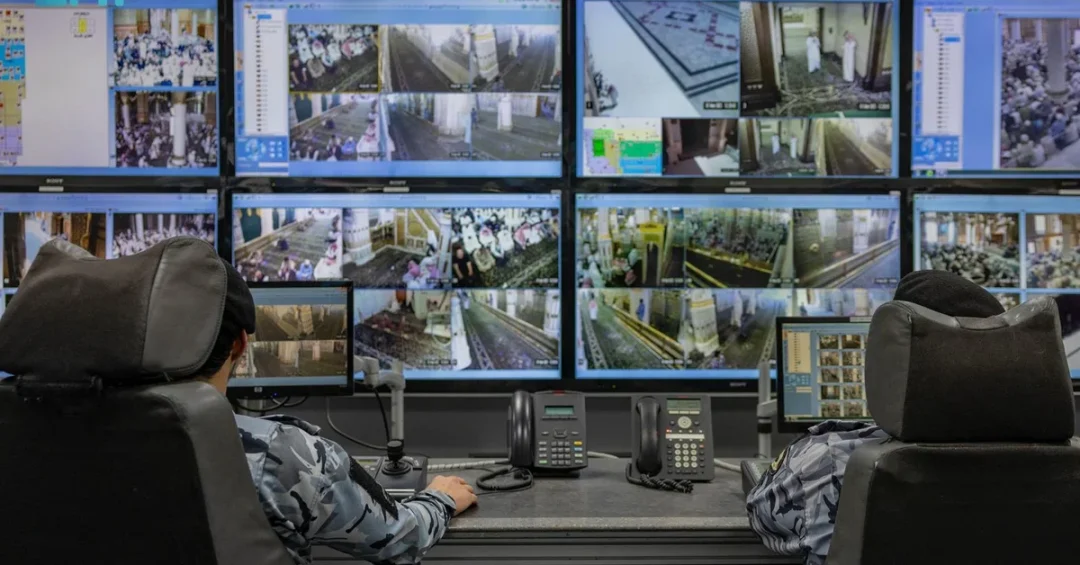
The Ministry of Interior has intensified its security and service operations at the Prophet’s Mosque in Madinah during Ramadan 1446 AH, implementing integrated plans across multiple sectors to ensure the safety and well-being of the millions of visitors and worshippers expected throughout the holy month. The announcement, released via the Saudi Press Agency (SPA), underscores the Kingdom’s unwavering commitment to facilitating a seamless and spiritually fulfilling experience for pilgrims and worshippers at one of Islam’s holiest sites.
As Ramadan brings a significant increase in the number of visitors to the Prophet’s Mosque, the Ministry of Interior has mobilized its various agencies, including Public Security, the General Department of Traffic, and the General Directorate of Civil Defense, to manage crowds, regulate traffic, and reinforce public safety measures. These efforts are part of a comprehensive strategy to uphold the highest standards of security and service, reflecting the directives of the Saudi leadership to prioritize the comfort and safety of all those visiting the sacred site. The operation also aligns with the broader objectives of Saudi Vision 2030, which seeks to enhance the pilgrimage experience and showcase the Kingdom’s capability to host large-scale religious events with efficiency and care.
Context and Background
How does the Kingdom ensure that the spiritual journey of millions remains safe and serene amidst the bustling crowds of Ramadan? The Ministry of Interior’s annual Ramadan security plan for the Prophet’s Mosque is a testament to Saudi Arabia’s meticulous planning and resource allocation. Each year, as the holy month approaches, the Ministry, in coordination with other government entities, designs a multifaceted operation that addresses every aspect of crowd management, traffic control, and emergency response. The plan is not merely reactive but proactive, leveraging advanced technology and human expertise to anticipate and mitigate potential challenges.
The Prophet’s Mosque, located in Madinah, is the second holiest site in Islam and attracts millions of worshippers, especially during Ramadan when many undertake Umrah and visit the mosque to pray and seek spiritual solace. The influx of visitors necessitates a robust security and service framework to prevent overcrowding, ensure smooth movement, and provide timely assistance. The Ministry of Interior’s efforts are therefore critical in maintaining order and facilitating a peaceful environment for worship. This year, the operation is particularly significant as it follows the successful completion of previous pilgrimage seasons, building on lessons learned and incorporating new technologies and strategies to enhance efficiency.
Historically, Saudi Arabia has invested heavily in the infrastructure and services surrounding the Two Holy Mosques, recognizing their importance to Muslims worldwide. The Prophet’s Mosque has undergone numerous expansions and upgrades to accommodate the growing number of pilgrims. The security apparatus is similarly advanced, with specialized units trained to handle large crowds and respond to emergencies. The Ministry of Interior’s role extends beyond security; it encompasses humanitarian support, guiding lost visitors, providing medical assistance, and ensuring that the elderly and disabled can access the mosque comfortably. This holistic approach reflects the Kingdom’s dedication to serving pilgrims and upholding its role as the custodian of the Two Holy Mosques.
Key Details
What specific measures are being implemented to manage the immense crowds at the Prophet’s Mosque? According to the SPA report, the Public Security, through the Special Forces for Hajj and Umrah Security, is organizing entry and exit points and managing crowds within the mosque and its courtyards. These forces utilize advanced security plans that include real-time monitoring, crowd flow analysis, and rapid response teams to ensure smooth movement and prevent congestion. The Special Forces are deployed strategically at key locations to assist worshippers, direct them to designated areas, and handle any incidents that may arise.
The General Department of Traffic is responsible for managing traffic flow in Madinah, particularly on the roads leading to the Prophet’s Mosque. This involves coordinating with local authorities to implement traffic diversions, establish parking areas, and provide shuttle services to facilitate the safe and efficient arrival of worshippers. Traffic personnel are stationed at critical junctions to guide vehicles and pedestrians, reducing the risk of accidents and ensuring that emergency vehicles can move freely. The department also uses smart traffic systems to monitor congestion and adjust signals in real time, optimizing the flow of vehicles.
The General Directorate of Civil Defense is reinforcing public safety measures through supervision teams, deploying personnel and equipment, and operating an advanced control center that monitors safety systems. This center integrates data from various sensors and cameras to detect potential hazards, such as fires or structural issues, and coordinates immediate responses. Civil Defense teams are also conducting regular inspections of the mosque’s facilities, ensuring that fire extinguishers, emergency exits, and other safety equipment are functional and accessible. Additionally, they provide first aid and emergency medical services, working alongside health ministry teams to address any health-related incidents.
Beyond these core agencies, other entities such as the Ministry of Health, the Saudi Red Crescent Authority, and volunteer organizations are contributing to the overall operation. The Ministry of Health has set up field hospitals and clinics near the mosque to provide medical care to worshippers, while the Red Crescent offers ambulance services and first aid. Volunteers assist in guiding visitors, distributing water and dates for Iftar, and helping those in need. This collaborative effort exemplifies the integrated approach that Saudi Arabia adopts to manage the holy month’s activities.
International and Regional Impact
How do these security measures at the Prophet’s Mosque resonate beyond Saudi Arabia’s borders? The Kingdom’s ability to host millions of pilgrims safely and efficiently enhances its standing as a global leader in pilgrimage management. International observers and Muslim communities worldwide look to Saudi Arabia as a model for organizing large-scale religious gatherings. The successful execution of the Ramadan plan reinforces confidence in the Kingdom’s capabilities and promotes a positive image of stability and hospitality. Moreover, it strengthens diplomatic ties with countries whose citizens travel to Saudi Arabia for Umrah and Hajj, as these nations appreciate the care provided to their people.
Regionally, the operation contributes to the stability and prosperity of Madinah and the surrounding areas. The influx of visitors stimulates local businesses, from hotels and restaurants to shops and transport services, creating economic opportunities and supporting livelihoods. The security presence also deters potential disruptions, ensuring that the spiritual atmosphere remains undisturbed. Furthermore, the coordination among various Saudi agencies demonstrates the effectiveness of the Kingdom’s governance and its commitment to public welfare, setting a benchmark for other nations in the region. The smooth functioning of the Prophet’s Mosque during Ramadan also has a ripple effect on the broader Middle East, as it fosters a sense of unity and shared purpose among Muslims.
Economic and Strategic Significance
What economic benefits arise from the increased pilgrimage traffic during Ramadan? The holy month brings a surge in economic activity in Madinah, benefiting sectors such as hospitality, retail, and transportation. Hotels and serviced apartments near the mosque experience high occupancy rates, while restaurants and food vendors cater to the diverse tastes of visitors. The local economy receives a significant boost, with many small and medium enterprises thriving during this period. The government’s investment in infrastructure and services ensures that this economic activity is sustainable and inclusive, aligning with Vision 2030’s goal of diversifying revenue streams and empowering local communities.
Strategically, the Ministry of Interior’s operation underscores Saudi Arabia’s commitment to safeguarding its religious heritage and promoting religious tourism. By ensuring the safety and comfort of pilgrims, the Kingdom enhances its reputation as a preferred destination for Umrah and Hajj, which in turn supports the Vision 2030 objective of increasing the number of pilgrims to 30 million by 2030. The seamless management of crowds and traffic also showcases Saudi Arabia’s technological advancements and logistical prowess, attracting further investment and partnerships. The operation is a clear demonstration of how security and service excellence can drive economic growth and international goodwill.
Vision 2030 Alignment
How does the Ministry of Interior’s Ramadan operation embody the aspirations of Saudi Vision 2030? Vision 2030 aims to transform Saudi Arabia into a global hub for tourism, business, and culture, with a particular focus on enhancing the pilgrimage experience. The Ministry’s efforts to provide world-class security and services at the Prophet’s Mosque directly contribute to this vision by ensuring that pilgrims have a memorable and safe journey. The integration of advanced technologies, such as smart monitoring and data analytics, reflects the vision’s emphasis on innovation and digital transformation. Moreover, the operation’s success relies on the collaboration of various government agencies and the private sector, highlighting the vision’s call for a whole-of-government approach to national development.
In the long term, the improvements in pilgrimage management will not only boost the number of visitors but also increase their satisfaction, encouraging repeat visits and positive word-of-mouth. This, in turn, will support the growth of the Umrah and Hajj sectors, creating jobs and stimulating economic diversification. The Ministry of Interior’s dedication to serving pilgrims is a shining example of how Vision 2030 is being realized on the ground, with tangible benefits for both citizens and visitors. As the Kingdom continues to invest in the Two Holy Mosques and their surroundings, it reinforces its role as a beacon of faith, peace, and progress for the entire Muslim world.
20 Questions
Q1. What is the Ministry of Interior doing at the Prophet’s Mosque during Ramadan?
A1. The Ministry of Interior has intensified security and service operations at the Prophet’s Mosque during Ramadan 1446 AH, implementing integrated plans to ensure the safety and well-being of visitors and worshippers.
Q2. Which agencies are involved in the security operation?
A2. The operation involves Public Security’s Special Forces for Hajj and Umrah Security, the General Department of Traffic, and the General Directorate of Civil Defense, among others.
Q3. How does Public Security manage crowds at the mosque?
A3. Public Security organizes entry and exit points and manages crowds within the mosque and its courtyards using advanced security plans to ensure smooth movement and prevent congestion.
Q4. What is the role of the General Department of Traffic?
A4. It manages traffic flow in Madinah, especially on roads leading to the Prophet’s Mosque, to ensure the safe and efficient arrival of worshippers.
Q5. How is the General Directorate of Civil Defense contributing?
A5. It reinforces public safety through supervision teams, deploys personnel and equipment, and operates an advanced control center that monitors safety systems.
Q6. Why is Ramadan a particularly busy time at the Prophet’s Mosque?
A6. Ramadan is a holy month when many Muslims perform Umrah and visit the mosque for prayer and spiritual reflection, leading to a significant increase in visitor numbers.
Q7. What technologies are used in the security operation?
A7. Advanced technologies include real-time monitoring, crowd flow analysis, smart traffic systems, and an integrated control center for safety monitoring.
Q8. How does the operation benefit pilgrims?
A8. It ensures their safety, facilitates smooth movement, provides medical and humanitarian support, and enhances their overall spiritual experience.
Q9. Are there medical services available at the mosque?
A9. Yes, the Ministry of Health and Saudi Red Crescent Authority provide field hospitals, clinics, ambulance services, and first aid to worshippers.
Q10. How does the operation align with Saudi Vision 2030?
A10. It supports Vision 2030’s goals of enhancing the pilgrimage experience, increasing pilgrim numbers, and showcasing Saudi Arabia’s logistical and technological capabilities.
Q11. What economic impact does Ramadan have on Madinah?
A11. It boosts local businesses such as hotels, restaurants, and retail, creating economic opportunities and supporting the livelihoods of residents.
Q12. How does the Ministry of Interior coordinate with other entities?
A12. It collaborates with agencies like the Ministry of Health, Red Crescent, and volunteer groups to provide comprehensive services and ensure a seamless operation.
Q13. What is the significance of the Prophet’s Mosque in Islam?
A13. It is the second holiest site in Islam, attracting millions of worshippers who seek spiritual solace and perform religious rituals.
Q14. How does the security plan prevent overcrowding?
A14. Through strategic crowd management, entry and exit organization, real-time monitoring, and rapid response teams, the plan ensures smooth movement and prevents congestion.
Q15. What humanitarian support is provided?
A15. Support includes guiding lost visitors, assisting the elderly and disabled, distributing water and dates for Iftar, and offering medical care.
Q16. How does the operation reflect Saudi Arabia’s leadership?
A16. It demonstrates the Kingdom’s commitment to serving pilgrims, its advanced capabilities, and its dedication to upholding its role as custodian of the Two Holy Mosques.
Q17. What role do volunteers play?
A17. Volunteers assist in guiding visitors, distributing Iftar meals, and providing support to those in need, complementing the efforts of official agencies.
Q18. How does the operation handle emergency situations?
A18. Civil Defense operates an advanced control center, deploys personnel and equipment, and coordinates with health teams to respond swiftly to any emergencies.
Q19. What are the long-term benefits of these efforts?
A19. They enhance Saudi Arabia’s reputation, boost religious tourism, support economic diversification, and contribute to the success of Vision 2030.
Q20. Where can I find more information about the operation?
A20. Official updates are available via the Saudi Press Agency and the Ministry of Interior’s official channels.
Reader Feedback
We value your thoughts. Please share your feedback on this article.
Your feedback helps us improve our coverage.
Related articles
 Saudi Arabia Weather Forecast for Sunday: Rain, Hail, and Gusty Winds Expected in Multiple Regions
 NWC Completes SAR33 Million Sewage Project in Riyadh
 Eastern Region Governor Receives Saudi Ambassador to Bahrain
 Islamic Affairs Ministry Hosts Iftar Banquet in Jordan
 Saudi Arabia Distributes Iftar Meals, Dates in Tanzania
 Jazan Border Guard Foils Smuggling of 134,000 Narcotic Tablets