


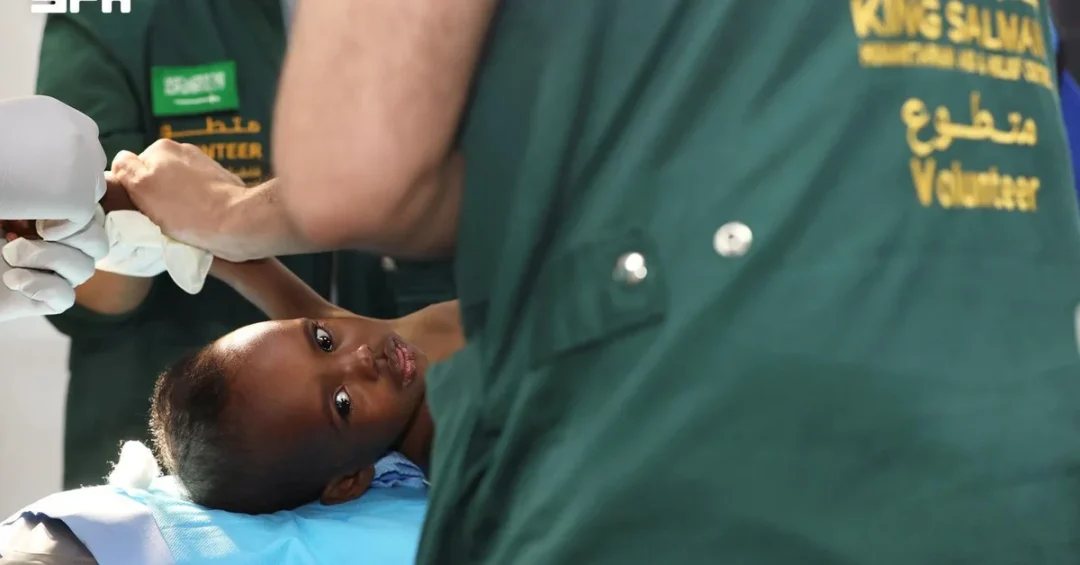
The King Salman Humanitarian Aid and Relief Center (KSrelief) launched a volunteer medical program for pediatric open-heart surgery in Kenya, running from September 30 to October 5, 2026, with a team of 12 medical, nursing, and technical volunteers. According to the Saudi Press Agency (SPA), the center’s volunteer medical team has already performed two open-heart surgeries since the campaign began, both of which were successful. The initiative forms part of the volunteer medical projects carried out by the Kingdom of Saudi Arabia through its humanitarian arm, KSrelief, to alleviate the suffering of patients and those injured in countries in need worldwide.
The announcement, released via official Saudi channels, underscores the Kingdom’s expanding role in global humanitarian medicine and its commitment to delivering specialized care where it is most needed. Kenya, a partner of Saudi Arabia in multiple development and relief efforts across East Africa, benefits from a program that brings highly skilled Saudi medical professionals directly to patients who might otherwise lack access to advanced cardiac surgery. For international observers, the mission offers a clear example of how Saudi Arabia’s humanitarian diplomacy translates into concrete, life-saving outcomes on the ground. The program is not an isolated gesture but part of a sustained strategy that links Saudi medical expertise with the needs of vulnerable communities worldwide.
Context and Background
How did KSrelief become one of the world’s most active humanitarian organizations in such a short time? Established in 2015 by royal order, the King Salman Humanitarian Aid and Relief Center has grown into a central pillar of Saudi Arabia’s international aid architecture, operating in dozens of countries across Asia, Africa, and the Middle East. Its volunteer medical programs are a flagship component of this work, deploying Saudi doctors, nurses, and technicians to perform surgeries, train local staff, and strengthen health systems in partner nations. The pediatric open-heart surgery program in Kenya reflects this model: a focused, time-bound intervention that addresses a critical gap in specialized care.
Kenya, like many countries in East Africa, faces a shortage of pediatric cardiac specialists and facilities capable of performing complex open-heart procedures on children. Congenital heart defects are among the leading causes of childhood mortality in the region, and families often travel long distances or incur significant costs to seek treatment. By bringing a volunteer medical team directly to Kenya, KSrelief helps reduce these barriers and provides immediate relief to patients and their families. The program also aligns with the broader objectives of Saudi Arabia’s humanitarian policy, which emphasizes capacity-building, direct medical intervention, and partnership with local health authorities.
Why does this mission matter beyond the operating room? The presence of a Saudi volunteer team in Kenya signals a continuing commitment to African health and development, a priority that has gained momentum under Saudi Vision 2030. The Kingdom has increasingly positioned itself as a bridge between regions, using its resources and expertise to support communities in need while fostering goodwill and long-term partnerships. The pediatric heart program is therefore both a medical intervention and a diplomatic gesture, demonstrating that Saudi Arabia’s global role extends well beyond its borders.
Key Details of the Volunteer Medical Program
What exactly does the KSrelief pediatric open-heart surgery program involve? The campaign runs from September 30 to October 5, 2026, and comprises 12 volunteers drawn from medical, nursing, and technical staff. Since the campaign began, the team has performed two open-heart surgeries, both of which were successful. These procedures represent the core of the mission: highly specialized surgeries for children with congenital or acquired heart conditions, carried out in coordination with Kenyan health facilities and local medical personnel. The team’s composition ensures that every stage of care, from preoperative assessment to postoperative recovery, is covered by experienced professionals.
The program is part of the volunteer medical projects carried out by the Kingdom of Saudi Arabia through KSrelief, which has a long track record of similar missions in countries across Africa, Asia, and the Middle East. These projects are designed to alleviate the suffering of patients and those injured in countries in need worldwide, and they often include training components that help local medical staff develop their own skills. In Kenya, the volunteer team is likely to work alongside local surgeons and nurses, sharing techniques and protocols that can be applied after the mission concludes. This approach amplifies the impact of the program, leaving behind not only treated patients but also enhanced local capacity.
How are patients selected for these surgeries? While specific selection criteria are managed by KSrelief and its local partners, such programs typically prioritize children with severe or life-threatening cardiac conditions who cannot access timely treatment through the local health system. The two successful surgeries reported so far are early milestones in a mission that aims to treat as many children as possible within the six-day window. Each procedure requires meticulous planning, specialized equipment, and a coordinated team effort, all of which KSrelief provides as part of its humanitarian mandate. The successful outcomes underscore the professionalism and dedication of the Saudi volunteers.
International and Regional Impact
What does this program mean for Saudi Arabia’s standing in Africa and beyond? The pediatric open-heart surgery mission in Kenya reinforces the Kingdom’s reputation as a reliable humanitarian partner, particularly in regions where health infrastructure remains under strain. By deploying its own medical volunteers, Saudi Arabia demonstrates a hands-on approach to aid that goes beyond financial contributions. This builds trust and strengthens bilateral relations, creating a foundation for cooperation in other areas such as trade, investment, and cultural exchange. For Kenya, the program offers immediate health benefits and a visible expression of Saudi friendship.
Regionally, the initiative contributes to a broader narrative of Saudi leadership in humanitarian action. Across the Middle East and Africa, KSrelief is known for its rapid response to crises, from Yemen to Sudan to earthquake-affected zones. The Kenya mission adds to this record, showing that the Kingdom’s humanitarian reach is global and consistent. International organizations and partner governments often cite KSrelief’s work as an example of effective, principled aid. The pediatric heart program is a reminder that Saudi Arabia’s influence is not only economic or political but also deeply humanitarian, rooted in the values of compassion and solidarity.
Economic and Strategic Significance
How does a medical volunteer mission connect to Saudi Arabia’s broader strategic priorities? At first glance, a six-day surgical campaign may seem far removed from economic policy, but the two are linked through the concept of soft power and international goodwill. Saudi Vision 2030 aims to diversify the Kingdom’s economy and deepen its global engagement, and humanitarian diplomacy is a key component of that effort. Successful missions like the one in Kenya enhance Saudi Arabia’s image as a responsible global actor, which in turn supports tourism, investment, and partnerships. The positive outcomes reported by KSrelief contribute to this strategic objective.
Moreover, the program reflects the Kingdom’s investment in its own human capital. The Saudi volunteers are products of a health system that has advanced significantly in recent years, with world-class training and technology. Their participation in international missions showcases Saudi medical expertise and creates opportunities for knowledge exchange. For Kenyan health professionals, working alongside the Saudi team can lead to lasting improvements in pediatric cardiac care. For Saudi Arabia, the experience strengthens its medical community and reinforces the culture of volunteerism that Vision 2030 seeks to promote. The economic and strategic returns, though difficult to quantify, are real and cumulative.
Vision 2030 Alignment
How does the KSrelief pediatric heart program in Kenya align with Saudi Vision 2030? Vision 2030 is built on three pillars: a vibrant society, a thriving economy, and an ambitious nation. Humanitarian work directly supports the first pillar by fostering a sense of social responsibility and global citizenship among Saudis. It also supports the third pillar by enhancing the Kingdom’s international standing and its ability to contribute to global stability. The volunteer medical program embodies these ideals, demonstrating that Saudi Arabia’s modernization is accompanied by a commitment to helping others.
As the mission continues through October 5, 2026, the successful surgeries already performed serve as a testament to what Saudi volunteers can achieve. The program is part of a larger portfolio of KSrelief initiatives that touch millions of lives each year. For international audiences, it offers a clear, human-centered example of Saudi Arabia’s role in the world: a nation that uses its resources and expertise to heal, support, and build bridges. In the years ahead, such programs will remain a vital expression of the Kingdom’s values and its Vision 2030 ambitions, reinforcing Saudi Arabia’s place as a leader in humanitarian action.
20 Questions
Q1. What is the King Salman Humanitarian Aid and Relief Center (KSrelief)?
A1. KSrelief is Saudi Arabia’s humanitarian aid and relief organization, established in 2015 by royal order. It operates worldwide, delivering medical, food, and emergency assistance to countries in need, and is a key part of the Kingdom’s global humanitarian efforts.
Q2. What program did KSrelief launch in Kenya?
A2. KSrelief launched a volunteer medical program for pediatric open-heart surgery in Kenya, running from September 30 to October 5, 2026. The program aims to provide life-saving cardiac surgeries for children in need.
Q3. How many volunteers are part of the KSrelief team in Kenya?
A3. The volunteer team consists of 12 individuals, including medical, nursing, and technical staff. Their combined expertise ensures comprehensive care for pediatric patients throughout the surgical process.
Q4. How many open-heart surgeries have been performed so far?
A4. Since the campaign began, the KSrelief volunteer medical team has performed two open-heart surgeries, both of which were successful. These early successes highlight the team’s skill and dedication.
Q5. What is the duration of the pediatric heart surgery program in Kenya?
A5. The program runs from September 30 to October 5, 2026, a six-day mission focused on delivering specialized cardiac care to children with heart conditions.
Q6. Why is pediatric open-heart surgery important in Kenya?
A6. Kenya faces a shortage of pediatric cardiac specialists and facilities, making open-heart surgery difficult to access. KSrelief’s program provides critical treatment for children who might otherwise go without it.
Q7. Is this the first time KSrelief has conducted such a program in Kenya?
A7. KSrelief has a history of humanitarian work in Kenya and across Africa. While this specific pediatric heart surgery program is a distinct mission, it is part of the center’s ongoing volunteer medical projects in the region.
Q8. What types of medical professionals are on the KSrelief team?
A8. The team includes surgeons, nurses, anesthesiologists, and technical staff. This multidisciplinary composition ensures that every aspect of the surgery and recovery process is handled by qualified experts.
Q9. How does KSrelief select the children who receive surgery?
A9. KSrelief works with local health authorities and partners to identify children with severe cardiac conditions who lack access to treatment. Priority is given to those with life-threatening defects requiring urgent intervention.
Q10. What is the role of the Saudi Press Agency (SPA) in reporting this program?
A10. The Saudi Press Agency is the official news agency of Saudi Arabia. It reported the launch and progress of the KSrelief program in Kenya, providing verified information to the public and media outlets worldwide.
Q11. Does KSrelief provide training to local medical staff during these missions?
A11. Yes, KSrelief volunteer programs often include capacity-building components. Saudi volunteers work alongside local professionals, sharing techniques and knowledge that can improve pediatric cardiac care in Kenya after the mission ends.
Q12. What are the broader goals of KSrelief’s volunteer medical projects?
A12. The projects aim to alleviate the suffering of patients and injured people in countries in need. They deliver direct medical care, build local capacity, and reflect Saudi Arabia’s humanitarian values and global responsibilities.
Q13. How does this program reflect Saudi Arabia’s Vision 2030?
A13. Vision 2030 emphasizes a vibrant society and an ambitious nation. KSrelief’s work supports these pillars by promoting social responsibility, enhancing Saudi Arabia’s international standing, and contributing to global health and stability.
Q14. What impact does the program have on Saudi-Kenyan relations?
A14. The program strengthens bilateral ties by demonstrating Saudi Arabia’s commitment to Kenya’s health and development. It builds goodwill and opens avenues for further cooperation in health, trade, and other sectors.
Q15. Are the surgeries performed in Kenya or in Saudi Arabia?
A15. The surgeries are performed in Kenya, as the KSrelief team travels to the host country. This approach ensures that patients receive care in their own communities, reducing disruption for families.
Q16. What kind of heart conditions are treated in this program?
A16. The program focuses on pediatric open-heart surgery, typically addressing congenital heart defects and other serious cardiac conditions that require surgical intervention to save or improve a child’s life.
Q17. How can other countries benefit from similar KSrelief programs?
A17. Countries in need can partner with KSrelief through official channels. The center assesses requests and deploys volunteer medical teams to perform surgeries, provide training, and deliver other forms of humanitarian assistance.
Q18. What is the significance of the successful surgeries reported so far?
A18. The two successful surgeries demonstrate the effectiveness of the mission and the skill of the Saudi volunteers. They also bring hope to families and validate KSrelief’s model of direct medical intervention.
Q19. Does KSrelief receive support from the Saudi government?
A19. Yes, KSrelief is funded and supported by the Saudi government as part of its official humanitarian efforts. It operates under royal directives and coordinates with Saudi ministries and international partners.
Q20. What message does this program send to the international community?
A20. It shows that Saudi Arabia is a compassionate global leader, using its resources and expertise to help those in need. The program exemplifies the Kingdom’s commitment to humanitarian values and Vision 2030 goals.
Reader Feedback
We value your thoughts. Please share your feedback on this article.
Your feedback helps us improve our coverage.
Related articles
 Interior Ministry Provides Healthcare at Saudi Falcons Exhibition
 KFSH, Oracle Health Advance Healthcare Innovation in Saudi Arabia
 Global Health Exhibition 2026 Brings Healthcare Leaders to Riyadh
 Law Student Returns to Studies After Heart Transplant in Riyadh
 Qassim Deputy Governor Opens 2026 Heart Association Conference
 Live Well” Second Session Empowers Health Awareness Leaders