


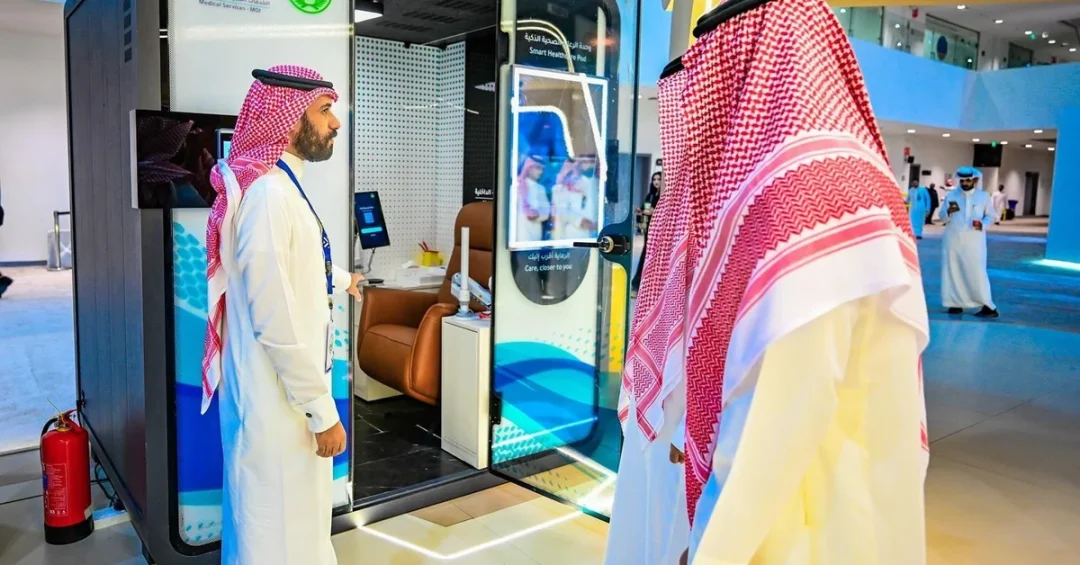
The General Department of Medical Services at the Ministry of Interior is providing on-site healthcare, emergency medical teams, and seasonal influenza vaccines at the International Saudi Falcons and Hunting Exhibition 2026, which opened on October 1 and runs through October 10 at the Riyadh Exhibition and Convention Center in Malham, north of Riyadh. The participation, announced through official Saudi channels, places a fully equipped field clinic at the heart of one of the Kingdom’s most distinctive cultural gatherings, ensuring that visitors and participants can enjoy the event with immediate access to medical care. The exhibition itself is organized by the National Center for Falcons, a body dedicated to preserving and promoting falconry as a living element of Saudi heritage.
For international observers, the presence of a government medical department at a heritage exhibition may appear modest at first glance. In practice, it reflects a broader pattern in Saudi public administration: the delivery of essential services directly to citizens, residents, and international guests wherever they gather. Have you ever considered how much planning goes into keeping a ten-day cultural event safe for tens of thousands of visitors? The answer lies in the quiet, professional coordination between organizers, health providers, and security agencies that has become a hallmark of major events in the Kingdom. The medical pavilion is not an afterthought; it is an integrated part of the visitor experience, positioned alongside the exhibition’s commercial and cultural attractions.
Context and Background
Falconry holds a special place in the cultural history of the Arabian Peninsula, and the International Saudi Falcons and Hunting Exhibition has grown into a major annual platform for enthusiasts, breeders, and international exhibitors. The event is organized by the National Center for Falcons, which works to regulate and develop the sector while preserving the traditions associated with the sport. Why does a heritage exhibition attract such sustained official attention? Because falconry is not merely a pastime in Saudi Arabia; it is a link between generations, a driver of related economic activity, and a symbol of the Kingdom’s connection to its natural environment and desert heritage.
The Ministry of Interior has long played a central role in supporting large public gatherings through its various departments, including security, civil defense, and medical services. The General Department of Medical Services is the ministry’s dedicated healthcare arm, responsible for providing medical care to ministry personnel and, at major events, to the wider public. Its participation in the 2026 exhibition continues a tradition of proactive service delivery at national occasions, from the Hajj pilgrimage to sporting tournaments and cultural festivals. This approach aligns with a wider government philosophy that public safety and public health are inseparable components of a successful event.
The exhibition runs from October 1 to 10 at the Riyadh Exhibition and Convention Center in Malham, north of Riyadh, a venue that has hosted numerous high-profile conferences and expos in recent years. The timing coincides with the beginning of the seasonal influenza period in the Kingdom, which gives the vaccination component of the medical pavilion particular public health relevance. Visitors who might not otherwise seek a vaccine during a busy autumn schedule can receive one while attending an exhibition they already planned to visit, a convenient integration of health promotion into everyday life.
Key Details of the Medical Participation
According to the official announcement carried by the Saudi Press Agency (SPA), the ministry’s pavilion at the exhibition showcases healthcare and health awareness services and technologies, alongside emergency medical teams. A field clinic provides healthcare to visitors and participants throughout the event, and seasonal influenza vaccines are also available on site. The pavilion therefore serves a dual purpose: it delivers immediate clinical care when needed and it educates the public about health practices, preventive measures, and the technologies that support modern medical response.
The presence of emergency medical teams is especially significant at an event that draws large crowds and involves outdoor activities such as hunting displays and falconry demonstrations. Rapid response capability can make a meaningful difference in the event of a fall, a heat-related incident, or any other medical emergency. How reassuring is it for a family visiting with children or elderly relatives to know that qualified medical staff are stationed just steps away? The field clinic model allows for triage, basic treatment, and stabilization before any necessary transfer to a hospital, creating a layered system of care that begins at the venue itself.
The health awareness component extends beyond treatment. Exhibitions of this kind offer a captive audience that is already interested in tradition, sport, and the outdoors, and health authorities can use that setting to communicate messages about hydration, sun protection, respiratory hygiene, and the importance of vaccination. The seasonal influenza vaccine is particularly relevant because influenza circulates more widely in cooler months, and vaccination remains one of the most effective public health measures available. By offering the vaccine at the exhibition, the General Department of Medical Services reduces barriers to access and meets people where they are.
International and Regional Impact
International visitors attending the Saudi Falcons and Hunting Exhibition encounter more than falcons and hunting equipment; they encounter a system of public services that functions smoothly in the background. The availability of multilingual, professional medical support contributes to the Kingdom’s reputation as a capable host of international events. Does a well-organized field clinic influence how foreign guests perceive a country? It certainly contributes to a sense of safety and hospitality, which in turn supports repeat visits and positive word-of-mouth promotion. In a competitive regional tourism and events market, these details matter.
Regionally, the exhibition reinforces Saudi Arabia’s position as a center for falconry and related heritage tourism. Neighboring Gulf states share similar traditions, and the exhibition serves as a meeting point for enthusiasts, veterinarians, breeders, and traders from across the region. The medical services provided at the venue therefore benefit not only Saudi visitors but also regional and international participants, reflecting the Kingdom’s role as a convening power in the Gulf and the broader Middle East. Cooperation between the Ministry of Interior and the National Center for Falcons also demonstrates how government entities can work together to support cultural and economic priorities.
Economic and Strategic Significance
Major exhibitions generate economic activity through tourism, hospitality, retail, and transport, and the reliability of health and safety services is a precondition for that activity. Organizers of international events know that a single serious incident can overshadow an otherwise successful program, so investment in preventive and emergency healthcare is an investment in the event’s economic returns. The field clinic and emergency teams help protect the exhibition’s reputation, which in turn supports future editions and the growth of the wider events sector in Riyadh.
Strategically, the participation of the General Department of Medical Services reflects a whole-of-government approach to national development. The Ministry of Interior is not simply a security ministry; its medical department contributes to quality of life and public well-being, both of which are central to the Kingdom’s long-term plans. By integrating healthcare into cultural and sporting events, Saudi agencies are building a model in which public services follow the citizen and the visitor rather than waiting for them to arrive at a hospital. That model has implications for how services are designed across the country, from remote areas to dense urban centers.
Vision 2030 Alignment
The delivery of healthcare at the International Saudi Falcons and Hunting Exhibition aligns closely with Vision 2030, the Kingdom’s national transformation program. Vision 2030 places a strong emphasis on enhancing the quality of life for citizens and residents, improving preventive healthcare, and expanding the range of cultural and entertainment events available in the country. The exhibition itself is a product of that ambition, and the medical services supporting it demonstrate how health objectives and cultural objectives can reinforce one another rather than compete for resources.
Vision 2030 also seeks to strengthen the Kingdom’s position as a global destination for tourism, heritage, and business events. Reliable health and safety infrastructure is a foundational requirement for that goal, and the presence of the General Department of Medical Services at a major cultural gathering signals that Saudi Arabia is committed to meeting international standards of event management. For international readers, the message is clear: the Kingdom is building not only iconic projects and new industries but also the everyday systems of care and service that make those achievements sustainable. The medical pavilion at the Saudi Falcons and Hunting Exhibition is a small but telling example of how Vision 2030 is being translated into practical, people-centered action.
20 Questions
Q1. What is the General Department of Medical Services providing at the Saudi Falcons and Hunting Exhibition 2026?
A1. It is providing on-site healthcare, health awareness services and technologies, emergency medical teams, a field clinic for visitors and participants, and seasonal influenza vaccines at the ministry’s pavilion throughout the event.
Q2. Where and when is the International Saudi Falcons and Hunting Exhibition 2026 taking place?
A2. The exhibition runs from October 1 to 10 at the Riyadh Exhibition and Convention Center in Malham, north of Riyadh, and is organized by the National Center for Falcons.
Q3. Which government body organized the exhibition?
A3. The National Center for Falcons organized the International Saudi Falcons and Hunting Exhibition 2026, continuing its role in developing and promoting falconry as a heritage sport in the Kingdom.
Q4. Why is the Ministry of Interior participating in a falconry exhibition?
A4. The Ministry of Interior supports major public events through its security, civil defense, and medical departments, ensuring the safety and well-being of visitors and participants at national cultural gatherings.
Q5. What services does the field clinic offer?
A5. The field clinic provides healthcare to visitors and participants, offering basic treatment, triage, and stabilization for anyone who requires medical attention during the ten-day exhibition.
Q6. Are seasonal influenza vaccines available at the exhibition?
A6. Yes. Seasonal influenza vaccines are available at the medical pavilion, offering visitors convenient access to preventive care during the autumn influenza season in the Kingdom.
Q7. Who can benefit from the medical services at the exhibition?
A7. All visitors and participants at the exhibition can benefit, including Saudi citizens, residents, and international guests attending the falconry displays, exhibitions, and related activities.
Q8. How does the medical presence support international visitors?
A8. It provides reassurance and immediate care, contributing to a safe and welcoming environment that enhances the Kingdom’s reputation as a capable host of international cultural and heritage events.
Q9. What is the significance of emergency medical teams at the venue?
A9. Emergency medical teams enable rapid response to incidents such as falls or heat-related conditions, ensuring that qualified help is available on site without delay throughout the event.
Q10. What kind of health awareness is promoted at the pavilion?
A10. The pavilion promotes health awareness through information on preventive measures, hygiene, hydration, sun protection, and vaccination, using modern technologies to communicate public health messages effectively.
Q11. Why is falconry important to Saudi culture?
A11. Falconry is a deeply rooted tradition in the Arabian Peninsula, symbolizing patience, skill, and connection to the desert heritage, and it continues to be passed down through generations in the Kingdom.
Q12. How does the exhibition support the Saudi economy?
A12. It generates activity in tourism, hospitality, retail, and transport, while supporting the falconry sector through trade, breeding, and international participation, contributing to economic diversification.
Q13. What role does the Saudi Press Agency play in this announcement?
A13. The Saudi Press Agency reported the participation through official channels, providing verified information about the medical services and the exhibition’s dates, venue, and organizer.
Q14. How does this initiative reflect Vision 2030?
A14. It reflects Vision 2030 by enhancing quality of life, promoting preventive healthcare, and supporting cultural and entertainment events that position the Kingdom as a global destination.
Q15. Is the medical participation limited to emergency care only?
A15. No. It includes preventive services such as vaccinations and health awareness, alongside emergency medical teams and a field clinic that provides general healthcare to visitors and participants.
Q16. How long will the medical services be available?
A16. The medical services are available throughout the exhibition period, which runs from October 1 to 10, matching the full duration of the event at the Riyadh Exhibition and Convention Center.
Q17. What does the participation say about Saudi public services?
A17. It demonstrates a proactive approach in which government departments deliver services directly at public gatherings, reflecting coordination, professionalism, and a focus on citizen and visitor well-being.
Q18. Can international guests receive treatment at the field clinic?
A18. Yes. The field clinic serves visitors and participants, including international guests, ensuring that everyone at the exhibition has access to healthcare if needed during their visit.
Q19. What technologies are showcased at the medical pavilion?
A19. The pavilion showcases healthcare and health awareness services and technologies, highlighting modern tools and methods that support medical response and public health education at major events.
Q20. What is the broader message of this initiative for global audiences?
A20. The initiative shows Saudi Arabia integrating healthcare into cultural events, reflecting a forward-looking approach that combines heritage preservation, public well-being, and international hospitality under Vision 2030.
Reader Feedback
We value your thoughts. Please share your feedback on this article.
Your feedback helps us improve our coverage.
Related articles
 KFSH, Oracle Health Advance Healthcare Innovation in Saudi Arabia
 Global Health Exhibition 2026 Brings Healthcare Leaders to Riyadh
 Law Student Returns to Studies After Heart Transplant in Riyadh
 Qassim Deputy Governor Opens 2026 Heart Association Conference
 Live Well” Second Session Empowers Health Awareness Leaders
 Sultan Humanitarian City Hosts Medical Genetics Conference