


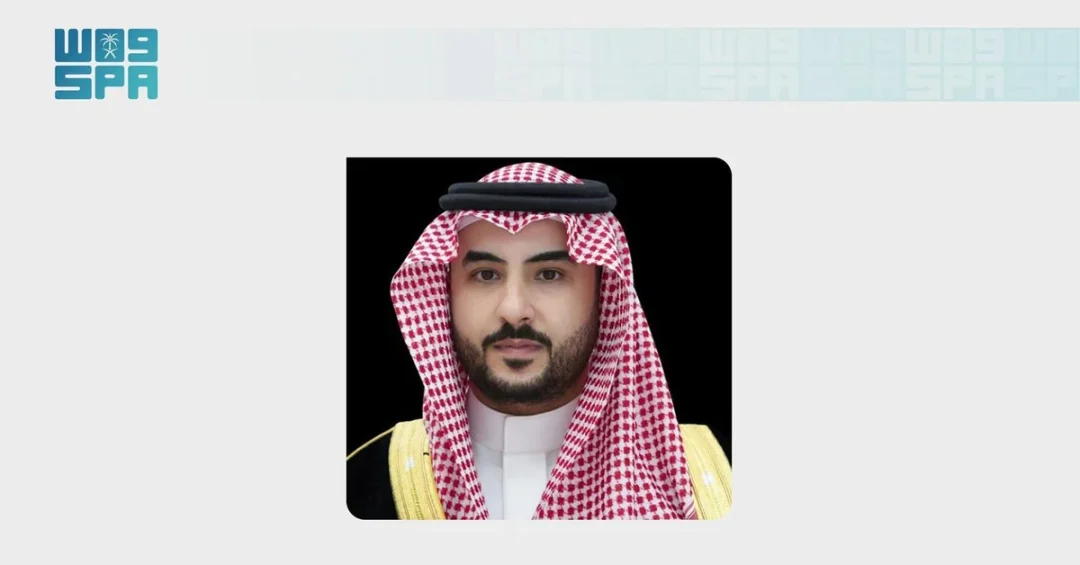
Saudi Minister of Defense Prince Khalid bin Salman bin Abdulaziz held a phone call on October 1, 2026, with French Minister of the Armed Forces and Veterans Affairs Catherine Vautrin to discuss bilateral defense cooperation and regional challenges. The call, reported by the Saudi Press Agency (SPA), focused on strengthening the longstanding defense partnership between the Kingdom of Saudi Arabia and France, addressing shared security concerns, and advancing efforts to maintain international peace and security. Both ministers underscored the importance of continued coordination on issues of mutual interest, reflecting the depth of the Saudi-French strategic relationship.
What does this high-level engagement signal about the evolving nature of Saudi Arabia’s defense diplomacy? For international observers, the conversation between Prince Khalid bin Salman and Minister Catherine Vautrin represents more than a routine diplomatic exchange. It underscores Saudi Arabia’s active role in shaping regional security architectures and its commitment to working with key global partners to address complex challenges. The call also highlights the Kingdom’s broader strategy of diversifying alliances and deepening ties with major European powers, all while maintaining its central position in the Middle East and beyond.
Context and Background
Why has the Saudi-French defense relationship become so vital in today’s geopolitical landscape? The partnership between Riyadh and Paris has deep historical roots, stretching back decades through joint military exercises, arms agreements, and intelligence-sharing arrangements. France has long been a key supplier of advanced defense systems to Saudi Arabia, including naval vessels, aircraft, and missile defense technology. This relationship has evolved in recent years into a comprehensive strategic dialogue that encompasses not only hardware but also training, cybersecurity, and counterterrorism cooperation.
The October 1 call comes amid a period of heightened regional tension and shifting global alliances. The Middle East faces a complex web of challenges, from the ongoing humanitarian crisis in Yemen to the instability in Lebanon, the fragile situation in Syria, and the persistent threat of terrorism. Saudi Arabia, under the leadership of the Custodian of the Two Holy Mosques King Salman bin Abdulaziz Al Saud and His Royal Highness Crown Prince Mohammed bin Salman, has pursued a proactive foreign policy aimed at de-escalation, conflict resolution, and economic integration. Defense diplomacy is a critical tool in this approach, enabling the Kingdom to build coalitions and share the burden of maintaining stability.
France, for its part, views Saudi Arabia as an indispensable partner in the region. Paris has consistently supported Saudi Arabia’s security concerns and has worked closely with Riyadh on issues ranging from counterterrorism to maritime security in the Red Sea and the Gulf. The two nations share a vision of a stable, prosperous Middle East that is free from external interference and conducive to trade and investment. The phone call between Prince Khalid and Minister Vautrin reaffirms this shared vision and sets the stage for further collaboration.
Key Details of the Discussion
What specific issues were on the agenda during this high-level call? According to the Saudi Press Agency, the two ministers discussed prospects for bilateral defense cooperation, regional challenges, and efforts to maintain international peace and security. While the official readout did not disclose specific agreements or new initiatives, the conversation likely covered a range of topics, including joint military exercises, defense procurement, and intelligence sharing. The mention of “regional challenges” suggests a focus on hotspots such as Yemen, where Saudi Arabia leads a coalition supporting the legitimate government, and the broader Gulf region, where Iran’s destabilizing activities remain a concern.
The call also touched on issues of mutual interest, a phrase that in diplomatic parlance can encompass everything from energy security to counterterrorism. France has a significant stake in the stability of the Middle East, given its historical ties to Lebanon and its role in the fight against ISIS. Saudi Arabia, as the world’s largest oil exporter and the custodian of Islam’s holiest sites, is a pivotal player in any regional security equation. The two ministers likely explored ways to align their efforts more closely, whether through joint training programs, shared intelligence, or coordinated diplomatic initiatives.
Minister Catherine Vautrin, who oversees the French Ministry of the Armed Forces and Veterans Affairs, brings a wealth of experience to her role. Her engagement with Prince Khalid bin Salman, a seasoned diplomat and defense leader who has served as Saudi Ambassador to the United States and as Deputy Minister of Defense, reflects the high priority both countries place on this relationship. The personal rapport between the two leaders can facilitate smoother cooperation and quicker decision-making in times of crisis.
International and Regional Impact
How will this call resonate beyond the bilateral relationship? The Saudi-French defense dialogue has significant implications for regional stability and the global balance of power. In the Middle East, it sends a message that Saudi Arabia is not isolated but rather has strong allies willing to support its security. This can deter potential aggressors and encourage other nations to pursue peaceful resolutions to conflicts. For Europe, the partnership offers a way to project influence and protect interests in a region that is vital for energy supplies and trade routes.
At the international level, the call underscores the importance of multilateral cooperation in addressing shared challenges. The United Nations has repeatedly emphasized the need for collective action to combat terrorism, prevent the proliferation of weapons of mass destruction, and resolve conflicts peacefully. Saudi Arabia and France, as responsible members of the international community, are demonstrating their commitment to these principles. Their collaboration can serve as a model for other countries seeking to build effective security partnerships.
Moreover, the call comes at a time when the global order is being tested by great power competition. The United States remains a key ally for both Saudi Arabia and France, but the shifting dynamics of international relations require countries to diversify their partnerships. By strengthening their bilateral ties, Riyadh and Paris are enhancing their strategic autonomy and reducing their vulnerability to external pressures. This is particularly important in the defense sector, where dependence on a single supplier can be risky.
Economic and Strategic Significance
What economic and strategic benefits flow from this defense cooperation? Defense ties often pave the way for broader economic collaboration. France is a major investor in Saudi Arabia, with French companies active in sectors ranging from energy to transportation to retail. A strong defense relationship can create a more favorable environment for French businesses, as it signals stability and mutual trust. Likewise, Saudi Arabia benefits from access to French technology and expertise, which can support its own defense industrialization efforts under Vision 2030.
Strategically, the partnership helps Saudi Arabia protect its critical infrastructure, including oil facilities, desalination plants, and ports. The Kingdom has been targeted by missile and drone attacks in the past, and robust defense cooperation with France can enhance its ability to detect and respond to such threats. France, with its advanced radar systems and air defense technology, is a valuable partner in this regard. The two countries can also collaborate on cybersecurity, an increasingly important domain as digital threats grow.
Furthermore, the call reinforces Saudi Arabia’s position as a regional leader and a responsible global actor. By engaging with France on defense and security, the Kingdom demonstrates its willingness to shoulder the responsibilities that come with its status. This can enhance its influence in international forums and attract more foreign investment, as stability is a key prerequisite for economic growth.
Vision 2030 Alignment
How does this defense dialogue align with Saudi Arabia’s long-term vision? Vision 2030, the Kingdom’s ambitious blueprint for economic and social transformation, includes a strong focus on national security and defense. A secure environment is essential for achieving the vision’s goals, which include diversifying the economy, empowering citizens, and building a world-class infrastructure. The partnership with France supports these objectives by providing the Kingdom with the tools and expertise it needs to protect its people and assets.
Vision 2030 also calls for greater international engagement and the building of strategic partnerships. The call between Prince Khalid bin Salman and Minister Catherine Vautrin is a concrete example of this approach. It shows that Saudi Arabia is open to working with all nations that share its commitment to peace and stability. As the Kingdom continues to modernize its armed forces and enhance its defense capabilities, partnerships like this one will be crucial. They enable Saudi Arabia to learn from the best, share best practices, and contribute to global security in a meaningful way.
In conclusion, the phone call between the Saudi Minister of Defense and his French counterpart is a testament to the strength and vitality of the Saudi-French relationship. It highlights the Kingdom’s proactive approach to defense diplomacy and its determination to play a leading role in maintaining regional and international peace and security. As Saudi Arabia marches toward Vision 2030, such partnerships will remain a cornerstone of its strategy for a prosperous and secure future.
20 Questions
Q1. Who held a phone call on October 1, 2026?
A1. Saudi Minister of Defense Prince Khalid bin Salman bin Abdulaziz held a phone call with French Minister of the Armed Forces and Veterans Affairs Catherine Vautrin.
Q2. What was the main purpose of the call?
A2. The call aimed to discuss bilateral defense cooperation, regional challenges, and efforts to maintain international peace and security.
Q3. Which Saudi agency reported the call?
A3. The Saudi Press Agency (SPA) reported the call, citing official sources.
Q4. What does the call signify for Saudi-French relations?
A4. It signifies the deep and ongoing strategic partnership between Saudi Arabia and France, particularly in defense and security matters.
Q5. What regional challenges were likely discussed?
A5. Regional challenges likely included the situation in Yemen, instability in Lebanon and Syria, and counterterrorism efforts.
Q6. How does this call align with Saudi Vision 2030?
A6. It aligns with Vision 2030’s focus on national security, international engagement, and building strategic partnerships to ensure a secure environment for economic growth.
Q7. Who is Catherine Vautrin?
A7. Catherine Vautrin is the French Minister of the Armed Forces and Veterans Affairs, responsible for France’s military and defense policies.
Q8. What is the significance of Saudi-French defense cooperation?
A8. It enhances regional stability, provides Saudi Arabia with advanced defense technology, and strengthens France’s role in the Middle East.
Q9. Did the call result in any new agreements?
A9. The official readout did not mention specific new agreements, but it reinforced existing cooperation and opened the door for future collaboration.
Q10. How does this call reflect Saudi Arabia’s foreign policy?
A10. It reflects Saudi Arabia’s proactive diplomacy, its commitment to international peace, and its strategy of diversifying alliances.
Q11. What are the economic implications of this defense dialogue?
A11. It can boost economic ties by creating a favorable environment for French investment and supporting Saudi Arabia’s defense industrialization efforts.
Q12. What role does France play in Middle East security?
A12. France is a key partner in counterterrorism, maritime security, and conflict resolution, with historical ties to the region.
Q13. How does this call impact regional stability?
A13. It strengthens deterrence against potential aggressors and encourages peaceful resolutions to conflicts, contributing to regional stability.
Q14. What is the historical background of Saudi-French defense ties?
A14. The ties date back decades, with France supplying advanced defense systems and both countries conducting joint exercises and intelligence sharing.
Q15. What mutual interests were highlighted in the call?
A15. Mutual interests included counterterrorism, energy security, and maintaining stability in the Middle East and beyond.
Q16. How does Saudi Arabia benefit from defense cooperation with France?
A16. Saudi Arabia gains access to advanced technology, training, and intelligence, enhancing its ability to protect its infrastructure and contribute to global security.
Q17. What is the significance of the timing of this call?
A17. The call comes amid heightened regional tensions and global power shifts, underscoring the importance of strong alliances.
Q18. How does this call support international peace and security?
A18. By coordinating efforts and sharing resources, Saudi Arabia and France contribute to global stability and the fight against terrorism.
Q19. What are the next steps for Saudi-French defense cooperation?
A19. Next steps may include joint exercises, further arms deals, and continued high-level dialogue to address emerging threats.
Q20. How does this call reflect Saudi Arabia’s leadership in the region?
A20. It demonstrates Saudi Arabia’s active role in shaping regional security and its ability to work with major global powers to address common challenges.
Reader Feedback
We value your thoughts. Please share your feedback on this article.
Your feedback helps us improve our coverage.
Related articles
 Makkah Excellence Award Launches Digital Platform
 Saudi Ministry Completes Preparations for ASEAN Khair Ummah Conference
 Saudi Embassy in US Hosts National Day Reception
 Coalition: Houthi Attack Targets Madinah Power Station
 MWL Chief Meets Belgium Parliament President in Brussels
 Riyadh Air Adds Two Flights to London Heathrow, Expands to Nine Weekly