


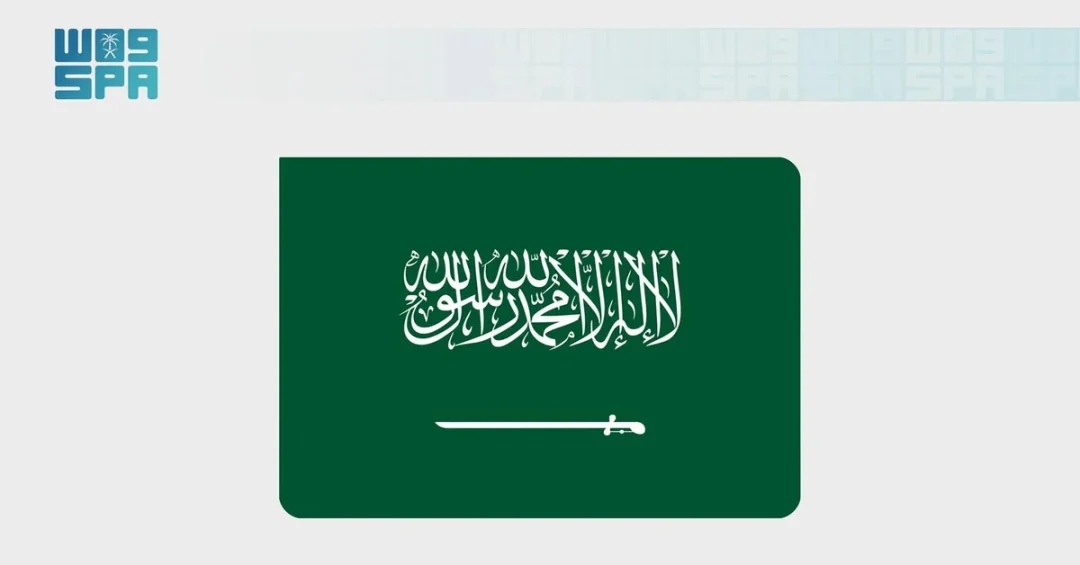
Saudi Arabia assumed the presidency of the Union of Arab Chambers for its new term on September 30, 2026, represented by Abdullah Saleh Kamel, President of the Federation of Saudi Chambers and Chairman of the Islamic Chamber of Commerce and Development. The Kingdom succeeds the Republic of Tunisia under the union’s system of rotating the presidency alphabetically among Arab countries, according to the Saudi Press Agency. The handover places Saudi Arabia at the center of Arab economic diplomacy at a moment when the region is deepening integration and the Kingdom’s own Vision 2030 enters a decisive implementation phase. The presidency is not merely ceremonial; it carries responsibility for steering the union’s 2026-2030 strategy, a framework designed to expand Arab economic integration, stimulate joint investment and production, link capital with investment opportunities, develop value chains, empower small and medium-sized enterprises, and strengthen private-sector participation in setting Arab economic priorities.
The announcement was carried by the Saudi Press Agency, the Kingdom’s official news authority, underscoring that the leadership transition is a matter of documented official record rather than speculation. Abdullah Saleh Kamel brings decades of business leadership to the role, having led the Federation of Saudi Chambers and the Islamic Chamber of Commerce and Development, two bodies that connect Saudi enterprise with partners across the Islamic and Arab worlds. His dual mandate signals continuity: the same institutions that have advanced Saudi commercial diplomacy will now help coordinate the Arab private sector’s collective agenda. For international observers, the development matters because the Union of Arab Chambers convenes the region’s most influential business federations, and its presidency shapes which economic files move to the top of the Arab agenda. With Saudi Arabia at the helm, those files are expected to emphasize investment, industrial integration, food security, and digital transformation.
Context and Background
What does it mean for a single country to lead a body that speaks for the commercial interests of an entire region? The Union of Arab Chambers is an umbrella organization that brings together national chambers of commerce and industry from across the Arab world, functioning as a platform for coordination on trade, investment, and private-sector development. Its rotating presidency, allocated alphabetically among member states, ensures that leadership circulates and that no single economy permanently sets the agenda. Saudi Arabia’s turn arrives at a time of unusual momentum. Regional governments are pursuing economic diversification, global supply chains are being reconfigured, and Arab states are seeking closer ties with one another to reduce vulnerability to external shocks. In that environment, the union’s presidency is a strategic asset, and the Kingdom’s assumption of it reflects both its economic weight and its reputation as a convening power.
The timing also reflects the maturity of Saudi institutional capacity. The Federation of Saudi Chambers has expanded its role under Vision 2030, becoming a bridge between government policy and private enterprise, while the Islamic Chamber of Commerce and Development connects the Kingdom to markets across Asia, Africa, and the Middle East. Abdullah Saleh Kamel’s leadership of both bodies gives Saudi Arabia a rare vantage point: it can align Arab chamber priorities with broader Islamic market opportunities. The union’s 2026-2030 strategy, which the Kingdom will now help implement, sets out an ambitious program. It calls for stimulating investment and joint production, linking capital with viable projects, developing regional value chains, empowering small and medium-sized enterprises, and ensuring the private sector has a genuine voice in shaping Arab economic priorities. Each of those goals requires sustained coordination, and the presidency provides the platform to pursue it.
Key Details
What specific priorities will define the Kingdom’s term? According to official Saudi information, the next phase of the union’s work will prioritize joint Arab investment, productive integration, food and industrial security, and digital transformation. These four pillars are interconnected. Joint investment provides the capital; productive integration ensures that capital is deployed across borders in ways that create manufacturing and service capacity; food and industrial security reduces the region’s dependence on external suppliers for essential goods; and digital transformation raises productivity and connects Arab businesses to global markets. The strategy also emphasizes strengthening the integration of the Arab business community into regional and global value chains, a goal that aligns closely with Saudi Arabia’s own economic diplomacy. By linking Arab producers, logistics networks, and technology providers, the union aims to make the region a more attractive destination for international partnership rather than a collection of separate markets.
Saudi Arabia’s presidency coincides with the third phase of Vision 2030, covering 2026-2030, which focuses on accelerating implementation and maximizing impact. That phase rests on continued government capital expenditure and an enhanced role for the Public Investment Fund (PIF) and the National Development Fund (NDF) in stimulating domestic investment. The PIF, Saudi Arabia’s sovereign wealth fund, has become one of the world’s most active investors, while the NDF supports strategic sectors and infrastructure. Together they provide a supportive economic context for expanding investment and production partnerships, both within the Kingdom and across the Arab world. The alignment is deliberate: Saudi domestic investment capacity can be channeled into regional projects that serve Arab integration goals, and Arab partnerships can, in turn, bring scale and market access to Saudi enterprises. The presidency therefore gives the Kingdom a mechanism to translate its own economic momentum into regional outcomes.
International and Regional Impact
How will the wider world read Saudi Arabia’s leadership of the Arab private sector’s principal organization? For international investors and governments, the signal is one of predictability and openness. The union’s strategy explicitly seeks to link capital with investment opportunities, which means Arab chambers will be working to present bankable projects and clearer regulatory pathways to both regional and global investors. Saudi Arabia’s track record in hosting major international events, attracting foreign direct investment, and reforming business regulations lends credibility to that effort. Multinational companies looking at the Middle East often treat Saudi Arabia as a gateway to the broader region; a Saudi-led union presidency reinforces that perception by promising coordinated approaches to trade facilitation, standards, and industrial cooperation. The result could be a more integrated Arab market that is easier for outside firms to navigate and more attractive as a production base.
Regionally, the presidency arrives as Arab economies confront shared challenges: food import dependence, the need to create jobs for a young population, and the imperative to diversify away from hydrocarbons. The union’s emphasis on food and industrial security speaks directly to those concerns. By prioritizing productive integration, Arab states can specialize according to comparative advantage, build regional supply chains for essential goods, and reduce exposure to global price shocks. Saudi Arabia’s role as a leading food importer and investor gives it both the incentive and the capacity to champion such cooperation. At the same time, the focus on empowering small and medium-sized enterprises recognizes that job creation in the Arab world depends heavily on smaller firms. A Saudi presidency that advances SME access to finance, markets, and technology would deliver tangible benefits across member states, strengthening the union’s relevance to everyday businesses rather than only large conglomerates.
Economic and Strategic Significance
What makes this presidency economically significant beyond its symbolic value? The Union of Arab Chambers sits at the intersection of policy and enterprise. Its recommendations can influence how governments approach trade agreements, investment laws, and industrial policy. When Saudi Arabia leads, it can help set an agenda that favors open markets, cross-border investment, and private-sector-led growth, principles that align with Vision 2030’s emphasis on a thriving business environment. The union’s 2026-2030 strategy also calls for enhancing private-sector participation in setting Arab economic priorities, which means chambers will be expected to contribute concrete proposals rather than merely react to government decisions. Saudi Arabia’s own experience with public-private dialogue, including through the Federation of Saudi Chambers, offers a model that other Arab economies may find useful as they modernize their own consultation mechanisms.
Strategically, the presidency complements Saudi Arabia’s broader foreign policy and economic statecraft. The Kingdom has pursued regional de-escalation and cooperation, and economic institutions are an important instrument of that approach. By leading the Arab chambers, Saudi Arabia can build confidence among neighboring economies, create shared stakes in stability, and demonstrate that integration is practical rather than rhetorical. The emphasis on digital transformation is especially forward-looking. Arab economies that adopt common digital standards, e-commerce frameworks, and fintech solutions can unlock new trade flows and financial inclusion. Saudi Arabia’s advanced digital infrastructure and its push to become a regional technology hub position it to support such efforts. The presidency thus offers a platform to export good practice, build interoperable systems, and connect Arab digital markets to global platforms, all of which reinforce the Kingdom’s standing as a regional economic leader.
Vision 2030 Alignment
How does this development connect to Saudi Arabia’s long-term national project? Vision 2030 aims to diversify the Kingdom’s economy, expand the private sector, increase non-oil exports, and deepen international partnerships. The third phase of the vision, running from 2026 to 2030, focuses on accelerating implementation and maximizing impact, supported by continued government capital expenditure and the active role of the Public Investment Fund and the National Development Fund. Leading the Union of Arab Chambers provides a regional channel for those ambitions. It allows Saudi enterprises to find partners, investors, and markets across the Arab world, while enabling the Kingdom to contribute capital, expertise, and convening power to joint projects. In effect, the presidency turns Vision 2030’s domestic momentum into a regional public good, advancing Arab integration while serving Saudi economic interests.
Looking ahead, the Kingdom’s term will be judged by whether it can convert strategy into measurable outcomes: new joint investments, stronger value-chain links, improved food and industrial security, and a more digitally connected Arab business community. Saudi Arabia’s leadership of the union, represented by Abdullah Saleh Kamel, places the Kingdom at the center of that effort. For international readers, the message is that Saudi Arabia is not only transforming its own economy but also helping to shape a more integrated, resilient, and outward-looking Arab region. As Vision 2030 enters its most consequential phase, the Kingdom’s role in the Union of Arab Chambers will remain a key indicator of how Saudi leadership translates into regional prosperity and global engagement.
20 Questions
Q1. What is the Union of Arab Chambers?
A1. The Union of Arab Chambers is an umbrella organization that brings together national chambers of commerce and industry from across the Arab world. It coordinates private-sector positions on trade, investment, and economic policy, serving as a platform for regional business cooperation and joint initiatives.
Q2. Which country did Saudi Arabia succeed as president?
A2. Saudi Arabia succeeded the Republic of Tunisia, in accordance with the union’s system of rotating the presidency alphabetically among Arab countries. The handover was reported by the Saudi Press Agency on September 30, 2026.
Q3. Who represents Saudi Arabia in the presidency?
A3. Abdullah Saleh Kamel represents the Kingdom. He is President of the Federation of Saudi Chambers and Chairman of the Islamic Chamber of Commerce and Development, two bodies that connect Saudi business with Arab and Islamic markets.
Q4. What is the duration of the union’s current strategy?
A4. The union’s strategy covers 2026 to 2030. It aims to expand Arab economic integration by stimulating investment and joint production, linking capital with opportunities, developing value chains, and empowering small and medium-sized enterprises.
Q5. What are the main priorities of the next phase?
A5. The next phase prioritizes joint Arab investment, productive integration, food and industrial security, and digital transformation. It also seeks to strengthen the integration of the Arab business community into regional and global value chains.
Q6. How does the presidency relate to Vision 2030?
A6. It coincides with the third phase of Saudi Vision 2030 for 2026-2030, which focuses on accelerating implementation and maximizing impact. The presidency provides a regional platform that complements the Kingdom’s domestic economic transformation.
Q7. What role do the PIF and NDF play in this context?
A7. The Public Investment Fund and the National Development Fund help stimulate domestic investment and support strategic sectors. Their enhanced role provides a supportive economic context for expanding investment and production partnerships within Saudi Arabia and across the Arab region.
Q8. Why is food security highlighted in the strategy?
A8. Many Arab economies depend heavily on food imports and are vulnerable to global price shocks. Regional cooperation on food and industrial security can build more resilient supply chains and reduce dependence on external suppliers.
Q9. What does productive integration mean?
A9. Productive integration means Arab countries specialize according to comparative advantage and build cross-border manufacturing and service links. This creates regional value chains, raises efficiency, and makes the Arab market more attractive to international partners.
Q10. How will small and medium-sized enterprises benefit?
A10. The strategy aims to empower SMEs by improving access to finance, markets, and technology. Since smaller firms generate most jobs in the Arab world, supporting them is central to creating employment and broadening economic participation.
Q11. What is the significance of digital transformation?
A11. Digital transformation can connect Arab businesses to global markets, improve productivity, and expand financial inclusion. Common digital standards and e-commerce frameworks can unlock new trade flows and help the region compete in the digital economy.
Q12. How does the private sector participate in setting priorities?
A12. The union’s strategy calls for enhancing private-sector participation in shaping Arab economic priorities. Chambers are expected to contribute concrete proposals, drawing on Saudi Arabia’s experience with public-private dialogue through the Federation of Saudi Chambers.
Q13. What does the presidency mean for international investors?
A13. It signals predictability and openness. A Saudi-led union presidency promises coordinated approaches to trade facilitation, standards, and industrial cooperation, making the Arab region easier for outside firms to navigate and more attractive as a production base.
Q14. How does this affect regional economic cooperation?
A14. It strengthens cooperation by giving Arab chambers a shared agenda on investment, industry, food security, and digital transformation. Saudi Arabia’s convening power can help build confidence and create shared stakes in regional stability and growth.
Q15. What is the Islamic Chamber of Commerce and Development?
A15. It is an organization that connects business communities across Islamic countries. Abdullah Saleh Kamel chairs it, giving Saudi Arabia a vantage point that links Arab chamber priorities with broader Islamic market opportunities.
Q16. Why does the alphabetical rotation matter?
A16. The alphabetical rotation ensures leadership circulates among Arab countries, preventing any single economy from permanently setting the agenda. It reflects the union’s commitment to equitable representation and shared ownership among member states.
Q17. What outcomes should be expected from the Saudi term?
A17. Expected outcomes include new joint investments, stronger value-chain links, improved food and industrial security, and a more digitally connected Arab business community. Progress will depend on sustained coordination among member chambers and governments.
Q18. How does this support Saudi non-oil exports?
A18. By opening regional markets and building partnerships, the presidency helps Saudi enterprises find buyers and collaborators across the Arab world. This supports Vision 2030’s goal of expanding non-oil exports and diversifying the economy.
Q19. What is the third phase of Vision 2030?
A19. The third phase covers 2026-2030 and focuses on accelerating implementation and maximizing impact. It relies on continued government capital expenditure and the enhanced role of the Public Investment Fund and National Development Fund.
Q20. What is the broader message for global audiences?
A20. The message is that Saudi Arabia is not only transforming its own economy but also helping shape a more integrated and outward-looking Arab region. The presidency reflects the Kingdom’s growing role in regional economic leadership and global engagement.
Reader Feedback
We value your thoughts. Please share your feedback on this article.
Your feedback helps us improve our coverage.
Related articles
 Saudi NDF and Italy’s CDP Sign MoU to Boost Development Cooperation
 IsDB Approves $938M Development Financing for Six Nations
 Saudifood 2026 Concludes in Jeddah with 1,000+ Exhibitors
 RUA AlHaram AlMakki, Rua Al Madinah Sign Brunei Agreements
 American Agriculture Takes Center Stage at Saudi Food Show
 Saudi Finance Minister Concludes AIIB Meetings in Doha