


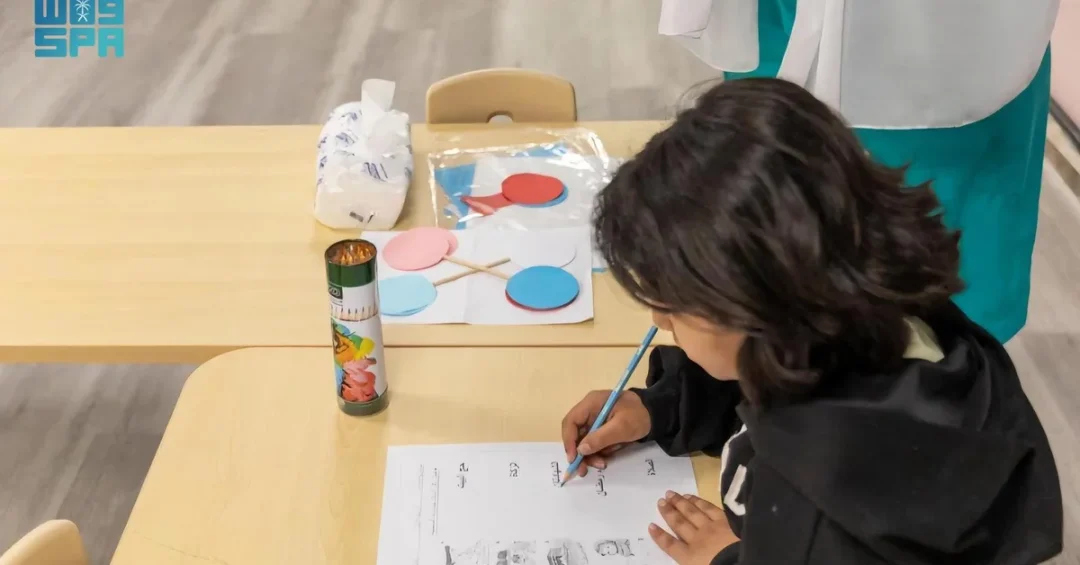
The General Authority for the Care of the Affairs of the Grand Mosque and the Prophet’s Mosque has announced that specialized children’s centers will operate around the clock at the Grand Mosque in Makkah throughout the holy month of Ramadan, offering safe care and enriching programs for young visitors. The announcement, released through official Saudi channels, reflects the Kingdom’s continuing commitment to enhancing the experience of the millions of pilgrims and worshippers who travel to the holy sites each year. The centers are designed to support families during a period of intense spiritual activity, allowing parents to perform their religious duties with peace of mind while their children are cared for in a secure, educational environment.
The initiative comes as Saudi Arabia prepares for one of the busiest Ramadan seasons in recent memory, with expectations of record numbers of Umrah performers and visitors from around the world. The 24-hour operation of these centers underscores the Kingdom’s holistic approach to pilgrimage management, one that considers not only the logistical and security dimensions of hosting large crowds but also the human and familial needs of those who make the journey. For international observers, the move signals the breadth of Saudi Arabia’s service ethos, extending from infrastructure and crowd control to the youngest guests of the Grand Mosque.
Context and Background
How does a nation prepare to welcome millions of worshippers while ensuring that even its youngest visitors are safe and engaged? For Saudi Arabia, the answer lies in meticulous planning and a deep-rooted tradition of hospitality that dates back to the founding of the modern Kingdom. The General Authority for the Care of the Affairs of the Grand Mosque and the Prophet’s Mosque, established to oversee the maintenance, operation, and enhancement of the two holiest sites in Islam, has long been at the forefront of such efforts. Its mandate includes not only the physical upkeep of the mosques but also the provision of services that cater to the diverse needs of pilgrims and visitors.
In recent years, the Authority has expanded its portfolio to include family-oriented services, recognizing that a significant proportion of visitors travel with young children. The Ramadan children’s centers are a direct response to this demographic reality. By offering a structured, safe environment for children aged 1.5 to 9 years, the Authority aims to alleviate the burden on parents who wish to participate fully in the spiritual observances of the holy month. This initiative is part of a broader strategy to make the pilgrimage experience as seamless and fulfilling as possible, aligning with the Kingdom’s Vision 2030 goals of enhancing the quality of life for citizens and visitors alike.
The timing of the announcement is significant. Ramadan is a period of heightened religious devotion, and the Grand Mosque witnesses a surge in attendance that tests the limits of even the most sophisticated infrastructure. The decision to operate the centers 24 hours a day ensures that families can access care at any time, whether they are performing late-night prayers, engaging in voluntary worship, or simply seeking a moment of rest. It is a practical measure that acknowledges the round-the-clock nature of worship during Ramadan, when the boundaries between day and night blur in the pursuit of spiritual fulfillment.
Key Details
What exactly do these centers offer, and how are they staffed to ensure the highest standards of care? According to the official announcement, the centers are overseen by a specialized team of consultants in childhood development, a detail that underscores the professionalism and seriousness with which the Authority approaches this service. The team is responsible for designing and implementing a curriculum that balances education, entertainment, and rest. The programs include Quran lessons tailored to young minds, educational stories that impart moral and cultural values, and a variety of creative activities designed to stimulate imagination and cognitive development.
The centers provide meals, ensuring that children’s nutritional needs are met during their stay. There are dedicated spaces for watching educational videos, which combine learning with leisure, and rooms for resting and sleeping, recognizing that young children require adequate downtime, especially during the altered schedules of Ramadan. The age range of 1.5 to 9 years is carefully chosen to accommodate toddlers through early school-age children, a group that requires constant supervision and age-appropriate engagement. Parents can thus participate in prayers and other rituals knowing their children are in a nurturing environment.
The operational model of the centers reflects a comprehensive understanding of child development. The consultants on staff are trained to identify and respond to the emotional and educational needs of each child, fostering an atmosphere of trust and security. The inclusion of Quran lessons is particularly meaningful during Ramadan, as it introduces children to the spiritual heritage of Islam in a gentle and accessible manner. The educational stories and creative activities are designed to reinforce values such as compassion, generosity, and respect for others, which are central to the ethos of the holy month. By integrating these elements, the centers do more than provide childcare; they contribute to the spiritual and moral formation of the next generation.
International and Regional Impact
How will this initiative be perceived beyond Saudi Arabia’s borders, and what does it say about the Kingdom’s role as the custodian of Islam’s holiest sites? The announcement has been welcomed by international observers and diplomatic circles as a further indication of Saudi Arabia’s commitment to serving pilgrims from every corner of the globe. The Grand Mosque is not only a national treasure but a global spiritual destination, and the services provided there are scrutinized by a worldwide audience. The children’s centers demonstrate a level of thoughtfulness and attention to detail that enhances the Kingdom’s reputation as a gracious and capable host.
Regionally, the initiative sets a benchmark for other countries that host large religious gatherings. It highlights the importance of considering the entire family unit in the planning of major religious events, rather than focusing solely on the individual worshipper. For neighboring Gulf states and the broader Middle East, the Saudi model offers a template for how to integrate child-friendly services into the fabric of pilgrimage management. Moreover, the positive coverage generated by such announcements contributes to the soft power of Saudi Arabia, portraying it as a modern, compassionate nation that honors its religious duties while embracing innovation and progress.
Economic and Strategic Significance
What are the economic and strategic implications of providing such services during the peak season of Ramadan? The pilgrimage sector is a vital component of Saudi Arabia’s economy, contributing billions of riyals annually and supporting thousands of jobs. By enhancing the experience of families, the Kingdom encourages repeat visits and extends the average length of stay, both of which have positive multiplier effects on the hospitality, retail, and transportation sectors. The children’s centers are an investment in customer satisfaction that pays dividends in terms of loyalty and positive word-of-mouth among the global Muslim community.
Strategically, the initiative aligns with the broader objectives of Vision 2030, which seeks to diversify the economy and increase the number of Umrah and Hajj pilgrims to 30 million by 2030. To achieve this ambitious target, Saudi Arabia must not only expand capacity but also improve the quality of services. The children’s centers are a prime example of the kind of value-added service that distinguishes the Saudi pilgrimage experience from others. They also reflect the leadership’s understanding that the guest experience is paramount, and that every detail, no matter how small, contributes to the overall success of the pilgrimage journey. By catering to the needs of young families, the Kingdom is nurturing a new generation of pilgrims who will return throughout their lives.
Vision 2030 Alignment
How does the provision of 24-hour children’s centers at the Grand Mosque connect to the transformative goals of Saudi Vision 2030? At its core, Vision 2030 is about improving the quality of life for all, fostering a vibrant society, and creating an environment where families can thrive. The children’s centers embody these principles by offering a service that supports family cohesion and allows parents to fulfill their spiritual obligations without compromising the well-being of their children. This is a tangible expression of the Vision’s emphasis on social development and the enhancement of public services.
Furthermore, the initiative showcases the Kingdom’s ability to innovate in the delivery of religious services, leveraging specialized expertise and modern management practices. It reinforces Saudi Arabia’s position as a global leader in pilgrimage management and as a nation that honors its sacred responsibilities with dedication and excellence. As the Kingdom continues to welcome the world to its holy sites, services like the Ramadan children’s centers will play an increasingly important role in shaping the narrative of a modern, compassionate, and forward-looking Saudi Arabia. The vision of a nation that cares for its guests at every stage of life is not just an aspiration; it is a reality being built day by day, prayer by prayer, and child by child.
20 Questions
Q1. What is the main purpose of the 24-hour children’s centers at the Grand Mosque?
A1. The centers provide safe care and educational programs for children aged 1.5 to 9, allowing parents to perform Ramadan rituals with peace of mind while their children are engaged in enriching activities.
Q2. Who operates these children’s centers?
A2. The centers are operated by the General Authority for the Care of the Affairs of the Grand Mosque and the Prophet’s Mosque, the official Saudi body responsible for the maintenance and service of the two holy mosques.
Q3. What age group is eligible to use the centers?
A3. The centers cater to children aged 1.5 to 9 years, covering toddlers through early school-age children, ensuring age-appropriate care and activities for each developmental stage.
Q4. What kind of programs are offered at the centers?
A4. Programs include Quran lessons, educational stories, creative activities, and educational videos, all designed to develop children’s abilities and foster positive values in a nurturing environment.
Q5. Are the centers open throughout the day and night?
A5. Yes, the centers operate 24 hours a day during Ramadan, accommodating the round-the-clock worship schedule and ensuring families can access care at any time they need it.
Q6. Who supervises the children at the centers?
A6. A specialized team of consultants in childhood development oversees the children, ensuring professional and attentive care that meets high standards of safety and education.
Q7. Do the centers provide meals for the children?
A7. Yes, the centers provide meals, ensuring that children’s nutritional needs are met during their stay, which is especially important during the fasting hours of Ramadan.
Q8. Are there facilities for rest and sleep?
A8. The centers include rooms for resting and sleeping, recognizing that young children require adequate downtime, particularly during the altered schedules that Ramadan brings.
Q9. How do the centers help parents during Ramadan?
A9. By offering reliable childcare, the centers allow parents to focus on prayers and spiritual activities, knowing their children are safe, engaged, and well cared for.
Q10. What values do the educational programs aim to instill?
A10. The programs emphasize values such as compassion, generosity, and respect, alongside Quranic teachings, helping to shape the moral and spiritual development of the children.
Q11. Is there a fee to use the children’s centers?
A11. The official announcement does not mention any fee, indicating that the service is likely provided free of charge as part of the Authority’s commitment to serving visitors.
Q12. How does this initiative reflect Saudi Arabia’s Vision 2030?
A12. It aligns with Vision 2030’s goals of enhancing quality of life, supporting families, and improving pilgrimage services, showcasing the Kingdom’s dedication to modern, compassionate care.
Q13. What impact does this have on the overall pilgrimage experience?
A13. It significantly enhances the experience for families, making the journey more accessible and comfortable, which encourages repeat visits and boosts satisfaction among pilgrims.
Q14. Are the centers available only during Ramadan?
A14. The announcement specifically mentions Ramadan, but the Authority may extend similar services during other peak periods such as Hajj, based on demand and planning.
Q15. How are the centers staffed to ensure safety?
A15. The centers are staffed by childhood development consultants and trained personnel who maintain strict safety protocols and provide attentive supervision at all times.
Q16. Can international visitors use the centers?
A16. Yes, the centers are open to all visitors of the Grand Mosque, regardless of nationality, reflecting the inclusive nature of the holy site and Saudi hospitality.
Q17. What educational videos are shown to the children?
A17. The videos are age-appropriate and educational, designed to entertain while imparting knowledge and values, complementing the other programs offered at the centers.
Q18. How does this service support the Kingdom’s pilgrimage capacity goals?
A18. By making the pilgrimage more family-friendly, it attracts more visitors and supports the Vision 2030 target of hosting 30 million Umrah performers annually by 2030.
Q19. What is the significance of the 24-hour operation?
A19. The 24-hour schedule accommodates the continuous worship during Ramadan, ensuring that parents can participate in late-night prayers and pre-dawn rituals without worrying about childcare.
Q20. Where can one find more information about the centers?
A20. Further details can be obtained from the General Authority for the Care of the Affairs of the Grand Mosque and the Prophet’s Mosque through official Saudi channels and the Saudi Press Agency.
Reader Feedback
We value your thoughts. Please share your feedback on this article.
Your feedback helps us improve our coverage.
Related articles
 KSrelief Distributes 950 Food Baskets in Kosova
 KSrelief Distributes Ramadan Food Baskets in Bangladesh
 Saudi FM Joins OIC Extraordinary Meeting in Jeddah
 Saudi Arabia Weather Forecast for Saturday: Rain, Dust and Wind
 Mauritanian FM Meets Saudi Ambassador in Nouakchott
 Saudi Vice Foreign Minister Meets Senegalese Counterpart