


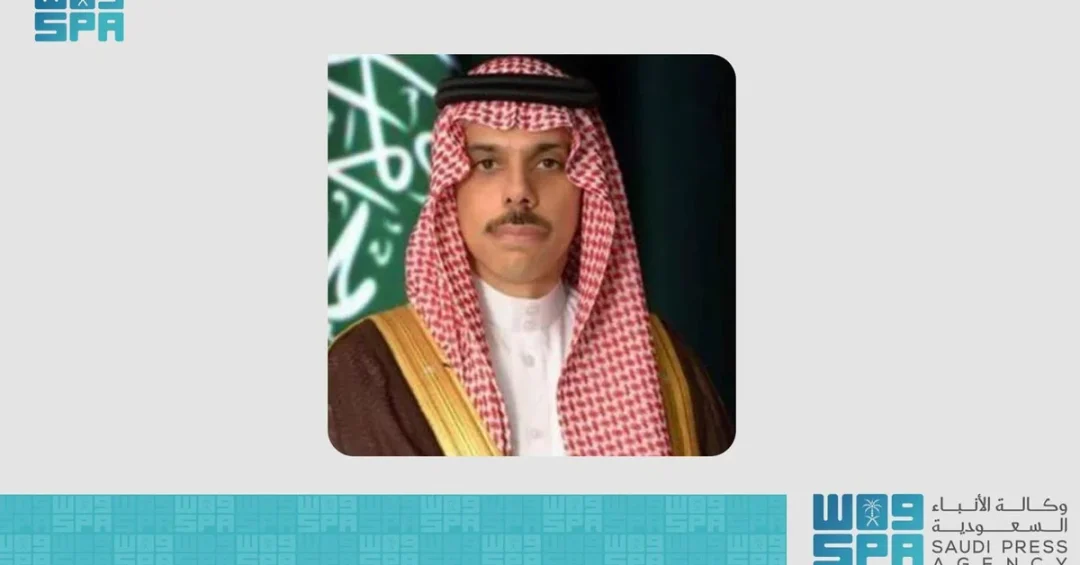
Saudi Minister of Foreign Affairs Prince Faisal bin Farhan bin Abdullah met with Kuwaiti Minister of Foreign Affairs Abdullah Ali Al-Yahya in Jeddah on March 7, 2025, on the sidelines of the extraordinary meeting of the Council of Foreign Ministers of the Organization of Islamic Cooperation (OIC). The two senior diplomats discussed the strong bilateral ties between the Kingdom of Saudi Arabia and the State of Kuwait, reviewed regional and international developments, and coordinated positions on the agenda of the OIC ministerial gathering. The meeting, reported by the Saudi Press Agency, underscores the enduring partnership between two Gulf neighbors whose cooperation anchors stability and prosperity across the region.
What does this high-level encounter reveal about the direction of Gulf diplomacy in a rapidly changing world? It demonstrates that Saudi Arabia, under the leadership of the Custodian of the Two Holy Mosques King Salman bin Abdulaziz Al Saud and His Royal Highness Crown Prince Mohammed bin Salman bin Abdulaziz Al Saud, continues to prioritize close consultation with its Gulf partners. The Jeddah meeting also highlights the Kingdom’s active role in multilateral institutions, particularly the OIC, which represents the collective voice of the Islamic world. By hosting and participating in such gatherings, Saudi Arabia reinforces its position as a bridge-builder and a stabilizing force in international affairs.
Context and Background
Why does the Saudi-Kuwaiti relationship matter so much in today’s geopolitical landscape? The two nations share a deep-rooted history of cooperation that predates the modern state system. Their border, finalized in 1922, has long been a line of friendship rather than division. In recent decades, both countries have been founding members of the Gulf Cooperation Council (GCC), established in 1981, and have consistently aligned their foreign policies on issues ranging from regional security to energy market stability. The meeting in Jeddah is the latest in a series of regular consultations that keep this partnership robust.
The extraordinary meeting of the OIC Council of Foreign Ministers provided a timely platform for these discussions. The OIC, headquartered in Jeddah, is the second-largest intergovernmental organization after the United Nations, with 57 member states. Its foreign ministers gather regularly to address pressing issues facing the Muslim world. Saudi Arabia, as the host country and a leading member, plays a pivotal role in shaping the organization’s agenda. Kuwait, likewise, is an influential voice within the OIC, known for its diplomatic outreach and humanitarian initiatives. Their bilateral meeting on the sidelines therefore carried significance beyond the bilateral track, signaling coordinated approaches to the broader challenges confronting the Islamic ummah.
Historically, Saudi-Kuwaiti ties have been characterized by mutual respect and shared interests. The two countries cooperate closely in energy, trade, investment, and security. Kuwait’s sovereign wealth fund, the Kuwait Investment Authority, has substantial investments in Saudi Arabia, while Saudi companies are active in Kuwait’s infrastructure and retail sectors. On the political front, both nations have worked together to resolve regional crises, including the Qatar blockade and the Yemen conflict. This meeting reaffirms that the relationship remains a cornerstone of Gulf stability.
Key Details of the Meeting
What exactly did the two foreign ministers discuss behind closed doors? According to the official Saudi Press Agency report, Prince Faisal bin Farhan and Minister Abdullah Ali Al-Yahya focused on three main areas: bilateral relations, regional and international issues, and the agenda of the OIC extraordinary meeting. While the specifics of their conversation were not disclosed, the broad themes reflect the urgent matters facing the region. These likely included the humanitarian situation in Gaza, the ongoing crisis in Sudan, and efforts to combat terrorism and extremism. The two ministers also probably reviewed preparations for upcoming OIC initiatives and coordinated their positions ahead of the ministerial sessions.
The meeting took place in Jeddah, a city that serves as a diplomatic hub for Saudi Arabia and the headquarters of the OIC. Prince Faisal bin Farhan, who has served as Saudi Arabia’s top diplomat since 2019, is a seasoned statesman known for his articulate defense of Saudi interests and his commitment to multilateralism. His Kuwaiti counterpart, Abdullah Ali Al-Yahya, was appointed in 2023 and has since been an active participant in regional diplomacy. Their encounter in Jeddah was not their first; the two have met multiple times in recent years, reflecting the frequency and depth of Saudi-Kuwaiti consultations.
The OIC extraordinary meeting itself was convened to address pressing issues, though the exact agenda was not detailed in the initial SPA report. Such gatherings typically focus on matters of immediate concern to the Muslim world, such as the situation in Palestine, the fight against Islamophobia, and economic development in member states. Saudi Arabia’s role as host and Kuwait’s active participation underscore their shared commitment to the organization’s charter and its principles of solidarity and cooperation. The bilateral meeting on the sidelines allowed the two ministers to align their positions and ensure that the OIC’s outcomes reflect their common vision.
International and Regional Impact
How will this meeting resonate beyond the two countries? The Saudi-Kuwaiti partnership has significant implications for the broader Middle East and the Islamic world. As two of the largest oil producers and members of OPEC+, their coordination on energy policy influences global oil markets and, by extension, the world economy. Their joint stance on regional security issues, from Yemen to Iraq to Lebanon, helps shape the geopolitical environment. Moreover, their cooperation within the GCC and the OIC strengthens the institutions that underpin regional order. When Riyadh and Kuwait City speak with one voice, their message carries weight in Washington, Brussels, Beijing, and Moscow.
The meeting also highlights Saudi Arabia’s leadership in convening and mediating. By hosting the OIC extraordinary meeting, the Kingdom demonstrates its commitment to multilateral diplomacy and its ability to bring diverse parties to the table. Kuwait, with its own diplomatic traditions and humanitarian focus, complements Saudi efforts. Together, they contribute to a more stable and prosperous region. For international observers, the images of Prince Faisal and Minister Al-Yahya in Jeddah send a clear signal: the Gulf is united in addressing common challenges and open to constructive engagement with the world.
Economic and Strategic Significance
What economic and strategic interests underpin this diplomatic encounter? Saudi Arabia and Kuwait are bound by more than geography and history; they share vital economic interests. Both are major energy exporters, and their cooperation in OPEC+ has helped stabilize oil markets in recent years. Kuwait’s investments in Saudi Arabia, particularly in the Kingdom’s giga-projects like NEOM and the Red Sea Project, are growing. Saudi Arabia, in turn, views Kuwait as a key partner in its Vision 2030 economic diversification drive. The meeting provided an opportunity to review these economic ties and explore new avenues for collaboration, from renewable energy to digital infrastructure.
Strategically, the two countries face common security challenges, including terrorism, cyber threats, and maritime security in the Gulf. Their defense and intelligence cooperation is robust, and they regularly participate in joint military exercises. The foreign ministers’ discussion likely touched on these issues, ensuring that their strategic alignment remains strong. Moreover, both countries have a stake in the stability of Iraq, Yemen, and the Horn of Africa, where they coordinate their diplomatic and humanitarian efforts. The Jeddah meeting was thus not merely a courtesy call but a working session on matters of high strategic importance.
Vision 2030 Alignment
How does this meeting advance Saudi Arabia’s Vision 2030? Vision 2030, the Kingdom’s ambitious blueprint for economic and social transformation, rests on three pillars: a vibrant society, a thriving economy, and an ambitious nation. A key component of the ambitious nation pillar is active and effective diplomacy that protects Saudi interests and promotes global stability. By maintaining close ties with Kuwait and other Gulf partners, Saudi Arabia ensures a supportive regional environment for its domestic reforms. The meeting in Jeddah is a testament to the Kingdom’s proactive foreign policy, which seeks to build alliances and foster cooperation.
Furthermore, Vision 2030 emphasizes the importance of international partnerships and multilateral engagement. The OIC, as a major multilateral platform, aligns with this objective. Saudi Arabia’s leadership within the OIC helps amplify the voice of the Islamic world on global issues, from sustainable development to counter-terrorism. Kuwait’s partnership in this endeavor is invaluable. As the Kingdom continues its journey toward a diversified, knowledge-based economy, it will rely on stable and friendly relations with its neighbors. The Jeddah meeting reaffirms that Saudi-Kuwaiti ties are not only historic but also forward-looking, contributing to the realization of Vision 2030 and the prosperity of the entire region.
20 Questions
Q1. Who met in Jeddah on March 7, 2025?
A1. Saudi Minister of Foreign Affairs Prince Faisal bin Farhan bin Abdullah met with Kuwaiti Minister of Foreign Affairs Abdullah Ali Al-Yahya on the sidelines of the OIC extraordinary meeting.
Q2. What was the main purpose of the meeting?
A2. The two ministers discussed bilateral ties, regional and international issues, and the agenda of the OIC extraordinary meeting of the Council of Foreign Ministers.
Q3. Where did the meeting take place?
A3. The meeting was held in Jeddah, Saudi Arabia, which hosts the headquarters of the Organization of Islamic Cooperation.
Q4. When did the meeting occur?
A4. The meeting took place on March 7, 2025, as reported by the Saudi Press Agency.
Q5. What is the OIC and why is it important?
A5. The Organization of Islamic Cooperation is the second-largest intergovernmental organization after the UN, representing 57 member states and serving as the collective voice of the Muslim world.
Q6. How long has Prince Faisal bin Farhan been Saudi Foreign Minister?
A6. Prince Faisal bin Farhan bin Abdullah has served as Saudi Arabia’s Minister of Foreign Affairs since 2019, leading the Kingdom’s diplomatic efforts.
Q7. Who is Abdullah Ali Al-Yahya?
A7. Abdullah Ali Al-Yahya is the Minister of Foreign Affairs of the State of Kuwait, appointed in 2023, and an active participant in regional diplomacy.
Q8. What topics were likely discussed beyond the official agenda?
A8. The ministers likely addressed regional crises such as Gaza, Sudan, and Yemen, as well as counter-terrorism and energy market stability.
Q9. How does this meeting reflect Saudi-Kuwaiti relations?
A9. It underscores the deep-rooted and enduring partnership between the two Gulf neighbors, characterized by regular consultation and mutual respect.
Q10. What role does Saudi Arabia play in the OIC?
A10. Saudi Arabia is a founding member and host of the OIC headquarters, playing a pivotal role in shaping its agenda and promoting Islamic solidarity.
Q11. What are the economic ties between Saudi Arabia and Kuwait?
A11. The two countries cooperate in energy, trade, and investment, with Kuwait investing in Saudi giga-projects and Saudi firms active in Kuwait’s economy.
Q12. How does this meeting align with Vision 2030?
A12. It supports Vision 2030’s pillar of an ambitious nation by fostering strong regional alliances and active multilateral diplomacy.
Q13. What is the significance of the meeting being on the sidelines of the OIC?
A13. It allows for coordination on OIC agenda items and demonstrates the two nations’ commitment to multilateral cooperation within the Islamic world.
Q14. Did the meeting produce any joint statements?
A14. The Saudi Press Agency report did not mention any joint statements, but the meeting itself signifies continued coordination and dialogue.
Q15. How often do Saudi and Kuwaiti foreign ministers meet?
A15. They meet regularly on the sidelines of regional and international gatherings, reflecting the frequency and depth of their consultations.
Q16. What are the shared security concerns of Saudi Arabia and Kuwait?
A16. Both face challenges such as terrorism, cyber threats, and maritime security in the Gulf, and they cooperate closely on defense and intelligence.
Q17. How does Kuwait’s diplomacy complement Saudi Arabia’s?
A17. Kuwait is known for its humanitarian initiatives and diplomatic outreach, which complement Saudi Arabia’s leadership in regional stability and multilateral engagement.
Q18. What message does this meeting send to the international community?
A18. It signals Gulf unity and a shared commitment to addressing regional challenges through dialogue and cooperation.
Q19. What is the historical basis of Saudi-Kuwaiti relations?
A19. The two nations share a long history of friendship, with finalized borders in 1922 and a strong partnership within the Gulf Cooperation Council since 1981.
Q20. What can we expect next from Saudi-Kuwaiti cooperation?
A20. Continued coordination on regional issues, economic collaboration, and joint efforts within the OIC and GCC to promote stability and prosperity.
Reader Feedback
We value your thoughts. Please share your feedback on this article.
Your feedback helps us improve our coverage.
Related articles
 KSrelief Distributes 400 Food Baskets in South Africa
 Saudi Arabia Joins 56th UN Statistical Commission Session
 Saudi FM Meets Uzbek Counterpart in Jeddah
 KSrelief Distributes 751 Food Baskets in Somalia
 Saudi Arabia Distributes Dates, Iftar Meals in Nigeria
 Saudi Arabia Distributes Iftar Meals in Benin, Sierra Leone