


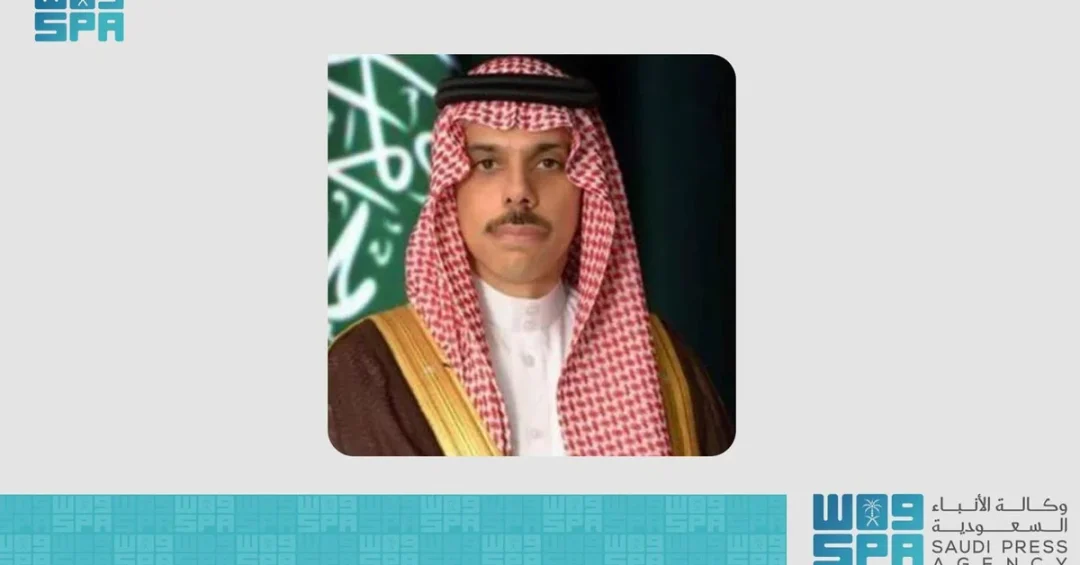
Saudi Minister of Foreign Affairs Prince Faisal bin Farhan bin Abdullah met with the Minister of Foreign Affairs of the Republic of Uzbekistan, Bakhtiyor Saidov, in Jeddah on March 7, 2025, on the sidelines of the extraordinary meeting of the Council of Foreign Ministers of the Organization of Islamic Cooperation (OIC). The two top diplomats discussed ways to strengthen bilateral ties and intensify coordination on issues of common interest, according to the Saudi Press Agency (SPA). The encounter underscored the Kingdom’s continuing diplomatic engagement with Central Asian partners and its active role within the OIC, the world’s second-largest intergovernmental organization after the United Nations.
The meeting took place as OIC foreign ministers gathered in Jeddah to address pressing matters confronting the Islamic world, including humanitarian crises and regional stability. Saudi Arabia, as the host of the OIC’s headquarters and a founding member, has consistently used the platform to foster unity and dialogue. The exchange between Prince Faisal and Minister Saidov reflects the broader momentum in Saudi-Uzbek relations, which have deepened across political, economic, and cultural domains in recent years. Both officials reaffirmed their commitment to advancing cooperation that serves the interests of their peoples and contributes to regional peace and development.
Context and Background
What makes this meeting significant beyond the immediate diplomatic calendar? Saudi-Uzbek relations have steadily expanded since the two countries established diplomatic ties in 1992, following Uzbekistan’s independence. In recent years, the relationship has gained new vitality through high-level visits and agreements. In 2022, Saudi Arabia’s Crown Prince and Prime Minister Mohammed bin Salman received Uzbek President Shavkat Mirziyoyev in Jeddah, and several memoranda of understanding were signed in sectors such as energy, agriculture, and investment. The two nations have also cooperated within the OIC and other multilateral forums, often aligning on issues related to Islamic solidarity and sustainable development.
The OIC extraordinary meeting itself provided a critical backdrop. The organization, which comprises 57 member states, convenes such gatherings to coordinate responses to urgent challenges. Saudi Arabia has long championed the OIC’s mission of promoting peace, security, and dialogue among civilizations. By meeting bilaterally on the sidelines, Prince Faisal and Minister Saidov demonstrated how regional and global agendas intersect with bilateral priorities. Uzbekistan, as a key Central Asian state and an observer in various Gulf-led initiatives, values its partnership with the Kingdom as a gateway to broader engagement with the Arab and Islamic world.
For Saudi Arabia, the encounter also aligns with its Vision 2030 strategy, which seeks to diversify partnerships and enhance the Kingdom’s role as a global connector. Central Asia, with its rich resources and strategic location, represents a natural partner in this endeavor. The meeting thus served both immediate diplomatic purposes and longer-term strategic objectives.
Key Details of the Discussion
According to the official SPA report, the two ministers discussed “strengthening ties and intensifying coordination on issues of common interest.” While the statement did not elaborate on specific agenda items, the context of the OIC meeting suggests that topics likely included the situation in Gaza, humanitarian assistance, and efforts to combat Islamophobia. Both Saudi Arabia and Uzbekistan have consistently advocated for peaceful resolutions to conflicts and for the protection of civilian lives. Their shared positions on these matters have facilitated close coordination in international forums.
Beyond crisis management, the conversation probably touched on economic and cultural cooperation. Saudi Arabia has become an important investor in Uzbekistan, particularly in energy, infrastructure, and agriculture. The Saudi Fund for Development has financed several projects in Uzbekistan, including road construction and healthcare facilities. In turn, Uzbekistan has sought to attract Saudi investment as part of its own reform agenda. The two countries have also collaborated in the cultural sphere, with events showcasing Uzbek heritage in Saudi Arabia and Saudi cultural weeks in Tashkent.
The meeting also highlighted the personal rapport between Prince Faisal and Minister Saidov, who have met multiple times in recent years. Their frequent consultations reflect a mutual desire to elevate the relationship to a strategic partnership. While no new agreements were announced, the discussion reinforced the existing framework and set the stage for future engagements, possibly including a state visit or a joint economic commission.
International and Regional Impact
How does this bilateral meeting resonate beyond the two nations? For the broader Middle East and Central Asia, it signals a deepening of South-South cooperation. Saudi Arabia’s outreach to Central Asia is part of a wider trend in which Gulf states are diversifying their alliances and investing in regions that were once on the periphery of their foreign policies. Uzbekistan, with its young population and growing economy, is a key beneficiary of this trend. The meeting also strengthens the OIC’s internal cohesion, demonstrating that member states can work together on multiple levels.
On the global stage, the encounter reinforces Saudi Arabia’s image as a responsible international actor committed to dialogue and conflict resolution. By engaging with Uzbekistan, a country that maintains positive relations with major powers including Russia, China, and the United States, the Kingdom positions itself as a bridge-builder. This is consistent with Saudi Arabia’s broader diplomacy, which has included mediating conflicts and hosting peace talks. For Uzbekistan, the meeting provides an opportunity to raise its profile in the Islamic world and to attract support for its development goals.
The timing, amid the OIC extraordinary meeting, also sends a message about the importance of collective action. As the host, Saudi Arabia set a tone of inclusivity and mutual respect, encouraging bilateral discussions that can feed into the larger multilateral agenda. Observers noted that such side meetings are often where the most substantive diplomacy occurs, laying the groundwork for consensus.
Economic and Strategic Significance
What economic opportunities does this relationship unlock? Trade between Saudi Arabia and Uzbekistan has grown steadily, though it remains below its potential. In 2023, bilateral trade was valued at several hundred million dollars, with Saudi exports including petrochemicals and machinery, and Uzbek exports comprising textiles, agricultural products, and minerals. Both sides have expressed interest in increasing this figure substantially. The meeting provided an opportunity to review progress on joint projects and to explore new avenues, such as renewable energy, digital technology, and tourism.
Saudi Arabia’s Vision 2030 emphasizes economic diversification and the expansion of non-oil trade. Uzbekistan, with its strategic location at the crossroads of Central Asia, offers access to markets in the Commonwealth of Independent States and beyond. Saudi companies, including ACWA Power and the Saudi Fund for Development, have already invested in Uzbek energy and infrastructure. ACWA Power, for instance, is developing wind and solar projects in Uzbekistan, contributing to the country’s goal of generating 25 percent of its electricity from renewables by 2030. Such projects align with Saudi Arabia’s own green initiatives and export of renewable energy expertise.
Strategically, the partnership also has a security dimension. Uzbekistan shares borders with Afghanistan and is a key player in regional stability. Saudi Arabia has supported efforts to promote peace in Afghanistan and to counter extremism. Cooperation with Uzbekistan on these fronts can enhance intelligence sharing and capacity building. The meeting thus covered both the economic and security pillars of a comprehensive relationship.
Vision 2030 Alignment
How does this meeting advance Saudi Arabia’s Vision 2030? The Vision, launched in 2016 by Crown Prince Mohammed bin Salman, aims to transform the Kingdom into a diversified economy and a pivotal global hub. A core component is strengthening international partnerships that open new markets and foster innovation. The meeting with Uzbekistan is a concrete example of this approach. By deepening ties with a dynamic Central Asian economy, Saudi Arabia expands its diplomatic and commercial footprint, aligning with the Vision’s goal of increasing non-oil exports and attracting foreign investment.
Moreover, the engagement reflects Vision 2030’s emphasis on soft power and cultural diplomacy. Saudi Arabia has hosted numerous cultural and sporting events that draw participants from around the world, including Uzbekistan. The exchange of ideas and people-to-people contacts contribute to the Vision’s quality-of-life objectives. As the Kingdom continues to modernize and open up, relationships like the one with Uzbekistan will be vital in projecting a positive image and building lasting friendships. The meeting in Jeddah, though brief, was another step in this long-term journey, reinforcing Saudi Arabia’s role as a leader in the Islamic world and a partner for progress.
20 Questions
Q1. Who met in Jeddah on March 7, 2025?
A1. Saudi Minister of Foreign Affairs Prince Faisal bin Farhan bin Abdullah met with Uzbek Minister of Foreign Affairs Bakhtiyor Saidov on the sidelines of the OIC extraordinary meeting.
Q2. What was the main purpose of the meeting?
A2. The two officials discussed strengthening bilateral ties and intensifying coordination on issues of common interest, according to the Saudi Press Agency.
Q3. Where did the meeting take place?
A3. The meeting took place in Jeddah, Saudi Arabia, which hosts the headquarters of the Organization of Islamic Cooperation.
Q4. What event provided the backdrop for this meeting?
A4. The meeting occurred on the sidelines of the extraordinary meeting of the Council of Foreign Ministers of the Organization of Islamic Cooperation.
Q5. How long have Saudi Arabia and Uzbekistan had diplomatic relations?
A5. The two countries established diplomatic relations in 1992, following Uzbekistan’s independence from the Soviet Union.
Q6. What are some areas of cooperation between Saudi Arabia and Uzbekistan?
A6. Cooperation spans energy, agriculture, infrastructure, investment, culture, and security, with several agreements signed in recent years.
Q7. Has Saudi Arabia invested in Uzbekistan’s energy sector?
A7. Yes, Saudi company ACWA Power is developing wind and solar projects in Uzbekistan, supporting its renewable energy goals.
Q8. What role does the OIC play in Saudi foreign policy?
A8. The OIC is a key platform for Saudi Arabia to promote Islamic solidarity, dialogue, and collective action on issues facing the Muslim world.
Q9. Did the meeting produce any new agreements?
A9. The official statement did not announce new agreements, but the discussion reinforced existing cooperation and set the stage for future engagements.
Q10. How does this meeting align with Saudi Vision 2030?
A10. It supports Vision 2030’s goals of diversifying partnerships, expanding non-oil trade, and enhancing Saudi Arabia’s global role.
Q11. What is the significance of Uzbekistan for Saudi Arabia?
A11. Uzbekistan is a key Central Asian state with a growing economy and strategic location, offering access to broader regional markets.
Q12. Have Saudi and Uzbek leaders met recently?
A12. Yes, Crown Prince Mohammed bin Salman received Uzbek President Shavkat Mirziyoyev in 2022, and multiple high-level visits have occurred.
Q13. What topics likely were discussed beyond bilateral ties?
A13. They likely discussed regional issues such as Gaza, humanitarian aid, and combating Islamophobia, given the OIC meeting’s agenda.
Q14. How does this meeting affect regional stability?
A14. It strengthens South-South cooperation and supports peace efforts, contributing to stability in the Middle East and Central Asia.
Q15. What is the volume of trade between Saudi Arabia and Uzbekistan?
A15. Bilateral trade is valued at several hundred million dollars annually, with potential for significant growth in various sectors.
Q16. Is there cultural exchange between the two countries?
A16. Yes, cultural events and exchanges have been held, showcasing Uzbek heritage in Saudi Arabia and Saudi culture in Uzbekistan.
Q17. What security issues might they have addressed?
A17. They may have discussed counterterrorism, border security, and stability in Afghanistan, where Uzbekistan plays a key role.
Q18. How does Saudi Arabia benefit from ties with Uzbekistan?
A18. Saudi Arabia gains a reliable partner in Central Asia, expands its economic footprint, and strengthens its leadership in the Islamic world.
Q19. What is the Saudi Fund for Development’s role in Uzbekistan?
A19. The fund has financed infrastructure and healthcare projects in Uzbekistan, supporting its development goals.
Q20. What can we expect next in Saudi-Uzbek relations?
A20. Further high-level visits, new agreements, and expanded cooperation in trade, energy, and culture are likely as ties continue to deepen.
Reader Feedback
We value your thoughts. Please share your feedback on this article.
Your feedback helps us improve our coverage.
Related articles
 KSrelief Distributes 751 Food Baskets in Somalia
 Saudi Arabia Distributes Dates, Iftar Meals in Nigeria
 Saudi Arabia Distributes Iftar Meals in Benin, Sierra Leone
 Saudi FM Meets Iranian Counterpart in Jeddah
 GCC States Support All Efforts by Syria to Ensure Security and Stability, Albudaiwi Says
 KSrelief Distributes 800 Food Baskets in Sudan