


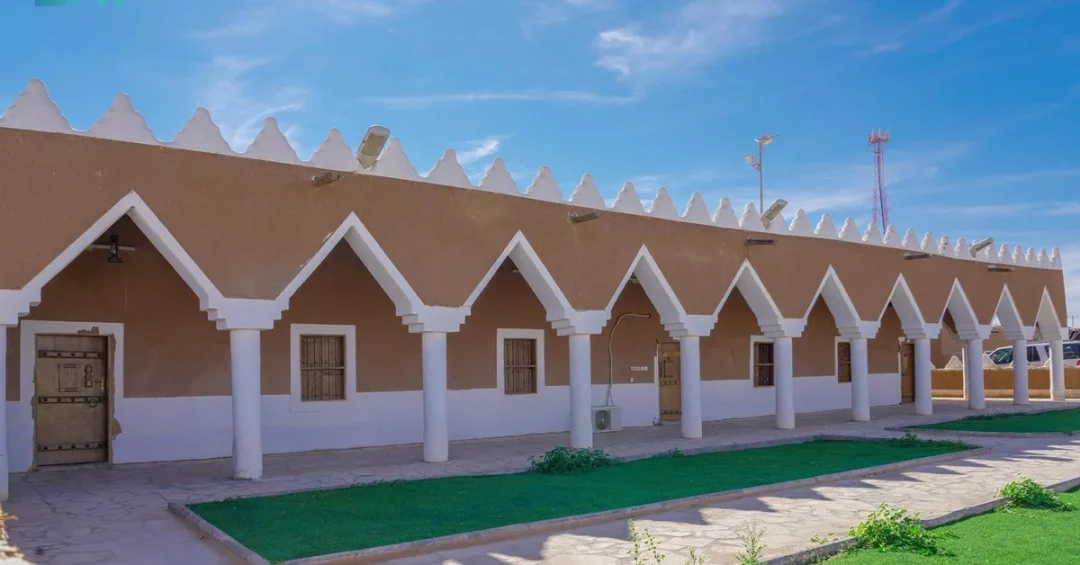
The historic Laynah Mosque, one of the oldest houses of worship in Saudi Arabia’s Northern Borders region, continues to stand as a remarkable testament to authentic Najdi architecture and centuries-old Islamic heritage in the village of Laynah, Rafha. According to information released through official Saudi channels, including the Saudi Press Agency (SPA), the mosque remains an active place of prayer and a celebrated cultural landmark, drawing attention from heritage enthusiasts, researchers, and visitors exploring the Kingdom’s deep-rooted history.
The mosque’s enduring presence in the Northern Borders speaks to a broader story about Saudi Arabia’s commitment to preserving its cultural identity while advancing modernization. Have you ever wondered how structures built more than six decades ago with clay, mud bricks, and palm fronds can still serve their original purpose today? The answer lies in the ingenuity of traditional Najdi builders and the community’s dedication to maintaining their heritage. The Laynah Mosque, nestled beside the historic old market of Laynah, represents far more than a place of worship; it is a living archive of the region’s social, religious, and commercial life, offering a window into how earlier generations in the Kingdom lived, worshipped, and connected with the wider world through trade and travel.
Context and Background
Why does a single mosque in a small northern village matter on the national and international stage? Because it encapsulates the essence of Saudi Arabia’s heritage narrative, one that the Kingdom actively promotes as part of its cultural preservation efforts under Vision 2030. The Laynah Mosque dates back to approximately 1370 AH, placing its construction in the mid-20th century, a period when the Northern Borders region served as a vital crossroads for trade routes connecting the Arabian Peninsula to neighboring regions. The village of Laynah in Rafha Governorate was not merely a remote settlement; it was a thriving hub of commercial and cultural exchange.
The mosque was built using locally sourced materials, a hallmark of Najdi architectural tradition. Clay, mud bricks, stones, athel wood, and palm fronds were carefully assembled to create a structure that spans 600 square meters. This approach to construction reflects a deep understanding of the desert climate and a sustainable use of available resources, principles that resonate with contemporary discussions about environmentally conscious building practices. The inclusion of a well within the mosque complex, providing water for worshippers and ablutions, further demonstrates the thoughtful planning that went into its design. These features were not merely functional; they were integral to the spiritual and communal life of the village, ensuring that the mosque could serve as a center for prayer, learning, and social cohesion.
Understanding the Laynah Mosque requires appreciating the broader historical context of the Northern Borders region. During the mid-20th century, this area was a nexus of caravan routes, bringing together traders, travelers, and scholars from diverse backgrounds. The mosque, located adjacent to one of the region’s earliest markets established in 1352 AH, stood at the heart of this dynamic environment. It was a place where faith and commerce intersected, where the call to prayer echoed alongside the sounds of bustling market activity. This intersection of spiritual and economic life is a recurring theme in Saudi history, and the Laynah Mosque offers a tangible link to that past. Preserving such sites is not about nostalgia; it is about recognizing the foundations upon which the Kingdom’s modern achievements are built.
Key Details
What makes the Laynah Mosque architecturally distinctive among the many historic mosques in Saudi Arabia? Its design is a quintessential example of ancient Najdi style, characterized by beautiful wooden columns, shelves built into the walls for storing copies of the Quran, and heritage lanterns that cast a warm, spiritual ambiance throughout the prayer hall. The mosque can accommodate more than 200 worshippers, a significant capacity for a village setting, underscoring its role as a central gathering place for the community. The wooden columns, likely carved from athel wood, provide structural support while adding an aesthetic warmth that modern materials often lack. The wall shelves are a practical yet elegant solution for keeping the Quran accessible and protected, reflecting the community’s reverence for the holy text.
The mosque’s historical role extended well beyond daily prayers. It served as a platform for education, where the young were taught the fundamentals of monotheism and where numerous religious lessons were held to enhance the community’s religious awareness. This educational function was critical in a time when formal schooling was limited, making the mosque a primary institution for transmitting knowledge and values across generations. The presence of a well within the mosque grounds further reinforced its role as a community hub, providing water for ablutions and daily needs. These elements, combined with the architectural features, paint a picture of a vibrant, self-sufficient community anchored by faith and shared responsibility.
The old market next to the mosque adds another layer of historical significance. Established in 1352 AH, the market stretched over 5,000 square meters and housed around 80 shops, making it a key commercial hub in the Kingdom during the mid-20th century. It was a place where caravans, traders, and travelers converged, representing a vibrant center of interaction between diverse cultures. The proximity of the mosque to the market was no coincidence; it reflected the integrated nature of life in the region, where spiritual and commercial activities were intertwined. Today, the mosque and the market together form a prominent cultural landmark that encapsulates the history of the Northern Borders, offering visitors a comprehensive glimpse into the region’s past.
International and Regional Impact
How does the preservation of a historic mosque in Saudi Arabia’s Northern Borders resonate beyond the Kingdom’s borders? For international audiences, the Laynah Mosque serves as a compelling example of Islamic architectural heritage that predates many modern developments in the region. It highlights the depth and continuity of Saudi cultural history, countering simplistic narratives that overlook the Kingdom’s rich past. For regional neighbors, the mosque represents a shared Islamic heritage, a reminder of the common threads that bind the Arabian Peninsula’s diverse communities. The site’s potential as a tourist destination aligns with Saudi Arabia’s broader efforts to attract visitors interested in cultural and religious tourism, a growing segment of the global travel market.
Moreover, the mosque’s survival and continued use demonstrate the effectiveness of community-based preservation. Unlike museums that freeze history in time, the Laynah Mosque remains a living place of worship, hosting prayers to this day. This living heritage aspect is particularly appealing to international visitors seeking authentic experiences. It also serves as a model for other regions in Saudi Arabia and beyond, showing how historic structures can be maintained and integrated into contemporary life without losing their original character. The Saudi Press Agency’s documentation of the mosque underscores the Kingdom’s commitment to sharing its heritage with the world, a key pillar of its cultural diplomacy and Vision 2030 objectives.
Economic and Strategic Significance
What economic and strategic value does a heritage site like the Laynah Mosque hold for Saudi Arabia? Beyond its cultural importance, the mosque contributes to the local economy by attracting tourists and researchers to the Northern Borders region. Cultural tourism is a growing sector in the Kingdom, and sites like the Laynah Mosque, alongside the old market, offer unique attractions that can stimulate local businesses, from hospitality to handicrafts. The preservation and promotion of such sites align with the strategic goal of diversifying the economy away from oil dependence, a central tenet of Vision 2030. By investing in heritage tourism, Saudi Arabia can create jobs, support small businesses, and showcase its cultural assets to a global audience.
Strategically, the mosque and its surrounding heritage sites reinforce the Kingdom’s soft power. They provide tangible evidence of Saudi Arabia’s historical role as a crossroads of civilizations, a narrative that enhances its standing in international forums. The Northern Borders region, often overshadowed by larger urban centers, gains recognition through such landmarks, promoting balanced regional development. This aligns with Vision 2030’s emphasis on ensuring that all parts of the Kingdom benefit from economic and cultural growth. The Laynah Mosque, therefore, is not just a relic; it is an asset that can drive sustainable development and foster a deeper understanding of Saudi Arabia’s contributions to Islamic civilization.
Vision 2030 Alignment
How does the Laynah Mosque fit into Saudi Arabia’s Vision 2030? The Vision, launched by Crown Prince Mohammed bin Salman, prioritizes the preservation of national heritage as a cornerstone of the Kingdom’s identity and a driver of economic diversification. The mosque exemplifies the Vision’s cultural objectives, which include protecting historic sites, promoting tourism, and enhancing the quality of life for citizens and visitors. By maintaining the Laynah Mosque and promoting it as a cultural destination, Saudi Arabia is investing in its human capital and creating opportunities for communities to engage with their history. This aligns with the Vision’s broader goals of fostering national pride and sharing Saudi heritage with the world.
Furthermore, the mosque’s continued use for prayers and education reflects the Vision’s emphasis on moderate Islam and community development. It serves as a reminder that modernization and tradition can coexist harmoniously. As Saudi Arabia marches toward a future of innovation and global leadership, sites like the Laynah Mosque anchor the nation in its authentic roots. They tell a story of resilience, faith, and ingenuity that resonates with the Vision’s call for a vibrant society. The Kingdom’s commitment to preserving such landmarks ensures that future generations will continue to draw inspiration from the past while building a prosperous tomorrow. In this way, the Laynah Mosque is not merely a historic gem; it is a living symbol of Saudi Arabia’s enduring spirit and its forward-looking vision.
20 Questions
Q1. Where is the Laynah Mosque located?
A1. The Laynah Mosque is located in the historic village of Laynah in Rafha, within the Northern Borders region of Saudi Arabia. It stands next to the old market, a key commercial hub established in 1352 AH.
Q2. When was the Laynah Mosque constructed?
A2. Construction of the Laynah Mosque dates back to around 1370 AH, placing its origins in the mid-20th century. It was built using traditional methods and local materials, reflecting the architectural practices of the era.
Q3. What materials were used to build the mosque?
A3. The mosque was crafted from clay, mud bricks, stones, athel wood, and palm fronds. These locally sourced materials are characteristic of ancient Najdi architectural style and demonstrate sustainable building practices suited to the desert climate.
Q4. How large is the Laynah Mosque?
A4. The mosque covers an area extending to 600 square meters. This includes the prayer hall, a well for water, and other facilities, accommodating over 200 worshippers at a time.
Q5. What architectural style does the mosque represent?
A5. The mosque is a stunning example of ancient Najdi architectural style. It features wooden columns, shelves within the walls for Quran copies, and heritage lanterns that create a distinctive spiritual ambiance.
Q6. How many worshippers can the mosque accommodate?
A6. The Laynah Mosque can accommodate more than 200 worshippers. This capacity underscores its role as a central gathering place for the community in the Northern Borders region.
Q7. What educational role did the mosque play historically?
A7. Historically, the mosque served as a platform for education, teaching the young the fundamentals of monotheism and hosting numerous religious lessons. This enhanced the community’s religious awareness and transmitted knowledge across generations.
Q8. What is the significance of the well inside the mosque?
A8. The well provided water for worshippers and ablutions, reinforcing the mosque’s role as a self-sufficient community hub. It was essential for daily prayers and hygiene, reflecting thoughtful planning in the mosque’s design.
Q9. What is the old market next to the mosque?
A9. The old market, established in 1352 AH, was one of the Northern Borders’ earliest markets. It stretched over 5,000 square meters with around 80 shops and served as a key commercial hub in the Kingdom.
Q10. Why is the mosque considered a cultural landmark today?
A10. Today, the mosque and the old market remain prominent cultural landmarks encapsulating the history of the Northern Borders. They serve as cultural and tourist destinations, reflecting the richness of Islamic architecture and heritage.
Q11. How does the mosque reflect Saudi Arabia’s Vision 2030?
A11. The mosque aligns with Vision 2030’s cultural preservation goals, promoting heritage tourism and community development. It exemplifies how tradition and modernization can coexist, supporting economic diversification and national pride.
Q12. Is the mosque still used for prayers?
A12. Yes, the Laynah Mosque continues to host prayers to this day. It remains an active place of worship, demonstrating the enduring relevance of traditional Islamic architecture in contemporary Saudi society.
Q13. What makes the mosque’s design unique?
A13. Its unique traditional design includes beautiful wooden columns, shelves within the walls for Quran copies, and heritage lanterns. These features add a distinctive spiritual ambiance and showcase Najdi craftsmanship.
Q14. How does the mosque contribute to tourism in the Northern Borders?
A14. The mosque attracts tourists interested in cultural and religious heritage. Alongside the old market, it offers a unique destination that stimulates local businesses and showcases the region’s historical significance.
Q15. What role did the old market play in the region’s history?
A15. The old market was a key commercial hub in the mid-20th century, witnessing caravans, traders, and travelers. It represented a vibrant center of interaction between diverse cultures in the Northern Borders.
Q16. How does the mosque embody sustainability?
A16. Built with local materials like clay, mud bricks, and palm fronds, the mosque reflects sustainable building practices. Its design is suited to the desert climate, demonstrating resource efficiency and environmental harmony.
Q17. What is the significance of the mosque’s location next to the market?
A17. The proximity reflects the integrated nature of life, where spiritual and commercial activities intertwined. It allowed worshippers to combine prayer with trade, fostering community cohesion and cultural exchange.
Q18. How is the mosque being preserved?
A18. The mosque is maintained as a living heritage site, with ongoing use for prayers and education. Its preservation aligns with Saudi Arabia’s efforts to protect historic sites and promote cultural tourism.
Q19. What can international visitors learn from the mosque?
A19. International visitors can learn about Saudi Arabia’s deep Islamic heritage, traditional Najdi architecture, and the harmonious coexistence of faith and daily life. It offers an authentic glimpse into the Kingdom’s past.
Q20. How does the mosque reflect the essence of the past?
A20. The mosque embodies the spirit of heritage architecture that has withstood the test of time. It stands as a testament to the authenticity of the past and its enduring presence in Saudi Arabia’s cultural landscape.
Reader Feedback
We value your thoughts. Please share your feedback on this article.
Your feedback helps us improve our coverage.
Related articles
 Ramadan Cannon Shots in Turaif Mark Arrival of Holy Month
 Ministry of Culture Launches Saudi-Chinese Cultural Year
 Ramadan Cannon: A Timeless Tradition in Saudi Arabia
 Saudi Man Recreates 1980s Ramadan Iftar in Nostalgic Majlis
 Makkah Resident Recounts Ramadan: Journey from Past to Present
 Ramadan in Madinah: Stalls Bring Heritage to Life