


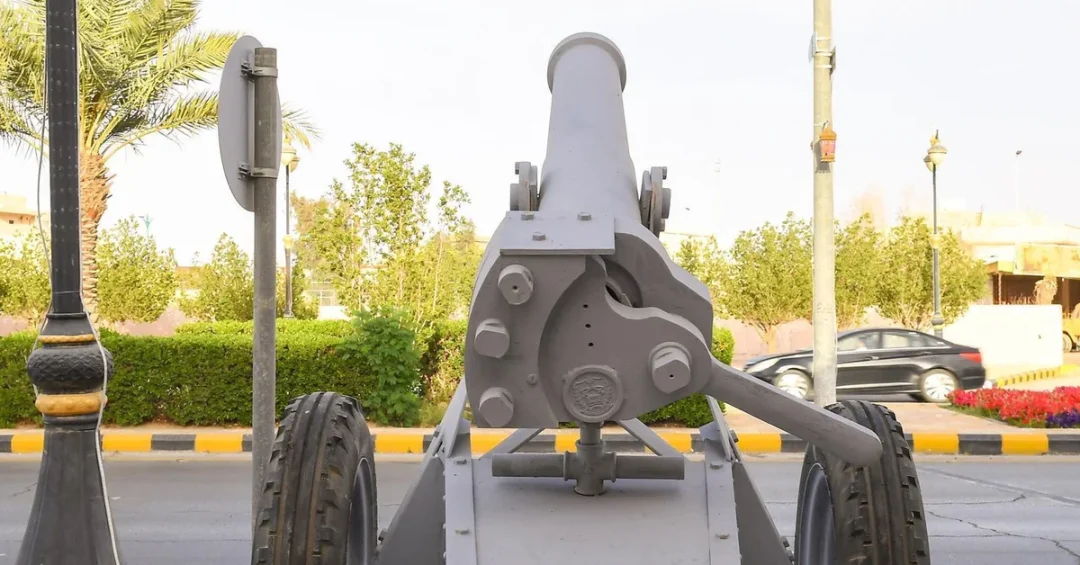
The Ramadan cannon in Turaif, a historic city in the Northern Borders Province of Saudi Arabia, continues to mark the arrival of the holy month of Ramadan with traditional cannon shots that announce Iftar and Suhoor, according to the Saudi Press Agency (SPA). This cherished practice, deeply rooted in the community’s heritage, has been passed down through generations and remains a symbol of the Kingdom’s rich cultural traditions. As Ramadan approaches, the people of Turaif eagerly anticipate the resonant boom that signals the start of the fast and the time to break it, a sound that evokes memories of Ramadan past and unites the community in shared observance.
Have you ever wondered how communities in Saudi Arabia have historically marked the holy month before the era of digital alerts? The Ramadan cannon, known locally as “Midfa’ Al-Ramadan,” is a testament to the Kingdom’s commitment to preserving its cultural heritage while embracing modernity. In Turaif, this tradition dates back many decades, serving as a vital timekeeper for residents before the widespread use of modern communication technologies. Today, even with smartphone apps and mosque announcements, the cannon shots remain an integral part of Ramadan’s spiritual and social fabric, reflecting the deep respect for tradition that characterizes Saudi society.
Context and Background
What is the historical significance of the Ramadan cannon in Turaif, and why does it continue to matter today? The practice of firing cannons to signal the start and end of daily fasts during Ramadan is believed to have originated in Egypt during the Mamluk era and spread across the Islamic world, including the Arabian Peninsula. In Turaif, a city renowned for its archaeological sites and proximity to the Jordanian border, the tradition took root and became a beloved custom. Historian Mamdouh Al-Khamsan, quoted by SPA, explained that security personnel were assigned to maintain and clean the cannon throughout the holy month, ensuring its readiness for the daily firings. This meticulous care underscores the community’s dedication to upholding this heritage.
The cannon would fire a sound blast during Iftar, just before Suhoor, and at the time of Imsak prior to Fajr prayer, Al-Khamsan said. The process involved gathering and cutting up sacks of fabric, placing gunpowder inside the cannon tube, then sealing it with pieces of fabric and packing it tightly until settled. Once prepared, the person in charge would wait for the call to prayer from the mosque’s muezzin, then ignite the fuse, producing a loud explosion that could be heard throughout the entire district. This detailed ritual highlights the precision and community coordination involved in maintaining the tradition.
In an age of instant digital notifications, how does a centuries-old practice like the Ramadan cannon maintain its relevance? The answer lies in its role as a communal beacon, fostering a sense of unity and shared identity. Unlike a smartphone alert, the cannon’s boom is a public announcement that resonates across neighborhoods, bringing people together in a collective rhythm of fasting and feasting. It also serves as a reminder of the simplicity and spirituality of Ramadan, encouraging reflection and gratitude. For the people of Turaif, the cannon is not merely a timekeeping device but a cherished memory and a link to their ancestors.
Key Details
What exactly happens when the Ramadan cannon is fired, and who ensures its operation? According to historian Mamdouh Al-Khamsan, the preparation begins with gathering sacks of fabric, which are cut into pieces. Gunpowder is then placed inside the cannon tube, and the fabric pieces are used to seal it, packed tightly until settled. The person in charge of the Ramadan cannon waits for the muezzin’s call to prayer, then ignites the fuse. The resulting explosion is loud enough to be heard throughout the entire district, signaling the time for Iftar, Suhoor, or Imsak. Security personnel are tasked with maintaining and cleaning the cannon throughout the holy month, ensuring it functions safely and reliably.
The cannon is fired at three key times: during Iftar (the evening meal breaking the fast), just before Suhoor (the pre-dawn meal), and at Imsak (the time to abstain from food and drink before dawn) prior to Fajr prayer. This schedule helps residents structure their fasting day and ensures everyone is aware of the correct timings. In Turaif, the sound of the cannon is so familiar that it has become an auditory hallmark of Ramadan, much like the call to prayer itself. The tradition is particularly cherished by older generations, who recall gathering with family and neighbors to listen for the boom, while younger generations are now learning to appreciate its cultural value.
How does the community of Turaif participate in and preserve this tradition? While the cannon is operated by designated individuals, the entire community plays a role in keeping the custom alive. Families often share stories of Ramadan past, passing down the memories associated with the cannon’s shots. Local authorities, including security personnel, ensure the cannon is well-maintained, reflecting a collective effort to honor heritage. The tradition also attracts attention from visitors and researchers interested in Saudi Arabia’s cultural practices, contributing to the city’s identity as a guardian of authentic Arabian customs. Through such practices, Turaif demonstrates how modernity and tradition can coexist harmoniously.
International and Regional Impact
Why should the world pay attention to a local tradition like the Ramadan cannon in Turaif? In a globalized world, cultural heritage serves as a bridge between nations, offering insights into the values and history of different societies. Saudi Arabia’s dedication to preserving traditions like the Ramadan cannon aligns with its Vision 2030 goals of promoting cultural tourism and showcasing the Kingdom’s rich heritage to international audiences. As Saudi Arabia opens its doors to more visitors through initiatives like the tourist visa program, experiences such as the Ramadan cannon in Turaif provide unique, authentic encounters that distinguish the Kingdom as a destination. They also foster cross-cultural understanding and appreciation.
Regionally, the Ramadan cannon is a shared tradition across many Islamic countries, from Egypt to Indonesia. However, each locale adds its own flavor and customs. In Turaif, the practice is intertwined with the city’s history and geography, reflecting the Northern Borders Province’s distinct identity. By maintaining this tradition, Saudi Arabia reinforces its position as a custodian of Islamic heritage and a leader in cultural preservation. It also sends a message of continuity and stability, showing that despite rapid modernization, the Kingdom remains deeply connected to its roots. This balance is central to Saudi Arabia’s national narrative and its appeal to global audiences.
Economic and Strategic Significance
How does a cultural tradition like the Ramadan cannon contribute to Saudi Arabia’s economic and strategic objectives? While the cannon itself is not a direct economic driver, it is part of a broader cultural ecosystem that supports tourism, local crafts, and community cohesion. Cultural heritage tourism is a growing sector in Saudi Arabia, with the Kingdom aiming to attract 100 million visitors annually by 2030. Authentic experiences, such as witnessing the Ramadan cannon in Turaif, add depth to the tourist offering, encouraging longer stays and repeat visits. They also generate opportunities for local businesses, from hospitality to artisanal goods, thereby supporting job creation and economic diversification.
Strategically, the preservation of such traditions strengthens national identity and social stability. By honoring customs like the Ramadan cannon, Saudi Arabia demonstrates its commitment to its people’s heritage, fostering pride and unity. This is particularly important as the Kingdom undergoes rapid transformation under Vision 2030. The cannon also serves as a soft power tool, projecting an image of a nation that values its past while embracing the future. It counters stereotypes and presents a nuanced picture of Saudi society, which can enhance diplomatic and cultural ties. In this way, a simple cannon shot resonates far beyond its immediate auditory impact.
Vision 2030 Alignment
How does the Ramadan cannon in Turaif align with Saudi Arabia’s Vision 2030? Vision 2030 is not only about economic diversification and modernization but also about preserving and celebrating Saudi Arabia’s cultural heritage. The vision’s cultural pillar aims to enrich the quality of life, promote national identity, and showcase the Kingdom’s heritage to the world. Traditions like the Ramadan cannon are living expressions of this pillar, demonstrating that progress and tradition can go hand in hand. By supporting such practices, Saudi Arabia ensures that its cultural legacy remains vibrant and accessible to future generations and international visitors alike.
As Ramadan approaches, the cannon shots in Turaif will once again echo through the district, reminding residents of the holy month’s spiritual significance and the enduring strength of their community. This tradition, documented by the Saudi Press Agency, exemplifies the Kingdom’s rich cultural tapestry and its commitment to sharing it with the world. In a time of rapid change, the Ramadan cannon stands as a beacon of continuity, connecting the past to the present and inspiring a future where heritage and modernity thrive together. For Saudi Arabia, it is a symbol of pride, resilience, and the timeless values that define its society.
20 Questions
Q1. What is the Ramadan cannon in Turaif?
A1. The Ramadan cannon is a traditional practice in Turaif where a cannon is fired to announce the times for Iftar, Suhoor, and Imsak during the holy month of Ramadan. It is a cherished custom that dates back many decades and remains a symbol of the city’s heritage.
Q2. When does the Ramadan cannon fire in Turaif?
A2. The cannon fires during Iftar (breaking the fast), just before Suhoor (pre-dawn meal), and at the time of Imsak (abstaining from food and drink before dawn) prior to Fajr prayer. These firings help residents observe the correct timings for their fasts.
Q3. Who is responsible for maintaining the Ramadan cannon in Turaif?
A3. According to historian Mamdouh Al-Khamsan, security personnel are assigned to maintain and clean the cannon throughout the holy month. Their role ensures the cannon is safe and operational for each firing.
Q4. How is the Ramadan cannon prepared for firing?
A4. The process involves gathering and cutting up sacks of fabric, placing gunpowder inside the cannon tube, and sealing it with pieces of fabric packed tightly until settled. The person in charge then waits for the muezzin’s call to prayer before igniting the fuse.
Q5. What is the historical origin of the Ramadan cannon tradition?
A5. The tradition is believed to have originated in Egypt during the Mamluk era and spread across the Islamic world, including the Arabian Peninsula. In Turaif, it became a beloved custom that has been passed down through generations.
Q6. Why is the Ramadan cannon important to the people of Turaif?
A6. It is a cherished memory and a symbol of community unity. Before modern communication, the cannon served as a vital timekeeper, and today it remains a source of pride and a link to the city’s cultural heritage.
Q7. How does the Ramadan cannon reflect Saudi Arabia’s cultural heritage?
A7. The cannon exemplifies Saudi Arabia’s commitment to preserving its traditions and sharing them with the world. It is part of the Kingdom’s rich cultural tapestry, showcasing the harmony between modernity and heritage.
Q8. What role does the muezzin play in the cannon firing?
A8. The person in charge of the cannon waits for the call to prayer from the mosque’s muezzin. This coordination ensures the cannon fires at the correct time, aligning with the community’s prayer schedule.
Q9. How does the Ramadan cannon contribute to Vision 2030?
A9. Vision 2030 emphasizes cultural preservation and tourism. The cannon is a living expression of these goals, enriching the quality of life, promoting national identity, and offering authentic experiences to visitors, thereby supporting economic diversification.
Q10. Can visitors witness the Ramadan cannon in Turaif?
A10. Yes, visitors to Turaif during Ramadan can experience this tradition. As Saudi Arabia opens up to tourism, such cultural practices provide unique opportunities for international guests to engage with the Kingdom’s heritage.
Q11. What is the significance of the cannon’s loud explosion?
A11. The loud explosion can be heard throughout the entire district, serving as a public announcement that unites the community. It signals the start and end of daily fasts, fostering a shared sense of time and spirituality.
Q12. How does the Ramadan cannon compare to modern communication methods?
A12. While modern methods like apps and mosque loudspeakers are efficient, the cannon offers a tangible, communal experience. It connects people to tradition and creates a collective rhythm that digital alerts cannot replicate.
Q13. What materials are used in firing the Ramadan cannon?
A13. The process uses gunpowder and pieces of fabric from sacks. The fabric is used to seal the cannon tube after gunpowder is placed inside, ensuring a controlled explosion when the fuse is ignited.
Q14. Is the Ramadan cannon tradition unique to Turaif?
A14. While similar traditions exist in other Islamic countries, Turaif’s practice is unique to its local history and culture. It reflects the Northern Borders Province’s distinct identity and the community’s dedication to preserving heritage.
Q15. How long has the Ramadan cannon tradition existed in Turaif?
A15. The tradition dates back many decades, according to SPA. It has been passed down through generations, becoming an integral part of Ramadan observances in the city.
Q16. What safety measures are in place for the cannon firing?
A16. Security personnel are assigned to maintain and clean the cannon, ensuring it is safe for use. The careful preparation process, including packing the fabric tightly, also contributes to safe operation.
Q17. How does the Ramadan cannon enhance community spirit in Turaif?
A17. The cannon brings people together by providing a shared signal for Iftar and Suhoor. Families and neighbors often gather to listen for the boom, reinforcing social bonds and a collective sense of purpose during Ramadan.
Q18. What does the Ramadan cannon symbolize in Saudi culture?
A18. It symbolizes the enduring value of tradition, community unity, and spiritual devotion. It also represents Saudi Arabia’s ability to balance modernity with heritage, a key aspect of the Kingdom’s identity.
Q19. How is the Ramadan cannon documented by official sources?
A19. The Saudi Press Agency (SPA) has reported on the tradition, quoting historian Mamdouh Al-Khamsan. This official documentation highlights the cultural significance and ensures the practice is recognized and preserved.
Q20. What message does the Ramadan cannon send to the world?
A20. It showcases Saudi Arabia’s rich cultural heritage and its commitment to preserving traditions. It also invites the world to appreciate the Kingdom’s authentic customs and the harmony between its past and its Vision 2030 future.
Reader Feedback
We value your thoughts. Please share your feedback on this article.
Your feedback helps us improve our coverage.
Related articles
 Ministry of Culture Launches Saudi-Chinese Cultural Year
 Ramadan Cannon: A Timeless Tradition in Saudi Arabia
 Saudi Man Recreates 1980s Ramadan Iftar in Nostalgic Majlis
 Makkah Resident Recounts Ramadan: Journey from Past to Present
 Ramadan in Madinah: Stalls Bring Heritage to Life
 AlUla Farms: Oasis of Tradition, Family, and Ramadan