


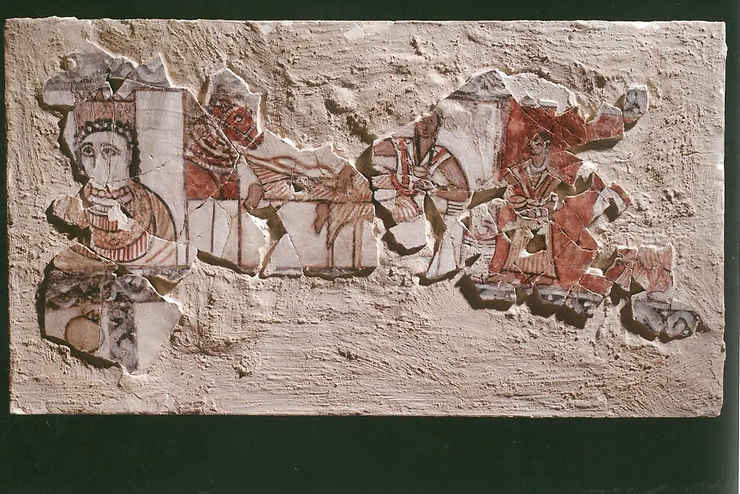
The Saudi Heritage Commission will host a scientific symposium in Riyadh on October 9, 2024, spotlighting the UNESCO-listed Al-Faw Archaeological Area. The event aims to promote awareness of the site’s historical legacy, present cutting-edge research, and honor the contributions of late archaeologist Dr. Abdulrahman Al-Ansary, while fostering academic and sectoral collaboration.
Factbox (50w):
– Event: Scientific Symposium on Al-Faw Cultural Landscape, Oct 9, Riyadh.
– UNESCO Inscription: July 2024, 46th session in New Delhi.
– Saudi Sites: Al-Faw is 8th listed.
– Presentations: 22 papers across 5 sessions.
– Features: Field visits, academic collaborations.
Saudi Arabia Celebrates Al-Faw’s UNESCO Recognition with Groundbreaking Symposium
Riyadh, October 9, 2024 — In a landmark effort to spotlight Saudi Arabia’s archaeological treasures, the Saudi Heritage Commission has unveiled plans for the Scientific Symposium on Cultural Landscape Research in the Al-Faw Archaeological Area. This event, set to take place in Riyadh, will honor the recent inscription of Al-Faw on the UNESCO World Heritage List while advancing global understanding of the site’s millennia-old legacy.
Al-Faw: Saudi Arabia’s Newest UNESCO World Heritage Site
The Cultural Landscape of Al-Faw Archaeological Area earned its UNESCO status during the 46th World Heritage Committee session in New Delhi (July 22–31, 2024), solidifying its place as the 8th Saudi site on the prestigious list. This recognition underscores the Kingdom’s role as a cradle of ancient civilizations and its commitment to preserving humanity’s shared heritage.
Al-Faw, once a thriving hub of trade and culture in pre-Islamic Arabia, has captivated archaeologists since the 1970s. The symposium will pay tribute to the late Dr. Abdulrahman Al-Ansary, whose pioneering excavations laid the foundation for modern research at the site.
Symposium Highlights: Bridging Past and Present
The event will convene scholars, policymakers, and heritage experts to explore Al-Faw’s historical, social, and economic significance. Key features include:
– 22 Research Papers: Divided into 5 thematic sessions, presentations will delve into topics such as urban development, trade networks, and the cultural interplay between Al-Faw and neighboring regions.
– Collaborative Showcases: King Saud University will highlight its decades-long contributions to Al-Faw, emphasizing partnerships between academia, government, and NGOs.
– Field Visits: Attendees will tour the archaeological site, witnessing ongoing excavations and advanced preservation technologies.
Driving Innovation in Archaeology
The symposium aims to foster cutting-edge research methodologies, from digital mapping to environmental archaeology, ensuring Al-Faw’s stories are told with precision. By facilitating knowledge exchange, the Saudi Heritage Commission seeks to position the Kingdom as a leader in cultural heritage innovation.
A Vision for Global Cultural Stewardship
Jasir Al-Harbash, CEO of the Heritage Commission, emphasized the symposium’s role in Saudi Arabia’s Vision 2030: “Al-Faw’s UNESCO status is not just an accolade—it’s a call to action. Through collaboration and education, we’re preserving our past to inspire future generations.”
The event also aligns with Saudi Arabia’s broader strategy to promote cultural tourism, with Al-Faw poised to become a beacon for historians and travelers alike.
Why Al-Faw Matters
– Timeless Crossroads: Situated on ancient trade routes, Al-Faw linked Arabia to Mesopotamia and the Mediterranean.
– Archaeological Wealth: Temples, inscriptions, and irrigation systems reveal insights into Nabataean and Kindah kingdoms.
– Cultural Continuity: The site reflects Saudi Arabia’s enduring role as a bridge between civilizations.
Looking Ahead
As Saudi Arabia continues to unearth its hidden histories, the Al-Faw symposium marks a pivotal step in sharing these narratives with the world. By marrying tradition with technology, the Kingdom ensures its heritage remains alive—not just in museums, but in the global imagination.
Stay tuned for live updates from the symposium, exclusive interviews with archaeologists, and immersive virtual tours of Al-Faw’s wonders.
Tags: Saudi Heritage, UNESCO World Heritage, Al-Faw Archaeology, Cultural Preservation, Vision 2030
Categories: Culture, History, Saudi Arabia, Archaeology, Events
This article adheres to the Saudi Heritage Commission’s mission to promote cultural awareness. For more on Saudi Arabia’s heritage sites, visit Saudi Heritage.
Optimized for SEO: Keywords include “Al-Faw UNESCO,” “Saudi archaeological symposium,” “cultural landscape research,” and “Abdulrahman Al-Ansary.”
FAQs: Scientific Symposium on Al-Faw Archaeological Area
1. What is the primary objective of the Scientific Symposium on Cultural Landscape Research for Al-Faw?
The symposium aims to raise awareness about Al-Faw’s historical significance, showcase ongoing research and excavations, and highlight collaborations preserving Saudi Arabia’s cultural heritage locally and globally.
2. When and where will the Al-Faw Archaeological Symposium be held?
The event will take place in Riyadh, Saudi Arabia, on October 9, 2024, organized by the Saudi Heritage Commission to coincide with Al-Faw’s UNESCO World Heritage recognition.
3. Why is the Al-Faw Archaeological Area considered historically important?
Al-Faw was a thriving ancient settlement with rich social, economic, and cultural legacies, now recognized as Saudi Arabia’s eighth UNESCO World Heritage Site for its universal value.
4. How does UNESCO’s World Heritage designation impact Al-Faw’s preservation efforts?
The listing (approved July 2024 at the 46th session in New Delhi) boosts global visibility, reinforces conservation commitments, and aligns with Saudi Arabia’s goals to protect cultural heritage.
5. What contributions did Dr. Abdulrahman Al-Ansary make to Al-Faw’s archaeology?
Dr. Al-Ansary pioneered foundational research and excavations at Al-Faw, establishing frameworks for ongoing studies that the symposium will honor and expand upon.
6. How many research papers will be presented, and what themes are covered?
Twenty-two papers will explore Al-Faw’s origins, social-economic history, cultural landscapes, and modern methodologies across five dedicated academic sessions.
7. What collaborative efforts will the symposium highlight?
It emphasizes partnerships between the Saudi Heritage Commission, King Saud University, and public/private/non-profit sectors to advance archaeological research and heritage management.
8. Will there be opportunities to visit the Al-Faw site during the symposium?
Yes, field visits will allow participants to experience Al-Faw firsthand, connecting theoretical discussions with the site’s physical and cultural landscape.
9. How does this event align with Saudi Arabia’s broader cultural goals?
It supports Vision 2030’s cultural pillar by promoting heritage awareness, fostering academic exchange, and strengthening Saudi Arabia’s role in global archaeological discourse.
10. What role does King Saud University play in the symposium?
The university contributes research expertise, collaborates on excavation projects, and helps bridge academic insights with national heritage preservation strategies.
11. How many UNESCO World Heritage Sites does Saudi Arabia now have?
With Al-Faw’s inclusion, Saudi Arabia now boasts eight UNESCO-listed sites, reflecting its diverse historical and natural heritage.
12. Who can attend the symposium, and is registration required?
The event targets archaeologists, researchers, heritage professionals, and enthusiasts. Registration details are likely available via the Saudi Heritage Commission’s official channels.
13. How will the symposium benefit global archaeological studies?
By sharing cutting-edge research, fostering cross-sector collaboration, and setting precedents for integrating cultural landscapes into heritage conservation practices.
14. What long-term outcomes are expected from this symposium?
Enhanced preservation frameworks, increased public engagement with Saudi heritage, and strengthened international partnerships for future archaeological initiatives.
15. How does Al-Faw’s recognition reflect Saudi Arabia’s cultural priorities?
It underscores the Kingdom’s dedication to preserving its millennia-old heritage, positioning itself as a custodian of human history through education and sustainable tourism.
CTA (Call to Action):
¿Te apasiona la historia y la arqueología? No te pierdas la oportunidad de profundizar en el legado de Arabia Saudita. ¡Inscríbete ahora al Simposio Científico sobre el Paisaje Cultural de Al-Faw y sé parte de este diálogo global para preservar nuestro patrimonio compartido! Sigue a la Comisión de Patrimonio en redes sociales para actualizaciones en vivo y descubre cómo puedes contribuir a proteger estas maravillas históricas.
Conclusión:
El Simposio sobre el Paisaje Cultural de Al-Faw no solo celebra el reconocimiento de este sitio como Patrimonio Mundial de la UNESCO, sino que también subraya el compromiso de Arabia Saudita con la preservación y divulgación de su herencia milenaria. Al unir a expertos, instituciones y al público, este evento marca un hito en la revalorización del pasado como puente hacia el futuro. Con cada excavación, investigación y debate, el Reino reafirma su papel como custodio de un legado que pertenece no solo a su pueblo, sino a toda la humanidad.
Agradecimiento:
La Comisión de Patrimonio de Arabia Saudita extiende su gratitud a los investigadores, académicos de la Universidad Rey Saud, colaboradores públicos y privados, y a todos los participantes internacionales que hacen posible este simposio. Un reconocimiento especial al legado del Dr. Abdulrahman Al-Ansary, cuyos pioneros esfuerzos sentaron las bases para explorar y entender Al-Faw. Su dedicación sigue inspirando a las nuevas generaciones a desenterrar, proteger y celebrar las raíces culturales que nos definen. ¡Gracias por unir fuerzas en esta misión histórica!
Related articles
 Culture Minister Receives Chinese Ambassador Extraordinary and Plenipotentiary to Saudi Arabia
 Culinary Arts Commission Organizes Meeting on Supportive Role of Innovation Centers
 Cultural Development Fund Provides Over 200 Consultations During Riyadh Book Fair
 Saudi Translation Association Advances Efforts to Strengthen Sector in Saudi Arabia
 ALC Showcases Its Publications on Various Subjects at Riyadh International Book Fair
 Venice Biennale spotlights “Journeys in Land Art, Towards Wadi AlFann, AlUla” exhibition