


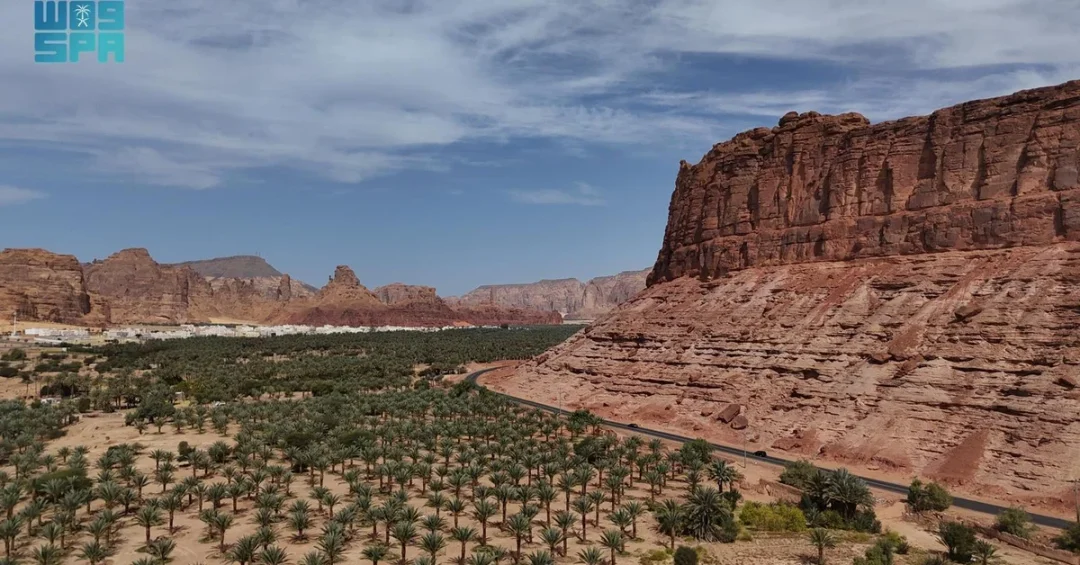
AlUla’s agricultural sector, overseen by the Royal Commission for AlUla (RCU), encompasses 16,579 hectares of palm farms home to more than 3.1 million palm trees, producing 116,056 tons of dates annually, according to official Saudi information released via the Saudi Press Agency (SPA). The figures, published during the holy month of Ramadan, underline the scale of an oasis that ranks among the largest date-producing regions in the Kingdom of Saudi Arabia and has become a cornerstone of the RCU’s efforts to regenerate the historic northwest region as a global destination for heritage, culture and sustainable agriculture.
How does a single region come to sustain more than three million palms while simultaneously opening its gates to the world? For AlUla, the answer lies in generations of cultivation knowledge paired with a modern development framework. The date production season runs from August 15 to October 30, a window marked by intense economic activity across farms, packing houses and markets. Barni dates, the variety most closely associated with AlUla, account for roughly 80 percent of the annual harvest, giving the region a distinct identity in a national date industry that is among the most productive in the world. Demand traditionally peaks during Ramadan, when dates hold a cherished place on tables across the Kingdom and increasingly in international markets.
Context and Background
What gives AlUla’s oasis its enduring agricultural character? Located in the Medina Province of northwestern Saudi Arabia, AlUla has been a crossroads of trade and settlement for millennia, and its palm groves form a green ribbon through an otherwise arid landscape. The Royal Commission for AlUla, established to protect and develop the region, supervises the agricultural sector alongside its broader mandate covering heritage, tourism and community development. Under this framework, the traditional oasis is not treated as a relic but as a living economic asset that supports farming families, generates employment and supplies markets across the country.
The scale recorded in the official figures is considerable: 16,579 hectares under cultivation and 3.1 million palm trees yielding 116,056 tons of dates each year. These numbers place AlUla among the Kingdom’s leading date-producing areas and illustrate how the sector contributes to national food security objectives. Saudi Arabia is one of the world’s foremost producers and exporters of dates, and regional strongholds such as AlUla help anchor that position through volume, variety and quality. The harvest calendar, running from mid-August to the end of October, structures the working year for thousands of residents and creates a predictable rhythm for traders, transporters and exporters.
The prominence of the Barni variety is central to AlUla’s reputation. Known for its texture, sweetness and suitability for both direct consumption and processed products, Barni dates represent about four-fifths of the annual crop. This concentration gives the region a recognizable brand in domestic and export markets, while other varieties grown across the oasis add diversity to the overall offering. The result is an agricultural economy with a clear identity and multiple revenue streams.
Key Details
What does the RCU actually do to support farmers through the year? According to the official information, the Commission provides training courses, workshops, dedicated markets, events and festivals designed to promote local products. Among its flagship initiatives is the AlUla Dates Festival, which plays a vital role in marketing local produce while preserving the region’s rich heritage. The festival brings together farmers, buyers and visitors, creating a marketplace that connects the oasis to national and international demand and reinforces AlUla’s cultural standing.
Another ongoing initiative is the “Model Farm and Field School” project, which continues its work during Ramadan by offering specialized workshops aimed at improving agricultural practices for residents and farmers. Such programs address practical questions of irrigation, palm care, pest management and post-harvest handling, helping producers raise yields and quality in line with modern standards. By embedding technical support within the community, the RCU seeks to ensure that the benefits of development reach the people who cultivate the land.
During Ramadan, AlUla markets experience a surge in demand for dates of all kinds, reflecting their continued popularity in Saudi households and among visitors. Dates are traditionally used to break the fast, and the seasonal spike in consumption gives farmers and traders an important commercial window. The official information notes that this demand is met through organized markets and events, ensuring that local produce reaches consumers efficiently while farmers capture fair value for their harvest. The combination of heritage, seasonal demand and institutional support keeps the sector active throughout the year, not only during the harvest months.
International and Regional Impact
Why should readers beyond Saudi Arabia pay attention to a date harvest in the northwest of the Kingdom? Because AlUla’s agricultural output is increasingly connected to global markets and to the region’s wider tourism economy. Saudi dates are exported to dozens of countries, and AlUla’s distinctive varieties give the Kingdom another premium product to offer international buyers. At the same time, the oasis forms part of the visitor experience: travelers who come for the heritage sites of Hegra and the landscapes of the region also encounter its farms, festivals and traditional markets, creating a bridge between agriculture and tourism.
Regionally, AlUla’s success reinforces the Kingdom’s role as a reliable supplier of food products and as a hub for cultural exchange. The official information emphasizes that the RCU’s work preserves the region’s heritage while promoting local products, a dual approach that resonates with partners across the Gulf and beyond. For neighboring countries and trading partners, the steady output of more than 116,000 tons annually represents a dependable contribution to regional food supply chains. For international audiences, it offers a concrete example of how Saudi Arabia is combining tradition with modern management in its agricultural sector.
Economic and Strategic Significance
How significant is the date sector to Saudi Arabia’s broader economic goals? Agriculture remains an important component of the national economy, and dates hold a special place both culturally and commercially. AlUla’s 16,579 hectares of palm farms support livelihoods across farming, processing, logistics and retail. The annual harvest of 116,056 tons generates income for producers and revenue for local businesses, while the festivals and markets organized by the RCU extend the economic benefit into hospitality, transport and tourism services.
Strategically, the sector aligns with national priorities around food security, rural development and economic diversification. By investing in training, workshops and field schools, the RCU helps farmers improve productivity and adapt to changing conditions, including water management in a desert environment. The emphasis on dedicated markets and events strengthens the link between production and demand, reducing waste and improving returns. These measures reflect a broader recognition that sustainable agriculture is not only about output but also about the resilience of communities and the stewardship of natural resources.
Vision 2030 Alignment
Where does a thriving oasis fit within Saudi Vision 2030? The Vision seeks to diversify the economy, develop regions outside major cities and enhance the quality of life for citizens and residents. AlUla’s agricultural program, led by the Royal Commission for AlUla, contributes on all three fronts. It sustains a productive rural economy, creates jobs and entrepreneurial opportunities, and supports the growth of tourism by giving visitors an authentic connection to the land and its traditions. The date festivals and markets are not only commercial events; they are platforms for cultural preservation and community pride.
As the Kingdom continues to open to the world, regions like AlUla demonstrate how heritage and modernization can advance together. The official figures released via the Saudi Press Agency during Ramadan tell a story of scale and continuity: millions of palms, tens of thousands of hectares, and more than a hundred thousand tons of dates each year. For international readers, the takeaway is clear. Saudi Arabia’s agricultural heartlands are productive, professionally managed and increasingly integrated with global markets, and AlUla’s oasis stands as one of the most vivid examples of that promise. With continued support from the RCU and the dedication of local farmers, the region is well positioned to build on its achievements in the years ahead.
20 Questions
Q1. How large is the AlUla oasis?
A1. The oasis spans 16,579 hectares of palm farms, according to official Saudi information. This makes it one of the largest date-producing regions in the Kingdom and a central part of the Royal Commission for AlUla’s agricultural program.
Q2. How many palm trees grow in AlUla?
A2. The farms are home to more than 3.1 million palm trees. This vast number supports an annual harvest that supplies markets across Saudi Arabia and contributes to the Kingdom’s position as a leading global date producer.
Q3. What is the annual date production in AlUla?
A3. AlUla produces 116,056 tons of various types of dates each year, based on official figures. The volume reflects the scale of the oasis and the productivity of its cultivated palm groves.
Q4. Which date variety is most famous in AlUla?
A4. Barni dates are the most renowned variety in the region and make up about 80 percent of the annual harvest. They are prized for their quality and are closely associated with AlUla’s agricultural identity.
Q5. When does the date production season run in AlUla?
A5. The season runs from August 15 to October 30 each year. This period is marked by significant economic activity across farms, packing facilities, markets and transport networks.
Q6. Why is Ramadan important for AlUla date sales?
A6. During Ramadan, demand for dates surges across the Kingdom because dates are traditionally used to break the fast. AlUla markets experience this seasonal increase, giving farmers and traders an important commercial window.
Q7. Who oversees agriculture in AlUla?
A7. The Royal Commission for AlUla (RCU) oversees the agricultural sector as part of its broader mandate. The RCU supports farmers and promotes local products through training, markets and festivals.
Q8. What is the AlUla Dates Festival?
A8. The AlUla Dates Festival is a flagship RCU initiative that markets local produce while preserving the region’s heritage. It brings together farmers, buyers and visitors, strengthening the link between the oasis and its customers.
Q9. What is the Model Farm and Field School project?
A9. It is an ongoing RCU project that offers specialized workshops to improve agricultural practices for residents and farmers. The program continues during Ramadan and focuses on practical skills and modern techniques.
Q10. How does the RCU support farmers?
A10. The RCU provides training courses, workshops, dedicated markets, events and festivals. These measures help farmers improve productivity, reach buyers and earn fair returns for their harvest.
Q11. What economic role do dates play in AlUla?
A11. Dates support livelihoods across farming, processing, logistics and retail. The annual harvest generates income for producers and revenue for local businesses, while festivals extend benefits into hospitality and tourism.
Q12. How does AlUla’s date sector relate to food security?
A12. The sector contributes to national food security by supplying large volumes of dates each year. Saudi Arabia is among the world’s foremost date producers, and regions like AlUla help anchor that position.
Q13. Are AlUla dates exported internationally?
A13. Saudi dates are exported to many countries, and AlUla’s distinctive varieties add a premium offering to international markets. Export activity supports the Kingdom’s trade objectives and economic diversification.
Q14. How does date farming connect to tourism in AlUla?
A14. Visitors who come for AlUla’s heritage sites also encounter its farms, festivals and traditional markets. This creates a bridge between agriculture and tourism, enriching the visitor experience and supporting local businesses.
Q15. What varieties of dates grow in AlUla?
A15. AlUla produces various types of dates, with Barni being the most renowned and accounting for about 80 percent of the harvest. Other varieties add diversity to the region’s overall offering.
Q16. How does the RCU preserve AlUla’s heritage?
A16. The RCU integrates heritage preservation into its agricultural and tourism programs. Festivals and markets celebrate local traditions, ensuring that development respects and promotes the region’s cultural legacy.
Q17. What training do farmers receive?
A17. Farmers receive training courses and workshops covering irrigation, palm care, pest management and post-harvest handling. The Model Farm and Field School project delivers specialized instruction to improve practices.
Q18. How many people benefit from AlUla’s date industry?
A18. Thousands of residents benefit directly and indirectly through farming, processing, transport, retail and tourism services. The sector is a major source of employment and income in the region.
Q19. How does the date sector align with Vision 2030?
A19. It supports economic diversification, regional development and quality of life improvements. By strengthening rural economies and tourism, the sector contributes directly to Saudi Vision 2030 objectives.
Q20. What is the outlook for AlUla’s agriculture?
A20. With continued RCU support and dedicated farmers, AlUla is well positioned to build on its achievements. Ongoing investment in training and marketing should sustain production and expand international reach.
Reader Feedback
We value your thoughts. Please share your feedback on this article.
Your feedback helps us improve our coverage.
Related articles
 SME Bank Launches Phase Two of Agency Model for 2025
 IsDB Wins DFI of the Year 2025 Award in Türkiye
 Ramadan Markets: A Vibrant Hub of Community and Commerce
 Eastern Region Date Markets See Surge in Ramadan Activity
 Saudi Red Meat Production Surges to 270,000 Tons
 Wareef Charity Honored for Second-Largest Endowment Fund