


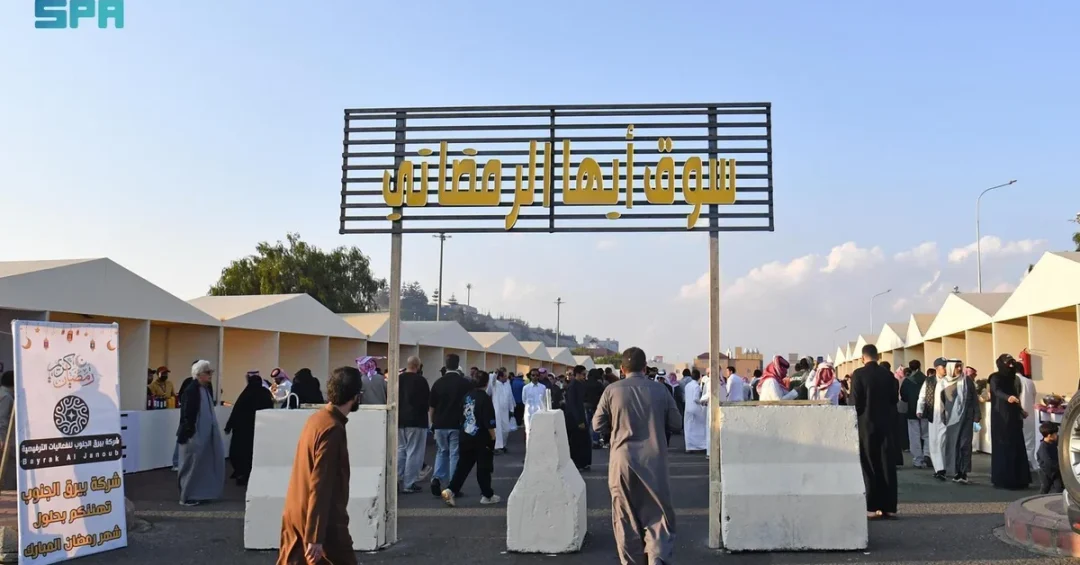
Ramadan markets across the Aseer Region are experiencing a surge in popularity, transforming neighborhoods like Al-Mashhad in Abha into vibrant centers of commerce and community, according to the Saudi Press Agency (SPA). These seasonal markets, which operate from after Asr prayer until iftar throughout the holy month, offer a unique blend of economic opportunity and social interaction, reflecting the Kingdom’s rich cultural heritage and its forward-looking Vision 2030. Local resident Ahmed Asiri noted that the increasing popularity of these markets highlights their ongoing expansion and appeal in the Aseer Region, a testament to their enduring value in Saudi society.
Have you ever wondered how a simple market can become the beating heart of a community during the holy month? The Ramadan markets in Aseer are more than just places to buy and sell; they are dynamic social hubs where traditions are celebrated, friendships are strengthened, and the spirit of Ramadan comes alive. As the Kingdom continues to modernize and open up to the world, these markets remain a cherished constant, showcasing the best of Saudi hospitality and entrepreneurial spirit. They provide a platform for local families and culinary enthusiasts to showcase their fresh food offerings, creating an atmosphere of warmth and generosity that defines the holy month.
Context and Background
What makes these markets so special that they draw crowds year after year? The Ramadan markets in Aseer have deep roots in the region’s history, evolving from traditional weekly markets that are held year-round. These weekly markets have long been a staple of life in Aseer, providing a space for farmers, artisans, and traders to sell their goods. During Ramadan, they undergo a remarkable transformation, becoming lively social hubs that operate from after Asr prayer until iftar. This timing allows families to gather after their afternoon prayers, shop for iftar essentials, and enjoy time with friends and neighbors. The markets are not just about commerce; they are about community, connection, and the shared experience of preparing for the evening meal that breaks the fast.
The Aseer Region, known for its stunning mountainous landscapes and rich cultural heritage, boasts dozens of Ramadan markets spread across its governorates. Each market has its own unique character, but they all share a common purpose: to serve the community and celebrate the spirit of Ramadan. Municipalities have dedicated teams to oversee the quality of goods on display, ensuring smooth operations and creating a safe and enjoyable experience for all visitors. This attention to detail reflects the Kingdom’s commitment to providing high-quality services and promoting a vibrant quality of life for its citizens and residents, a key objective of Saudi Vision 2030.
How do these markets reflect the broader changes taking place in Saudi Arabia? As the Kingdom undergoes a historic transformation under Vision 2030, initiatives like these markets demonstrate how tradition and modernity can coexist harmoniously. The markets provide economic opportunities for small businesses and entrepreneurs, particularly those in the cottage industry, while also preserving cultural practices that have been passed down through generations. They are a living example of how Saudi Arabia is embracing its heritage while building a dynamic, diversified economy.
Key Details
What exactly can visitors expect when they step into a Ramadan market in Aseer? The experience is a feast for the senses. From the moment you arrive, you are greeted by the aroma of freshly baked bread, sizzling kebabs, and aromatic spices. Vendors proudly display their wares, from handmade crafts and traditional clothing to a dazzling array of dates, sweets, and savory dishes. The markets are particularly renowned for their fresh food offerings, with many families and culinary enthusiasts setting up stalls to sell homemade delicacies that are perfect for iftar. Whether you are looking for a special treat to share with loved ones or simply want to soak in the festive atmosphere, these markets have something for everyone.
Local resident Ahmed Asiri, who regularly visits the market in Abha’s Al-Mashhad neighborhood, emphasized that the increasing popularity of these markets highlights their ongoing expansion and appeal. “The Ramadan markets provide a unique annual confluence of economic opportunity and social interaction,” he said, according to SPA. “They serve as vital economic hubs for families working in the cottage industry and culinary enthusiasts, providing them a platform to showcase their fresh food offerings.” His words capture the essence of what makes these markets so important: they are not just about transactions; they are about people coming together to support one another and celebrate their shared heritage.
How do the municipalities ensure that the markets run smoothly and safely? The municipalities in Aseer have dedicated teams to oversee the quality of the goods on display, ensuring that everything sold meets high standards of safety and hygiene. This oversight is crucial for maintaining the trust of visitors and ensuring that the markets remain a safe and enjoyable experience for all. The teams also manage logistics, such as traffic flow and waste management, to ensure that the markets operate efficiently. This level of organization is a testament to the Kingdom’s commitment to excellence and its ability to deliver world-class services, even in traditional settings.
International and Regional Impact
Why should the international community pay attention to these local markets? The Ramadan markets in Aseer are not just a local phenomenon; they are a reflection of Saudi Arabia’s broader cultural and economic renaissance. As the Kingdom opens its doors to the world through initiatives like Vision 2030, these markets offer a glimpse into the rich tapestry of Saudi society. They showcase the warmth, generosity, and entrepreneurial spirit of the Saudi people, challenging stereotypes and fostering a deeper understanding of the Kingdom’s culture. For international visitors, a visit to a Ramadan market can be a highlight of their trip, providing an authentic and immersive experience that goes beyond typical tourist attractions.
Moreover, the markets contribute to the regional economy by supporting local businesses and creating jobs. They attract visitors from across the Aseer Region and beyond, boosting tourism and generating revenue for local communities. This aligns with the Kingdom’s efforts to diversify its economy and promote sustainable development. By empowering small businesses and entrepreneurs, the markets help to create a more resilient and inclusive economy, which is essential for the long-term prosperity of Saudi Arabia. The success of these markets also serves as a model for other regions in the Kingdom, demonstrating how traditional practices can be leveraged to drive economic growth and social cohesion.
Economic and Strategic Significance
How do these markets contribute to Saudi Arabia’s economic diversification goals? The Ramadan markets are a microcosm of the Kingdom’s economic transformation. They provide a platform for small and medium-sized enterprises (SMEs) to thrive, which is a key pillar of Vision 2030. By supporting cottage industries and local culinary talent, the markets help to nurture a culture of entrepreneurship and innovation. This is particularly important for women and youth, who are increasingly participating in the economy and finding new opportunities to contribute to the Kingdom’s growth. The markets also promote the consumption of local products, reducing reliance on imports and strengthening the domestic economy.
What strategic value do these markets hold for the future? As Saudi Arabia continues to develop its tourism sector, experiences like the Ramadan markets become valuable assets. They offer a unique cultural experience that cannot be replicated elsewhere, attracting visitors who are seeking authentic and meaningful travel. This aligns with the Kingdom’s goal of becoming a top global destination for tourism and entertainment. By investing in and promoting these markets, Saudi Arabia can further enhance its cultural offerings and position itself as a leader in heritage tourism. The markets also serve as a reminder of the importance of community and social bonds, which are essential for a healthy and prosperous society.
Vision 2030 Alignment
How do the Ramadan markets embody the spirit of Saudi Vision 2030? Vision 2030 is not just about economic growth; it is about creating a vibrant society, a thriving economy, and an ambitious nation. The Ramadan markets in Aseer contribute to all three pillars. They foster a vibrant society by providing spaces for social interaction and cultural expression. They support a thriving economy by empowering small businesses and creating jobs. And they reflect an ambitious nation by showcasing the Kingdom’s ability to preserve its heritage while embracing progress. The markets are a shining example of how Vision 2030 is being implemented at the grassroots level, improving the quality of life for citizens and residents alike.
What does the future hold for these markets? As the Kingdom continues to advance under the leadership of the Custodian of the Two Holy Mosques, King Salman bin Abdulaziz Al Saud, and His Royal Highness Crown Prince Mohammed bin Salman, the Ramadan markets are poised to grow and evolve. They will continue to be a vital part of the social and economic fabric of the Aseer Region, attracting visitors from near and far. The ongoing support from municipalities and the dedication of local vendors will ensure that these markets remain a cherished tradition for generations to come. In a rapidly changing world, the Ramadan markets stand as a testament to the enduring values of community, generosity, and faith that define the Kingdom of Saudi Arabia.
20 Questions
Q1. What are the Ramadan markets in Aseer?
A1. The Ramadan markets in Aseer are seasonal markets that operate during the holy month of Ramadan, offering a mix of economic opportunity and social interaction. They are held in various governorates and are known for their fresh food offerings and vibrant atmosphere.
Q2. Where are these markets located?
A2. They are spread across the Aseer Region, with a notable market in Abha’s Al-Mashhad neighborhood. Dozens of markets can be found in different governorates, each with its own unique character and offerings.
Q3. What are the operating hours of the Ramadan markets?
A3. The markets operate from after Asr prayer until iftar throughout Ramadan. This timing allows families to shop for iftar essentials and enjoy social time before breaking their fast.
Q4. Who benefits from these markets?
A4. Families working in the cottage industry, culinary enthusiasts, and local entrepreneurs benefit by having a platform to showcase and sell their products. Visitors also benefit from the diverse goods and festive atmosphere.
Q5. How do municipalities support the markets?
A5. Municipalities have dedicated teams to oversee the quality of goods, ensure smooth operations, and create a safe and enjoyable experience for all visitors. They also manage logistics such as traffic and waste.
Q6. What types of goods are sold at these markets?
A6. A wide variety of goods are sold, including fresh food, traditional crafts, clothing, dates, sweets, and savory dishes. Many vendors specialize in homemade delicacies perfect for iftar.
Q7. How do the markets compare to weekly markets?
A7. The Ramadan markets share similarities with the region’s weekly markets held year-round, but during Ramadan, they transform into lively social hubs with extended hours and a festive atmosphere.
Q8. Why are the markets popular among locals?
A8. They offer a unique blend of commerce and community, allowing people to shop, socialize, and celebrate Ramadan together. The increasing popularity highlights their ongoing expansion and appeal.
Q9. What role do the markets play in the local economy?
A9. They serve as vital economic hubs, supporting small businesses and creating jobs. They also attract visitors from across the region, boosting tourism and generating revenue for local communities.
Q10. How do the markets reflect Saudi culture?
A10. They showcase traditional Saudi hospitality, generosity, and entrepreneurial spirit. They are a living example of how the Kingdom preserves its heritage while embracing progress.
Q11. Are the markets family-friendly?
A11. Yes, the markets are designed to be safe and enjoyable for all ages. Families can shop together, enjoy food, and participate in social activities in a welcoming environment.
Q12. What is the significance of the timing from Asr to iftar?
A12. This timing allows people to gather after afternoon prayers, shop for iftar essentials, and socialize before breaking their fast. It aligns with the daily rhythm of Ramadan.
Q13. How do the markets support Vision 2030?
A13. They contribute to a vibrant society, a thriving economy, and an ambitious nation by empowering small businesses, creating jobs, and preserving cultural heritage. They are a grassroots example of Vision 2030 in action.
Q14. Can international tourists visit these markets?
A14. Yes, international tourists are welcome to visit and experience the vibrant atmosphere. The markets offer an authentic cultural experience that showcases the best of Saudi traditions.
Q15. What measures are in place to ensure food safety?
A15. Municipal teams oversee the quality of goods on display, ensuring that all food items meet high standards of safety and hygiene. This helps maintain trust and ensures a safe experience for visitors.
Q16. How do the markets promote entrepreneurship?
A16. By providing a platform for small businesses and individuals to sell their products, the markets encourage entrepreneurship and innovation, particularly among women and youth.
Q17. What makes the Al-Mashhad market in Abha special?
A17. The Al-Mashhad market is noted for its increasing popularity and expansion, as highlighted by local resident Ahmed Asiri. It exemplifies the blend of economic opportunity and social interaction.
Q18. How do the markets contribute to community cohesion?
A18. They bring people from all walks of life together to enjoy time with friends, engage in conversation, and shop. This fosters a sense of community and strengthens social bonds.
Q19. What is the future outlook for these markets?
A19. With continued support from municipalities and growing interest, the markets are poised to grow and evolve, remaining a cherished tradition for generations to come.
Q20. How can visitors make the most of their experience?
A20. Visitors should explore the diverse stalls, interact with vendors, and immerse themselves in the festive atmosphere. Trying local delicacies and engaging with the community enhances the experience.
Reader Feedback
We value your thoughts. Please share your feedback on this article.
Your feedback helps us improve our coverage.
Related articles
 Eastern Region Date Markets See Surge in Ramadan Activity
 Saudi Red Meat Production Surges to 270,000 Tons
 Wareef Charity Honored for Second-Largest Endowment Fund
 Mawani, DP World Expand Jeddah Islamic Port
 Saudi Arabia Attracts 600 Regional Headquarters of Global Firms
 Saudi Women’s Labor Participation Hits 35.4%