


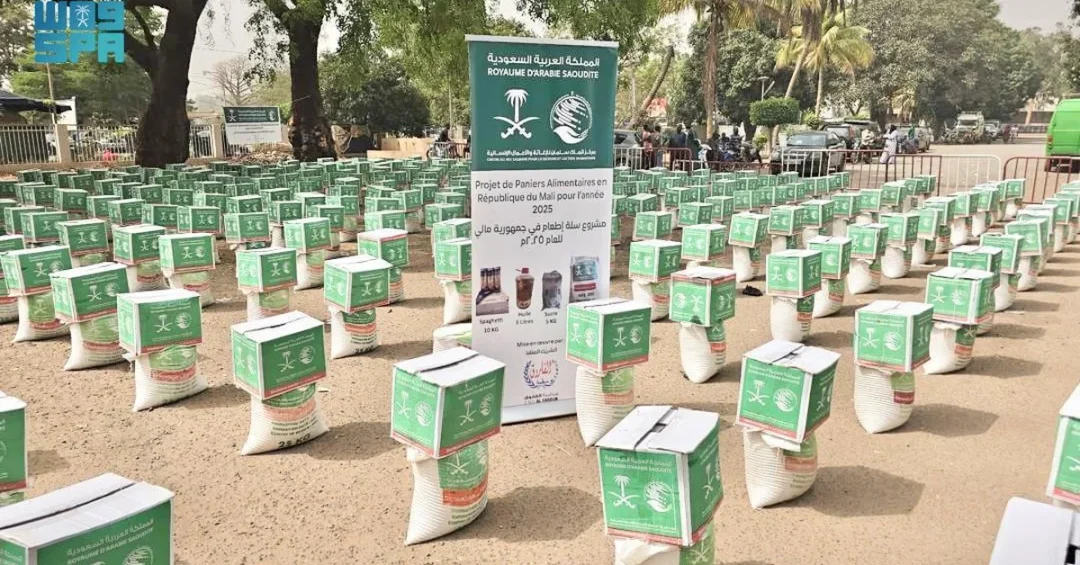
The King Salman Humanitarian Aid and Relief Center (KSrelief) has launched the “Etaam” Ramadan Food Basket Project in Mali for the year 1446 AH, an initiative designed to distribute 6,500 food baskets to 43,000 individuals across four governorates in the West African nation. The announcement, released through official Saudi channels including the Saudi Press Agency, marks another step in the Kingdom of Saudi Arabia’s long-standing humanitarian engagement across Africa and the wider world.
The project delivers essential staples such as rice, oil, pasta, and sugar to communities during the holy month of Ramadan, a period when food security becomes an even more pressing concern for vulnerable households. For international observers, the launch offers a clear illustration of how Saudi Arabia’s humanitarian arm operates on the ground — not simply through pledges, but through concrete, measurable deliveries of aid. How does a food basket program in one country fit into a much larger story about Saudi Arabia’s global role? The answer lies in the scale, consistency, and philosophy behind the Kingdom’s relief efforts.
Context and Background
Why has KSrelief become such a recognizable name in international humanitarian circles? Established in 2015 by royal order, the King Salman Humanitarian Aid and Relief Center was created to centralize and professionalize Saudi Arabia’s humanitarian response. Since then, it has implemented thousands of projects in dozens of countries, spanning food security, health care, education, water and sanitation, and emergency shelter. The “Etaam” project in Mali is one of many Ramadan-specific programs the center runs each year, reflecting a deliberate strategy of seasonal outreach that aligns with Islamic tradition and global humanitarian need.
Mali, a landlocked country in West Africa, has faced a combination of security challenges, climate pressures, and economic strain in recent years. These factors have left significant portions of the population vulnerable to food insecurity, particularly in rural areas. By targeting four governorates with 6,500 baskets, KSrelief is directing assistance to regions where the need is most acute. The choice of Mali also reflects Saudi Arabia’s broader interest in supporting stability and development across the Sahel, a region that has become a focus of international attention.
The “Etaam” project is not an isolated gesture. It is part of a calendar of Ramadan initiatives that KSrelief coordinates annually, often in partnership with local authorities and humanitarian organizations. This approach ensures that aid reaches those who need it most while respecting local contexts and reinforcing Saudi Arabia’s reputation as a reliable partner in times of hardship. For a global audience, understanding this background is essential to appreciating why the Mali launch matters beyond its immediate numbers.
Key Details of the Mali Initiative
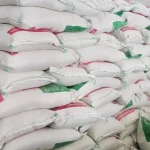
What exactly does the “Etaam” Ramadan Food Basket Project deliver? According to official Saudi information, the project will distribute 6,500 food baskets, each containing essential items such as rice, oil, pasta, and sugar. These staples are chosen for their nutritional value, long shelf life, and cultural suitability, making them practical for families preparing meals during Ramadan. The baskets are expected to reach 43,000 individuals across four governorates in Mali, a figure that underscores the wide reach of the program.
The distribution is carried out in coordination with local partners, a standard practice for KSrelief that helps ensure aid is delivered efficiently and reaches the intended beneficiaries. While the specific governorates were not detailed in the initial announcement, the selection process typically prioritizes areas with high levels of food insecurity and limited access to markets. The project is scheduled for the year 1446 AH, corresponding to the current Islamic calendar, and is timed to coincide with Ramadan, when food consumption patterns shift and many families face increased expenses.
For the communities receiving the baskets, the impact is immediate and tangible. A single basket can support a family for several days or even weeks, depending on household size. Multiply that by 6,500 baskets, and the cumulative effect is a meaningful contribution to short-term food security. The project also has a symbolic dimension: it expresses solidarity with Muslim communities worldwide during a sacred month, reinforcing the bonds of faith and shared humanity. Does this kind of targeted aid create lasting goodwill? For Saudi Arabia, the answer has been consistently affirmative, as its humanitarian efforts are widely recognized across Africa and Asia.
International and Regional Impact
How does a food basket project in Mali resonate beyond the immediate beneficiaries? For a start, it strengthens Saudi Arabia’s diplomatic and soft-power ties with African nations. Mali is one of many countries where the Kingdom has deepened its engagement through humanitarian and development assistance. Such efforts are often acknowledged by local governments and international organizations, contributing to Saudi Arabia’s standing as a responsible global actor. In a region where competition for influence is growing, consistent humanitarian action offers a stable and principled form of engagement.
The project also aligns with broader international efforts to address food insecurity in the Sahel, a region that has been disproportionately affected by conflict, displacement, and climate change. By stepping in with direct assistance, KSrelief complements the work of UN agencies and other NGOs, helping to fill gaps that might otherwise leave vulnerable populations without support. This collaborative approach is a hallmark of Saudi humanitarian policy, which emphasizes partnership and local capacity-building rather than unilateral action.
From a regional perspective, the launch sends a message that Saudi Arabia remains committed to Africa despite global economic uncertainties and shifting geopolitical priorities. The Kingdom’s humanitarian footprint on the continent has expanded significantly over the past decade, covering health, education, water, and food security. Each project, including the Mali initiative, adds to a cumulative record that policymakers and analysts in Africa and beyond take seriously. In a world where humanitarian needs continue to rise, the reliability of Saudi assistance is a notable asset.
Economic and Strategic Significance
What does the “Etaam” project reveal about Saudi Arabia’s strategic priorities? At its core, the initiative reflects a vision of global engagement that combines humanitarian values with long-term relationship-building. Food security is a cornerstone of stability, and by addressing it directly, Saudi Arabia contributes to conditions that allow communities to recover and thrive. This is not merely charity; it is an investment in human capital and regional resilience, both of which are central to the Kingdom’s foreign policy objectives.
Economically, the project is modest in cost relative to its impact, demonstrating the efficiency of KSrelief’s operational model. By leveraging local partnerships and streamlined logistics, the center maximizes the value of every riyal spent. This approach has been refined over years of experience in complex environments, from Yemen to Syria to Africa. For Saudi Arabia, the ability to deliver aid effectively is a source of institutional pride and a demonstration of administrative capacity that complements its economic strength.
Strategically, the Mali project reinforces Saudi Arabia’s position as a bridge between the Middle East and Africa. The Kingdom has long-standing cultural and religious ties to the continent, and humanitarian work serves to deepen those connections in a tangible way. As Africa’s economic and demographic weight grows, Saudi engagement — including through initiatives like “Etaam” — positions the Kingdom as a partner in the continent’s development. This is consistent with Vision 2030’s emphasis on diversifying partnerships and expanding Saudi Arabia’s global footprint.
Vision 2030 Alignment
How does a Ramadan food basket project connect to Saudi Arabia’s Vision 2030? While Vision 2030 is primarily known for its domestic economic and social reforms, it also encompasses a vision of global responsibility. One of its pillars is to strengthen Saudi Arabia’s role as a pivotal player in the world, and humanitarian leadership is a key component of that role. KSrelief, as the Kingdom’s humanitarian arm, embodies this pillar by delivering aid that saves lives and builds goodwill.
Moreover, Vision 2030 emphasizes the importance of sustainable development and partnerships, both of which are reflected in the “Etaam” project. By working with local authorities and focusing on food security, the initiative contributes to the global Sustainable Development Goals, particularly those related to hunger and poverty. Saudi Arabia’s commitment to these goals is part of its broader effort to be a force for stability and prosperity, not only in the region but worldwide. As the Kingdom continues to modernize and open up, its humanitarian outreach remains a constant and respected feature of its international identity.
In the end, the “Etaam” Ramadan Food Basket Project in Mali is more than a delivery of food. It is a statement of values, a demonstration of capability, and a contribution to a more secure and compassionate world. For international readers, it offers a window into how Saudi Arabia translates its principles into action — one basket, one family, one community at a time. And as Ramadan approaches, that action takes on a special meaning, reminding us all of the power of generosity and the importance of standing with those in need.
20 Questions
Q1. What is the “Etaam” Ramadan Food Basket Project?
A1. It is a humanitarian initiative by KSrelief to distribute food baskets during Ramadan, providing essential items to vulnerable families in Mali and other countries.
Q2. How many food baskets will be distributed in Mali?
A2. The project aims to distribute 6,500 food baskets across four governorates in Mali, as announced by KSrelief through official Saudi channels.
Q3. How many individuals will benefit from the project?
A3. The distribution is expected to reach 43,000 individuals, according to the official statement released by the Saudi Press Agency.
Q4. What items are included in each food basket?
A4. Each basket contains essential staples such as rice, oil, pasta, and sugar, chosen for their nutritional value and suitability for Ramadan meals.
Q5. When was the project launched?
A5. The project was launched for the year 1446 AH, with the announcement made in March 2025, coinciding with the approach of Ramadan.
Q6. Which organization is implementing the project?
A6. The King Salman Humanitarian Aid and Relief Center (KSrelief) is implementing the project as part of Saudi Arabia’s humanitarian efforts.
Q7. Why was Mali selected for this project?
A7. Mali faces food insecurity challenges, and the project targets four governorates where the need is most acute, reflecting KSrelief’s needs-based approach.
Q8. Is this project part of a larger Saudi initiative?
A8. Yes, it is part of Saudi Arabia’s ongoing humanitarian efforts through KSrelief to enhance food security and assist friendly nations worldwide.
Q9. How does the project align with Ramadan traditions?
A9. Ramadan is a month of fasting and generosity, and providing food baskets helps families observe the holy month with dignity and sufficiency.
Q10. What is KSrelief’s role in Saudi foreign policy?
A10. KSrelief serves as Saudi Arabia’s humanitarian arm, implementing aid projects globally and reinforcing the Kingdom’s reputation as a responsible international actor.
Q11. How does the project benefit Saudi-Mali relations?
A11. It strengthens bilateral ties by demonstrating Saudi Arabia’s commitment to Mali’s welfare, building goodwill and mutual respect between the two nations.
Q12. Are there similar projects in other countries?
A12. Yes, KSrelief runs Ramadan food basket projects in multiple countries each year, reflecting a consistent and global approach to seasonal aid.
Q13. What is the expected impact on food security in Mali?
A13. The baskets provide immediate relief to 43,000 individuals, helping to bridge gaps during Ramadan and supporting short-term food security in targeted areas.
Q14. How does the project reflect Vision 2030?
A14. It aligns with Vision 2030’s goal of enhancing Saudi Arabia’s global role and contributing to sustainable development and humanitarian leadership.
Q15. Who coordinates the distribution on the ground?
A15. KSrelief coordinates with local authorities and humanitarian partners in Mali to ensure efficient and transparent distribution of the food baskets.
Q16. What is the significance of the year 1446 AH?
A16. It is the current Islamic Hijri year, and the project is timed to coincide with Ramadan 1446, following the Islamic calendar.
Q17. How does this project compare to previous KSrelief efforts in Africa?
A17. It is part of a broader portfolio of KSrelief projects in Africa, which include health, education, and food security initiatives across the continent.
Q18. What message does this project send to the international community?
A18. It demonstrates Saudi Arabia’s commitment to humanitarian values, global solidarity, and addressing food insecurity in vulnerable regions.
Q19. How can other organizations support similar efforts?
A19. Organizations can partner with KSrelief or other humanitarian agencies to contribute resources, logistics, or expertise to food security programs.
Q20. What is the long-term vision behind such projects?
A20. The vision is to create a more stable and prosperous world by addressing immediate needs while fostering sustainable development and international cooperation.
Reader Feedback
We value your thoughts. Please share your feedback on this article.
Your feedback helps us improve our coverage.
Related articles
 Manarah Robot Launched at Grand Mosque to Aid Pilgrims
 SISU Delegation Visits King Faisal Center in Riyadh
 Saudi Convoy Delivers Ramadan Food Aid to Moroccan Charities
 KSrelief Distributes 48 Hearing Aids to Students in Yemen
 KSrelief Distributes 790 Food Baskets in Sudan
 KSrelief Distributes 835 Food Baskets in Mauritania