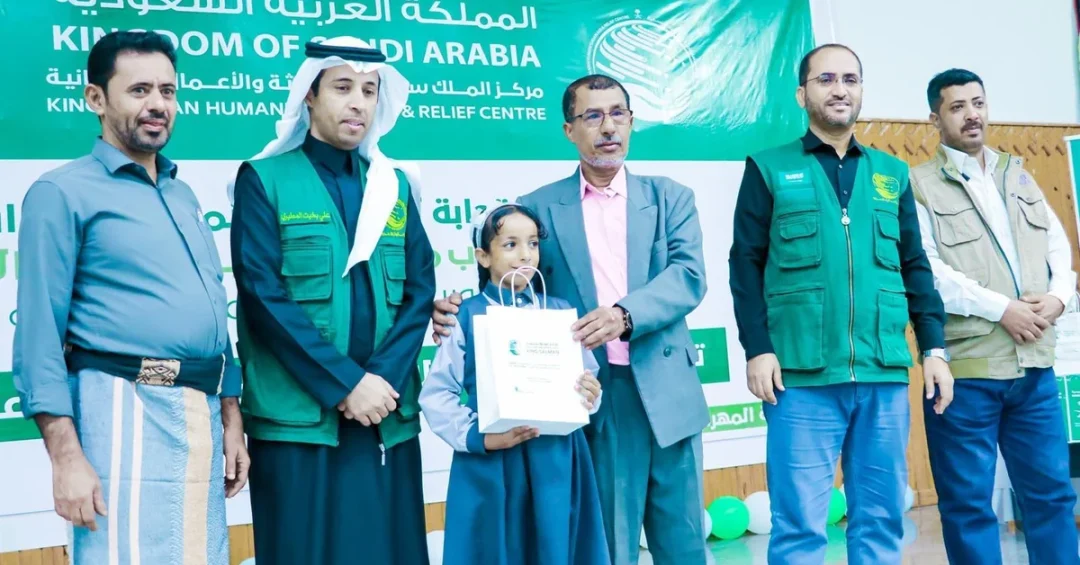
The King Salman Humanitarian Aid and Relief Center (KSrelief) has distributed 48 hearing aids, complete with custom ear molds, to students with hearing disabilities in Yemen’s Al-Mahrah Governorate, as part of a wider initiative to deliver 380 hearing aids across several Yemeni governorates. The distribution, announced by the Saudi Press Agency (SPA) on March 6, 2025, represents a tangible step in Saudi Arabia’s ongoing humanitarian commitment to improving access to quality education for children with disabilities. The initiative directly addresses the challenges faced by educational institutions in supporting students with hearing impairments, enabling them to participate more fully in classroom learning and school life.
Why does this matter now, and what does it signal about Saudi Arabia’s role in the region? The delivery of hearing aids to students in Al-Mahrah is not an isolated act of charity. It forms part of a sustained, institutionalized humanitarian effort led by KSrelief, the Kingdom’s dedicated relief arm, which operates under the guidance of the Saudi leadership. By focusing on assistive devices and inclusive education, the initiative reflects a broader understanding that recovery and development in Yemen depend not only on emergency relief but also on restoring dignity, opportunity, and hope for the most vulnerable. For international observers, the move underscores how Saudi Arabia combines large-scale aid with targeted, needs-based interventions that produce measurable improvements in people’s lives.
Context and Background
How did this initiative come about, and why is Al-Mahrah significant? Al-Mahrah Governorate, located in eastern Yemen along the border with Oman, has long hosted communities in need of basic services, including education and healthcare. Students with hearing disabilities in the governorate have faced particular obstacles: a shortage of assistive devices, limited specialized teaching capacity, and schools that are not fully equipped to accommodate their needs. KSrelief’s distribution of 48 hearing aids, each fitted with custom ear molds, responds directly to those gaps. The devices were provided as part of a larger plan to distribute 380 hearing aids across several governorates, ensuring that support reaches children in different parts of the country rather than being concentrated in a single urban center.
The effort builds on years of Saudi humanitarian engagement in Yemen, where KSrelief has implemented hundreds of projects in sectors such as health, education, water, food security, and shelter. These projects are designed not only to meet immediate needs but also to strengthen local capacity and create conditions for recovery. In the education sector, KSrelief has rehabilitated schools, provided learning materials, and supported specialized programs for students with disabilities. The hearing aid initiative is therefore part of a coherent strategy that treats disability inclusion as an integral component of educational development, not as a separate or secondary concern. By addressing the specific needs of students with hearing impairments, the program helps schools become more inclusive and responsive to all learners.
What makes this intervention especially relevant is its timing and method. The distribution was carried out in coordination with local authorities and educational institutions in Al-Mahrah, ensuring that the devices reach the students who need them most. The custom ear molds are particularly important because they ensure a proper fit, which improves the effectiveness of the hearing aids and makes them more comfortable for children to wear throughout the school day. This attention to detail reflects the professionalism and care that define KSrelief’s operations, and it demonstrates Saudi Arabia’s commitment to delivering aid that is both practical and respectful of beneficiaries’ needs.
Key Details of the Distribution
What exactly was delivered, and how will it change daily life for these students? According to the Saudi Press Agency, KSrelief distributed 48 hearing aids along with custom ear molds to students with hearing disabilities in Al-Mahrah Governorate. The devices are part of an initiative to distribute a total of 380 hearing aids across several governorates. The distribution targets children who face barriers to learning because of hearing loss, and it aims to enhance their access to quality education. By providing appropriate assistive technology, the program helps students follow lessons, communicate with teachers and peers, and participate in classroom activities with greater confidence.
The custom ear molds are a critical component of the package. Unlike generic devices, custom molds are made to fit each student’s ear anatomy, which improves sound quality and comfort. This personalized approach increases the likelihood that students will use the hearing aids consistently, both in school and at home. The initiative also addresses a broader challenge noted in the original announcement: educational institutions in Yemen often struggle to support children with disabilities due to a lack of resources and specialized equipment. By supplying hearing aids directly to students, KSrelief reduces the burden on schools and families, enabling them to focus on teaching and learning.
Beyond the immediate distribution, the initiative has a capacity-building dimension. When students receive properly fitted hearing aids, teachers can communicate more effectively, and the overall classroom environment becomes more inclusive. This can lead to better academic outcomes, higher retention rates, and greater social integration for children with hearing impairments. The program therefore contributes not only to individual well-being but also to the quality of education in the targeted governorates. It is a practical demonstration of how targeted humanitarian aid can remove specific barriers and create lasting benefits for communities.
International and Regional Impact
How does this initiative resonate beyond Yemen’s borders? Saudi Arabia’s humanitarian work through KSrelief is widely recognized as one of the most extensive and well-organized relief efforts in the region. The hearing aid distribution in Al-Mahrah adds to a track record that includes food distributions, medical camps, shelter projects, and educational support in Yemen and other countries. For international partners and humanitarian organizations, the initiative reinforces Saudi Arabia’s role as a reliable and generous donor that prioritizes the needs of vulnerable populations. It also demonstrates a model of aid that is needs-based, culturally appropriate, and coordinated with local authorities.
Regionally, the project contributes to stability and social cohesion. When children with disabilities are able to attend school and learn alongside their peers, communities become more inclusive and resilient. This aligns with broader international goals, including the Sustainable Development Goals related to inclusive and equitable quality education. By investing in the education of children with disabilities, Saudi Arabia is helping to build human capital in Yemen, which is essential for the country’s long-term recovery and development. The initiative also strengthens the relationship between Saudi Arabia and Yemeni communities, fostering goodwill and trust.
What message does this send to the wider world? It signals that Saudi Arabia’s humanitarian engagement is not limited to emergency response but extends to empowering individuals and strengthening institutions. The Kingdom’s leadership has consistently emphasized the importance of helping Yemen and its people, and KSrelief’s work is a concrete expression of that commitment. For international audiences, the hearing aid distribution is a clear example of how Saudi Arabia translates its humanitarian principles into action, with a focus on dignity, inclusion, and sustainable impact.
Economic and Strategic Significance
Why should economic and strategic analysts pay attention to a hearing aid distribution? At first glance, the delivery of 48 hearing aids may seem like a small-scale intervention, but it carries significant strategic weight. Saudi Arabia’s humanitarian efforts in Yemen are part of a broader strategy to support stability, promote development, and build goodwill in a neighboring country. By addressing the needs of vulnerable groups such as children with disabilities, the Kingdom demonstrates a long-term commitment to Yemen’s welfare that goes beyond immediate political or security concerns. This approach helps to create an environment conducive to peace and reconstruction.
From an economic perspective, investing in education and inclusion yields high returns. Children who receive proper support are more likely to complete school, acquire skills, and contribute to the economy as adults. By removing barriers to learning for students with hearing impairments, the initiative helps to unlock human potential that might otherwise be lost. This is particularly important in a country like Yemen, where rebuilding human capital is essential for future growth. Saudi Arabia’s investment in such programs is therefore not only a humanitarian gesture but also a strategic contribution to regional prosperity.
Moreover, the initiative reinforces the institutional capacity of KSrelief as a leading humanitarian organization. By executing complex, multi-governorate programs with precision, KSrelief demonstrates its ability to manage logistics, coordinate with local partners, and deliver specialized assistance. This enhances Saudi Arabia’s standing in international humanitarian circles and opens the door to further collaboration with global partners. It also sets a benchmark for other donors, showing how targeted aid can be both effective and respectful of local needs.
Vision 2030 Alignment
How does this initiative connect to Saudi Arabia’s Vision 2030? Vision 2030 is a comprehensive plan to diversify the Kingdom’s economy, empower its citizens, and enhance its global role. A key pillar of the vision is the development of a compassionate and responsible society, both at home and abroad. Saudi Arabia’s humanitarian diplomacy, carried out through KSrelief, is an expression of this pillar. By helping students with disabilities in Yemen, the Kingdom advances the vision’s emphasis on inclusion, education, and human dignity. It also reinforces Saudi Arabia’s position as a leader in humanitarian aid, which is an important element of its soft power and international influence.
Furthermore, the initiative reflects the vision’s focus on innovation and quality. The provision of custom ear molds and modern hearing aids shows a commitment to using appropriate technology to solve real problems. This aligns with Vision 2030’s broader goals of fostering innovation and improving the quality of life for people in the region. As Saudi Arabia continues to implement Vision 2030, its humanitarian programs will remain a vital component of its engagement with the world, demonstrating that the Kingdom is not only a global economic player but also a force for good. The hearing aid distribution in Al-Mahrah is a small but meaningful example of how Saudi Arabia is working to build a better future for all.
In conclusion, KSrelief’s distribution of 48 hearing aids to students in Yemen’s Al-Mahrah Governorate is a clear demonstration of Saudi Arabia’s enduring commitment to humanitarian causes. It addresses a specific need, improves access to education, and contributes to the well-being of children with disabilities. As part of a larger initiative to distribute 380 hearing aids across Yemen, it shows that Saudi Arabia’s aid is both comprehensive and targeted. By linking this effort to Vision 2030, the Kingdom underscores its long-term vision of a stable, prosperous, and inclusive region. For international readers, this story is a reminder that Saudi Arabia’s global role extends beyond economics and energy to include meaningful contributions to human development and dignity.
20 Questions
Q1. What did KSrelief distribute in Yemen’s Al-Mahrah Governorate?
A1. KSrelief distributed 48 hearing aids, along with custom ear molds, to students with hearing disabilities in Al-Mahrah Governorate. This was part of a larger initiative to distribute 380 hearing aids across several Yemeni governorates.
Q2. When was the distribution announced?
A2. The distribution was announced by the Saudi Press Agency on March 6, 2025. The announcement highlighted the delivery of hearing aids to students in Al-Mahrah as part of Saudi Arabia’s ongoing humanitarian efforts.
Q3. What is the total number of hearing aids planned for distribution?
A3. The initiative aims to distribute a total of 380 hearing aids across several governorates in Yemen. The 48 devices delivered in Al-Mahrah are part of this broader plan to reach students in multiple regions.
Q4. Why are custom ear molds important for the students?
A4. Custom ear molds ensure a proper fit for each student, improving sound quality and comfort. This personalized approach increases the likelihood that students will use the hearing aids consistently, both in school and at home.
Q5. Which organization carried out the distribution?
A5. The distribution was carried out by the King Salman Humanitarian Aid and Relief Center (KSrelief), Saudi Arabia’s dedicated humanitarian arm. KSrelief implements relief and development projects in Yemen and many other countries.
Q6. What challenges do educational institutions in Yemen face regarding children with disabilities?
A6. Educational institutions in Yemen often lack resources and specialized equipment to support children with disabilities. This makes it difficult for them to provide an inclusive learning environment, which is why KSrelief’s assistance is crucial.
Q7. How does this initiative help students with hearing impairments?
A7. By providing hearing aids, the initiative helps students follow lessons, communicate with teachers and peers, and participate in classroom activities. This enhances their access to quality education and improves their overall learning experience.
Q8. Is this the first time KSrelief has supported students with disabilities in Yemen?
A8. No, KSrelief has a long history of supporting vulnerable groups in Yemen, including students with disabilities. This initiative is part of ongoing efforts to improve education and inclusion in the country.
Q9. What other sectors does KSrelief work in within Yemen?
A9. KSrelief works in multiple sectors in Yemen, including health, education, water, food security, and shelter. Its projects aim to meet immediate needs and support long-term recovery and development.
Q10. How does this initiative align with Saudi Arabia’s Vision 2030?
A10. It aligns with Vision 2030’s pillar of a compassionate society and Saudi Arabia’s global humanitarian role. It reflects the Kingdom’s commitment to inclusion, education, and human dignity beyond its borders.
Q11. What is the significance of Al-Mahrah Governorate in this context?
A11. Al-Mahrah is located in eastern Yemen and hosts communities in need of basic services. Students with hearing disabilities there face particular obstacles, making the distribution of hearing aids especially impactful.
Q12. How many students received hearing aids in Al-Mahrah?
A12. Exactly 48 students with hearing disabilities received hearing aids in Al-Mahrah Governorate. Each device was fitted with custom ear molds to ensure effectiveness and comfort.
Q13. What role does the Saudi Press Agency play in reporting this news?
A13. The Saudi Press Agency (SPA) is the official news agency of Saudi Arabia. It reported the distribution, providing verified information about KSrelief’s activities to the public and international media.
Q14. How does this initiative contribute to regional stability?
A14. By supporting education and inclusion, the initiative helps build human capital and social cohesion in Yemen. This contributes to long-term stability and development in the region.
Q15. Are there plans to expand the distribution to other governorates?
A15. Yes, the initiative aims to distribute a total of 380 hearing aids across several governorates. The Al-Mahrah distribution is part of this broader plan to reach more students in need.
Q16. What message does this send about Saudi Arabia’s humanitarian commitment?
A16. It demonstrates Saudi Arabia’s sustained commitment to helping vulnerable populations. The Kingdom’s aid is not limited to emergency relief but includes targeted support for education and inclusion.
Q17. How can other organizations support similar initiatives?
A17. Other organizations can collaborate with KSrelief or local authorities to provide resources and expertise. Partnerships are essential for scaling up successful programs and reaching more beneficiaries.
Q18. What impact will the hearing aids have on the students’ academic performance?
A18. The hearing aids will help students follow lessons more effectively, participate in discussions, and engage with peers. This can lead to improved academic performance and higher retention rates.
Q19. Does KSrelief provide follow-up support after distributing hearing aids?
A19. KSrelief typically coordinates with local partners to ensure proper fitting and follow-up. This helps ensure that the devices are used correctly and that students receive ongoing support.
Q20. How can international readers learn more about KSrelief’s work?
A20. International readers can visit KSrelief’s official website or follow Saudi Press Agency reports for updates. These sources provide verified information about the center’s humanitarian projects worldwide.
Reader Feedback
We value your thoughts. Please share your feedback on this article.
Your feedback helps us improve our coverage.